Buying a Used EV Without Regrets
- Why used EVs are suddenly attractive
- Start with your charging reality
- Battery health is the real mileage
- Model-year traps and smart comparisons
- Inspection, paperwork, and the test charge
- Negotiation and ownership plan for year one
Why used EVs are suddenly attractive
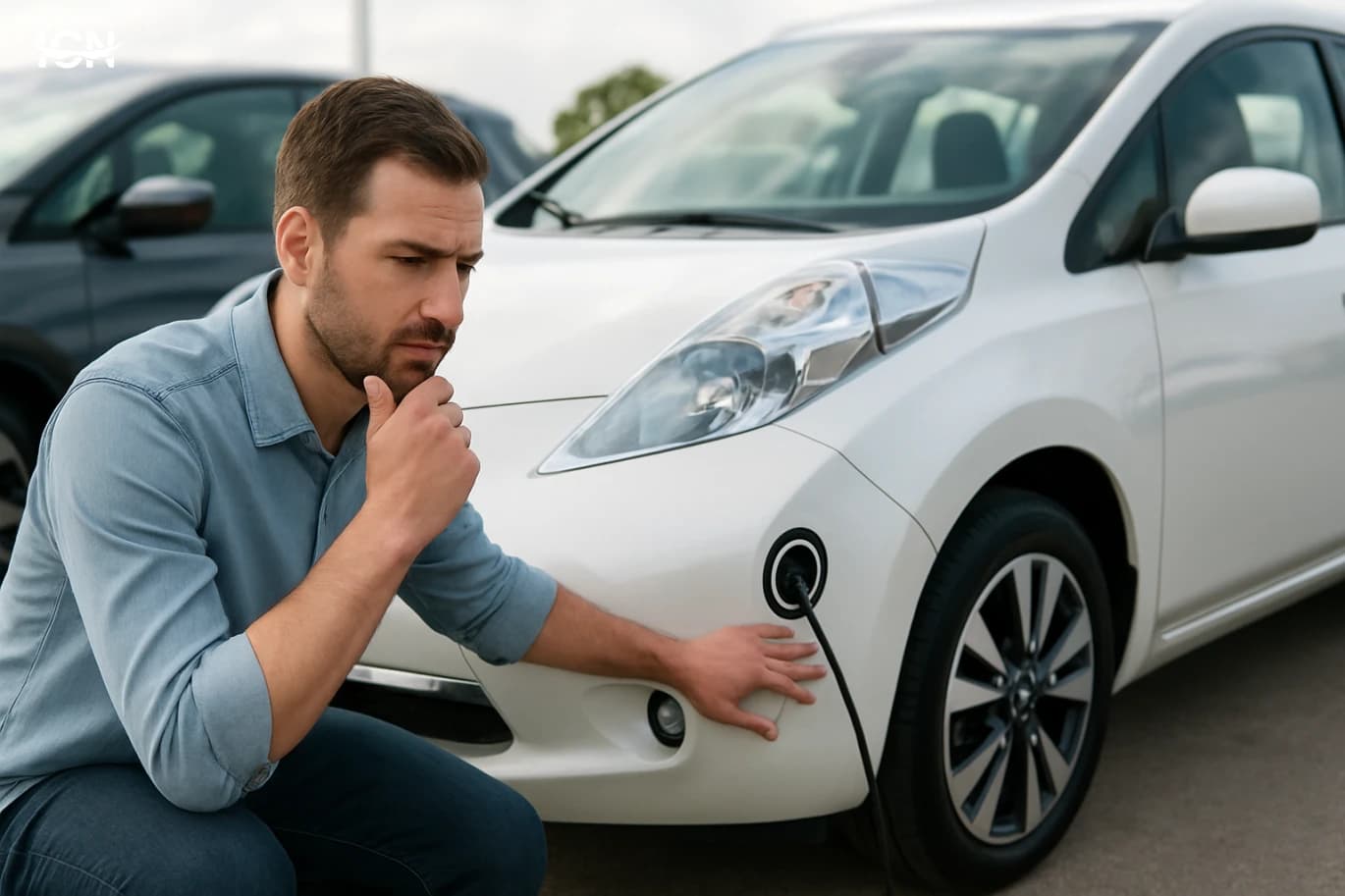
Used electric vehicles have moved from niche to mainstream because prices have softened while everyday usability has improved. Many early adopters are trading up, which increases supply of 3–6 year-old models that still feel modern in cabin tech and safety. At the same time, fuel and maintenance savings remain a clear advantage: no oil changes, fewer moving parts, and regenerative braking that can reduce brake wear. For commuters, the biggest question is no longer “Can I live with an EV?” but “Which used EV fits my routine and budget?” The catch is that a used EV purchase is less about mileage and more about battery condition, charging access, and software support. Two cars with identical odometer readings can have very different real-world range depending on climate, charging habits, and how the battery was treated. A smart buyer approaches the deal like a checklist: confirm the battery’s health, verify charging compatibility, and understand what warranties and updates still apply. This article focuses on practical steps that reduce risk and help you compare options fairly.
Start with your charging reality
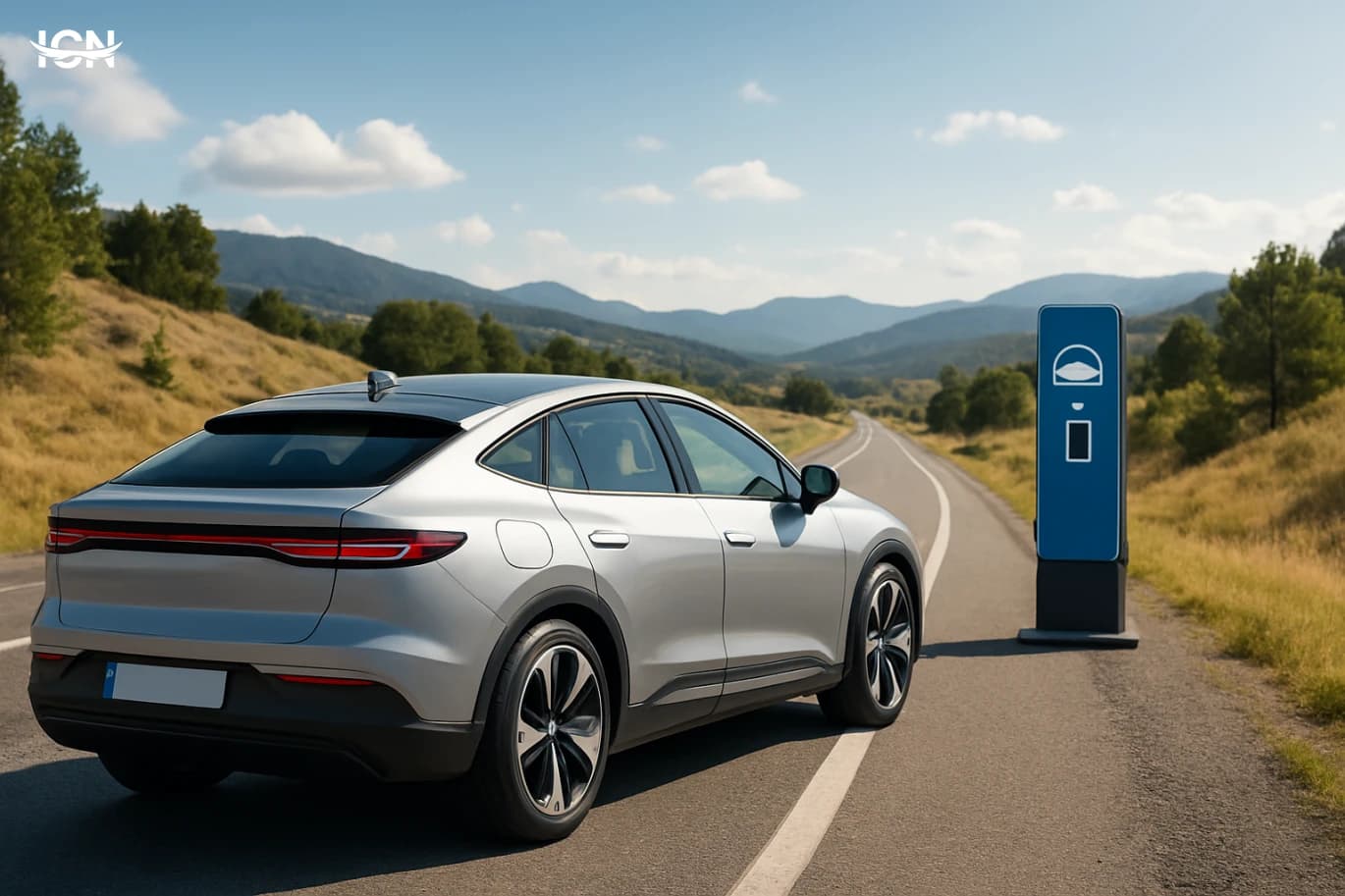
Before comparing brands, map your charging options. If you can install home charging, confirm your electrical panel capacity, parking access, and whether your building allows a wallbox. A basic Level 2 setup can transform ownership, but costs vary with wiring distance and permits. If home charging is not possible, check the density and reliability of public chargers on your routes, not just on a map. Look for stations with multiple stalls, clear pricing, and recent user reports about uptime. Next, match charging speed to your lifestyle. Some older EVs have slower DC fast-charging or limited peak rates that taper quickly. That may be fine for city driving but frustrating on road trips. Also verify connector standards in your region and whether the car needs adapters. A used EV that is cheap but inconvenient to charge can cost you time every week, which is often the real deal-breaker. Build a simple plan: where you will charge on weekdays, how long it takes, and what you will do if your primary charger is busy or offline.
Battery health is the real mileage
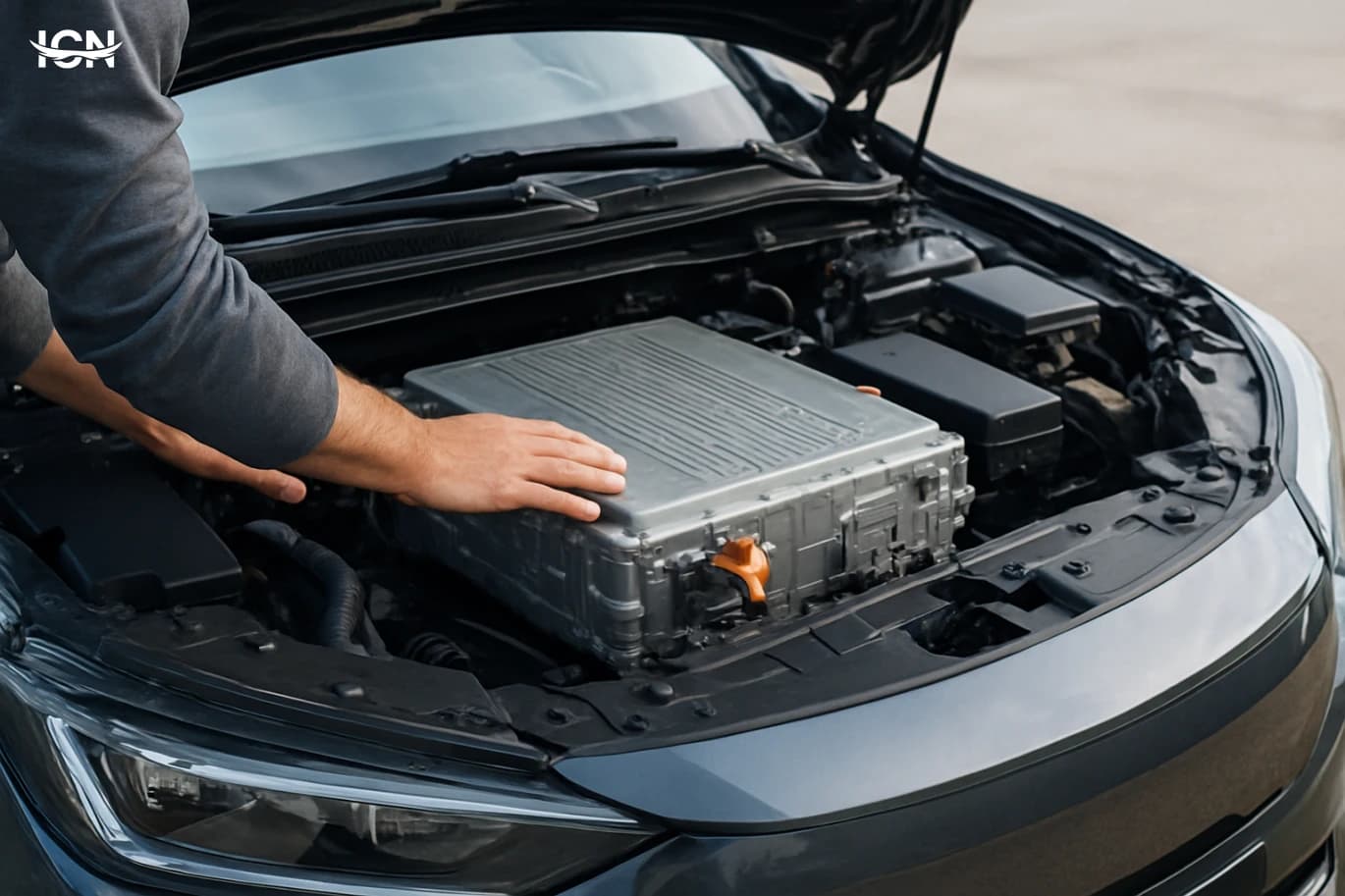
Battery condition determines range, performance, and resale value. Ask for a battery health report if the brand provides one, or request a diagnostic scan from a qualified workshop. Key signals include state of health (SOH), any recorded cell imbalance, and whether the car has a history of repeated fast-charging in hot conditions. Also ask about the car’s typical charging routine: frequent charging to 100% and leaving it parked full for long periods can accelerate degradation in some chemistries. During a test drive, look beyond the dashboard range estimate. Check energy consumption on the trip computer, confirm that the car reaches and holds highway speeds smoothly, and watch for sudden drops in indicated range. If possible, start the drive with a known charge level and compare expected versus actual consumption over a fixed route. In cold or very hot climates, ask how the car manages battery temperature and whether it has active thermal management. A used EV with robust thermal control often ages better and charges more consistently, which matters more than a small difference in original advertised range.
Model-year traps and smart comparisons
Not all trims and model years are equal, even within the same nameplate. Some years introduced larger battery packs, improved heat pumps, better infotainment, or faster charging hardware. Others may have known issues such as early onboard charger failures, weak 12V batteries, or limited parts availability. Research the exact year and trim, then verify the car matches the spec: wheel size affects efficiency, optional performance packages change tire costs, and driver-assistance features can vary widely. Compare used EVs using a few consistent metrics: real-world range at highway speed, average charging time from 10% to 80% on a typical fast charger, and total running cost including tires and insurance. EVs can be heavier and may wear tires faster, especially with high torque. Also check whether the car supports scheduled charging, preconditioning, and remote monitoring through an app, and whether those services require a paid subscription. A “cheap” EV with missing features you rely on can become expensive in daily friction.
Inspection, paperwork, and the test charge
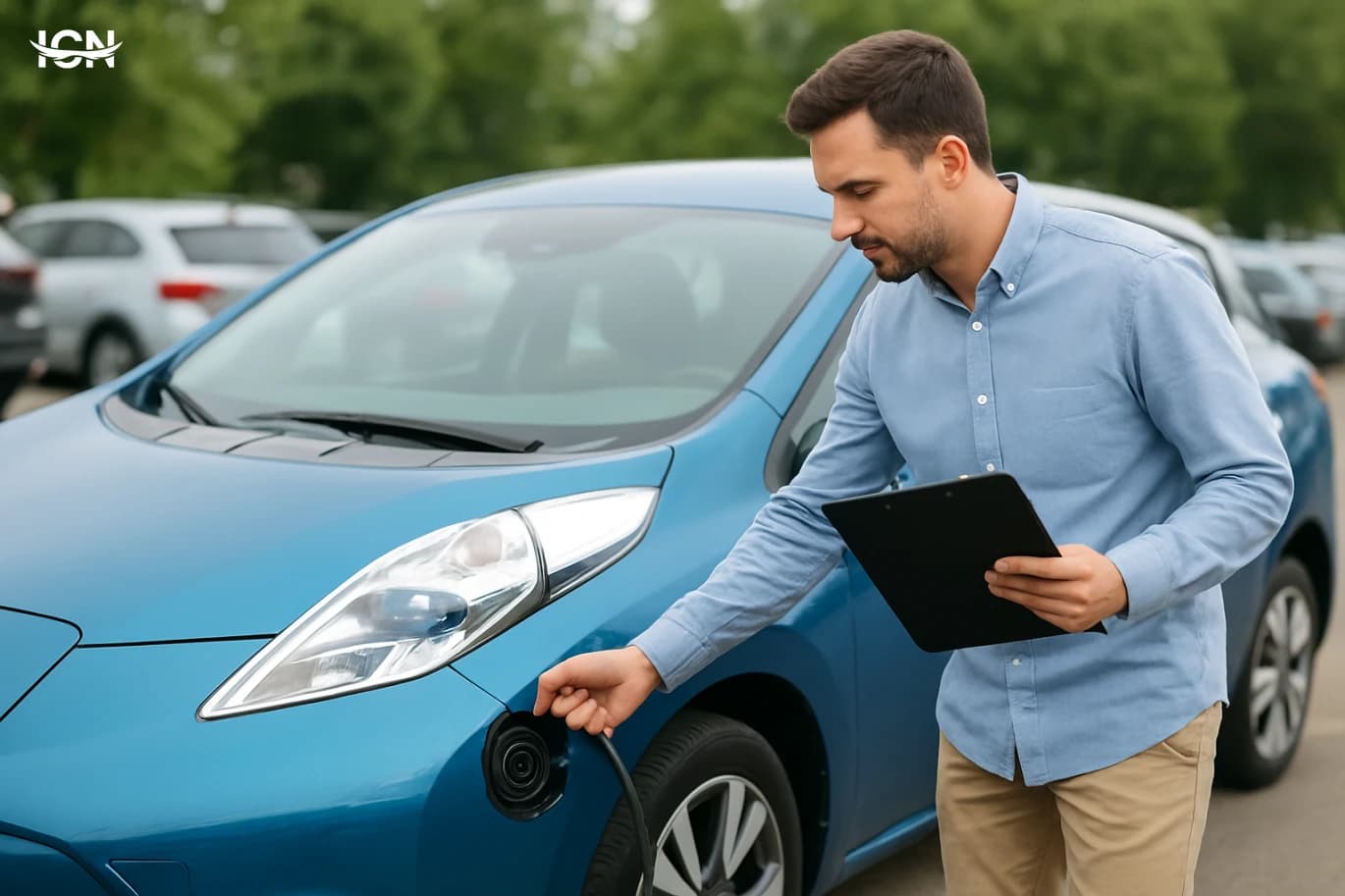
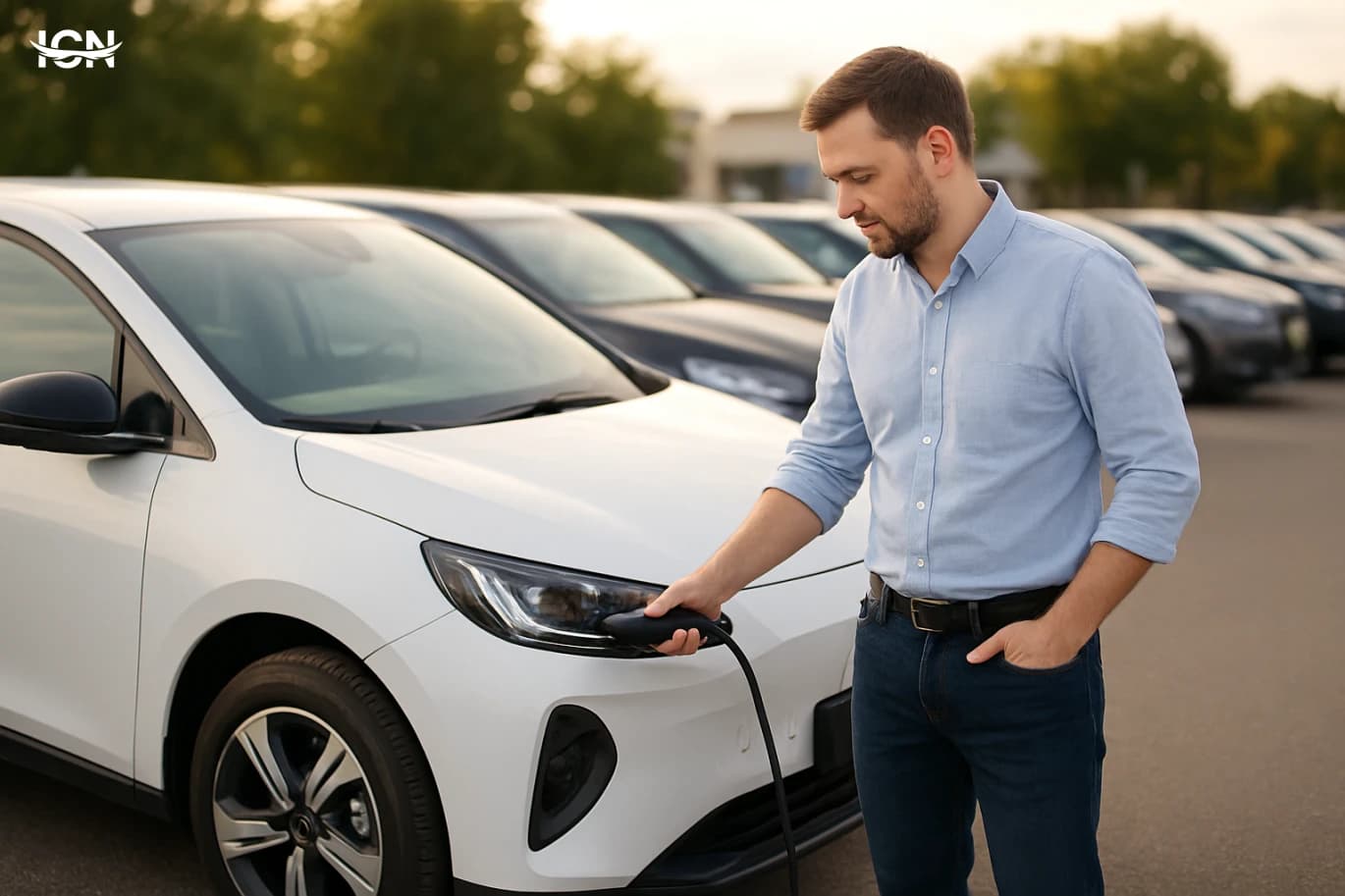
Treat a used EV inspection as a mix of mechanical and electrical checks. Inspect tires for uneven wear, listen for suspension noise, and confirm that all driver-assistance sensors and cameras work. Verify that the charging port door, latch, and pins are clean and undamaged. Ask whether the car has ever had water intrusion, and check for warning lights or stored fault codes. A pre-purchase inspection by a shop familiar with EVs is worth the fee, especially if it includes a battery diagnostic. Paperwork matters more than many buyers expect. Confirm the remaining battery warranty terms, whether it transfers to a new owner, and what conditions apply. Check for open recalls and whether software updates are current. Make sure you receive all charging accessories that originally came with the car, including portable cables and any adapters. If possible, do a “test charge” during the viewing: plug into an AC charger to confirm it starts charging reliably, and if a fast charger is nearby, verify the car can initiate a DC session without errors. Ten minutes of real charging can reveal issues that a quick drive will not.
Negotiation and ownership plan for year one
Use your findings to negotiate with specifics. If the tires are near replacement, price that in. If the battery health is below typical for the age, ask for a discount that reflects reduced range and future resale impact. Factor in the cost of installing home charging, and do not ignore insurance quotes, which can vary widely by model and repair network. Also consider parts availability and service access; some EVs are easy to maintain in many cities, while others rely on a limited number of certified centers. After purchase, set up habits that protect the battery and simplify life. For daily use, many owners keep charge limits below 100% unless they need maximum range the next day. Learn the car’s recommended tire pressures and rotate tires on schedule. Track energy consumption for the first month to establish a baseline; sudden changes can signal alignment issues, low tire pressure, or a failing 12V battery. Finally, build a charging routine with a backup option, and keep essential accessories in the car. A used EV can be a highly rational purchase when you plan the first year as carefully as you plan the buying day.