Buying a Used EV Without Regrets

- Why used EVs are different
- Battery health checks that matter
- Charging compatibility and home setup
- Service history, software, and ownership locks
- Test drive checklist for real life
- Pricing, negotiation, and smart ownership plan
Why used EVs are different
Buying a used electric vehicle is not the same as buying a used gasoline car. The biggest value driver is the battery, and its condition is not obvious from a quick test drive. Range depends on battery health, temperature, tire choice, and driving style, so two identical models can feel very different in daily use. Software also matters: some cars receive over-the-air updates that improve efficiency or charging behavior, while others stay fixed at the version they shipped with. A used EV can be an excellent deal because electric drivetrains have fewer moving parts and often show less wear in routine operation. At the same time, a neglected charging routine, frequent fast charging, or long periods stored at very high or very low state of charge can accelerate battery aging. The goal is to evaluate the car like an analyst: verify the battery, confirm charging compatibility, and check that the vehicle’s features and subscriptions still work for the next owner.
Battery health checks that matter
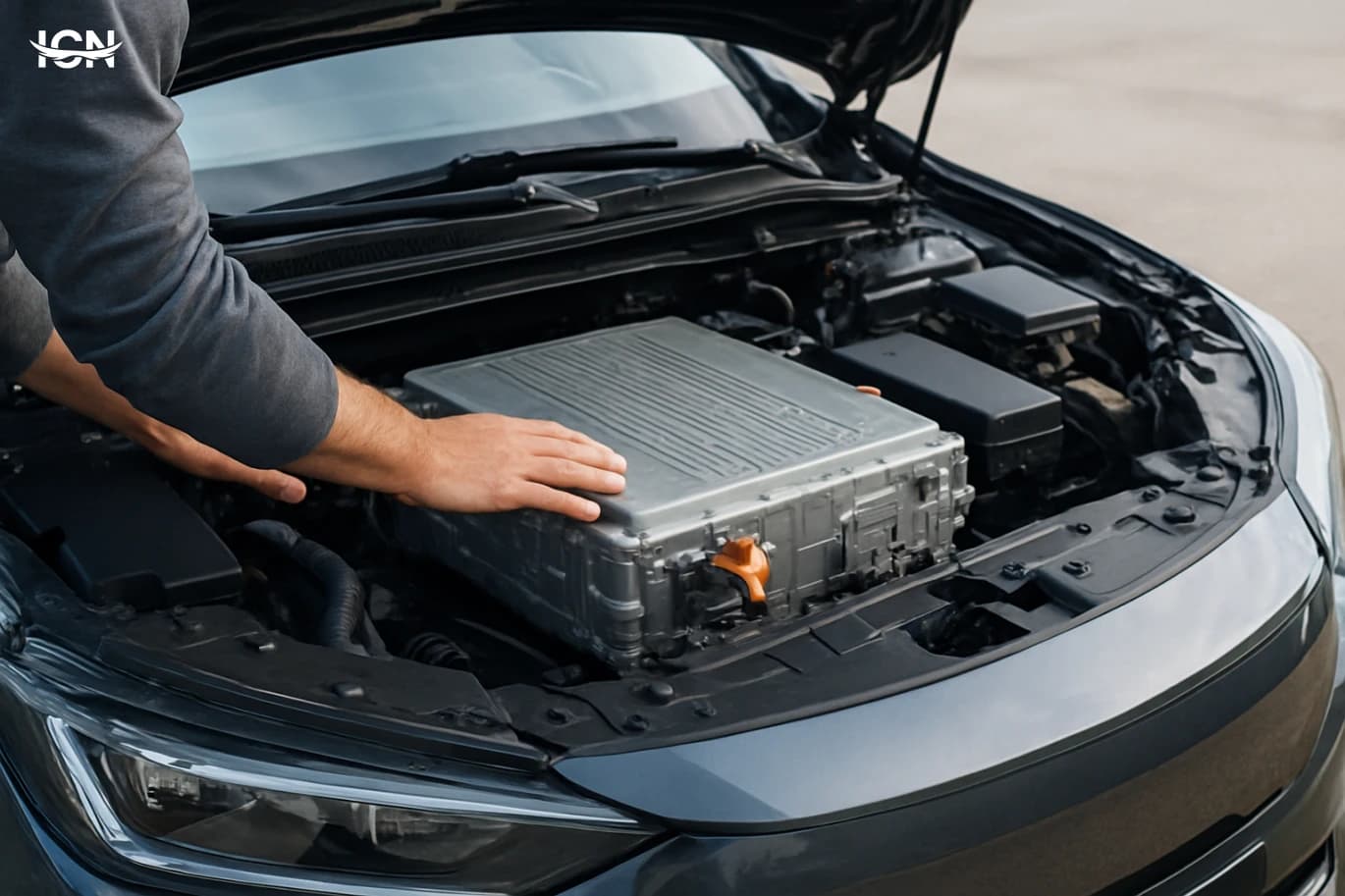
Start with the simplest evidence: the car’s displayed range at 100% and at a typical daily charge limit (often 70–90%). Compare it to what owners report for the same model year in similar climate conditions, not to the original brochure figure. Ask the seller for recent photos of the energy screen, efficiency history, and any battery health report from the manufacturer or a reputable diagnostic tool. If possible, request a state-of-health reading or capacity estimate. Some brands show it directly; others require a service visit or third-party scan. Look for warning signs such as unusually high battery temperature during normal driving, frequent rapid charging sessions in the history, or a car that has been sitting unused for months. Also check for battery warranty status and transfer rules. A remaining battery warranty can change the risk profile of the purchase more than any cosmetic condition. Finally, do a real-world check: drive a consistent route, note consumption (kWh/100 km or Wh/mi), and estimate practical range. This is more useful than a short acceleration test. A healthy used EV should deliver stable consumption and predictable range once the cabin and battery are at operating temperature.
Charging compatibility and home setup
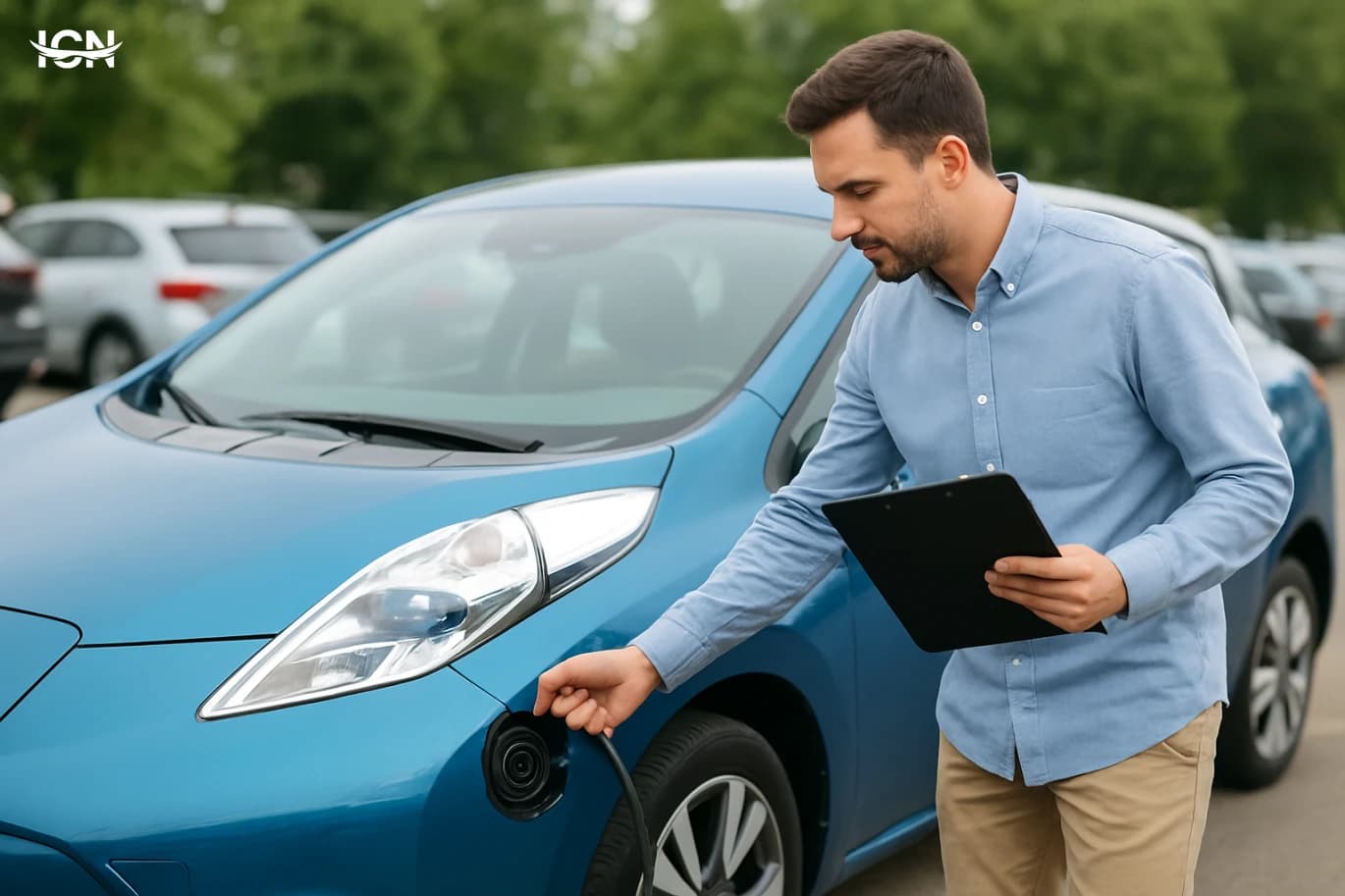
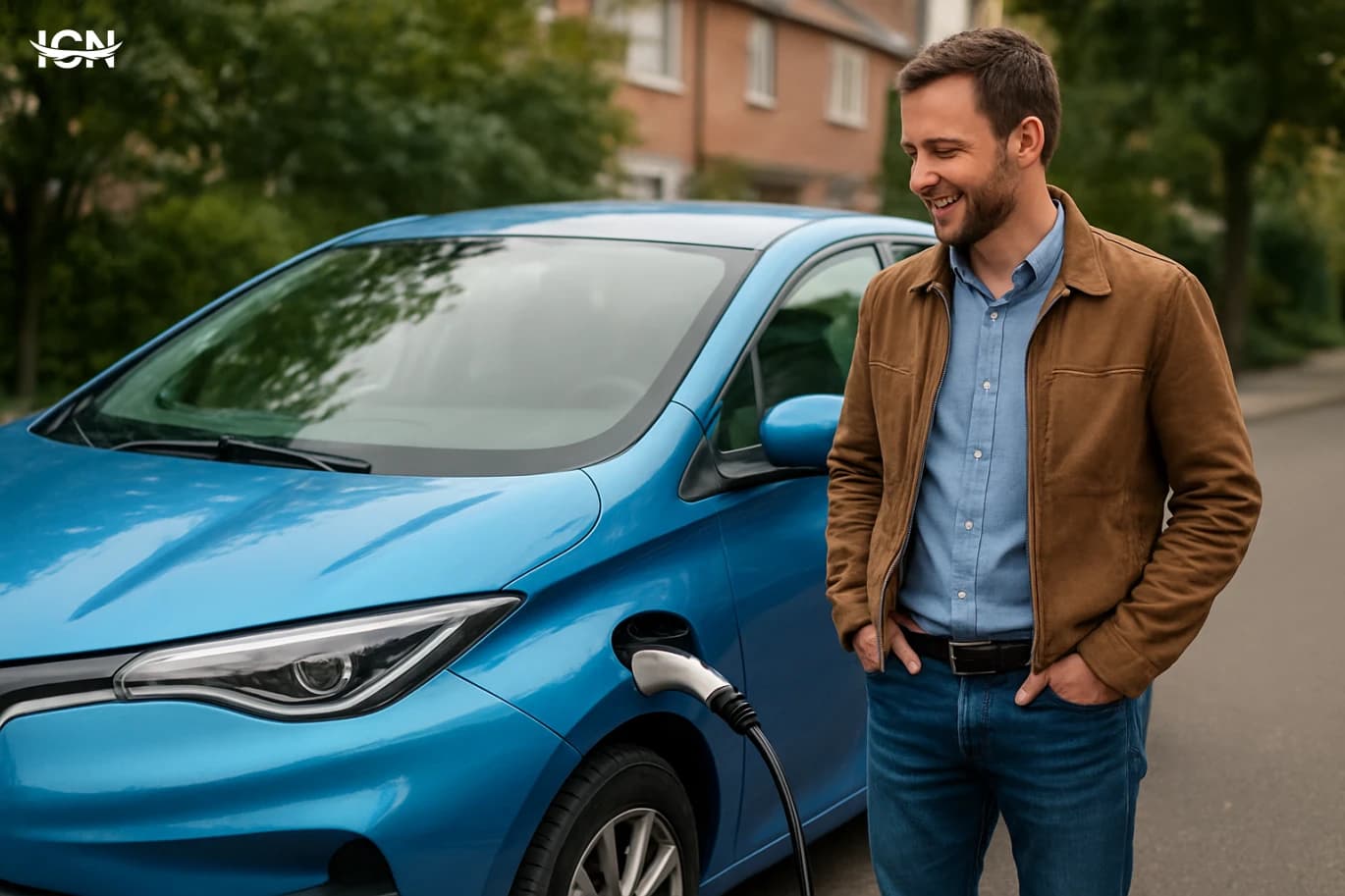
Before you negotiate price, confirm how you will charge. Identify the car’s connector type, maximum AC charging rate, and maximum DC fast-charging rate. A vehicle that supports only slower AC charging may still be fine if you can charge overnight at home, but it can be frustrating if you rely on public stations. Check whether the car includes the portable charging cable, any adapters, and whether those accessories are original and undamaged. At home, verify your electrical panel capacity and the cost of installing a dedicated wall charger. In many markets, a 7–11 kW home charger is the practical sweet spot, but the best choice depends on your daily mileage and local electricity pricing. Also consider where you park: a private garage, a shared building, or street parking changes the feasibility. If you live in an apartment, ask about permissions, metering, and whether the building has load management. On the road, map the charging network you will actually use. Look for station reliability, payment methods, and peak-hour congestion. A used EV that looks perfect on paper can become inconvenient if the nearest fast chargers are frequently out of service or require memberships that do not transfer easily.
Service history, software, and ownership locks
A used EV’s service history looks different from a conventional car. You may see fewer oil-related visits, but you should still expect records for brake fluid changes, cabin filters, coolant service (for models with battery thermal management), and tire rotations. Ask for documentation of any high-voltage system repairs, charging port replacements, or recalls completed. Software and account access are a hidden part of the deal. Confirm that the car can be transferred to your account and that remote features such as app control, preconditioning, and navigation services will work. Some brands tie features to subscriptions or to the original owner. Verify whether driver-assistance packages, premium connectivity, or battery-related upgrades stay with the car or disappear after resale. Also check for outstanding finance liens and whether the vehicle has been imported from another region. Imported EVs can have charging incompatibilities, limited access to local service, or reduced warranty coverage. A clean title and clear transfer process are as important as the mechanical inspection.
Test drive checklist for real life
Plan a longer test drive than you would for a gasoline car. Start with a cold start if possible, because noises and HVAC performance are easier to judge. Check for suspension clunks, steering vibration, and uneven tire wear, which can indicate alignment issues or hard curb impacts. EVs are quiet, so small rattles in the cabin can be more noticeable; listen carefully on rough roads. Evaluate regenerative braking behavior and whether it feels smooth at low speeds. Test the friction brakes firmly at least once; cars that rely heavily on regeneration can develop rusty rotors if they were rarely used. Confirm that all driver-assistance sensors work without warnings, including cameras and radar where applicable. Finally, test charging. Even a short session at an AC point or a fast charger can reveal problems with the port latch, communication errors, or unexpectedly low charging speed. If the seller cannot demonstrate charging, treat that as a risk factor and price it into your offer.
Pricing, negotiation, and smart ownership plan
Used EV pricing can move quickly because it is influenced by new-car incentives, battery warranty perceptions, and local charging infrastructure. Compare listings by model year, battery size, and trim, but also by real factors such as remaining warranty, tire condition, and included charging equipment. A car with a healthy battery and complete accessories can be worth more than a cheaper listing that needs immediate tires and a new wall charger. When negotiating, focus on measurable items: battery health documentation, charging test results, service records, and any error codes. If the car has limited fast-charging speed, missing adapters, or a subscription that cannot be transferred, quantify the cost and use it to adjust the offer. Avoid overpaying for cosmetic add-ons while ignoring the battery and charging fundamentals. After purchase, set an ownership plan that protects the battery: use a daily charge limit appropriate for your routine, avoid leaving the car at 100% for long periods, and prefer slower charging when time allows. Track efficiency and charging costs for the first month to confirm the car fits your commute and your budget. A disciplined first 30 days can turn a used EV into a predictable, low-hassle vehicle for years.