Buying a Used EV Without Regrets
- Why used EVs are different
- Battery health checks that matter
- Charging compatibility and daily routine
- Software, warranties, and service records
- Pricing, negotiation, and hidden costs
- Final checklist before you buy
Why used EVs are different
Shopping for a used electric vehicle is not the same as buying a used gasoline car. The biggest value driver is not mileage alone, but battery health, charging history, and how the car’s software has been maintained. Two EVs with the same odometer reading can feel completely different if one spent years fast-charging daily in hot weather while the other mostly charged slowly at home. This is why a serious used-EV search starts with understanding the battery as the main “engine.” Used EV pricing also reacts to factors that barely matter for combustion cars, such as access to home charging, local electricity rates, and the availability of fast chargers on your typical routes. A model that is a perfect commuter in one city can be inconvenient in another if public charging is scarce or expensive. Before looking at listings, it helps to define your daily distance, where you will charge most often, and whether you need fast charging for occasional trips or for routine use.
Battery health checks that matter
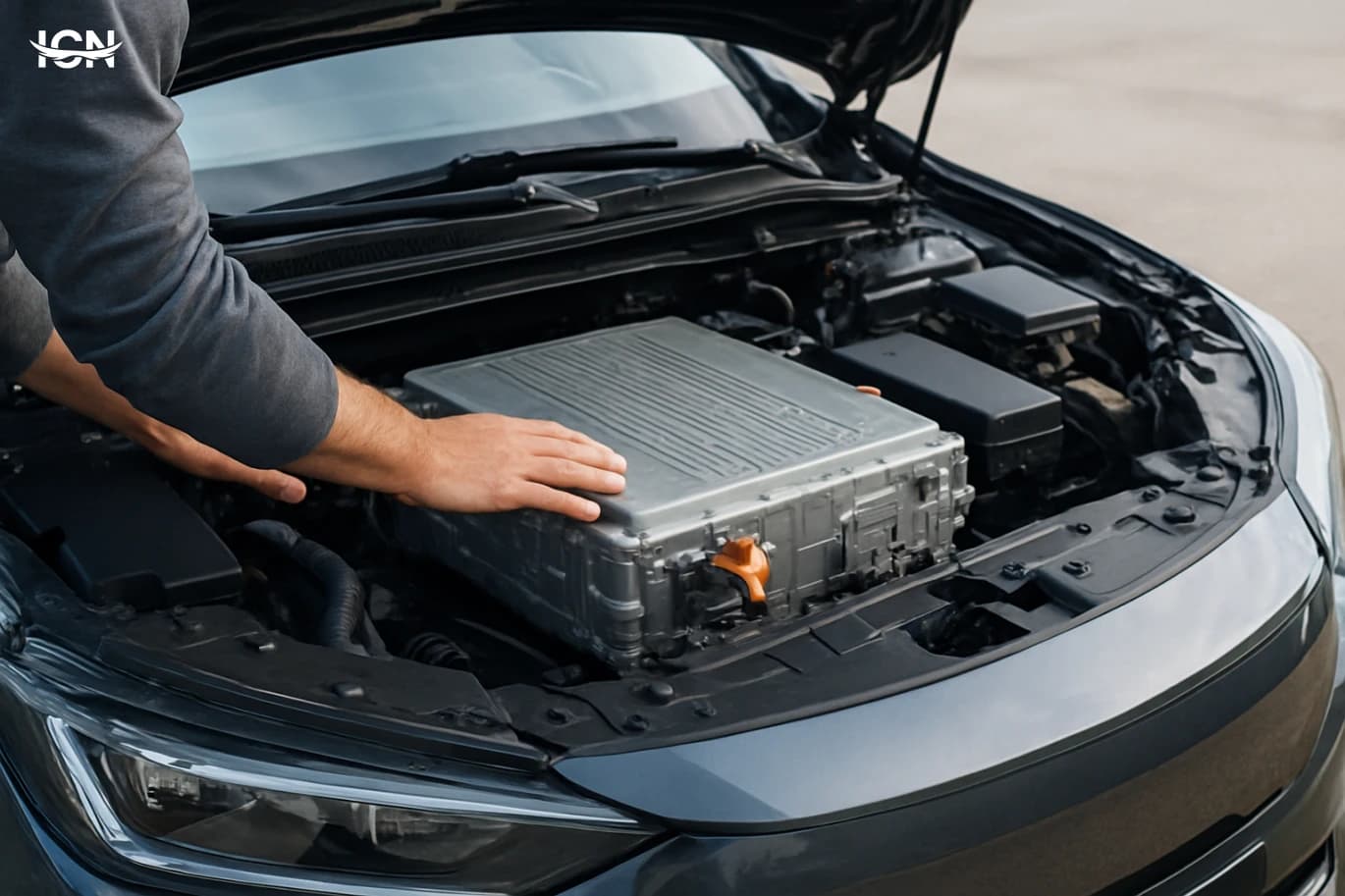
Battery health is the headline item, but it needs to be measured in practical ways. Start by asking for the car’s displayed range at 100% and at a typical daily charge level (often 70–90%). Compare that to real-world owner reports for the same model and year, not the optimistic numbers from early marketing. If the seller can provide a battery health report from the manufacturer app or a service center, that is ideal. Some brands show state of health directly; others require a diagnostic scan. A thorough test drive should include a cold start (if possible), normal acceleration, and a short highway segment. Watch for sudden range drops, warning messages, or unusual fan noise that could indicate thermal management issues. Check charging behavior too: if you can, plug into a fast charger and observe whether the car ramps up to a reasonable power level and then tapers normally. A car that charges unusually slowly may have a battery that is protecting itself, a software limitation, or a hardware fault. Also ask about the car’s life: Was it mainly home-charged? Was it used for ride-hailing or delivery? Did it spend long periods parked at 100% charge? These habits can influence degradation. None of this automatically disqualifies a car, but it should influence price and your expectations for range.
Charging compatibility and daily routine
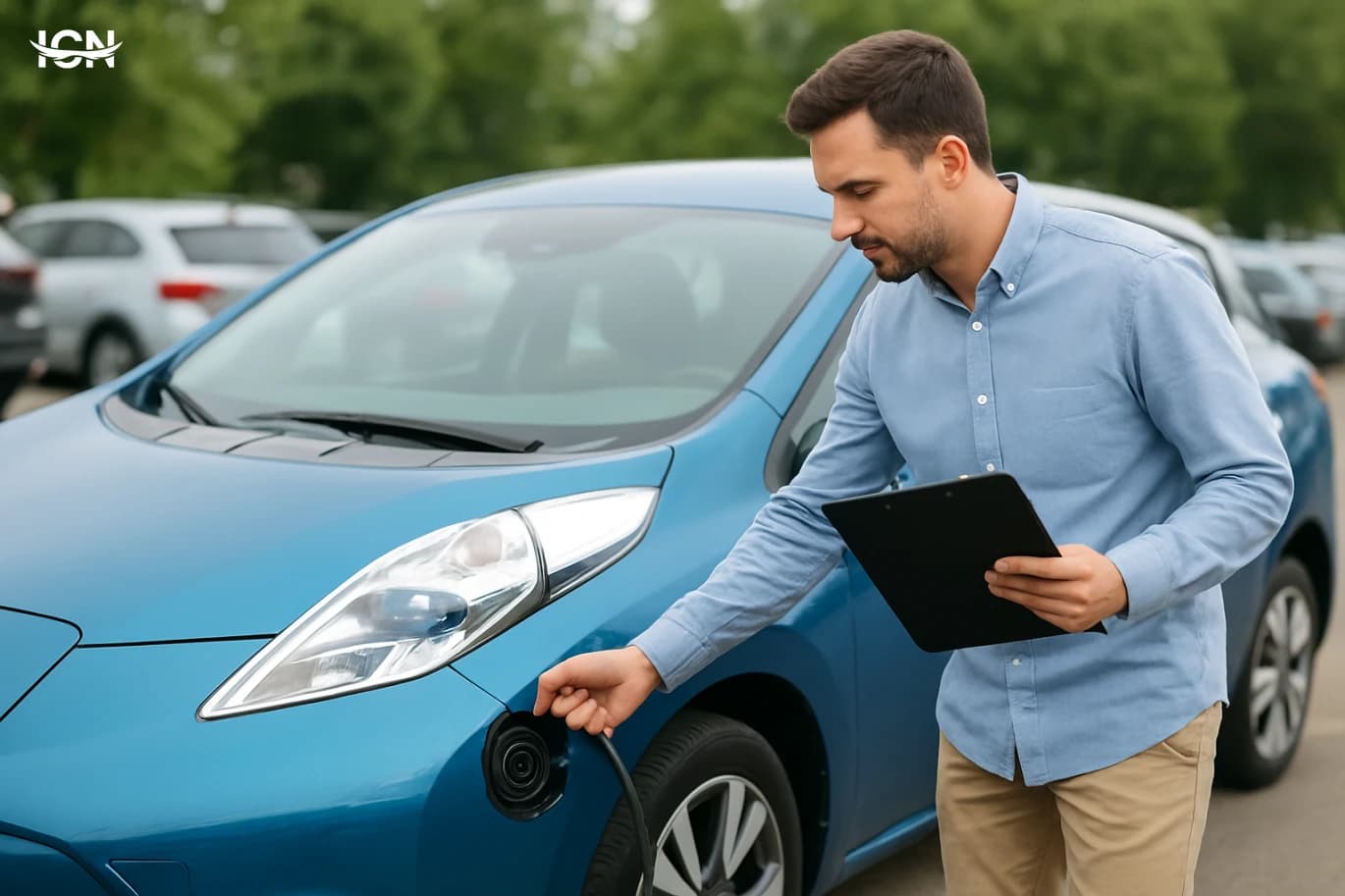
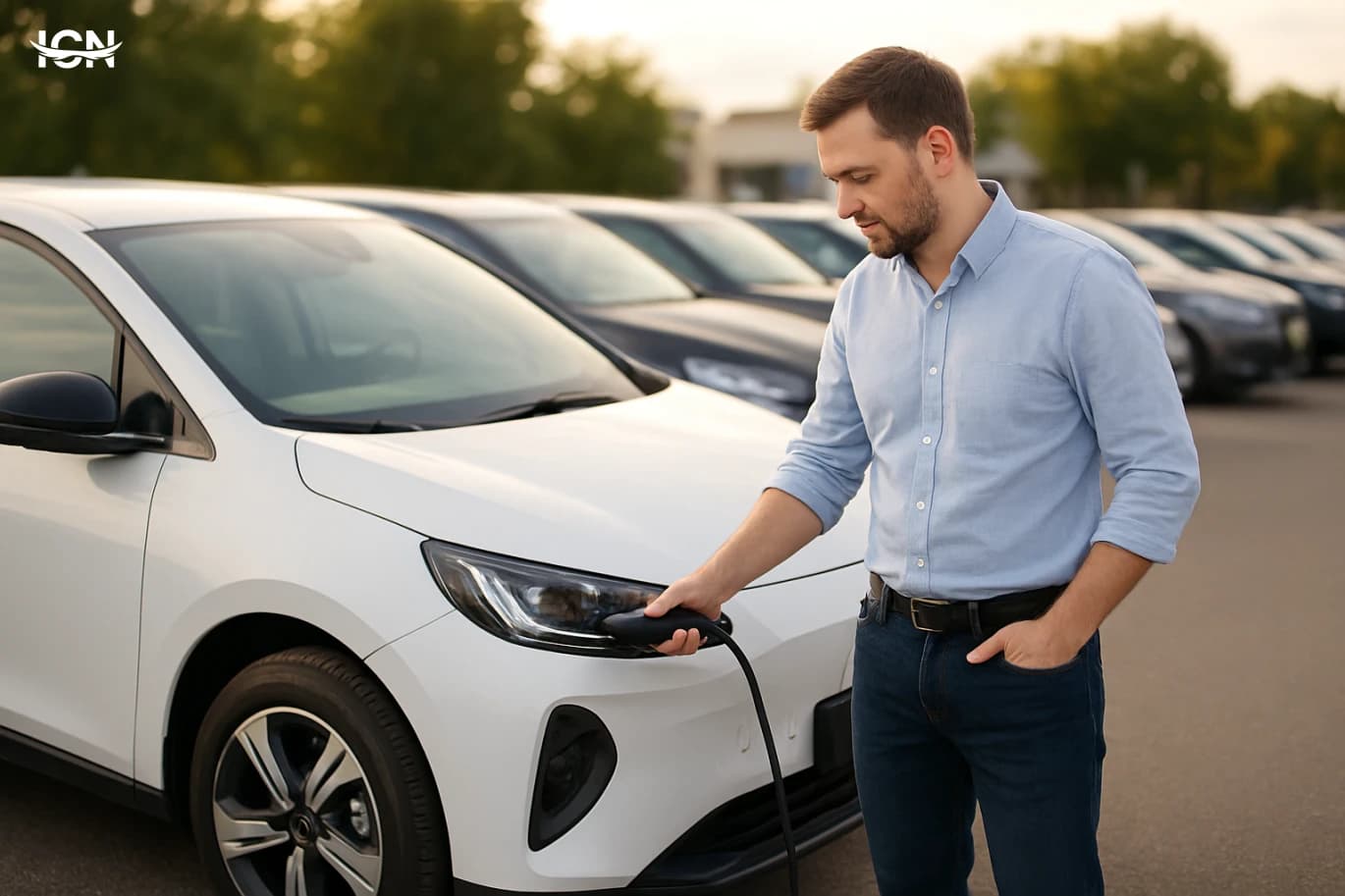
A used EV can be a great deal and still be the wrong fit if charging is inconvenient. Confirm the connector type and whether the car supports the fast-charging standard common in your area. In some markets, adapters are available; in others, they are expensive or limited. Ask whether the car includes the original portable charger, any wall-box equipment, and the correct cables. Replacing missing charging accessories can add unexpected cost. Think in terms of routine. If you can charge at home overnight, a modest-range EV may be more than enough. If you rely on public charging, you will care more about charging speed, station reliability, and pricing. Check the car’s maximum DC fast-charging rate and, more importantly, how it performs in real life. Some models advertise a peak number but only hold it briefly. Look up typical “10–80%” times from independent tests. Also consider cold and hot weather. Range and charging speed can drop in winter, and frequent high-heat fast charging can increase wear. If your region has extreme temperatures, prioritize models with effective battery thermal management and a good track record in similar climates.
Software, warranties, and service records
Modern EVs are software-heavy, and that changes what “maintenance history” means. Ask whether the car receives over-the-air updates and whether the seller has kept it current. Updates can improve charging curves, fix battery management bugs, and add features. Also confirm that key functions work properly: navigation, driver-assistance sensors, cameras, and the mobile app connection. A car with persistent software errors can be frustrating even if the battery is fine. Warranty coverage is another major factor. Many EVs have separate warranties for the battery and drive unit, often longer than the basic vehicle warranty. Verify the remaining term, mileage limits, and whether coverage transfers to a new owner. Ask the seller for documentation of any battery or motor replacements, recall work, or major repairs. A complete service record from a dealer or reputable shop helps you understand what has been addressed and what might be coming next. Finally, check parts and service availability in your area. Some brands have limited service networks, which can mean longer wait times for repairs. Even routine items like tires and brake service are easy, but specialized high-voltage work requires trained technicians and proper equipment.
Pricing, negotiation, and hidden costs
Used EV prices can look attractive, but smart buyers calculate total ownership cost. Start with the obvious: purchase price, registration, and insurance. Then add the EV-specific items: home charger installation, potential adapter purchases, and the cost of replacing 12-volt auxiliary batteries, tires, or cabin filters. Electricity is usually cheaper than fuel, but time-of-use rates can change the math. If your utility offers off-peak pricing, charging overnight can significantly reduce monthly costs. For negotiation, use battery health and charging performance as concrete points. If the car’s real-world range is meaningfully below typical results for that model, that is a valid reason to ask for a discount. Missing charging equipment, outdated tires, or a due service campaign are also legitimate negotiation items. Avoid vague arguments about “EVs depreciate”; focus on measurable facts. It is also worth checking whether the model qualifies for any local incentives for used EVs, and whether those incentives require buying from a dealer or meeting specific eligibility rules. Incentives can change quickly, so verify current requirements before you commit.
Final checklist before you buy
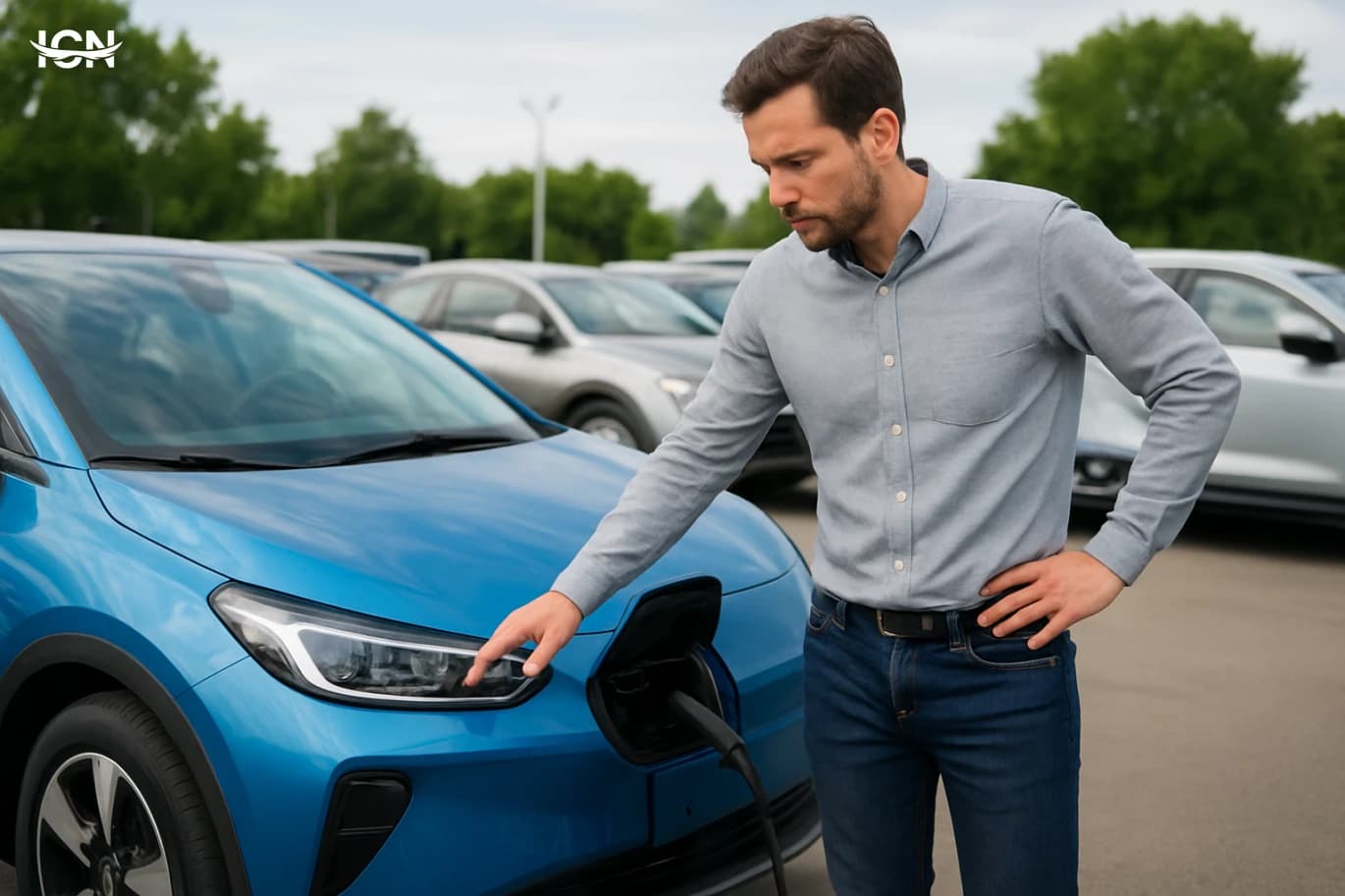
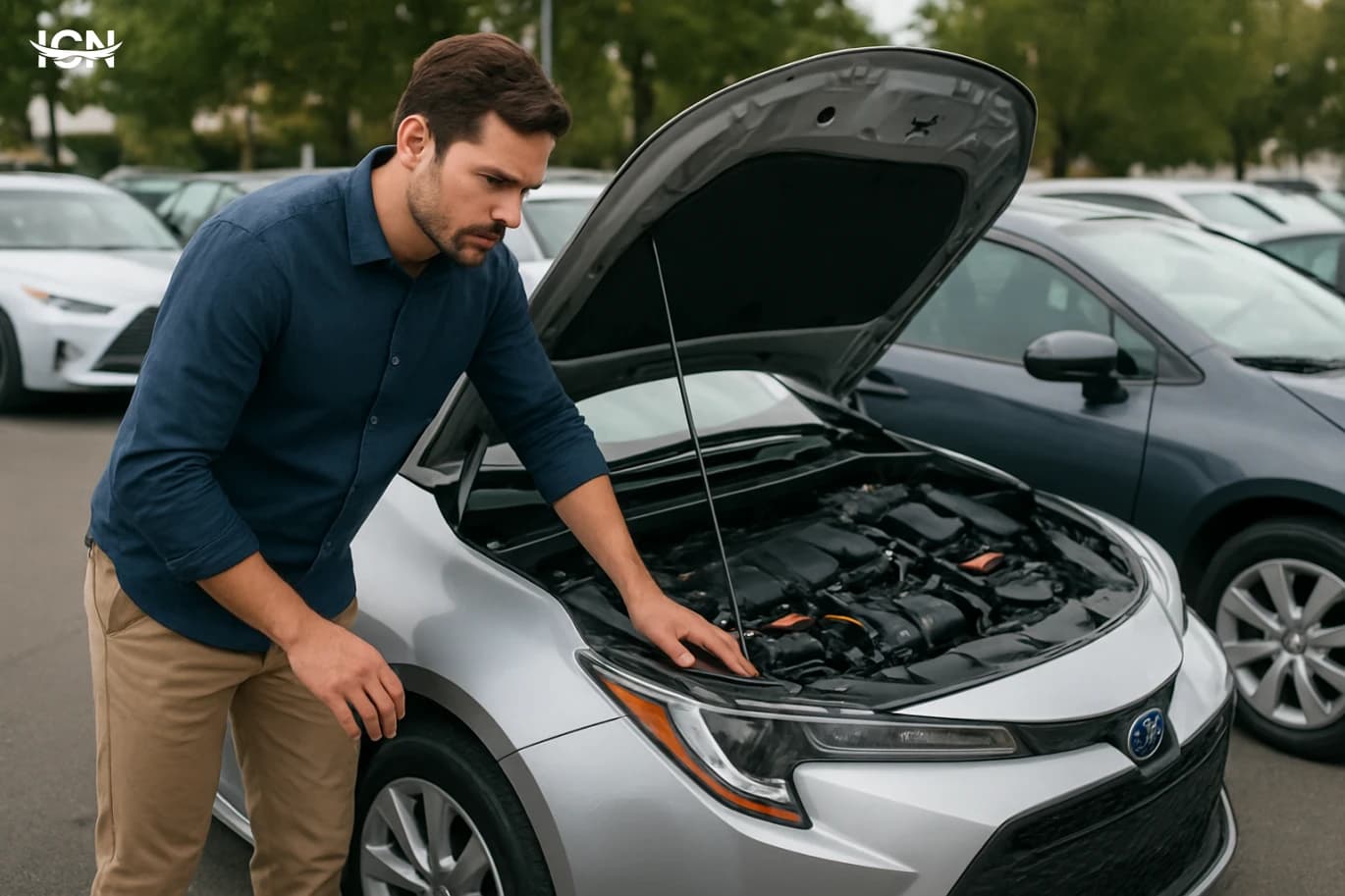
Before signing anything, run a structured checklist. Confirm the VIN history, accident disclosures, and whether any recalls are open. Inspect the charging port for damage, check that the car locks and unlocks reliably, and verify that all keys or key cards are included. On the road, listen for suspension noises and confirm that regenerative braking feels smooth and consistent. If possible, arrange a pre-purchase inspection with a shop experienced in EVs. Ask them to check high-voltage system fault codes, coolant condition for battery thermal systems (where applicable), brake condition, and underbody damage. Also confirm that the car’s fast-charging function is enabled and not restricted by an unpaid account issue or a software lock. Finally, match the car to your life. A used EV is a strong choice when the range fits your routine, charging is predictable, and the battery health is documented. When those pieces are in place, you can buy with confidence and avoid the most common regrets.