Buying a Used EV Without Regrets

- Why used EVs are suddenly tempting
- Battery health checks that actually matter
- Range, climate, and your daily charging plan
- Software, recalls, and hidden ownership costs
- Test drive checklist and deal breakers
- Negotiation tips and the safest way to buy
Why used EVs are suddenly tempting
Used electric vehicles have moved from niche to mainstream because prices have softened while charging networks and model choices have expanded. In many markets, three- to five-year-old EVs now cost closer to comparable gasoline cars, yet still offer lower running costs through cheaper energy and fewer routine service items. At the same time, buyers are more comfortable with EV basics like home charging, public fast charging, and regenerative braking, so the learning curve feels smaller than it did a few years ago. The catch is that the used EV market is less forgiving of vague information than the used gasoline market. Battery health, charging history, software updates, and warranty transfer rules can change the value of the same model dramatically. A clean body and a quiet test drive are not enough. A smart purchase is about verifying the battery and understanding how the car will fit your daily charging reality, not just your commute distance on paper.
Battery health checks that actually matter
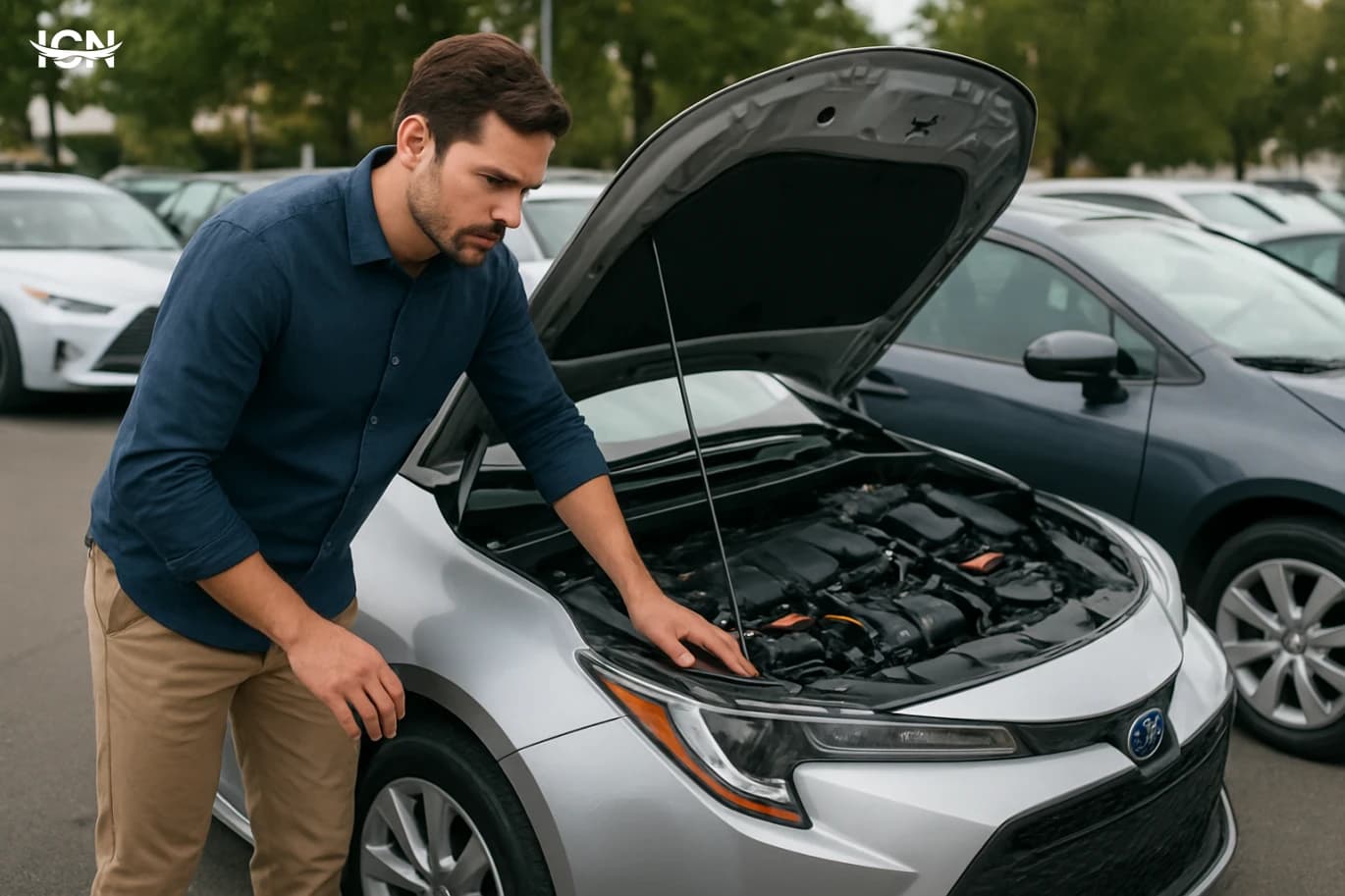
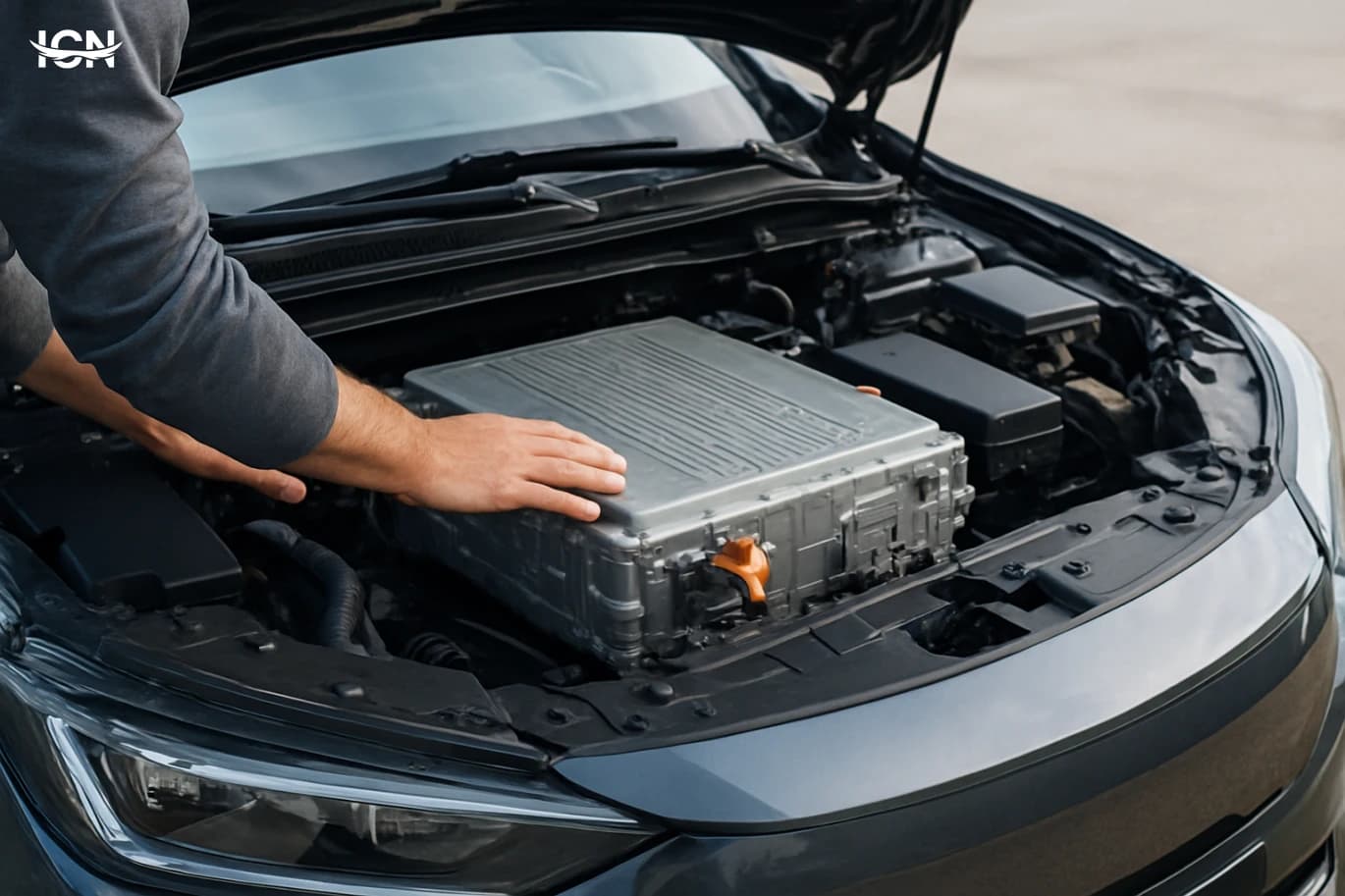
Start with the battery warranty status and what it covers. Many brands offer 8 years or a mileage cap for the battery pack, often tied to a minimum capacity threshold. Confirm the in-service date, not just the model year, because warranty time starts when the car was first registered. Ask whether the warranty is transferable and whether any conditions apply, such as required annual inspections at authorized service centers. Next, request a battery health report. Some manufacturers provide an official state-of-health (SoH) reading through their diagnostic tools; independent EV specialists can also pull data via OBD readers on many models. You are looking for a clear percentage estimate, error codes, and any history of cell imbalance. A single number is not the whole story, so pair it with real-world checks: compare the displayed range at 100% charge to typical figures for that model in similar temperatures, and watch how quickly the percentage drops during a mixed drive. Charging behavior matters. Frequent DC fast charging is not automatically bad, but heavy reliance on fast charging in hot climates can accelerate degradation on some packs. Ask the owner about typical charging routines: home AC charging overnight, workplace charging, or mostly public fast chargers. Also check whether the car supports battery preconditioning and whether it was used, because that can reduce stress during fast charging. Finally, inspect for signs of prior battery or high-voltage repairs and confirm that any work was done by qualified technicians with documented invoices.
Range, climate, and your daily charging plan
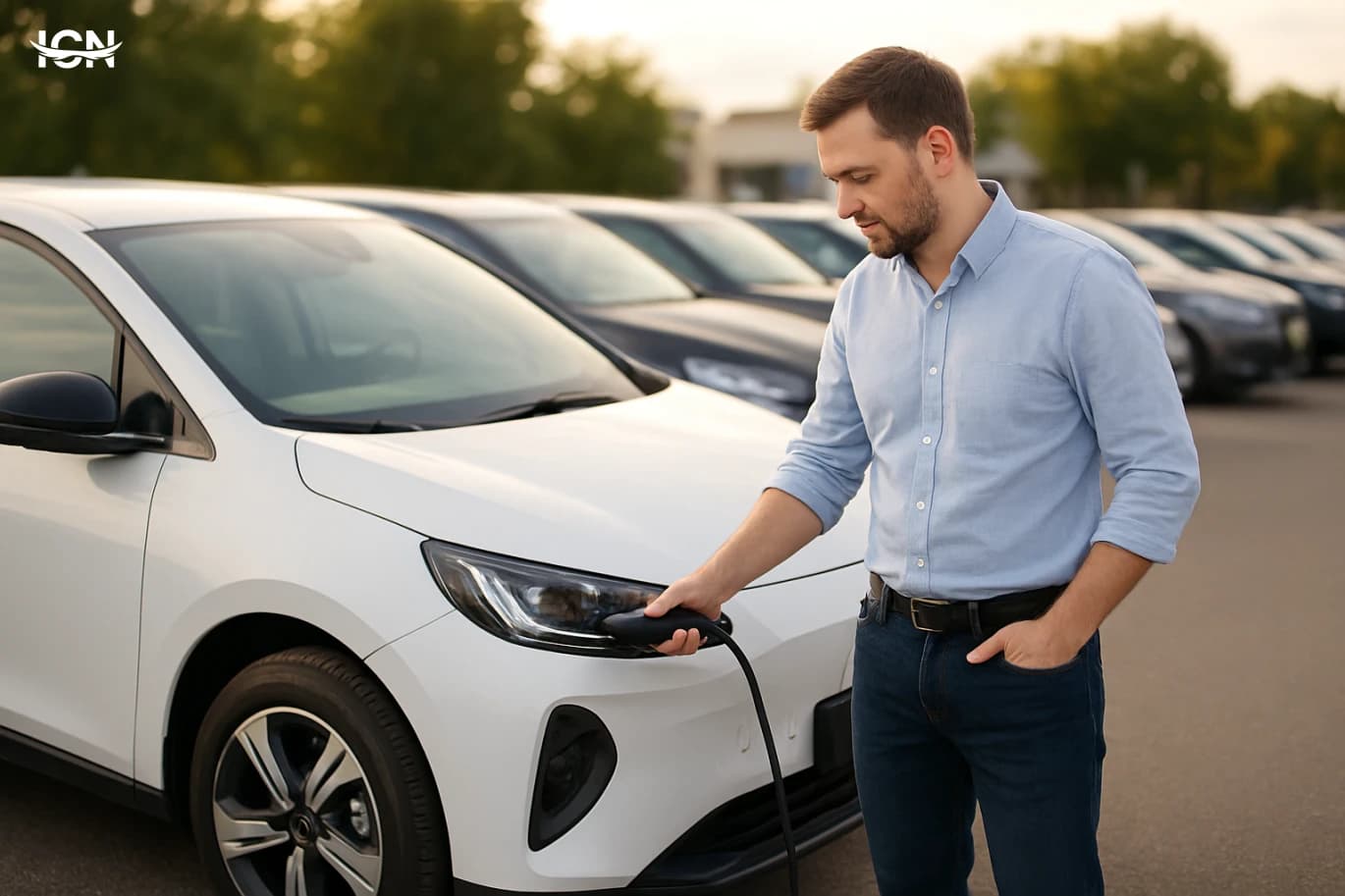
A used EV should be evaluated against your routine, not the brochure range. Temperature is a major variable: cold weather reduces range through battery chemistry and cabin heating, while extreme heat can trigger thermal management that also consumes energy. If you live in a region with long summers, prioritize models with effective battery cooling and efficient air conditioning. If winters are harsh, look for a heat pump and heated seats, which can reduce reliance on energy-hungry cabin heating. Build a charging plan before you buy. Home charging is the simplest and usually the cheapest, but it depends on your parking situation and electrical capacity. Verify whether you can install a dedicated wallbox, what amperage is available, and whether your building allows it. If you rely on public charging, map the stations you will actually use: near home, near work, and on your common routes. Check connector compatibility, typical queue times, and pricing, because some networks charge by time or apply high peak rates. Also pay attention to charging speed limits. Two used EVs with similar range can feel completely different on road trips if one peaks at 50 kW and the other at 150 kW. Ask for the car’s maximum DC charging rate, its typical charging curve, and whether it supports navigation-based battery preconditioning. For many buyers, predictable charging is more valuable than a slightly higher range number.
Software, recalls, and hidden ownership costs
Modern EVs are software-heavy, and that affects used buyers. Confirm whether the car receives over-the-air updates and whether any features are tied to subscriptions. Some brands lock advanced driver assistance, navigation services, or performance modes behind monthly fees or require the account to be transferred properly. Ask the seller to show the vehicle’s software version, update history, and whether the car is still linked to their app account. Check recall history and service campaigns using the VIN through official channels. EV recalls can involve high-voltage components, charging systems, or battery management software. Even if the fix is free, delays or parts availability can affect your ownership experience. Also verify that the car has the correct charging cables, tire repair kit or spare solution, and any adapters that are expensive to replace. Insurance and tires are common surprises. Some EVs have higher insurance premiums due to repair costs and parts pricing. Tires can wear faster because of vehicle weight and instant torque, and certain models require specific low-rolling-resistance tires that cost more. Finally, confirm the condition of the 12V battery; a weak 12V battery can cause confusing errors and is a frequent replacement item on older EVs.
Test drive checklist and deal breakers
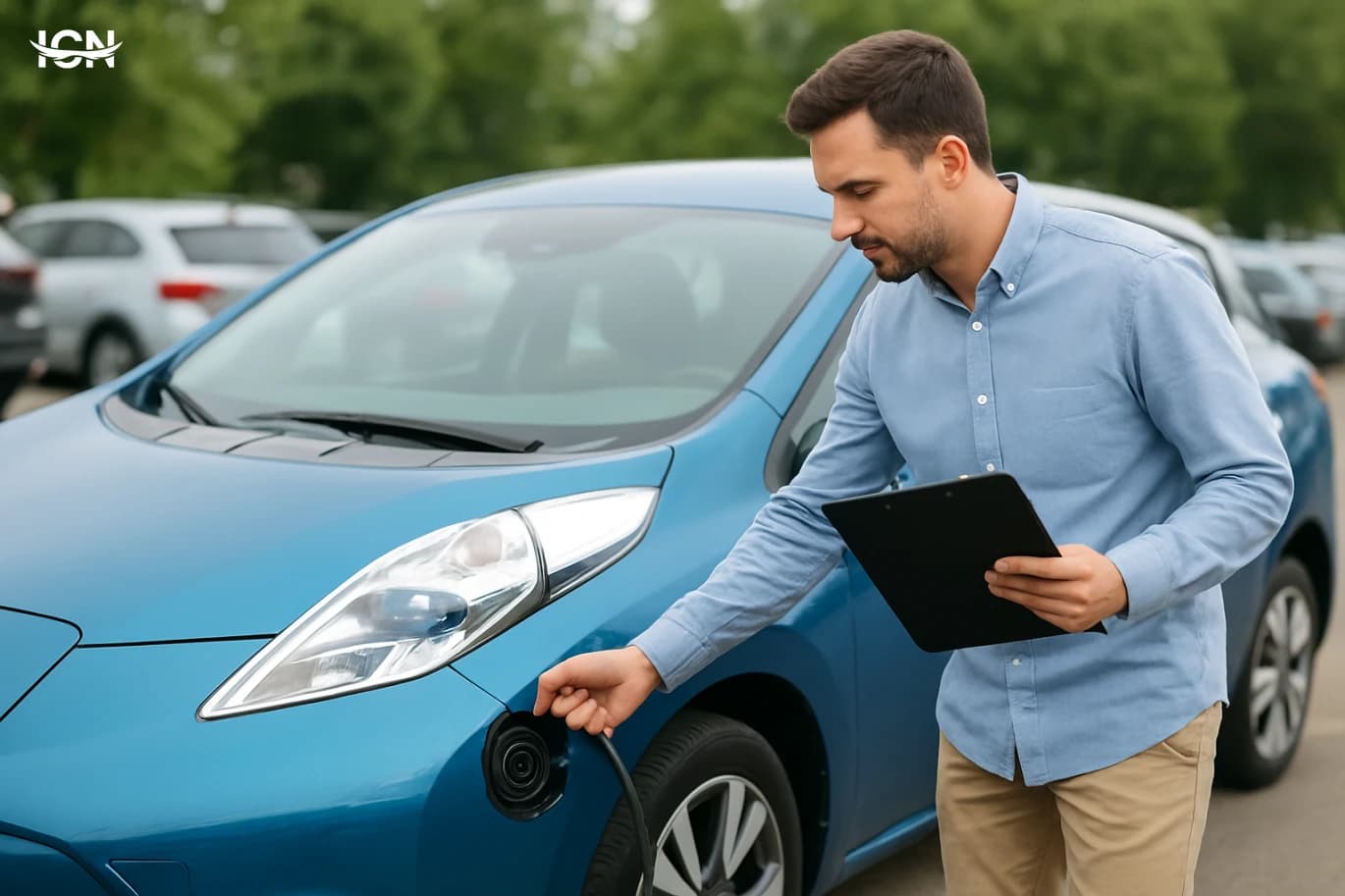
A proper EV test drive should include city traffic, a short highway stretch, and at least one full stop-and-go sequence to feel regenerative braking behavior. Listen for unusual drivetrain noises, clunks from the suspension, and vibration under acceleration. Check that the car tracks straight and that steering assistance feels consistent. EVs are quiet, so small rattles and wind noise can be more noticeable; they can also hint at prior body repairs. Verify charging in real conditions if possible. Even a brief session at a public charger can confirm that the port locks correctly, the car communicates with the charger, and the charging rate is within expectations for the battery level and temperature. Inside the cabin, test the air conditioning at maximum load, because weak cooling can signal expensive issues in hot climates. Confirm that all driver assistance features work without persistent warnings. Deal breakers include warning lights related to the high-voltage system, repeated charging errors, evidence of flood damage, missing documentation for major repairs, and a seller who refuses a battery health check. Another red flag is a car that cannot be unlinked from the previous owner’s account, which can limit app access and, in some ecosystems, even restrict certain functions. If any of these appear, walk away; there are enough used EVs on the market that patience usually pays.
Negotiation tips and the safest way to buy
Use verified data to negotiate, not general claims. If the battery health report shows lower-than-average capacity for the mileage, price that into the deal. If the tires are near replacement, get quotes and present them. If the car lacks a home charger cable, factor in the cost of a genuine replacement. Also compare the car’s trim level and options carefully; used EV listings often mix features across model years, and small differences can affect resale value. The safest purchase path is a pre-purchase inspection by an EV-capable shop or the brand’s service center, combined with a clear title check and a written bill of sale that includes battery warranty status. If you are buying from a private seller, insist on meeting where you can verify identity and complete payment securely. For dealer purchases, ask for a written statement on warranty transfer, software feature access, and any reconditioning performed. Finally, plan your first week of ownership. Set up home charging or confirm your public charging accounts, update the car’s software, and learn the recommended charging limits for daily use. A used EV can be a cost-effective, reliable vehicle, but only when the purchase is treated as a verification exercise rather than a leap of faith.