Buying a Used Electric Car Without Regrets
- Why used EVs are suddenly tempting
- Battery health checks that actually matter
- Charging compatibility and daily convenience
- Hidden costs beyond the sticker price
- Model-year pitfalls and what to research
- A practical inspection and negotiation plan
Why used EVs are suddenly tempting
Used electric cars have moved from niche listings to mainstream inventory in many markets, largely because early adopters are trading in first-generation models and fleets are rotating vehicles on fixed schedules. That shift has created more choice and, in some cases, sharper pricing than comparable gasoline cars with similar performance. Buyers are also noticing lower routine maintenance: no oil changes, fewer moving parts, and less brake wear thanks to regenerative braking. The temptation comes with a catch: EV value depends heavily on battery health, charging compatibility, and software support, not just mileage and cosmetics. Two cars with the same odometer reading can feel completely different if one has been fast-charged daily in hot weather and the other has lived on slower home charging. A smart used-EV purchase is less about finding the lowest price and more about verifying the factors that determine range, reliability, and long-term usability.
Battery health checks that actually matter
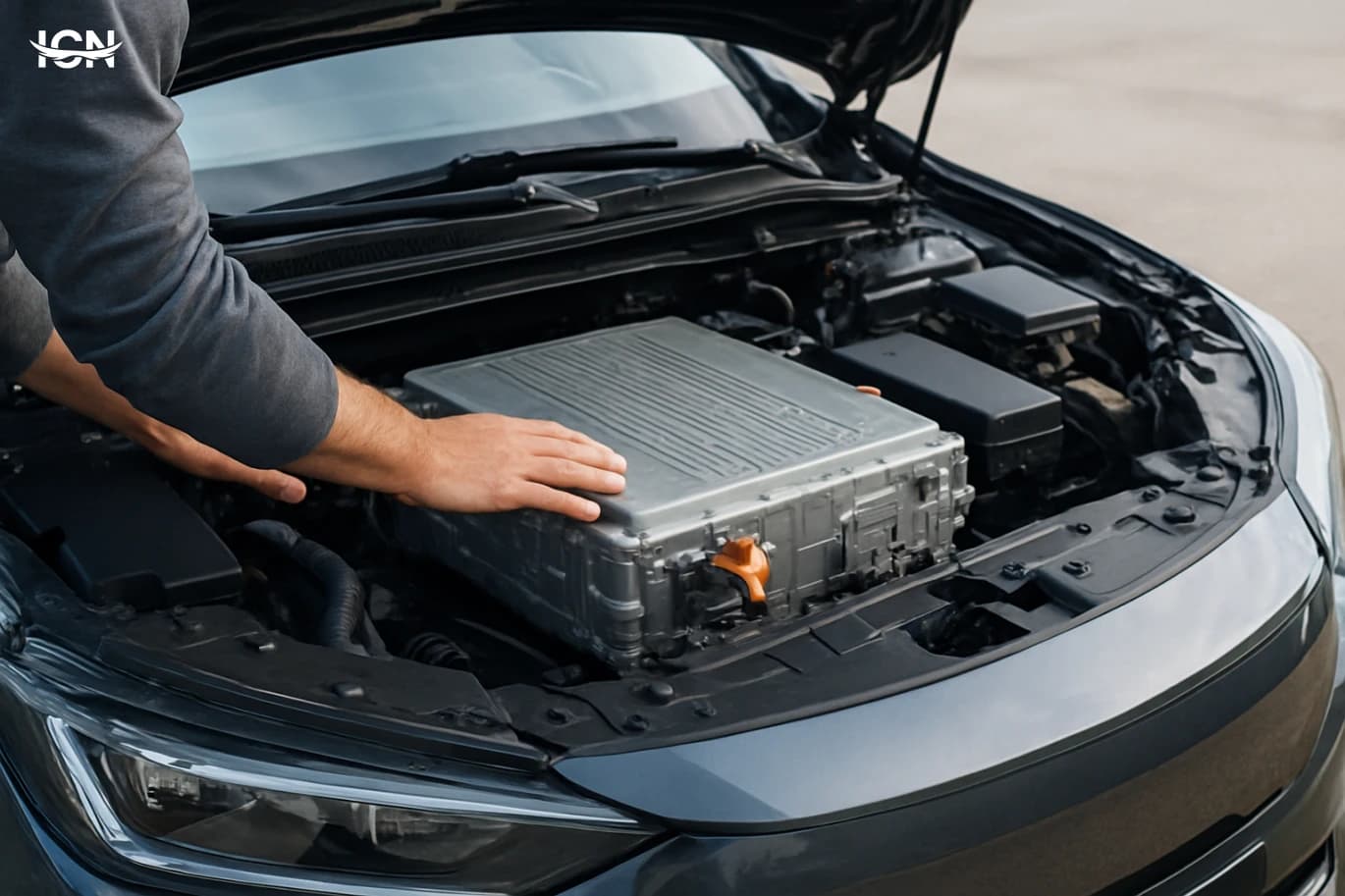
Start with the battery state of health (SoH) if the brand provides it in the vehicle menus or via an official diagnostic report. SoH is more useful than a simple “range estimate” on the dashboard, because range is influenced by recent driving style and temperature. Ask for a printout from a dealer service department or a reputable EV specialist showing capacity remaining and any stored fault codes. If the seller can’t provide it, budget for an independent inspection. During a test drive, look for consistency: charge the car to a known level, drive a mixed route, and compare energy consumption to typical figures for that model. Large deviations can indicate tire issues, alignment problems, or battery degradation. Also check charging behavior. A car that rapidly throttles charging power at moderate battery levels may have thermal management issues or a history of heavy fast charging. Finally, confirm whether the battery is covered by a remaining warranty and what triggers coverage, such as capacity dropping below a specific threshold.
Charging compatibility and daily convenience
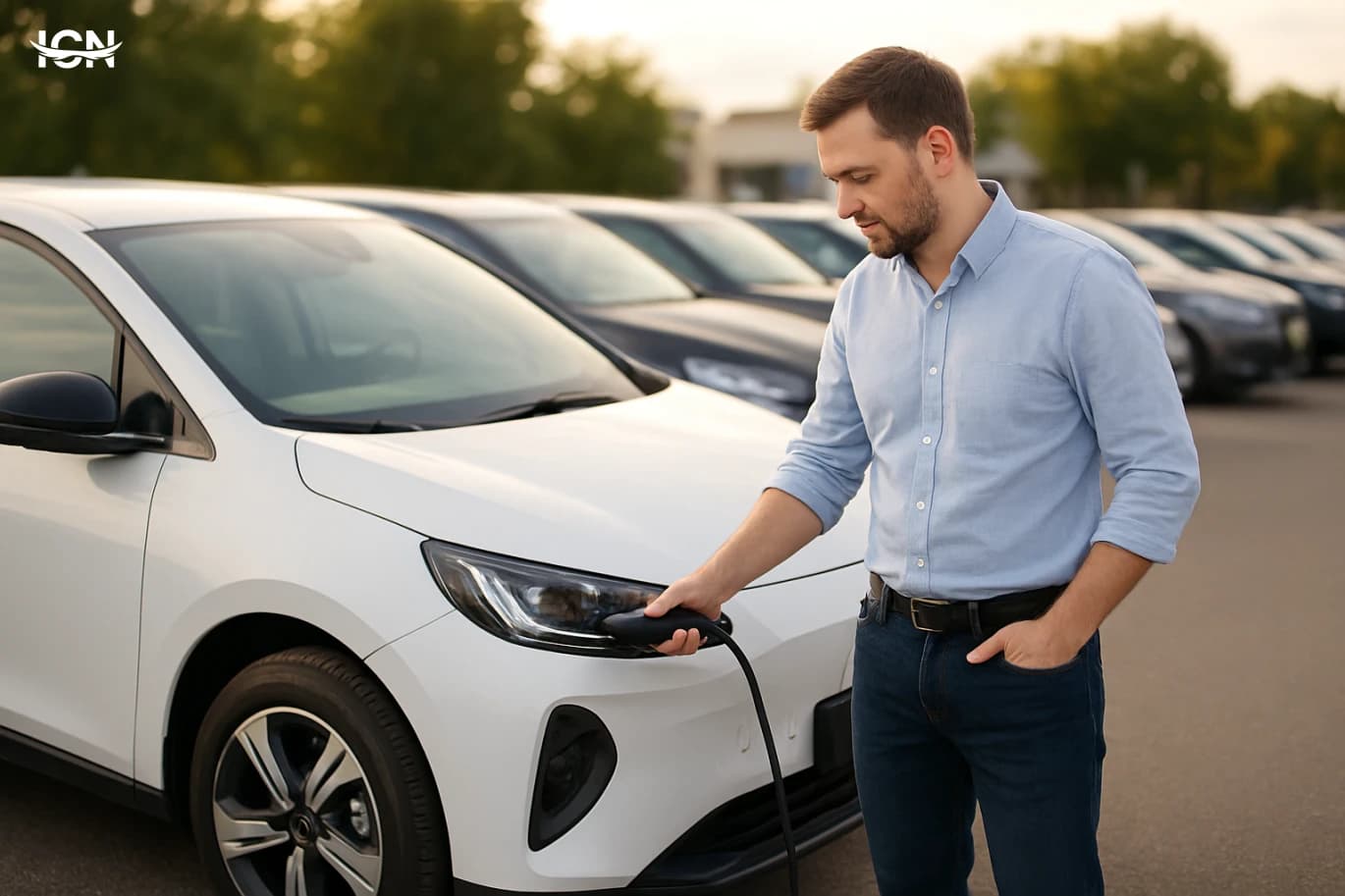
Before you fall in love with a specific used EV, map your charging reality. Identify whether you can install home charging, what power level your electrical panel supports, and how far you are from reliable public chargers. A used EV that relies on a connector standard with limited local coverage can turn into a daily inconvenience, even if the car itself is excellent. Check the car’s onboard charger rating, because it determines how quickly you can charge on AC at home or at workplace stations. Also verify fast-charging capability and whether it is standard or optional on that trim. Some older models have slower DC charging or limited peak rates that make road trips longer. If the car uses app-based charging activation, confirm the app account can be transferred and that the manufacturer still supports the model with server access and updates. Convenience is not a luxury in EV ownership; it is the difference between enjoying the car and constantly planning around it.
Hidden costs beyond the sticker price
Used EVs can be economical, but only if you account for the costs that show up after purchase. Tires are a common surprise: EVs are heavier and deliver instant torque, which can accelerate wear, and some models require specific low-rolling-resistance tires that cost more. Insurance pricing can vary widely depending on repair networks and parts availability, so get quotes using the exact VIN before committing. Also consider charging equipment and electricity rates. Installing a home charger may require wiring upgrades, permits, or a new breaker, and time-of-use pricing can change your monthly costs depending on when you charge. If the car is out of warranty, research the price and availability of key components such as the onboard charger, DC-DC converter, and thermal management parts. Finally, check whether the model has paid software features, subscription services, or driver-assistance options that may not transfer to a new owner. A low purchase price can be offset quickly if you discover missing features or expensive wear items.
Model-year pitfalls and what to research
Not all used EVs age the same. Some early model years suffered from limited thermal management, which can accelerate battery degradation in hot climates. Others had infotainment systems that feel outdated today or lack modern safety features. Research owner forums, recall databases, and technical service bulletins for the exact year and trim you’re considering, because improvements often arrive mid-generation. Pay attention to software update history. A model that received regular updates may have better efficiency, improved charging curves, and fewer bugs than the same car that was rarely connected. Check for recalls related to battery packs, charging ports, or high-voltage wiring, and confirm they were completed. If possible, verify that the car still receives security updates and that navigation and charging-station data are current. In the used market, the “right year” can matter more than the badge on the hood.
A practical inspection and negotiation plan
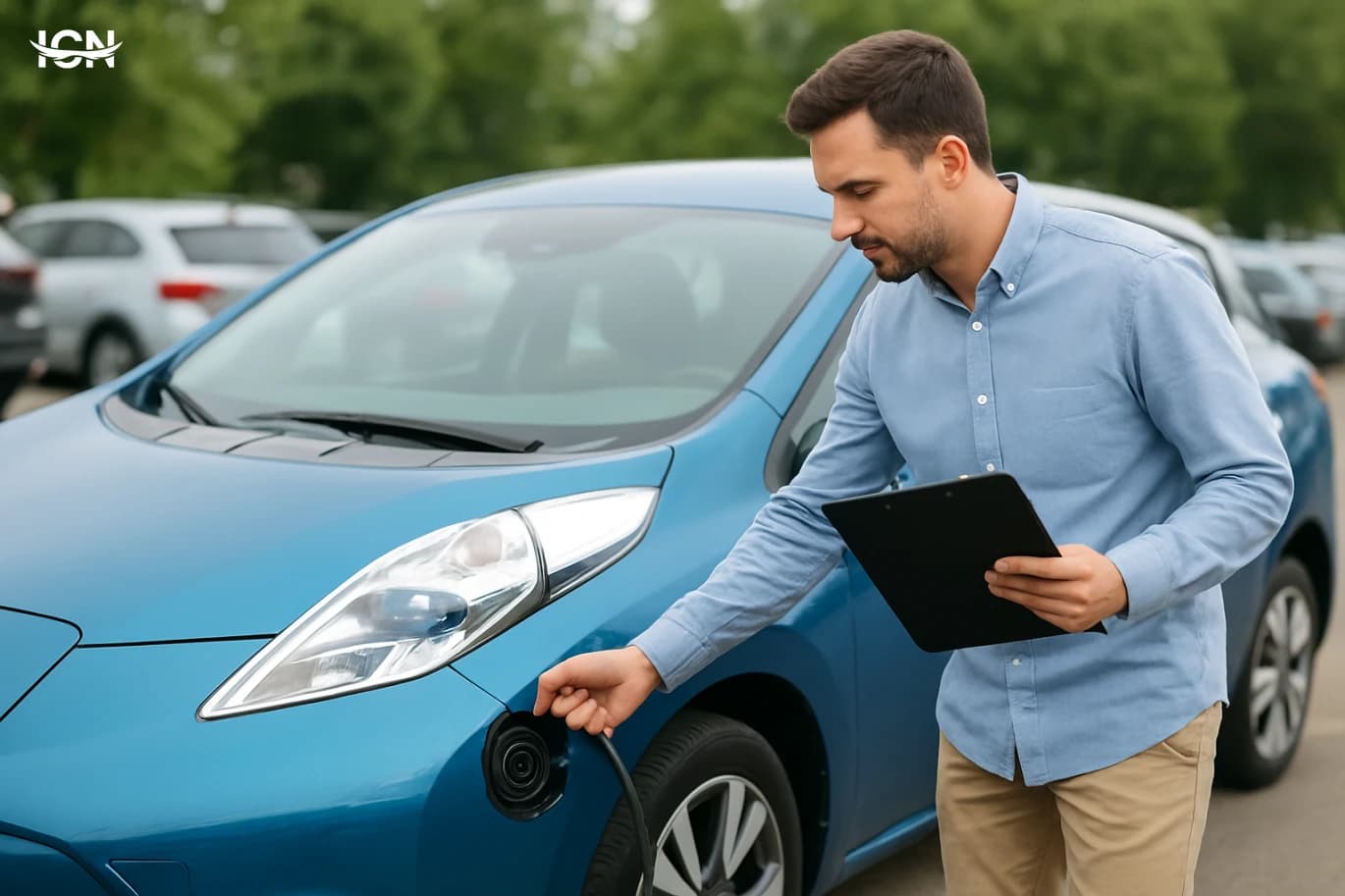
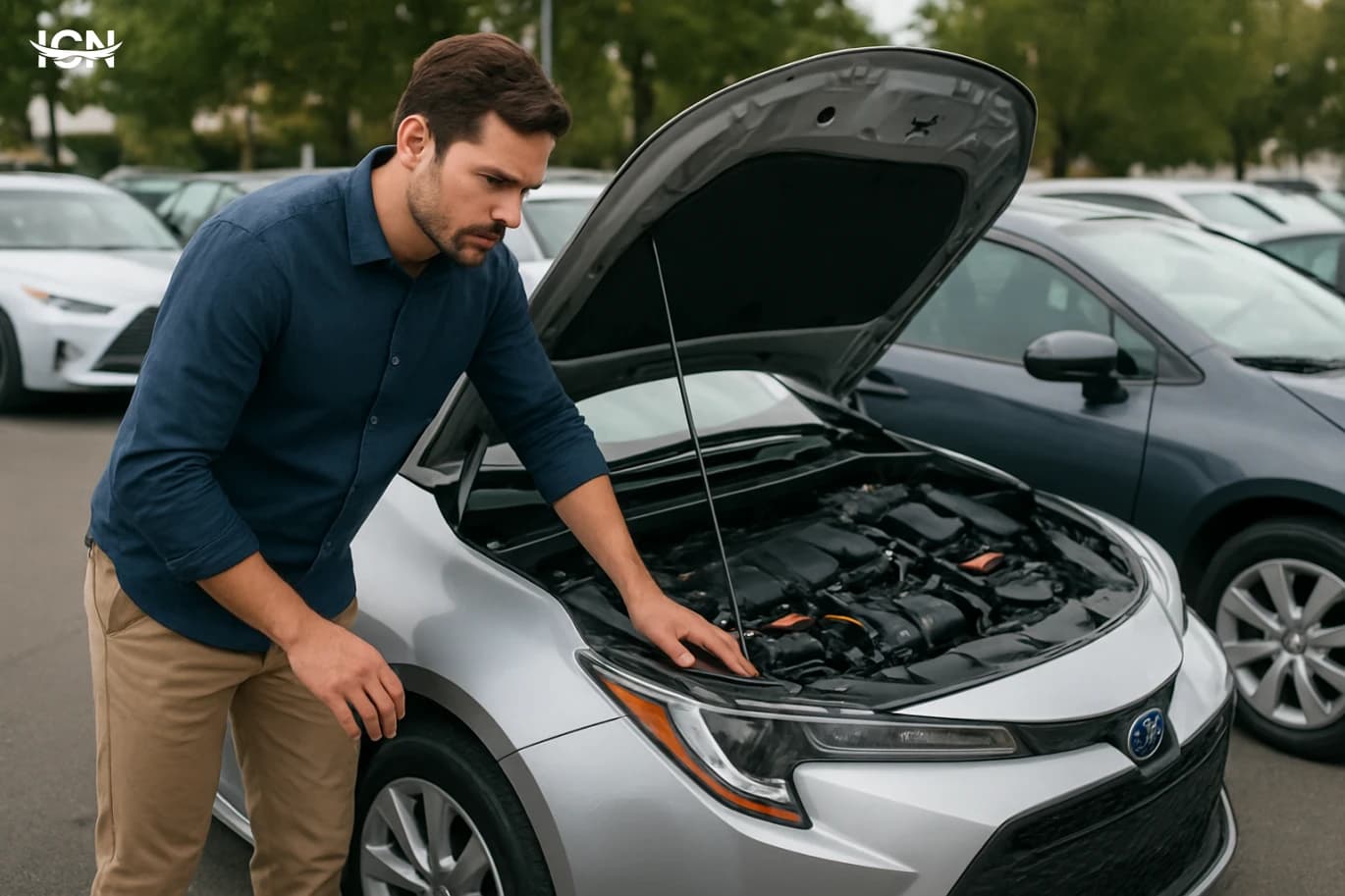
Treat a used EV purchase like a structured audit. Start with documentation: service records, recall completion, warranty status, and any battery or drivetrain repairs. Inspect the charging cable, port condition, and signs of corrosion or damage around the inlet. Look underneath for impacts to the battery tray, especially if the car has been driven on rough roads. Inside, test every function tied to software: driver-assistance, cameras, sensors, navigation, and climate control. For negotiation, use evidence rather than opinions. If the battery report shows reduced capacity, translate that into real-world range loss and compare prices of similar cars with healthier batteries. If the car lacks a fast-charging option or has an older connector standard, quantify the inconvenience by comparing local charger availability. Ask the seller to include a fresh inspection report or to complete any outstanding recall work before sale. A fair deal is one where you can explain, in numbers, why the price matches the car’s remaining range, warranty coverage, and charging practicality.