App Logo

Download Our App

Shop your way

logologo
Image

Benefits of sweet potatoes

10/21/2025By: ICN
Benefits of sweet potatoes

Nutritional value of sweet potatoes

A. Vitamins and minerals in it: Sweet potatoes contain a rich group of vitamins and minerals. They are an excellent source of vitamin A, which promotes healthy vision, and vitamin C, which supports the immune system. It also contains potassium, which helps regulate blood pressure, in addition to iron and magnesium. for. Ratio of calories and carbohydrates: Sweet potatoes are a good nutritional choice, as they contain moderate calories. Every 100 grams of sweet potatoes contain about 86 calories, making them an ideal choice for people seeking to maintain a healthy weight. They also contain complex carbohydrates, which helps provide sustained energy.

Health benefits of sweet potatoes

A. Promoting digestive health: Sweet potatoes help improve digestive health thanks to their fiber content. Fiber promotes bowel movement, which prevents constipation and promotes proper digestion. for. Strengthening the immune system In addition, the antioxidant-rich ingredients in sweet potatoes contribute to strengthening the immune system. Vitamin A and Vitamin C play an important role in protecting the body from diseases and enhance the ability to fight infections.

Benefits of sweet potatoes for skin and hair

A. Improve skin elasticity and reduce wrinkles. Sweet potatoes contain antioxidants such as beta-carotene, which helps improve skin elasticity. This ingredient reduces the appearance of wrinkles and makes the skin look brighter and healthier. for. Strengthening hair follicles and preventing loss. The nutrients found in sweet potatoes, such as vitamin E and minerals, contribute to strengthening hair follicles. This helps in preventing hair loss and promoting scalp health. Thanks to these benefits, sweet potatoes are an excellent choice for maintaining beautiful skin and hair.

Benefits of sweet potatoes for diabetics

A. Regulating blood sugar levels Sweet potatoes are an ideal food for diabetics, as they contain a low glycemic index. Eating it helps regulate blood sugar levels, reducing high glucose levels after meals. for. Reducing insulin resistance Nutritional compounds in sweet potatoes, such as fiber and vitamins, contribute to improving the body's sensitivity to insulin. This helps in effectively reducing insulin resistance, which contributes to better diabetes management. By including it in the diet, it can bring great benefits to the health of diabetics.

Benefits of sweet potatoes for eyes

A. Improving vision thanks to antioxidants: Sweet potatoes contain antioxidants such as beta-carotene, which turns into vitamin A in the body. This vitamin is very important for eye health, as it helps improve vision at night and reduces the risk of eye diseases. for. Preventing macular degeneration The eyes benefit from the nutrients found in sweet potatoes, which promote retinal health and prevent age-related macular degeneration. Thanks to containing compounds that benefit the eyes, sweet potatoes can be a valuable addition to the diet to maintain healthy eyesight.


* All articles published on this blog are sourced from various websites and are provided for informational purposes only. They should not be considered as confirmed studies or accurate information. Please verify the information independently before relying on it.

Similar ARTICLES

Persimmon for Energy and Stomach Comfort
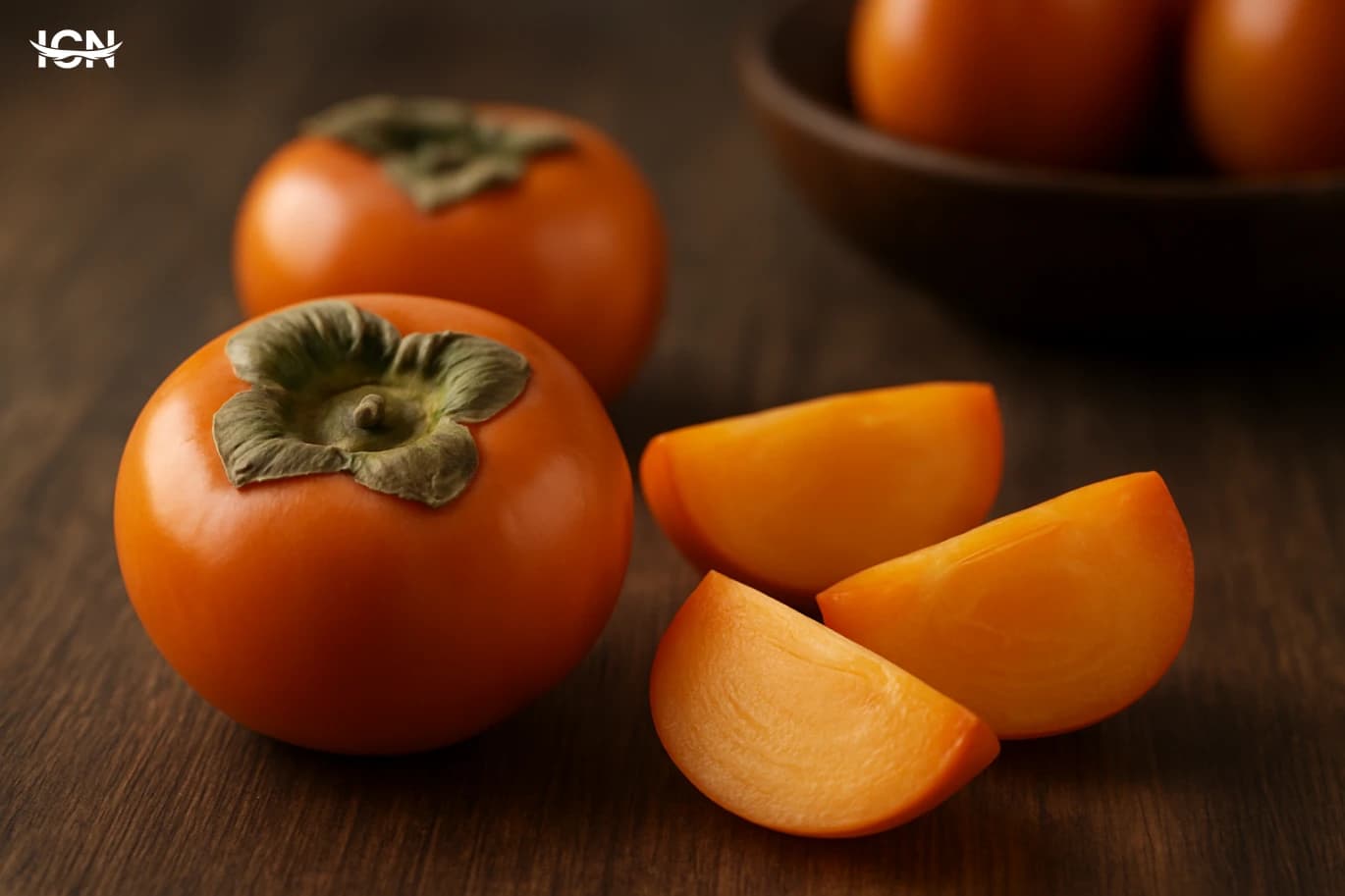
Persimmon, often called kaki, is a seasonal fruit that combines quick-to-use carbohydrates with water, minerals, and plant compounds that support daily vitality. People who describe “laziness” or low drive in the afternoon often face a mix of mild dehydration, irregular meals, and heavy snacks that spike and crash blood sugar. A medium persimmon can fit as a practical alternative: it is naturally sweet, easy to digest for many people, and typically more satisfying than candy or sweetened drinks. From a nutrition perspective, persimmon provides dietary fiber, vitamin C, and carotenoids, along with potassium and small amounts of magnesium. These elements do not act like stimulants; they support normal body functions that influence perceived energy, including fluid balance and muscle function. The fruit’s pleasant sweetness also makes it easier to replace ultra-processed snacks, which can leave people feeling sluggish after a short burst of energy. The “reset” effect many notice is often about timing and portion size. Eating persimmon as part of a balanced snack—paired with a handful of nuts or plain yogurt—can slow digestion slightly and help maintain steadier energy. This approach is especially useful on busy workdays when lunch is delayed or when coffee intake is already high and adding more caffeine would worsen jitters or sleep quality.
Whole Grain Bread Explained Clearly
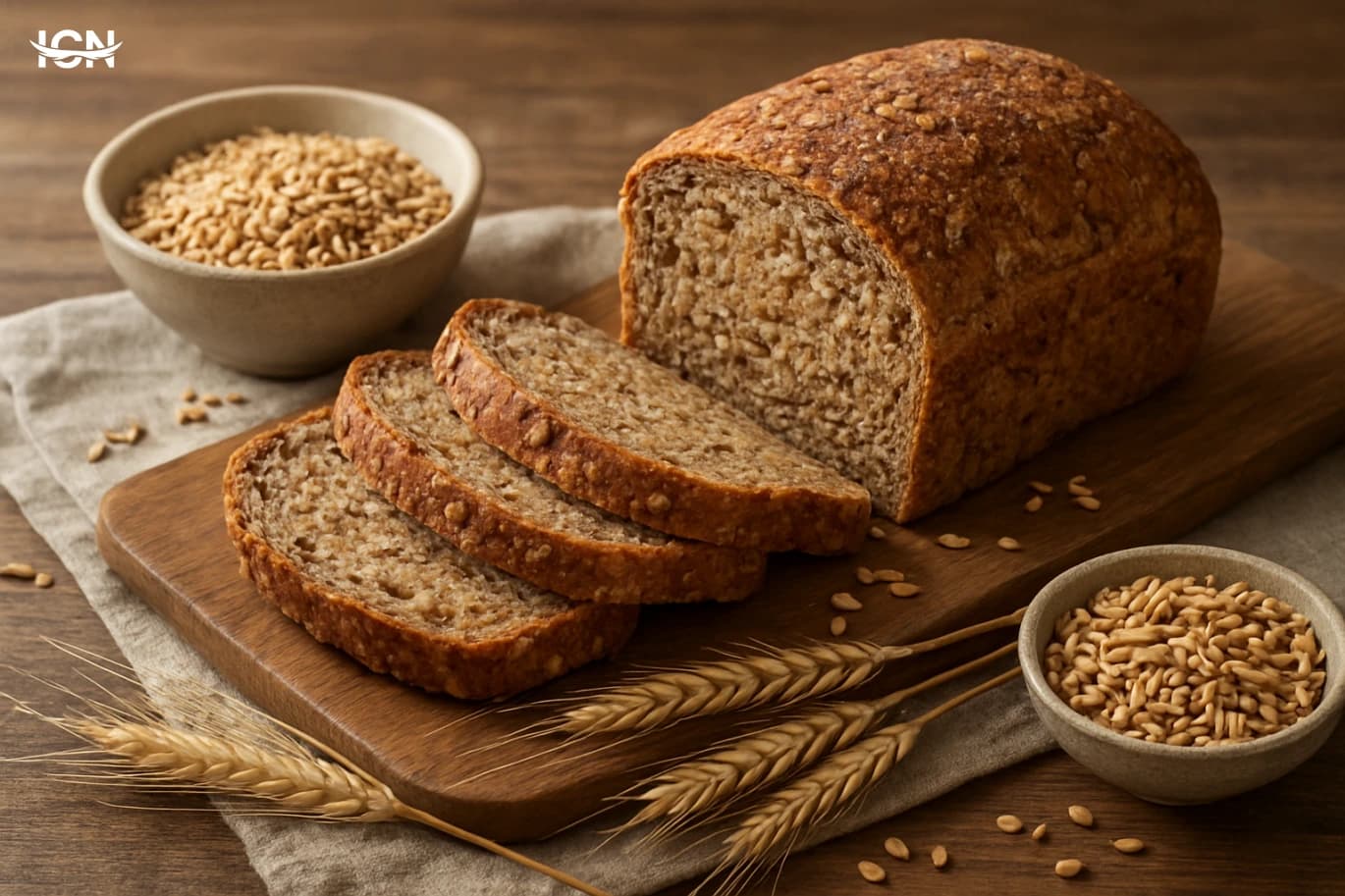
Whole grain bread is bread made with flour that keeps all parts of the grain kernel: the bran, germ, and endosperm. That matters because each part contributes different nutrients and fiber. In practical terms, a true whole grain loaf uses whole wheat, whole rye, whole oats, or other whole-grain flours as its main ingredient, not just a small addition for color or marketing. It is not the same as “brown bread” or “multigrain bread.” Brown bread can be colored with molasses or caramel and still be mostly refined flour. Multigrain simply means more than one grain is used; those grains can be refined. “Wheat bread” is also ambiguous in many markets, because refined wheat flour is still wheat. The reliable definition is about the grain being intact in the flour, not the shade of the crust or the number of seeds on top.
Cooling Summer Foods That Actually Help
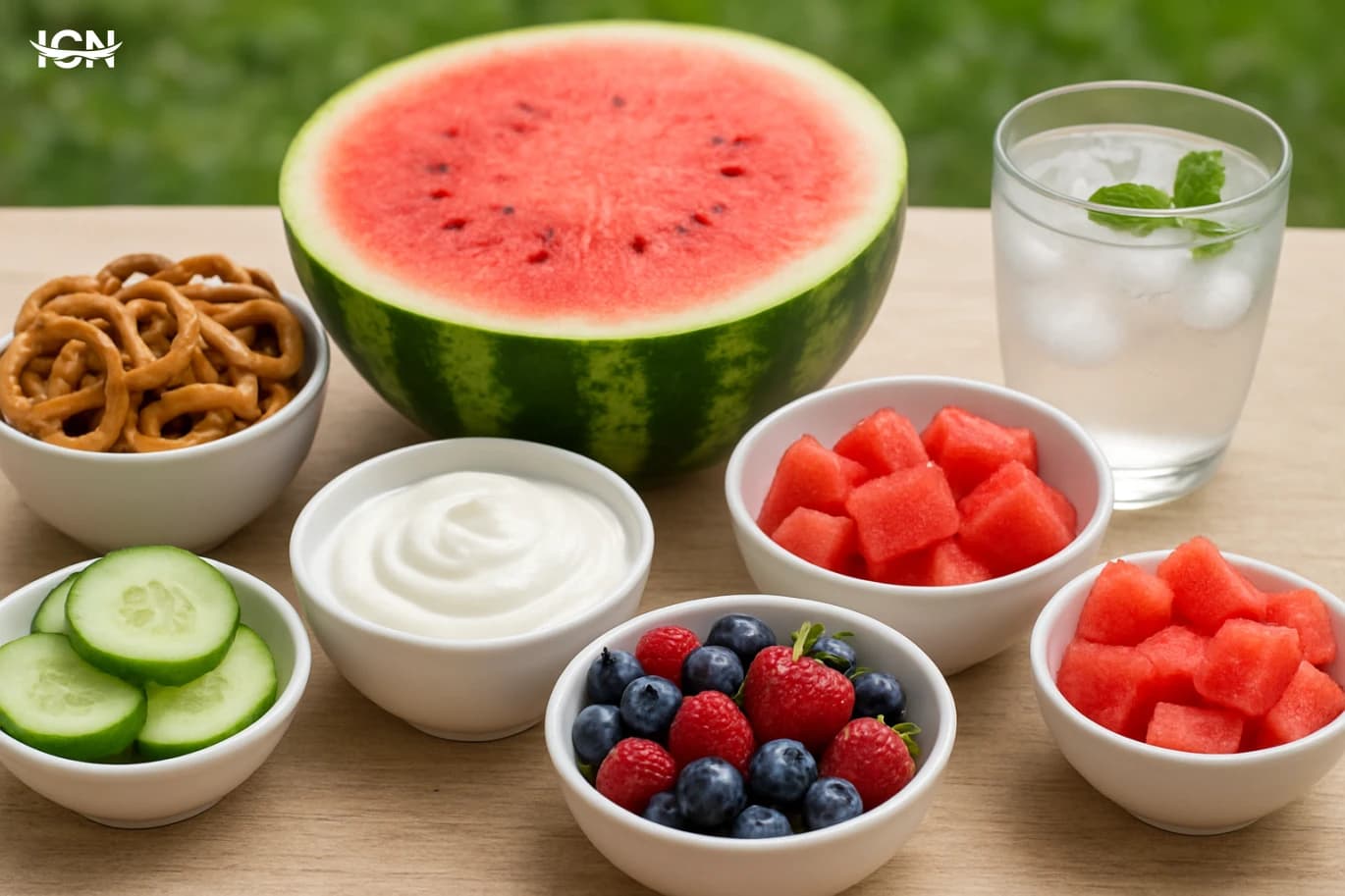
In hot weather, “cooling” is less about the food’s temperature and more about how it supports hydration, digestion, and heat release. Foods with high water content help replace fluids lost through sweat, while those rich in potassium and magnesium support normal muscle function and fluid balance. Light, easy-to-digest meals can also reduce the body’s internal heat load compared with heavy, fatty dishes that take longer to process. Another practical factor is how foods influence thirst: salty, spicy, and very sugary items can make you feel more dehydrated, while water-rich fruits and vegetables often make it easier to drink and eat enough during heat. This article focuses on seven refreshing foods that are widely available and simple to include in daily meals. The goal is not a “detox” or a strict plan, but a realistic summer approach: more water from food, more electrolytes from natural sources, and fewer ingredients that leave you feeling sluggish. For best results, pair these foods with regular water intake, and consider timing them around the hottest hours of the day when appetite is lower and hydration needs are higher.
Bread Mold and the Fungi Behind It
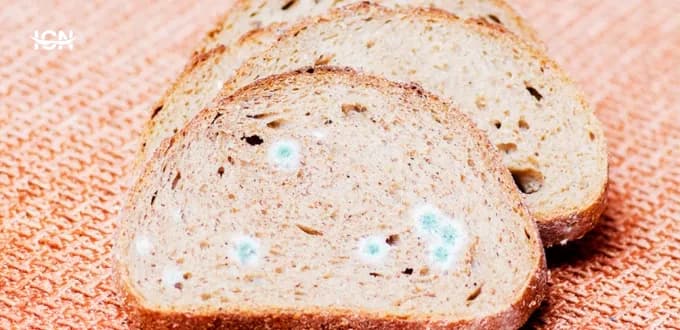
Bread mold is not “dirt” and it is not a simple sign of old food. It is the visible growth of fungi that feed on the nutrients in bread, especially starches and small amounts of sugars and proteins. In many homes the first clue is a small fuzzy spot that can look white, green, blue, or even black depending on the species and the stage of growth. Those colors come from dense clusters of spores and the structures that produce them. Fungi spread mainly through microscopic spores that float in indoor air and settle on surfaces. Bread is a convenient landing place because it is moist enough, rich in nutrients, and often stored at room temperature. Once spores find suitable conditions, they germinate and form thread-like filaments called hyphae. These filaments grow through the bread, breaking down complex molecules with enzymes and absorbing the resulting nutrients. What you see on the surface is only part of the organism; a larger network can extend below the visible spot.
Clove Home Fragrance for Cleaner Air
Clove is more than a strong, pleasant scent. Its aroma comes from natural compounds, most notably eugenol, which is widely studied for antimicrobial activity in laboratory settings. In practical home use, this means clove can help reduce the “stale” smell that builds up in closed rooms, kitchens, and entryways, while also supporting a cleaner-feeling environment. It does not replace cleaning, ventilation, or safe disinfectants, but it can be a useful layer in a routine focused on odor control. Many household odors are not just “bad smells”; they are volatile compounds released from cooking, damp fabrics, trash, pet areas, and poorly ventilated bathrooms. Clove’s warm, spicy profile can mask these odors, but the bigger advantage is that it pairs well with habits that actually remove odor sources: airing out rooms, drying wet textiles quickly, and cleaning drains and bins. When used thoughtfully, clove-based methods can make a home smell fresh without relying on heavy synthetic perfumes that may irritate sensitive noses. Clove is also accessible. Whole cloves store well, a small amount goes a long way, and the scent can be adjusted by changing the number of cloves, the heating time, or the placement. For families trying to reduce aerosol sprays or strongly perfumed products, clove offers a simple, low-cost alternative that can be prepared in minutes and refreshed as needed.
Keep Cheese Fresh in the Fridge
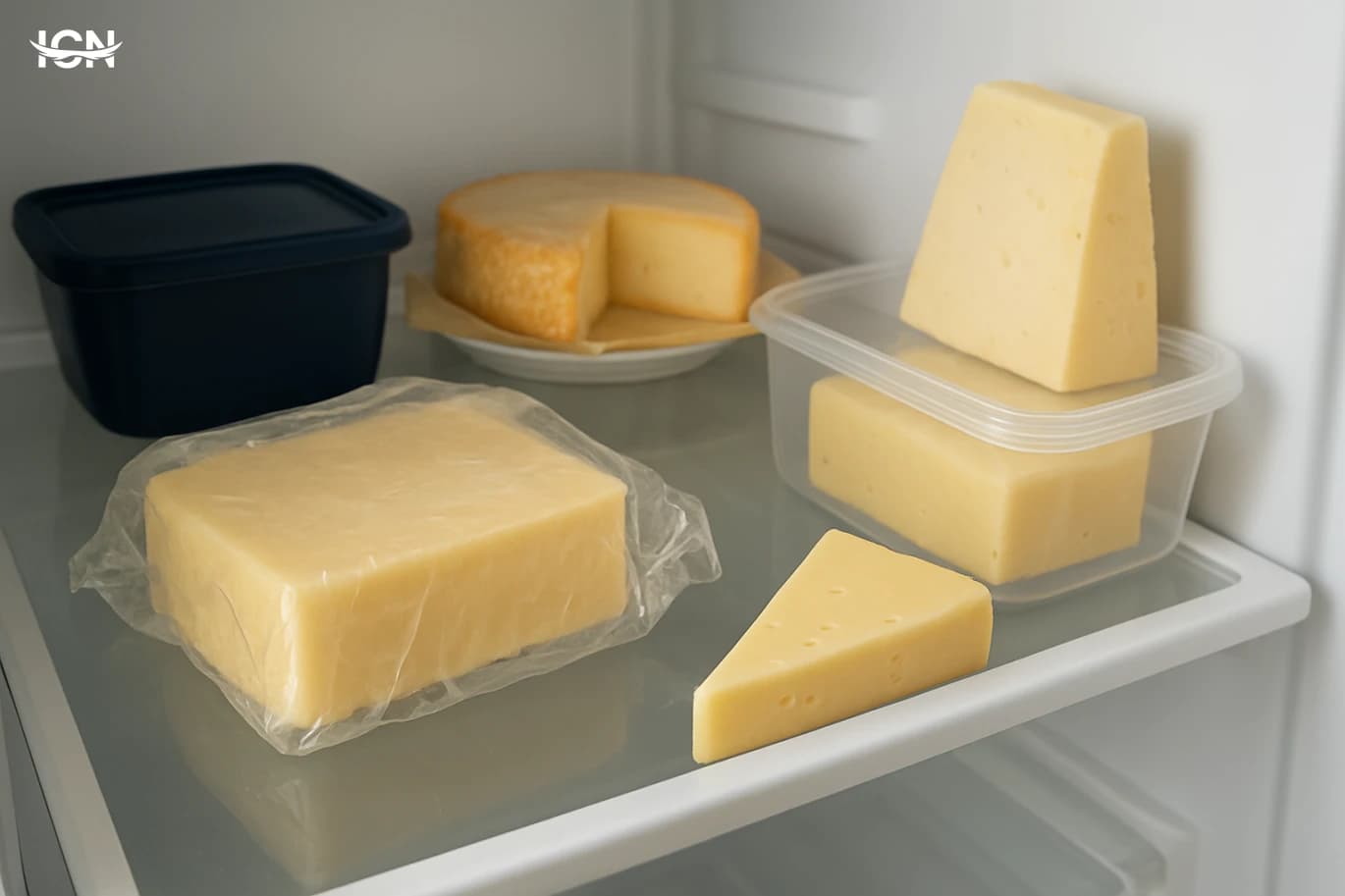
Cheese keeps its best flavor when the fridge stays consistently cold, ideally around 1–4°C. The biggest enemy is temperature fluctuation, which speeds up drying and can push strong aromas into other foods. Avoid storing cheese in the door because it warms up every time you open the fridge. A better choice is the lower shelf or a dedicated drawer where the temperature is steadier. If your refrigerator has adjustable humidity drawers, use a medium-humidity setting for most cheeses. Very dry zones can crack the surface of semi-hard cheeses, while overly humid corners can encourage unwanted surface moisture. Keep cheese away from foods with strong odors like onions, fish, or heavily spiced leftovers; cheese absorbs smells easily and the taste changes quickly. If possible, group cheeses together in a small container to reduce exposure to circulating air.
A Practical Guide to Digital Decluttering
Digital clutter is not just an aesthetic problem; it directly affects how quickly you can find information and make decisions. When your phone has thousands of photos, your inbox is full of unread messages, and your desktop is crowded with random files, simple tasks take longer. Searching becomes less reliable because you cannot remember where you saved something, and you waste time checking multiple places. Many people also keep duplicate versions of the same document across email, cloud drives, and messaging apps, which increases confusion and the risk of using the wrong file. The cost shows up in small, repeated delays. You open a folder and scan dozens of filenames. You re-download a PDF because you cannot locate it. You keep notifications on because you fear missing something, then lose focus every few minutes. Digital clutter also increases storage use, which can slow device performance and trigger paid upgrades you may not need. A practical decluttering approach focuses on reducing friction: fewer places to store things, clearer naming, and predictable routines that prevent the mess from returning.
Foods That Keep You Full Naturally
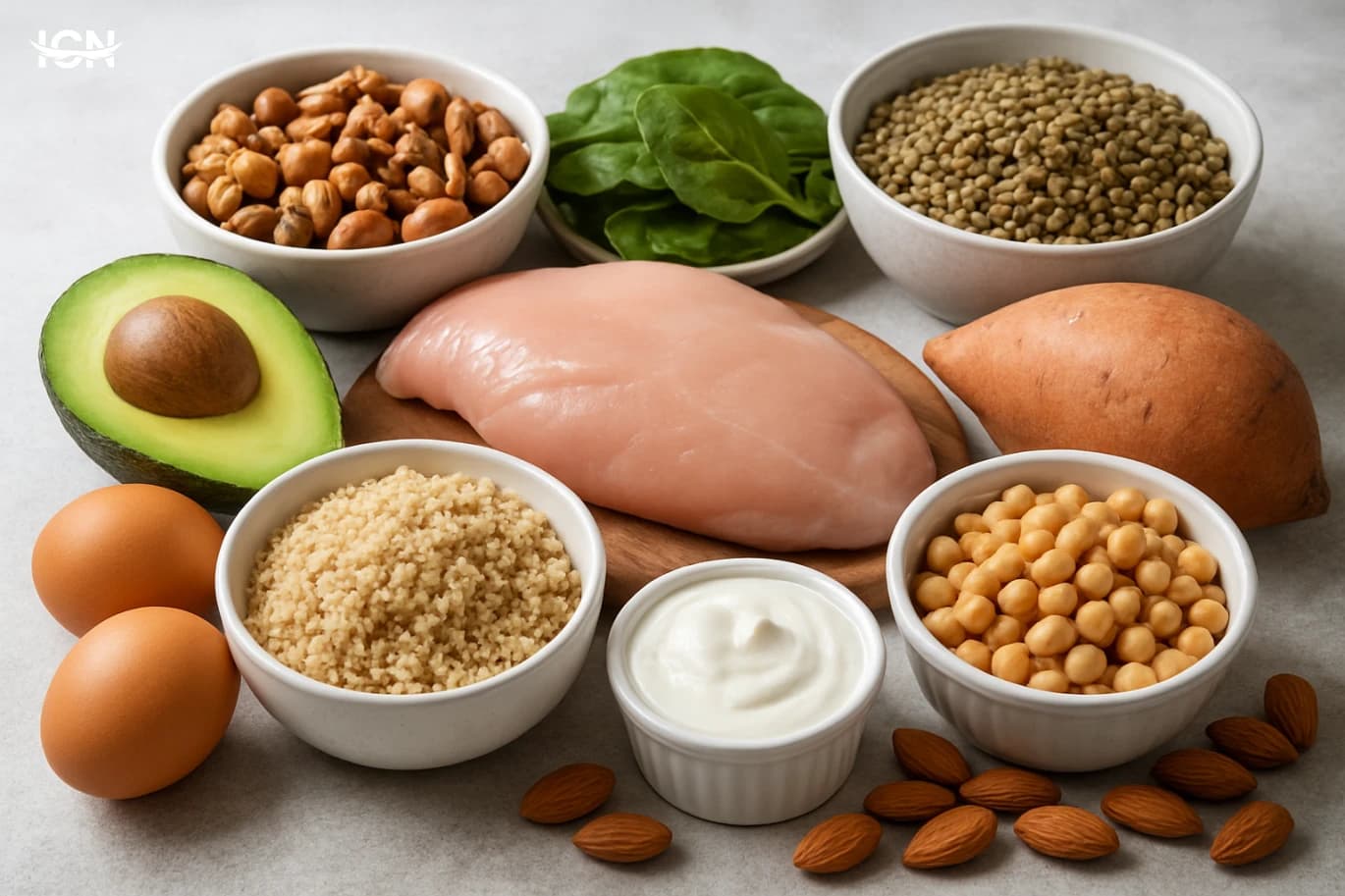
Feeling hungry all day is rarely about “weak will.” It is often a predictable result of meals that are low in protein, fiber, and water, or high in refined carbs that digest quickly. Fullness (satiety) is influenced by how fast food leaves the stomach, how steadily blood sugar rises, and how strongly the brain receives signals from gut hormones after eating. In practical terms, the most filling meals tend to combine three features: a solid protein source, a high-fiber plant component, and enough volume from water-rich foods. This combination slows digestion and reduces the urge to snack shortly after eating. It also makes it easier to keep portions reasonable without counting every calorie. A useful way to think about appetite control is “designing” meals. Instead of focusing on what to avoid, focus on what to add: protein at breakfast, legumes or whole grains at lunch, and vegetables with dinner. Over a week, these choices can reduce the frequency of cravings and make hunger feel more predictable rather than urgent.
How to Build a Personal Knowledge System
A personal knowledge system is a practical way to capture what you learn, retrieve it quickly, and turn it into decisions, writing, or better work. Many people save links, screenshots, and notes across multiple apps, then struggle to find anything when it matters. The result is repeated searching, duplicated effort, and missed insights. A lightweight system reduces that friction by giving every piece of information a clear home and a predictable path from “captured” to “used.” This topic fits everyday life and professional work: students organizing research, managers tracking meeting outcomes, freelancers building reusable templates, and anyone trying to learn consistently without feeling overwhelmed. The goal is not to store everything. The goal is to store the right things in a way that supports action. A good system also respects time: it should take seconds to capture and minutes to review, not hours of maintenance.
Kitchen Organizers That Actually Work
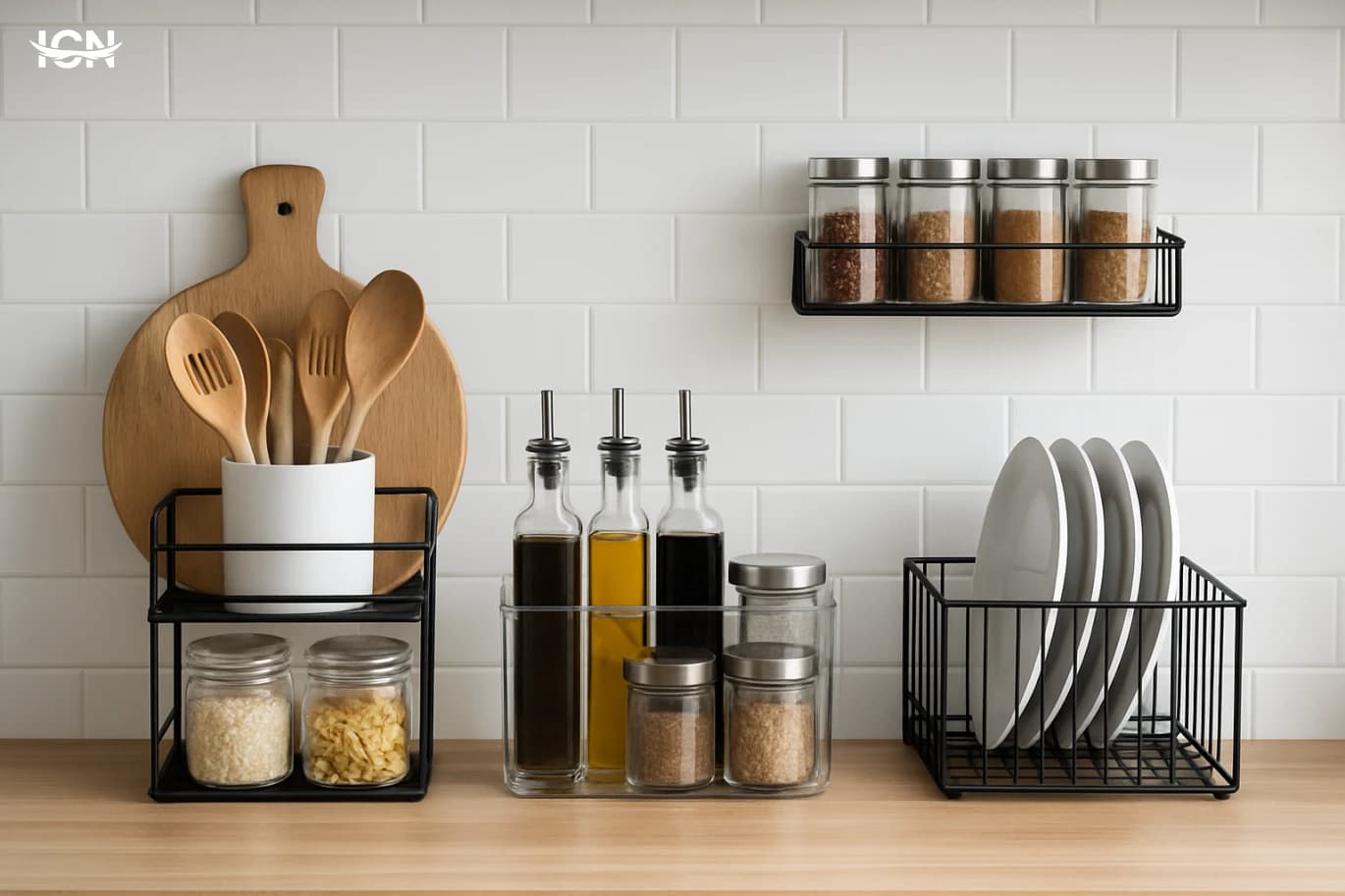
Kitchen organizers are not decorative extras; they are practical tools that reduce daily friction. When utensils, spices, and cookware have fixed places, you spend less time searching and more time cooking. A well-organized kitchen also supports safer routines: clear countertops reduce accidental spills, and properly stored knives and glassware lower the risk of breakage. The biggest benefit is consistency. A drawer divider or a shelf riser creates a repeatable system that everyone in the household can follow. That matters in busy kitchens where multiple people cook, clean, and restock. Organizers also protect your tools. Stacking pans without separators scratches nonstick coatings, and loose utensils can chip wooden handles. With the right organizers, you extend the life of what you already own and avoid unnecessary replacements.
Fork Shapes That Change How You Eat
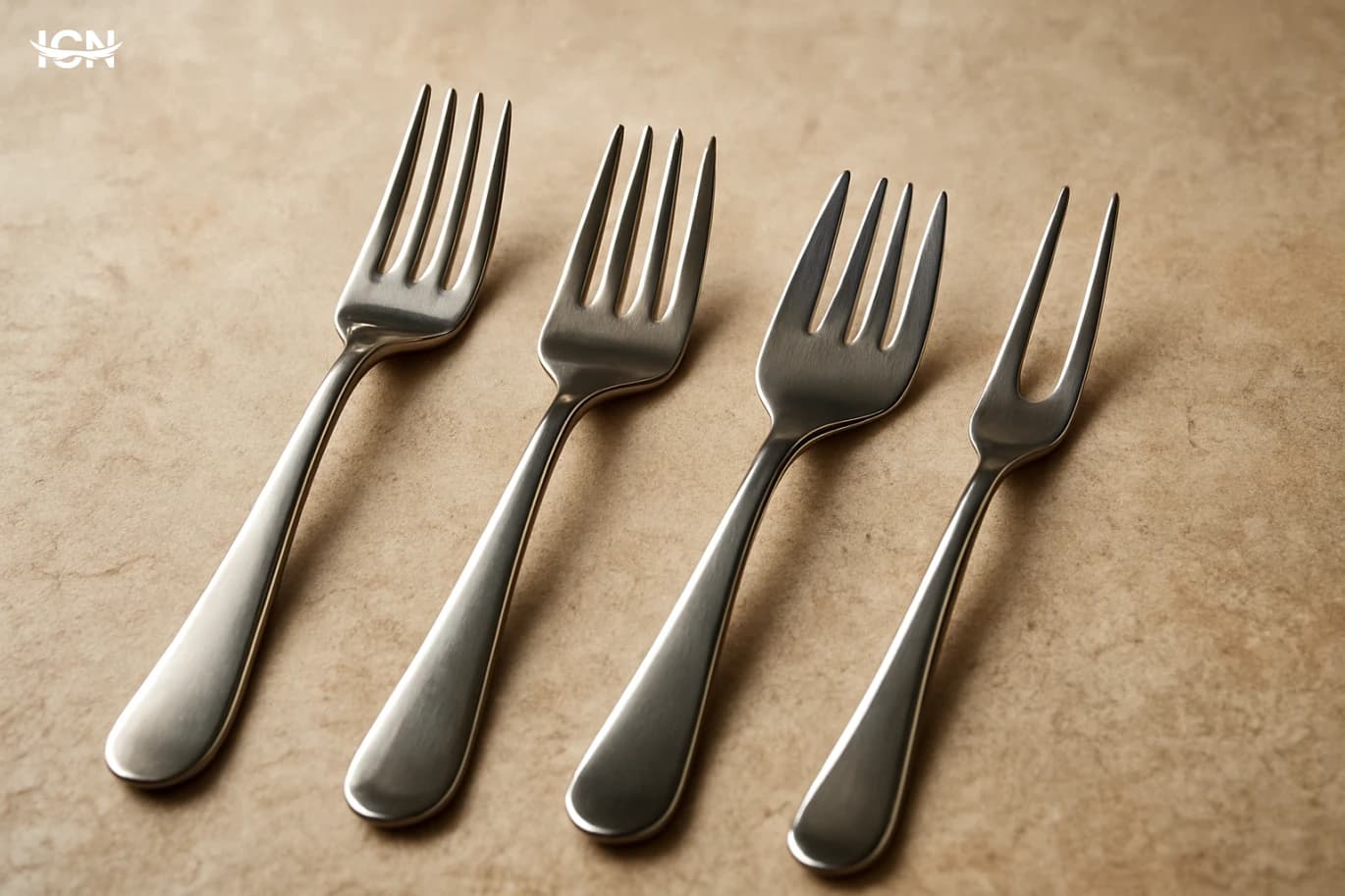
A fork looks like a simple tool, but its shape quietly guides how you cut, scoop, and pace your meal. The length of the handle affects leverage and comfort, especially when eating tougher foods or when the plate is deep. The angle of the neck changes how naturally the fork meets your mouth, which can influence bite size and how often you pause. Even the balance point matters: a fork that feels front-heavy encourages quicker, more direct movements, while a well-balanced fork tends to support slower, more controlled bites. Design also shapes etiquette and practicality. In many dining settings, people unconsciously match their behavior to the tool: a heavier, formal fork often leads to smaller bites and more frequent cutting, while a lighter everyday fork encourages faster eating and more scooping. For households, the “right” fork is not just about tradition; it is about reducing effort, improving grip, and making common foods easier to manage. When you notice these details, you start to see why restaurants and cutlery brands offer multiple fork types rather than one universal option.
Lemon Juice for Smarter Laundry Fixes
Lemon juice is more than a kitchen staple; it is a practical helper in laundry because of its natural citric acid. Citric acid can loosen mineral buildup, reduce dullness caused by hard water, and support the removal of certain everyday stains. It also helps neutralize some odor sources by shifting the pH on fabric surfaces, which can make clothes smell fresher after washing. What makes lemon a “smart” option is that it can be used in small, targeted amounts rather than relying on extra products for every issue. A few tablespoons in the right step—pre-treating, soaking, or the rinse cycle—can address common problems like yellowing, soap residue, and light discoloration. Lemon is not a replacement for detergent, and it is not suitable for every fabric, but it can be a useful add-on when used carefully. Before using lemon juice routinely, it helps to understand its limits. It can weaken some dyes and may affect delicate fibers if used too often or in high concentration. It can also react with chlorine bleach, which should never be mixed with acids. Used with basic precautions, lemon juice can be a simple, low-cost tool for improving wash results.
How to Build a Personal Knowledge System
A personal knowledge system is a practical way to capture what you learn, retrieve it quickly, and turn it into decisions, writing, or better work. Without a system, useful information stays scattered across browser tabs, chats, notebooks, and half-remembered ideas. The result is repeated searching, duplicated effort, and missed connections between topics. A good system reduces that friction by creating a reliable place for notes, sources, and your own conclusions. This is not about collecting everything. It is about building a workflow that fits your daily reality: how you read, how you take notes, and how you revisit them. The best systems are simple enough to maintain and structured enough to scale. They also make your learning visible over time, so you can see what you have covered, what you still need, and where your thinking has changed.
By clicking the SUBSCRIBE button, you are agreeing to our Privacy & Cookie Policy If you want to unsubsribe the marketing email, please proceed to our privacy center.
© 2005-2026 ICN. All Rights Reserved.