Alternative medicine

- Introduction to alternative medicine
- Types of alternative medicine
- Common methods in alternative medicine
- Benefits and side effects
- Scientific evidence and challenges
Introduction to alternative medicine
A. The definition and the difference between traditional medicine and alternative alternative medicine is a group of medical practices that differ from traditional medicine. It includes the use of herbs, physical therapy, nature therapy, and other unconventional methods. While traditional medicine focuses on medicines and treatments based on scientific research, alternative medicine seeks to improve health through natural approaches. for. The importance of alternative medicine in health care The alternative medicine represents an important option for many individuals looking for natural ways to recover from diseases or improve their health in general. Alternative medicine provides a comprehensive approach that enhances physical and mental balance, which reflects the importance of the integration of traditional treatments with alternative to achieve the best health results.
Types of alternative medicine
A. Natural medicine and complementary medicine works to enhance healing through the use of natural methods such as exercises and nutrition. While complementary medicine includes the use of alternative treatments along with traditional medicine to improve treatment results. Those who adopt these types find multiple benefits when combining different treatments to achieve comprehensive health. for. Herbs and plant treatments are herbs and plant remedies an essential part of alternative medicine, as they are commonly used in many cultures. These herbs provide strong therapeutic properties that can help in dealing with various health problems, which reflects a great value for alternative medicine as a supplement to traditional medical techniques.
Common methods in alternative medicine
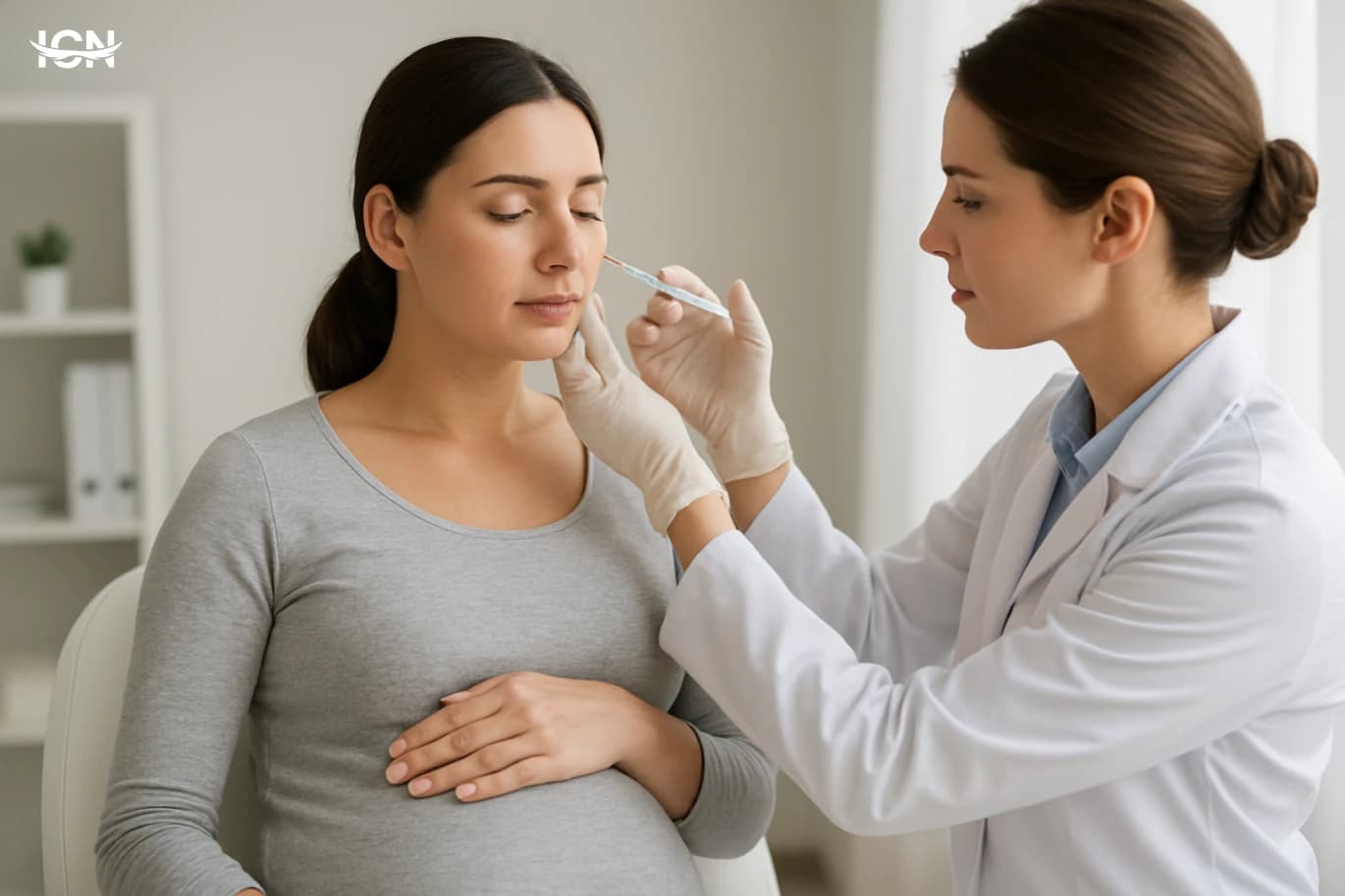
A. Chinese acupuncture is Chinese needles one of the effective methods in alternative medicine, as it depends on the introduction of thin needles in specific points of the body to enhance energy flow and help relieve pain. This type of treatment is used to treat several problems, such as headache and back pain, and has proven great effectiveness in improving physical and psychological balance. for. Massage and yoga Therapy is a massage and yoga therapy is a common way in alternative medicine, as the focus is on improving blood circulation and reducing stress. Massage helps to relax the muscles and relieve pain, while enhancing yoga from elasticity and mental focus, which contributes to enhancing public health and luxury.
Benefits and side effects
A. Benefits of alternative medicine for prevention and treatment, alternative medicine offers a set of health benefits that include improving the general condition of the body, enhancing relaxation and reducing stress levels. It can contribute to developing physical therapy methods that enhance the body's self -healing ability, such as improving immunity and treating some chronic diseases. for. Possible risks and side effects despite the benefits, but the use of alternative medicine may carry some risks. Unexpected side effects such as negative reactions may appear with traditional treatments or treatment failure to improve the condition. It is always important to consult doctors before starting any kind of alternative treatment to ensure safety and effectiveness.
Scientific evidence and challenges
A. The effectiveness of alternative medicine from a scientific point of view indicates that alternative medicine may have positive effects in some cases, however, scientific evidence remains insufficient to support its use as an alternative to traditional treatment. So, it takes more research to understand how effective it is. for. The challenges in adopting alternative medicine in the health system facing alternative medicine are many challenges related to its recognition by health institutions. The adoption of this type of medicine requires the provision of reliable studies, appropriate regulatory controls, in addition to enhancing awareness and correct information among patients.