Advantages and disadvantages of silicone molds
- Introduction to silicone molds
- Advantages of silicone molds
- Disadvantages of silicone molds
- Comparison between silicone molds and other molds
- Tips for using silicone molds correctly
Introduction to silicone molds
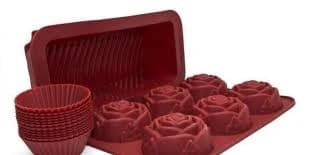
A. Definition of silicone molds Silicone molds are cooking utensils made of flexible silicone material, which is characterized by its durability and high temperature. These molds are easy to use and clean, making them ideal for both novice and professional chefs. for. Common Uses in Cooking and Creativity Silicone molds are used in many applications, such as baking cakes and baked goods, preparing desserts, and making chocolate. In addition, they can be used for artistic purposes such as making soap or candles. Silicone molds are a practical option for people who want great results without the hassle.
Advantages of silicone molds
A. Heat and Freeze Resistant Silicone molds withstand temperatures ranging from -40°C to 230°C, making them ideal for baking in ovens and also for freezing foods. This flexibility means that they can be used in a variety of conditions without affecting their quality. for. Flexibility and ease of use The flexibility of silicone molds is one of its most prominent features, as it can be bent easily without cracking or damage. This feature makes it easier to remove baked goods or desserts, preventing food from breaking. Cleaning it does not require much effort, as it can be washed by hand or in the dishwasher.
Disadvantages of silicone molds
A. Possibility of absorbing odors and contaminants Silicone molds can absorb odors or flavors from the foods in which they are used, which may affect the taste of dishes prepared later. So, it is important to clean them well after every use to avoid this. for. Poor contact with some types of food The flexibility of silicone molds can lead to poor contact with foods, which means that some baked goods may not brown well or take the right shape. Therefore, it is important to choose the right recipe and use high-quality molds to get the best results.
Comparison between silicone molds and other molds
A. Metal and Glass Molds Metal and glass molds conduct heat better, resulting in optimal browning of baked goods. It also does not absorb odors, which helps preserve the flavor of foods. However, these molds may be more susceptible to scratching or breaking. for. Efficiency and cost Silicone molds are more flexible and easy to use, as baked goods can be taken out easily without them sticking. However, their cost may be higher compared to metal or glass molds. Based on personal needs, individuals can choose the type that best suits them.
Tips for using silicone molds correctly
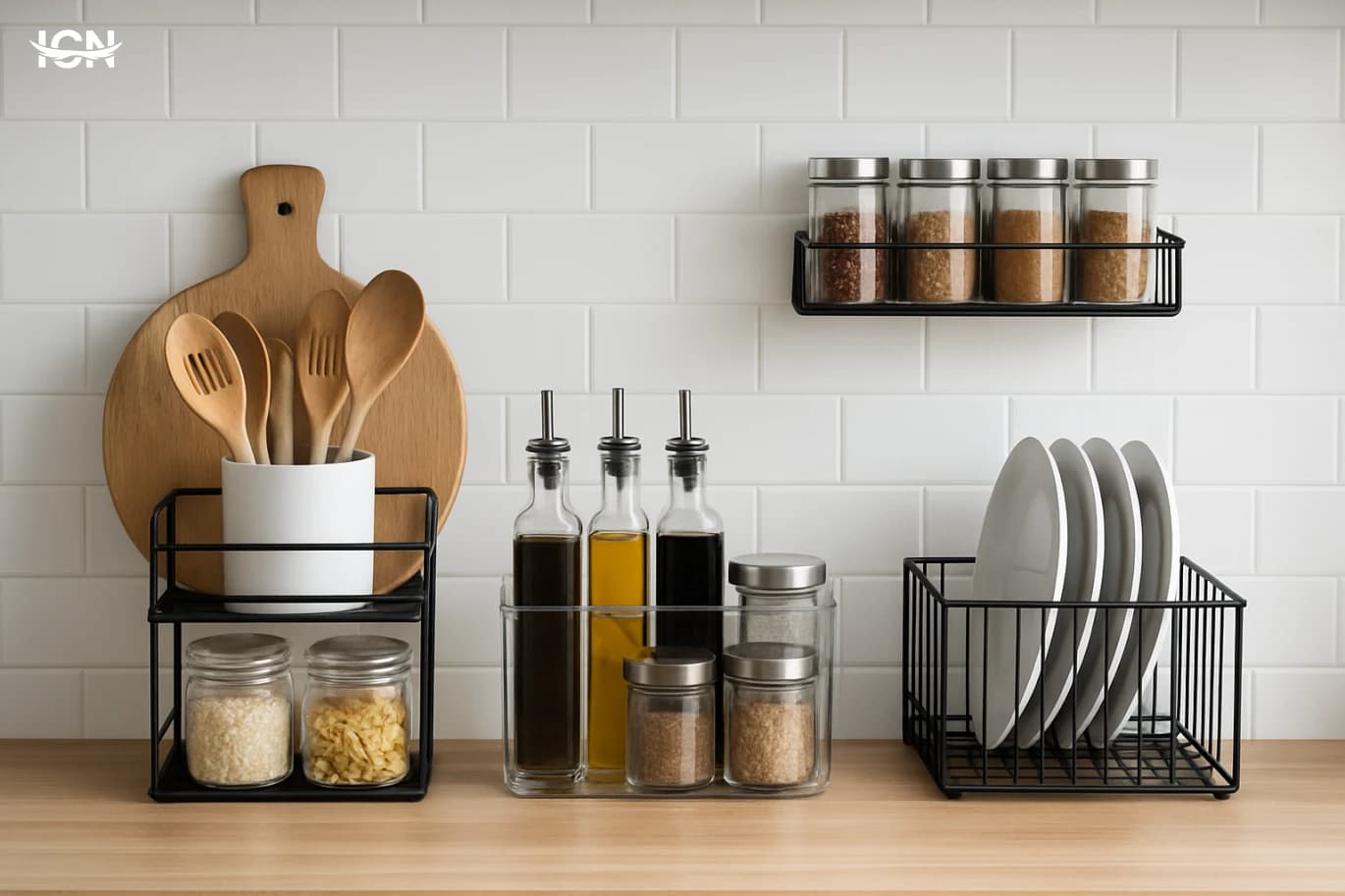
A. Cleaning and Maintenance Silicone molds are easy to clean, as they can be washed with soap and water. It is preferable to use a soft sponge to avoid scratching the surface. To ensure it maintains its quality, you should avoid harsh detergents that may affect its elasticity. for. Appropriate storage methods: Silicone molds should be stored flat or with some clean paper placed between the molds to avoid them sticking together. It is best to avoid putting pressure on it or placing heavy objects on it to maintain its shape and flexibility for a longer period.