A Practical Guide to Better Hydration Daily
- Why Hydration Matters Beyond Thirst
- How Much to Drink and What Counts
- Build a Hydration Routine That Sticks
- Hydration for Workouts and Hot Weather
- Common Mistakes and Simple Fixes
- A One-Week Hydration Plan You Can Start Today
Why Hydration Matters Beyond Thirst
Hydration is not only about avoiding thirst; it supports everyday functions that people notice in very practical ways. When fluid intake is low, many people experience afternoon fatigue, headaches, dry mouth, and difficulty concentrating, especially in heated offices or during long commutes. Water also helps regulate body temperature through sweating, which becomes important even in mild activity like walking, household chores, or taking stairs. Digestion is another daily area affected: adequate fluids help move food through the digestive tract and can reduce the likelihood of constipation when paired with fiber-rich meals. Hydration needs can rise quietly with air conditioning, dry winter air, higher protein diets, and increased caffeine intake, because these factors can change how much fluid you lose or how your body signals thirst. A useful mindset is to treat hydration as a routine health habit, similar to sleep timing or meal planning, rather than a reaction to feeling thirsty at the end of the day.
How Much to Drink and What Counts
There is no single number that fits everyone, but you can set a reliable baseline and adjust based on your day. A practical starting point for many adults is around 1.5 to 2.5 liters of fluids daily, then increase if you sweat more, spend time outdoors in heat, or exercise. Instead of chasing a perfect target, use simple indicators: pale yellow urine most of the day, steady energy, and minimal dry mouth are common signs you are on track. Water is the best default, but other drinks and foods contribute. Unsweetened herbal tea, milk, and soups add fluids, and high-water foods like cucumbers, oranges, tomatoes, and watermelon can meaningfully support intake. Coffee and tea still count toward fluids, but if you notice jitteriness, frequent bathroom trips, or disrupted sleep, reduce late-day caffeine and replace it with water. Sugary drinks can increase calories quickly and may leave you feeling thirsty again, so treat them as occasional rather than routine. If you have a medical condition that affects fluid balance, such as kidney or heart issues, follow personalized guidance from a clinician rather than general targets.
Build a Hydration Routine That Sticks
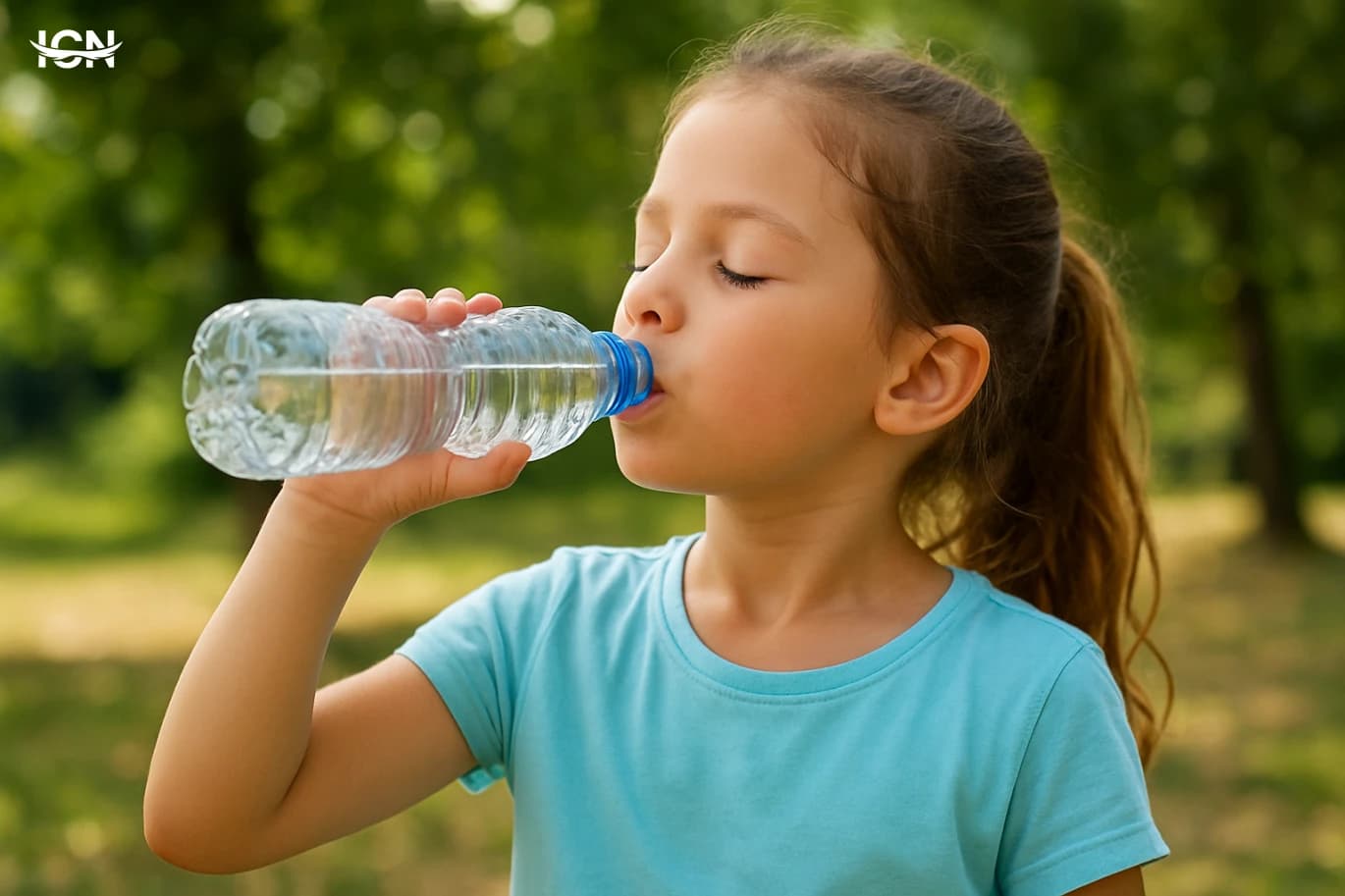
Consistency is easier when hydration is tied to moments you already repeat. Start by drinking a glass of water soon after waking, then pair another glass with breakfast. Keep a bottle you actually like using: one that fits your bag, has a comfortable mouthpiece, and is easy to clean. Many people drink more when the bottle is visible on the desk rather than stored in a drawer. Use time anchors instead of alarms: a few sips after each meeting, after every bathroom break, or whenever you refill your coffee. If plain water feels boring, add flavor without turning it into a sugary drink by using lemon slices, mint, cucumber, or a splash of unsweetened sparkling water. For people who forget during busy days, a simple tracking method can help: aim to finish one bottle by midday and a second by early evening. The goal is not to force large amounts at night, which can interrupt sleep, but to spread intake across the day so your body stays comfortably hydrated.
Hydration for Workouts and Hot Weather
Exercise and heat change the equation because you lose more fluid through sweat, and thirst may lag behind what you need. For light to moderate workouts, drinking water before and after is often enough, especially if the session is under an hour. A practical approach is to drink a small amount 30 to 60 minutes before activity, take a few sips during breaks, and then rehydrate afterward. If you exercise for longer periods, train in high heat, or sweat heavily, you may also need electrolytes, particularly sodium, which helps retain fluid. You can get electrolytes from food (a balanced meal with some salt) or from low-sugar electrolyte drinks, but avoid turning sports drinks into an everyday habit if you are not training hard. In hot weather, plan hydration like you plan clothing: carry water when you leave home, drink regularly rather than waiting for thirst, and include water-rich snacks. Watch for warning signs such as dizziness, unusually dark urine, or cramps, and treat them as a signal to rest, cool down, and rehydrate.
Common Mistakes and Simple Fixes
One common mistake is trying to “catch up” by drinking a lot at once late in the day. This can cause discomfort and frequent nighttime bathroom trips. A better fix is to front-load hydration earlier and keep it steady. Another mistake is relying on thirst alone, which can be unreliable during busy workdays, in cold weather, or for older adults. Use routines and visible cues instead. People also overestimate how much they drink when they only count glasses at meals; adding two planned water breaks between meals often makes a noticeable difference. On the other side, it is possible to overdo water in a short period, especially if you drink large volumes rapidly without replacing electrolytes during long endurance activity. Keep intake gradual and match it to your sweat and activity. Finally, don’t ignore the role of salt and food: if you eat very low-sodium meals and sweat a lot, you may feel drained even if you drink plenty of water. Balanced meals, reasonable salt intake, and steady fluids usually solve the problem more effectively than extreme approaches.
A One-Week Hydration Plan You Can Start Today
Day 1: Choose a bottle size you can finish twice a day and place it where you work. Day 2: Add a morning glass of water right after waking and another with lunch. Day 3: Replace one sugary drink with water or unsweetened tea. Day 4: Add a water-rich snack, such as an orange or cucumber slices, in the afternoon. Day 5: If you exercise, drink a small amount before your session and rehydrate afterward; if you don’t, take a 5-minute walk and drink water when you return. Day 6: Review your caffeine timing and move the last caffeinated drink earlier to protect sleep. Day 7: Check your results using simple signs: fewer headaches, steadier energy, and lighter urine color. Keep the parts that worked and adjust the rest. The purpose of this plan is to build a repeatable system, not to hit a perfect number. Over time, the routine becomes automatic, and hydration stops being something you remember only when you feel run down.