App Logo

Download Our App

Shop your way

logologo
Image

Zebra

03/06/2025By: ICN
Zebra

the introduction

What is the zebra? The zebra is a type of mammal that belongs to the family of horses, and it is characterized by its distinctive lines on its skin. These black and white lines distinguish it from the rest of the animals and make it a symbol of forests and savanna. The presence of brutal donkeys in the world is mainly brutal donkeys in Africa, where they live in open herbal areas and forests. The three main types of brutal donkey are famous, which are the common brutal donkey, the mountainous zebra, and the donkey of Abyssinia. These animals face great challenges such as the loss of citizen and unjust fishing, which led to the need for protection efforts to preserve them.

Lesbromatic donkeys

The physiological qualities of brutal donkeys are brutal donkeys with a strong and muscular body, ranging between 2 to 3 meters long. You have strong legs that enable them to run at high speeds, which helps them escape predators. As for her hair, it is thick and comes in amazing colors of black and white, which reflects the body's ability to regulate the heat of the skin in different environments. The types of zebra in different environments are located in the zebra in several environments, where different types are preferred, including the vast savanna areas, while some live in mountain forests. Each type adapts to his own environment, which helps him to survive amid the various challenges you face.

The home of the zebra

The geographical areas where the brutal donkeys live in brutal donkeys mainly in Africa, where their different types are distributed in multiple regions. The places where the donkeys live brutality, spacious savanna, hills, and forests. Each type of brutal donkey prefers certain areas to suit its nutritional needs and the place of hiding it from predators. The environments preferred by brutal donkeys prefer brutal donkeys the open environments that provide a vast space for mobility, with the availability of green pastures. It is also searching for areas that contain nearby drinking water, to ensure that they remain and moisturize their bodies under various climatic conditions.

Burnary donkeys habits

The lifestyle of the brutal donkey is brutal donkeys in a social lifestyle, where they live in herds consisting of family members or small groups. These animals cooperate in observing predators and providing protection to each other. In addition, brutal donkeys tend to be active during daylight hours, as they spend their time to graze and search for water. The brutal donkey diet is the brutal donkey is a herb, as it depends on its food on herbs and leaves. She adapts to various pastures, which helps her to find food continuously. It also eats in multiple periods during the day to ensure the energy needed for its activity.

The threats and risks of the presence of brutal donkeys

The threats of brutal donkeys suffer from brutal donkeys suffering from many threats, most notably the citizen’s natural loss as a result of humanitarian activities such as agriculture and urban expansion. Also, overfishing and using it in tourism can negatively affect its numbers. These factors threaten the survival of brutal donkeys and increase the risk of their extinction. The impact of brutal donkeys on the local environment is brutal donkeys playing an important role in the local environment by contributing to the balance of the ecosystem. It helps to break up soil and plant plants through their grazing, which enhances the growth of herbs. However, it should be kept from threats to remain an effective part of its environment.
* All articles published on this blog are sourced from various websites and are provided for informational purposes only. They should not be considered as confirmed studies or accurate information. Please verify the information independently before relying on it.

Similar ARTICLES

The Spiny Mouse Youth Puzzle
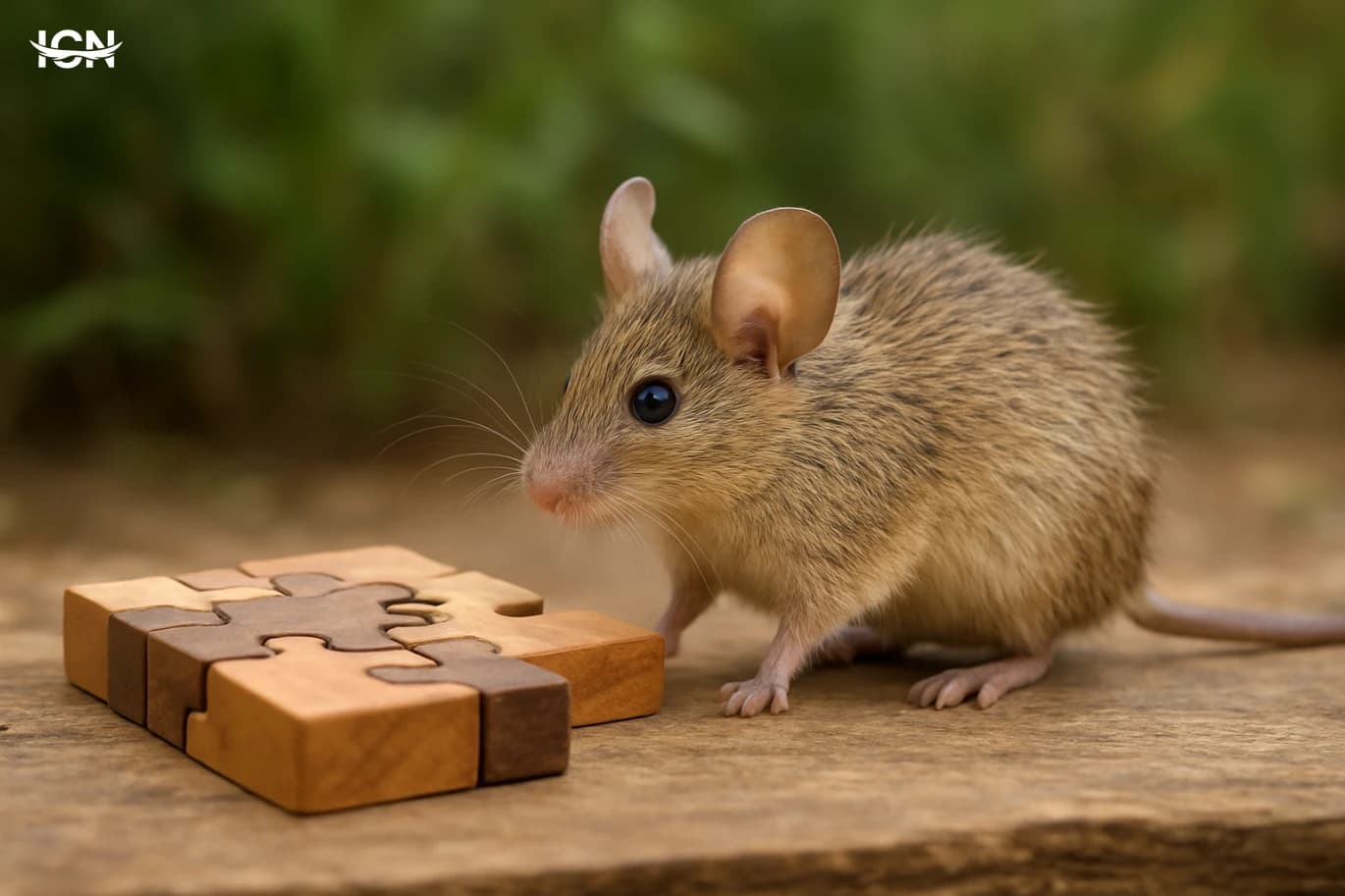
Among small mammals, the spiny mouse has become a standout in biology labs because it appears to “age differently” in a few measurable ways. The animal is a desert-adapted rodent from the genus Acomys, known for stiff, spine-like hairs and fragile skin that can tear when grabbed. That vulnerability is part of the story: unlike most mammals, spiny mice can recover from skin injuries with unusually effective repair, and researchers have linked that capacity to broader questions about tissue maintenance over time. The “secret of youth” label is not a claim that the spiny mouse lives forever or avoids aging. It is shorthand for a set of traits that look more youthful at the cellular and tissue level: faster and cleaner wound closure, reduced scarring, and in some studies a slower decline in certain organ functions compared with similar rodents. Scientists are careful here, because aging is not one process but many—metabolism, immune function, stem-cell activity, and hormone regulation can each change on different schedules. What makes the spiny mouse especially useful is that it is still a mammal with many of the same basic biological systems humans have. That means its unusual repair abilities can be studied in a context closer to human biology than fish or amphibians, which are famous regenerators but are evolutionarily farther away. The result is a research focus that blends wildlife biology, physiology, and medical science: what exactly does this desert rodent do differently, and can those mechanisms inform safer healing and healthier aging in other species?
A Middle Eastern Mouse and Youth Clues
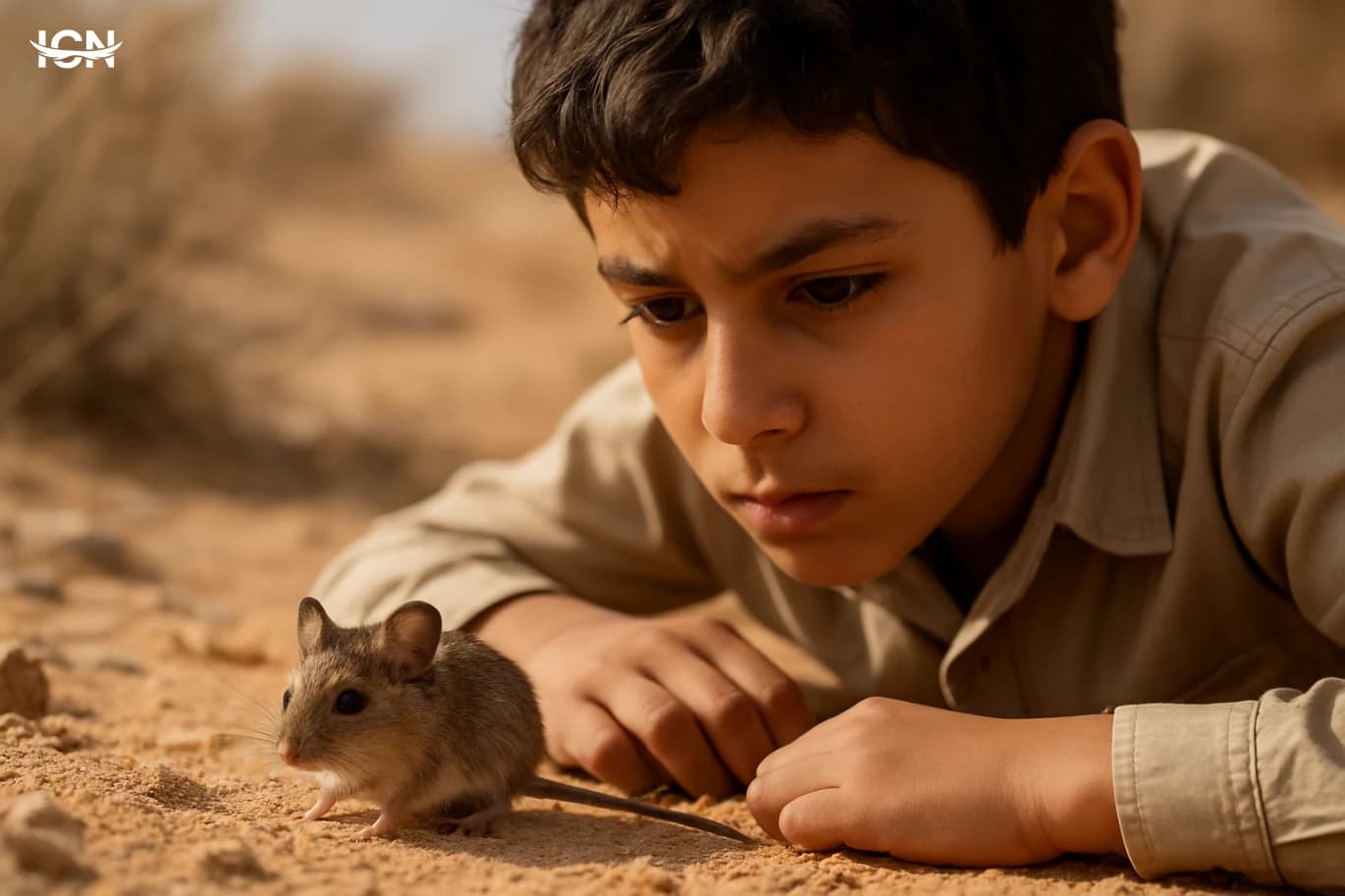
In the last decade, biologists looking for practical clues about healthy aging have increasingly turned to animals that break the usual rules. Most small mammals live fast and die young, but a handful show unusual resilience: they stay active, maintain organ function, and resist common age-related decline longer than expected for their size. That is why a small mouse native to parts of the Middle East has become a useful reference point in discussions about “youthful biology.” The story is not about a miracle cure; it is about identifying biological strategies that keep tissues working under heat, drought, and fluctuating food availability. The Middle East offers a natural laboratory for studying stress tolerance. Many local rodents survive in environments where temperature swings are sharp and resources can be unpredictable. A mouse that thrives there may carry adaptations that protect cells from damage, preserve energy, and keep inflammation under control. Researchers are interested in how such animals manage oxidative stress, how they regulate metabolism during lean periods, and how they repair cellular wear without paying the typical costs seen in other species. It is important to separate headlines from evidence. When people hear “the secret of eternal youth,” they often imagine a single gene or a single compound. In reality, longevity and healthy aging are multi-factor traits. The value of studying a Middle Eastern mouse is that it can highlight a package of traits—behavioral, physiological, and genetic—that together support longer healthspan. Those traits can then be tested in controlled experiments and compared with better-known models like laboratory mice and rats.
City Nightlife for Urban Bats
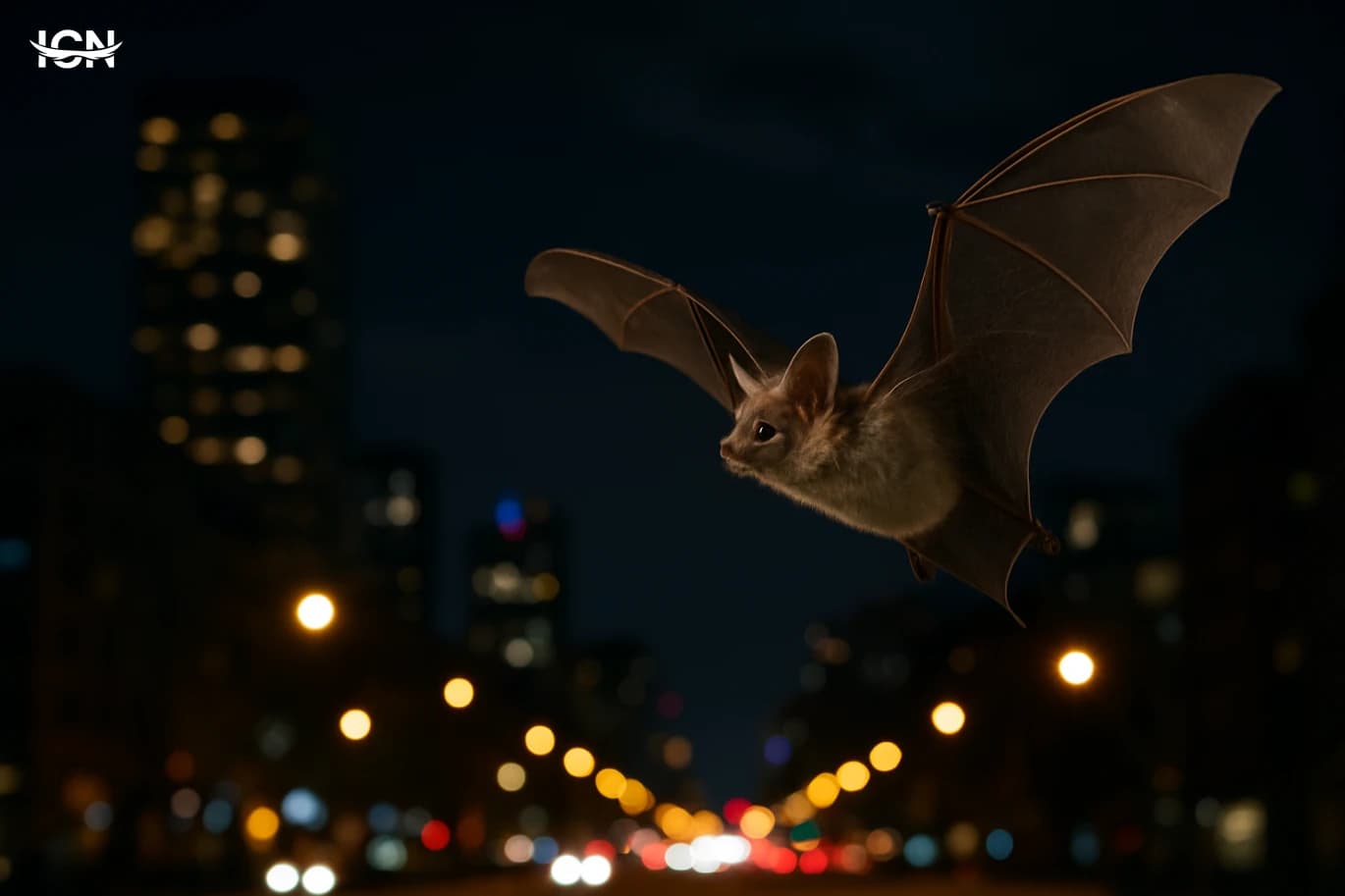
Across many regions, bats are increasingly recorded in urban areas, not because cities are “natural,” but because they concentrate the resources bats need at night. Street trees, parks, canals, and even small gardens can hold dense insect populations, especially when watered and planted with diverse vegetation. Warm building surfaces and reduced wind between blocks can create stable air layers where insects fly, giving bats predictable hunting lanes. Some species also exploit seasonal pulses, such as swarms near rivers, storm drains, or waterfront lighting. Cities also offer roosting opportunities that mimic cliffs and caves. Expansion joints, roof voids, bridges, and older masonry can provide narrow crevices with stable temperatures. In many neighborhoods, these roosts sit close to feeding areas, reducing the energy cost of commuting. The result is a nightly pattern that can look like a “commute map”: bats leaving roosts at dusk, following tree lines or waterways, and returning before dawn. Understanding these practical drivers is the first step to discussing how urban design can either support or unintentionally disrupt bat populations.
How Urban Light Changes Night Wildlife
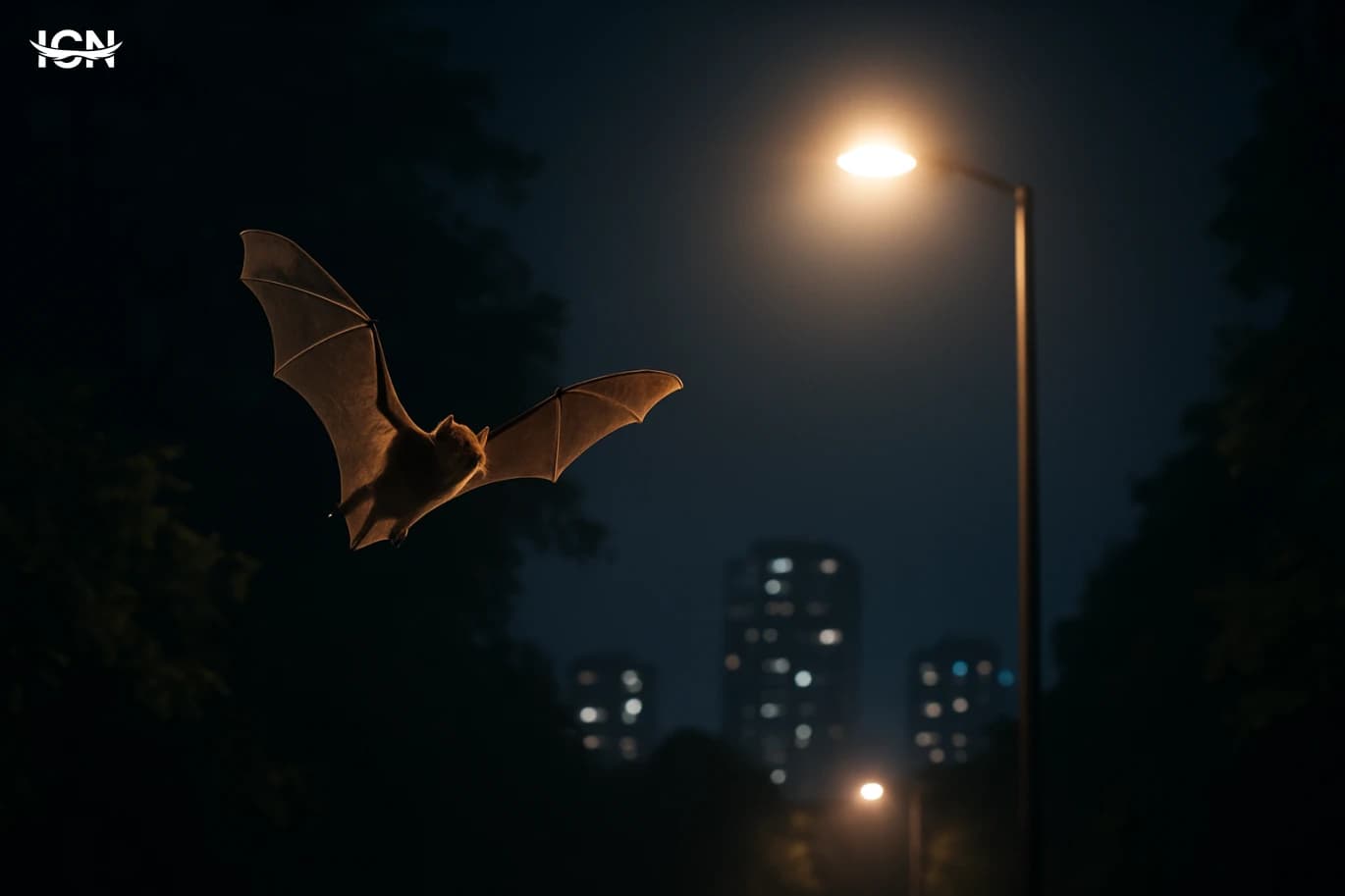
Across many regions, the night is no longer consistently dark. Streetlights, illuminated billboards, sports facilities, parking lots, and residential lighting create a brightened sky that can extend far beyond city limits. This shift matters for wildlife because a large share of animals rely on predictable day–night cycles to feed, migrate, avoid predators, and reproduce. When the night becomes brighter and more variable, the environment effectively changes without any new buildings or roads being added. Light at night is not uniform. Some areas experience constant illumination, while others have intermittent light from passing vehicles or motion-activated fixtures. The color of light also varies: older sodium lamps cast a warm amber glow, while many modern LEDs emit more blue-rich light. For animals, intensity, timing, and spectrum can each alter behavior. Understanding these differences is essential for anyone trying to interpret wildlife sightings in cities, parks, and suburban edges.
How Urban Wildlife Learns to Live With Us
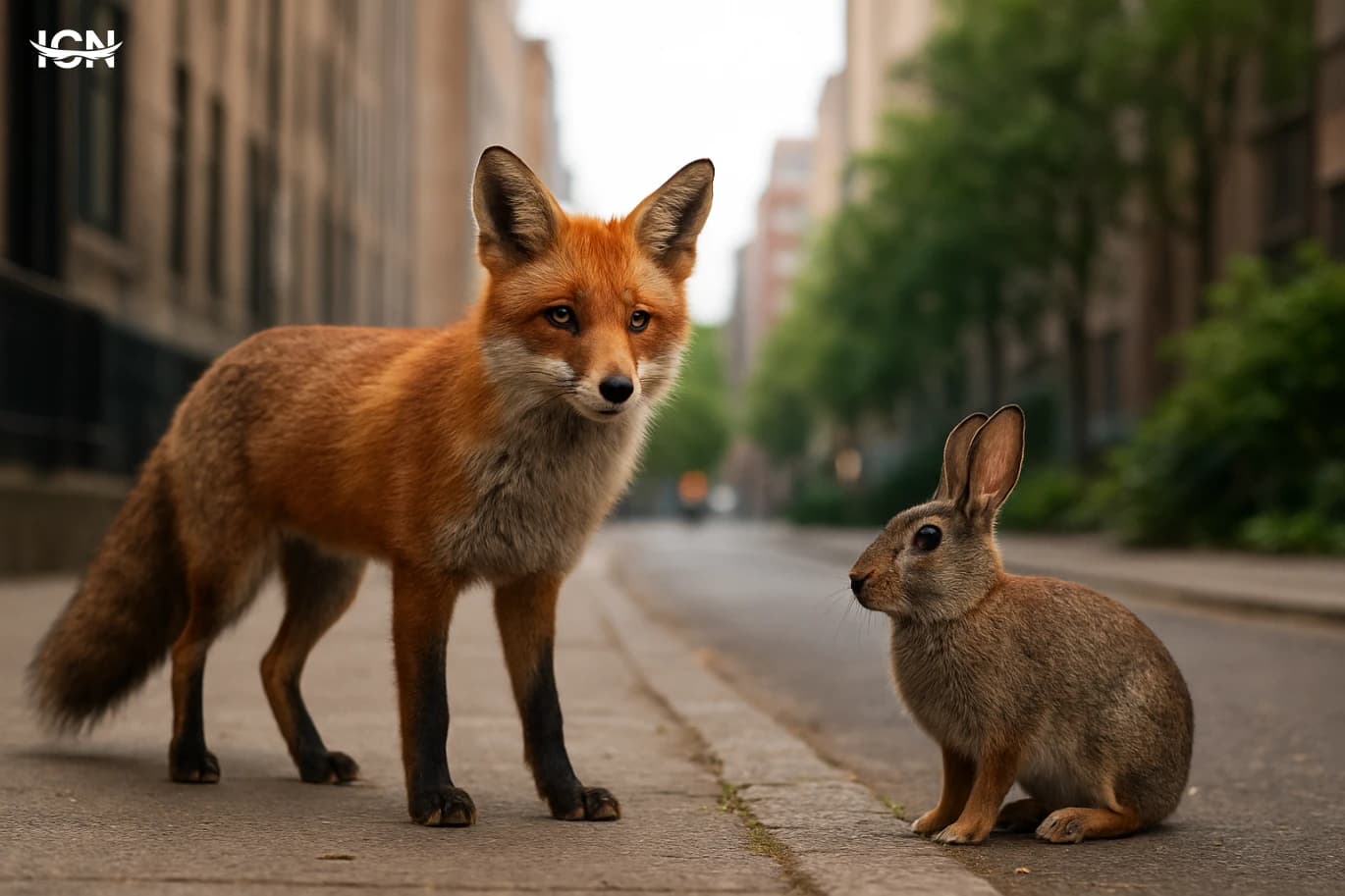
Urban areas are expanding faster than many protected landscapes, and that growth is reshaping where animals can find food, water, and shelter. Parks, river corridors, railway edges, vacant lots, and even roadside plantings create a patchwork of micro-habitats that can support surprising biodiversity. In many regions, cities also concentrate resources: irrigated lawns stay green in dry seasons, stormwater ponds hold water when streams run low, and ornamental trees produce fruit and seeds. For adaptable species, these predictable resources can outweigh the risks of traffic, noise, and human activity. Not all wildlife benefits equally. Generalists such as raccoons, foxes, crows, gulls, and some deer species often do well because they can eat varied diets and tolerate disturbance. Specialists that need large territories, specific prey, or undisturbed nesting sites tend to decline as urbanization increases. The result is a distinct “urban filter” that favors certain traits: flexible feeding, boldness, and the ability to use human-made structures. Understanding this filter helps explain why the animals people notice most in cities are not necessarily the rarest, but the ones best equipped to exploit a human-dominated landscape.
Urban Raptors and the New City Food Web
Across many regions, birds of prey such as peregrine falcons, kestrels, hawks, and owls are increasingly recorded in urban areas. The shift is not a single trend but a combination of practical advantages that cities now offer. Tall buildings and bridges can mimic cliffs and large trees, giving raptors high vantage points for hunting and safe ledges for nesting. Urban heat islands can also extend the active season for some prey species, while artificial lighting may concentrate insects and small birds at night, indirectly supporting nocturnal hunters. Food availability is another major driver. Cities often sustain dense populations of pigeons, starlings, sparrows, rats, and squirrels, creating a reliable prey base. In some places, improved air quality and restrictions on certain pesticides have helped raptors recover, allowing them to expand into new habitats, including city centers. At the same time, protected green corridors, waterfronts, and parks provide cover and hunting routes. The result is a new kind of wildlife story: top predators adapting to human-made landscapes without becoming fully domesticated or dependent on direct feeding.
Urban Foxes and the New City Wild
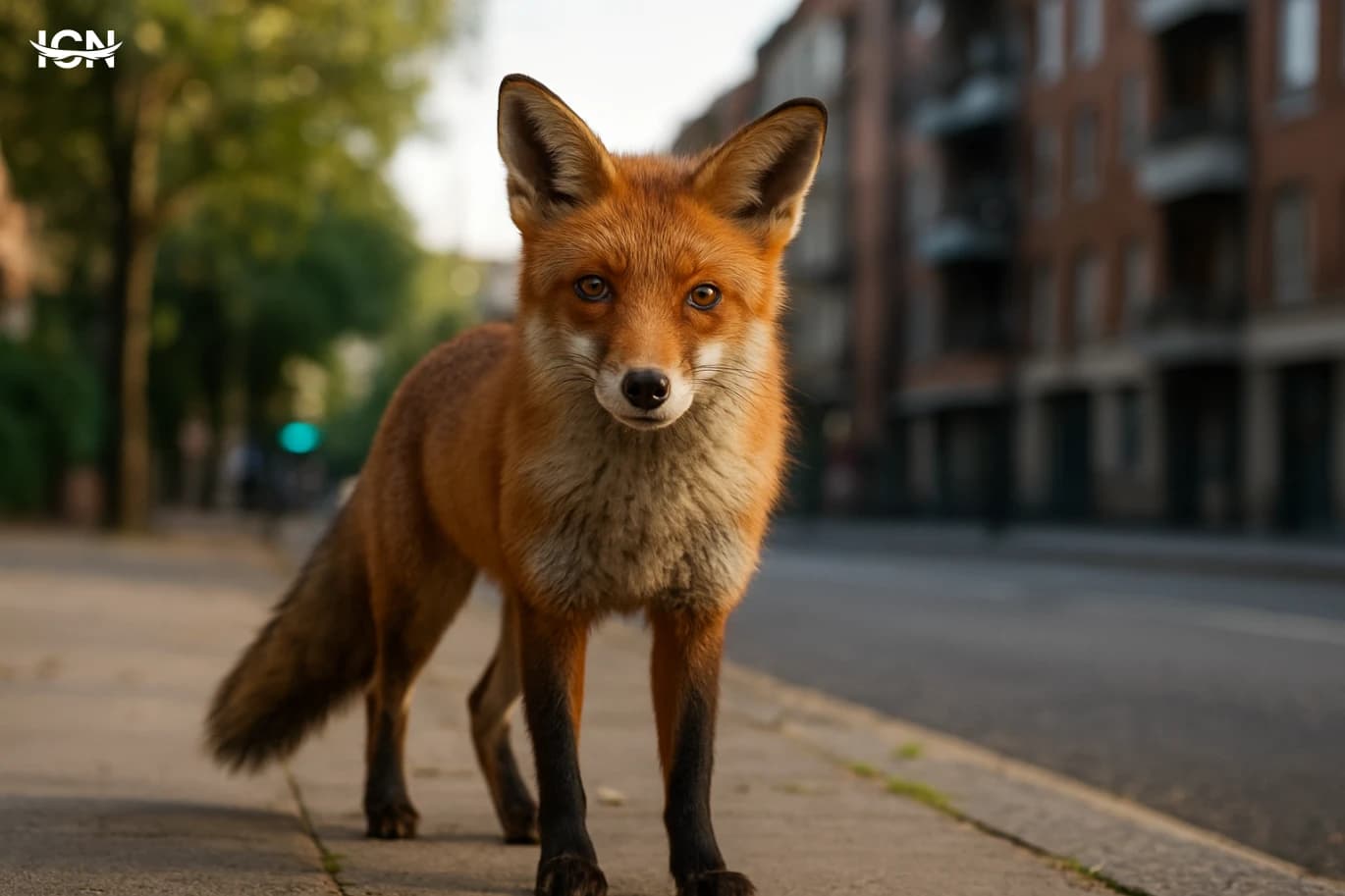
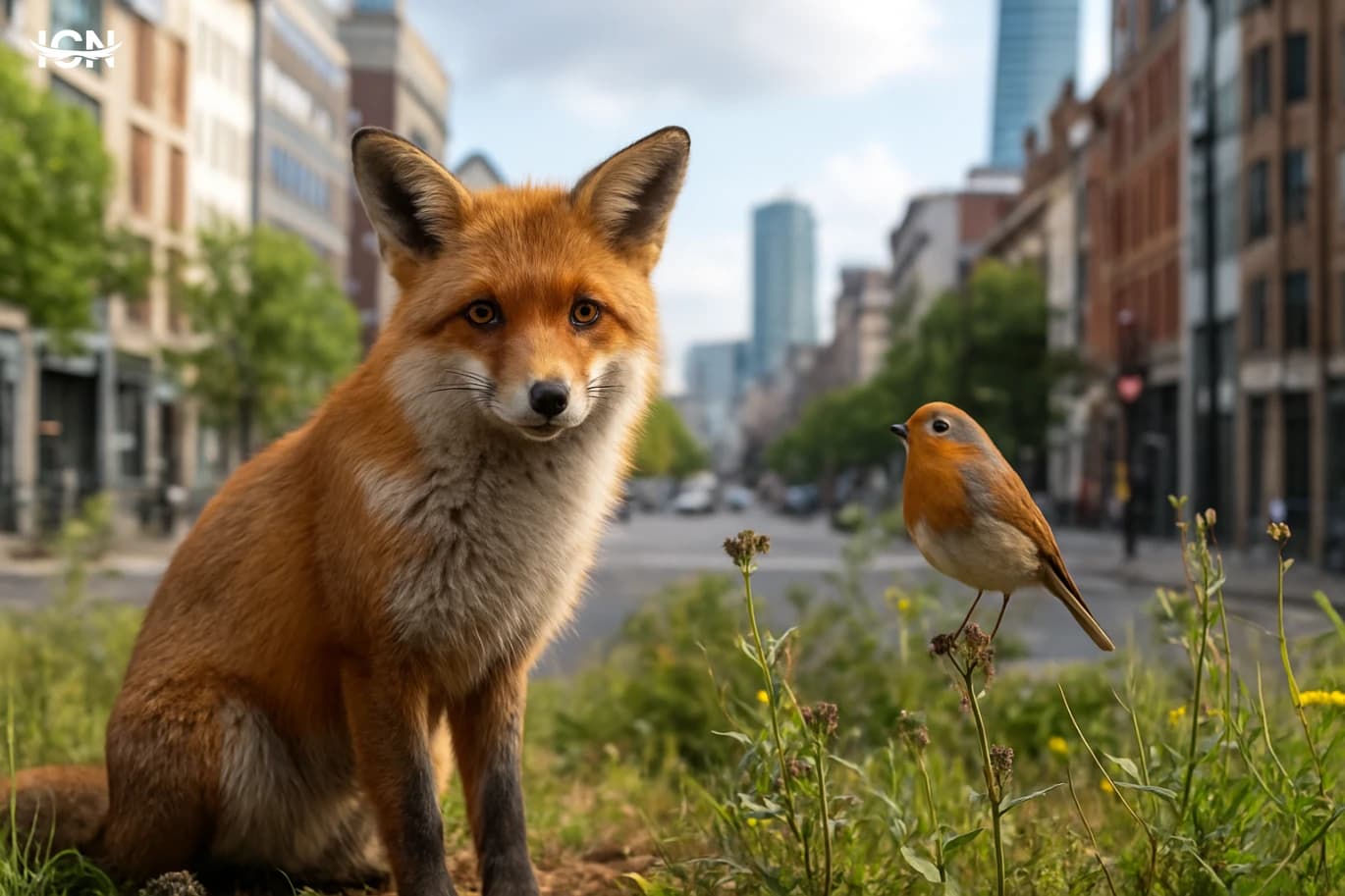
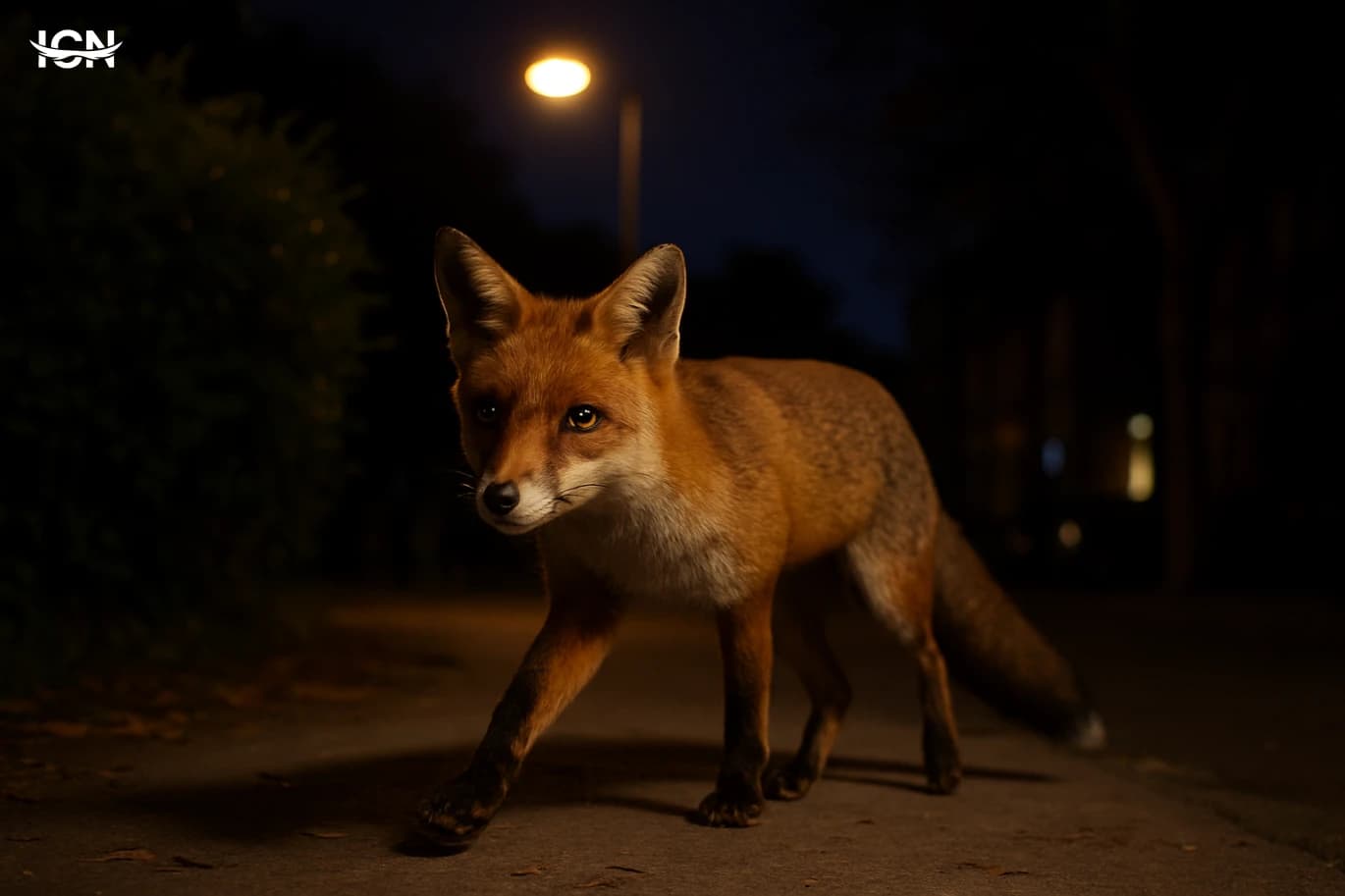
Across many towns and large cities, fox sightings are no longer rare. The shift is not a mystery of “bold animals,” but a practical response to how modern neighborhoods work. Cities offer steady food sources through unsecured trash bins, compost piles, fallen fruit in gardens, and pet food left outdoors. They also provide shelter in places that mimic natural cover: dense hedges, railway embankments, abandoned lots, and the quiet corners of industrial parks. In many regions, urban areas also have fewer large predators, which reduces risk for a medium-sized carnivore. Another driver is the way urban landscapes create warm microclimates. Pavement and buildings retain heat, making winter nights slightly less harsh and extending the activity window for small prey like rodents. Water is often available year-round from irrigation systems, drainage channels, and ornamental ponds. For foxes, these factors add up to a predictable, low-effort living compared with fragmented rural habitats where traffic, fencing, and intensive land use can make hunting and denning harder. The result is a new kind of wildlife story: not animals “invading,” but animals adapting to the most rapidly expanding habitat on Earth.
How Cities Can Welcome Urban Wildlife
Across many regions, animals are increasingly using urban areas as part of their daily range. The reasons are practical: cities often provide steady food sources, reliable water, and warmer microclimates created by buildings and paved surfaces. Some species also benefit from fewer natural predators in dense neighborhoods. At the same time, expansion of roads, housing, and industrial zones can fragment natural habitats, pushing wildlife to travel through or settle near developed areas. This shift is not limited to one type of animal. Birds, small mammals, reptiles, and even pollinating insects can adapt quickly when parks, gardens, drainage corridors, and vacant lots offer shelter. For residents, the change can feel sudden, but it is usually the result of gradual adjustments in land use and seasonal conditions. Understanding these drivers helps cities plan responses that reduce conflict and support biodiversity without treating wildlife as a nuisance.
Tracking Urban Foxes Without Disturbing Them
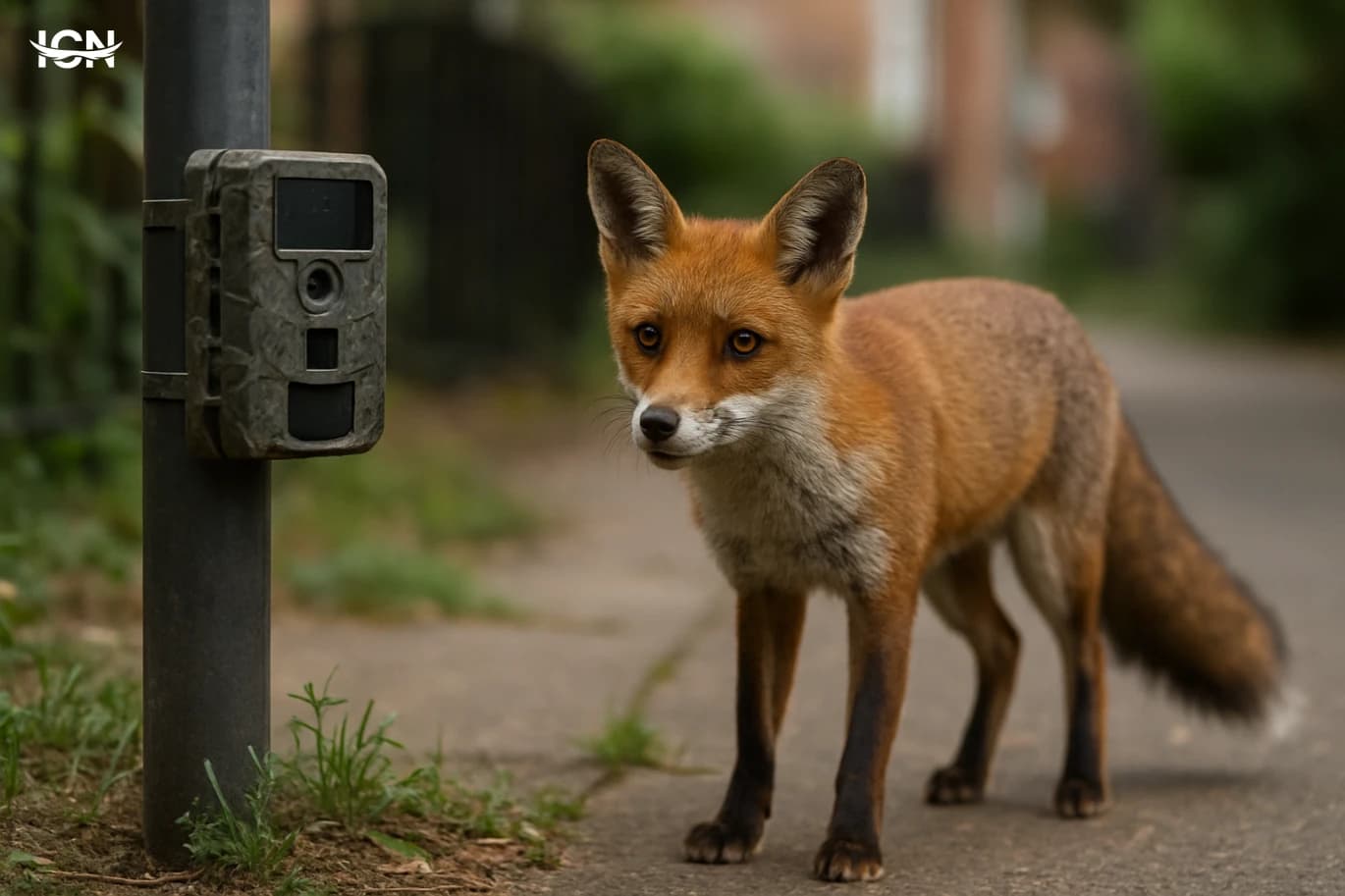
Urban fox sightings are rising in many regions, not because foxes suddenly changed, but because cities now offer predictable resources. Residential areas provide steady food opportunities through unsecured waste bins, compost heaps, fallen fruit, and pet food left outdoors. Parks, rail corridors, and riverside paths create connected green routes that let foxes travel while staying partially hidden. Cities also reduce some pressures found in rural landscapes, such as intensive land management that removes cover and fragments habitat. Foxes are highly adaptable omnivores. Their ability to shift diet seasonally and exploit small patches of habitat makes them well suited to neighborhoods with gardens, vacant lots, and hedgerows. They also benefit from warmer microclimates created by buildings and paved surfaces, which can reduce winter stress and extend foraging time. Understanding these drivers matters because it frames urban foxes as a predictable part of city ecology rather than a sudden “problem” to be removed.
World Wildlife Day in Practice
World Wildlife Day is observed every year on 3 March to highlight the value of wild animals and plants and the systems that support them. The date is linked to the signing of the Convention on International Trade in Endangered Species of Wild Fauna and Flora (CITES), a global agreement that helps ensure international trade does not threaten species survival. In practice, the day has become a focal point for public education, reporting on conservation outcomes, and encouraging cooperation between governments, researchers, businesses, and communities. The day matters because wildlife is not a separate “nature topic”; it is connected to food systems, water security, public health, and local economies. Pollination by insects supports many crops, healthy wetlands filter water and reduce flood risk, and intact habitats can limit the spread of some diseases by maintaining balanced ecosystems. When species decline, the impacts can show up in agriculture yields, fisheries stability, tourism revenue, and the cost of managing environmental damage. World Wildlife Day also provides a clear moment to measure progress. Are protected areas effectively managed? Are threatened species recovering? Is illegal trade being reduced through better monitoring and compliance? By concentrating attention on these questions once a year, organizations can communicate results and gaps in a way that is easier for the public to follow than technical reports alone.
How Cities Reshape Urban Wildlife
Urban expansion is not only pushing wildlife out of traditional habitats; it is also creating new, predictable opportunities that some species exploit. Cities concentrate food through trash, compost, outdoor dining, and intentional feeding, while parks and gardens provide shelter and nesting sites. Artificial lighting extends foraging time for certain birds and insects, and warmer “heat island” temperatures can reduce winter mortality. These advantages help explain why animals such as foxes, raccoons, coyotes, gulls, and many songbirds are increasingly recorded in metropolitan areas across North America, Europe, and parts of the Middle East. The shift is not random. Species that adapt well tend to share traits: flexible diets, high learning ability, tolerance of human presence, and the capacity to use fragmented green spaces. Meanwhile, specialists that require large territories, specific prey, or undisturbed breeding sites often decline as cities grow. The result is a reshuffling of local biodiversity, where a smaller set of “urban winners” becomes more common, sometimes at the expense of less adaptable native species. Understanding these drivers is essential for planning cities that reduce conflict and protect ecological functions.
Vanishing River Wildlife Crisis
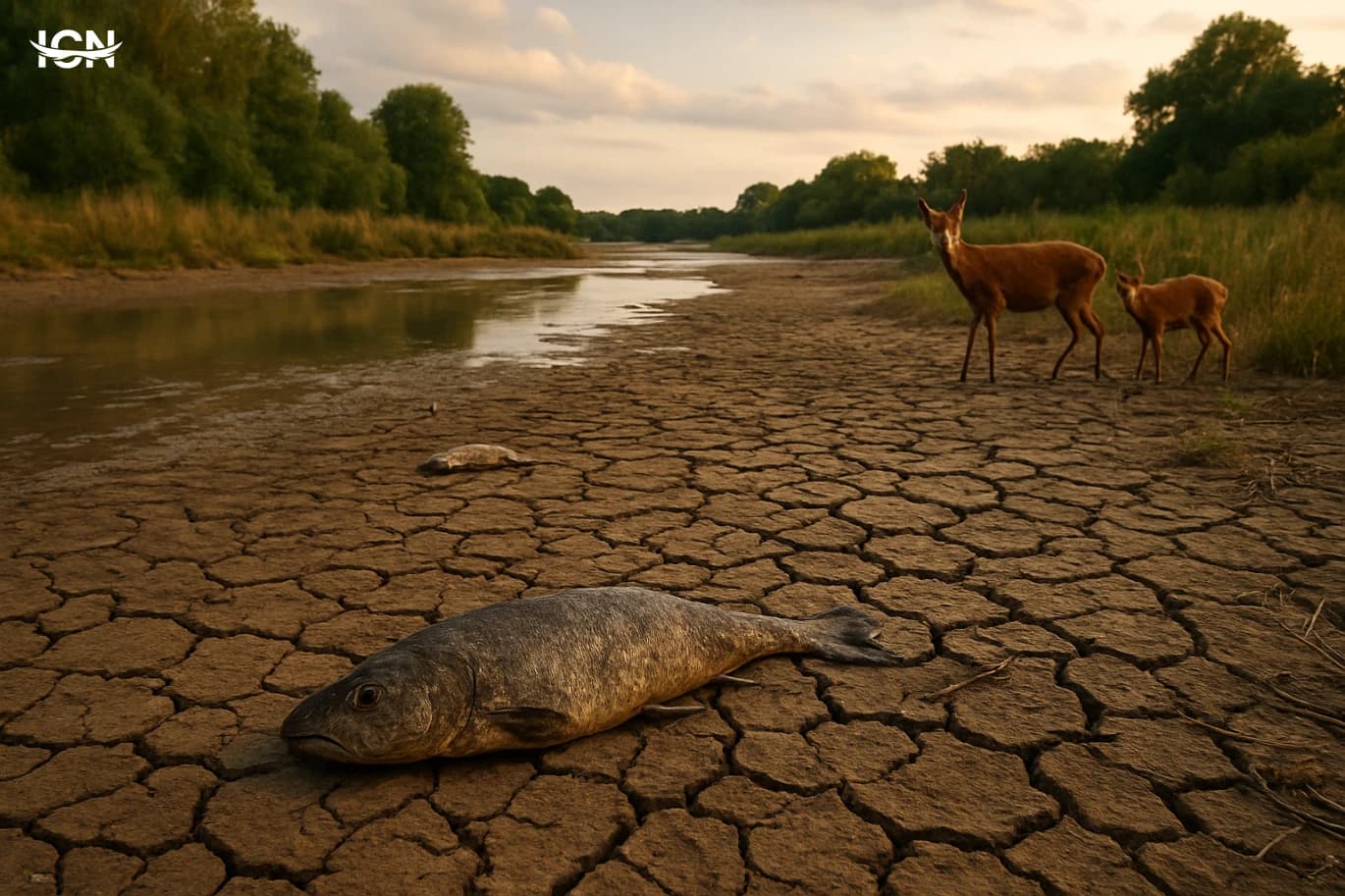
Freshwater river ecosystems support a disproportionate share of global biodiversity and provide ecosystem services for over a billion people, yet they are among the fastest-declining habitats worldwide. Scientific assessments, including recent Living Planet Reports, estimate freshwater vertebrate populations have declined by roughly 80% since 1970, driven by multiple interacting pressures. This section summarizes the scale and scope of river wildlife loss, noting that impacts vary by region: for example, the Mekong basin has seen major declines in large migratory fish due to dam construction, while the Colorado and Murray–Darling systems face acute species loss linked to water extraction and pollution. The overview establishes that declines are measurable, geographically uneven, and the result of identifiable human activities, not natural cycles.
Tracking Urban Foxes After Dark
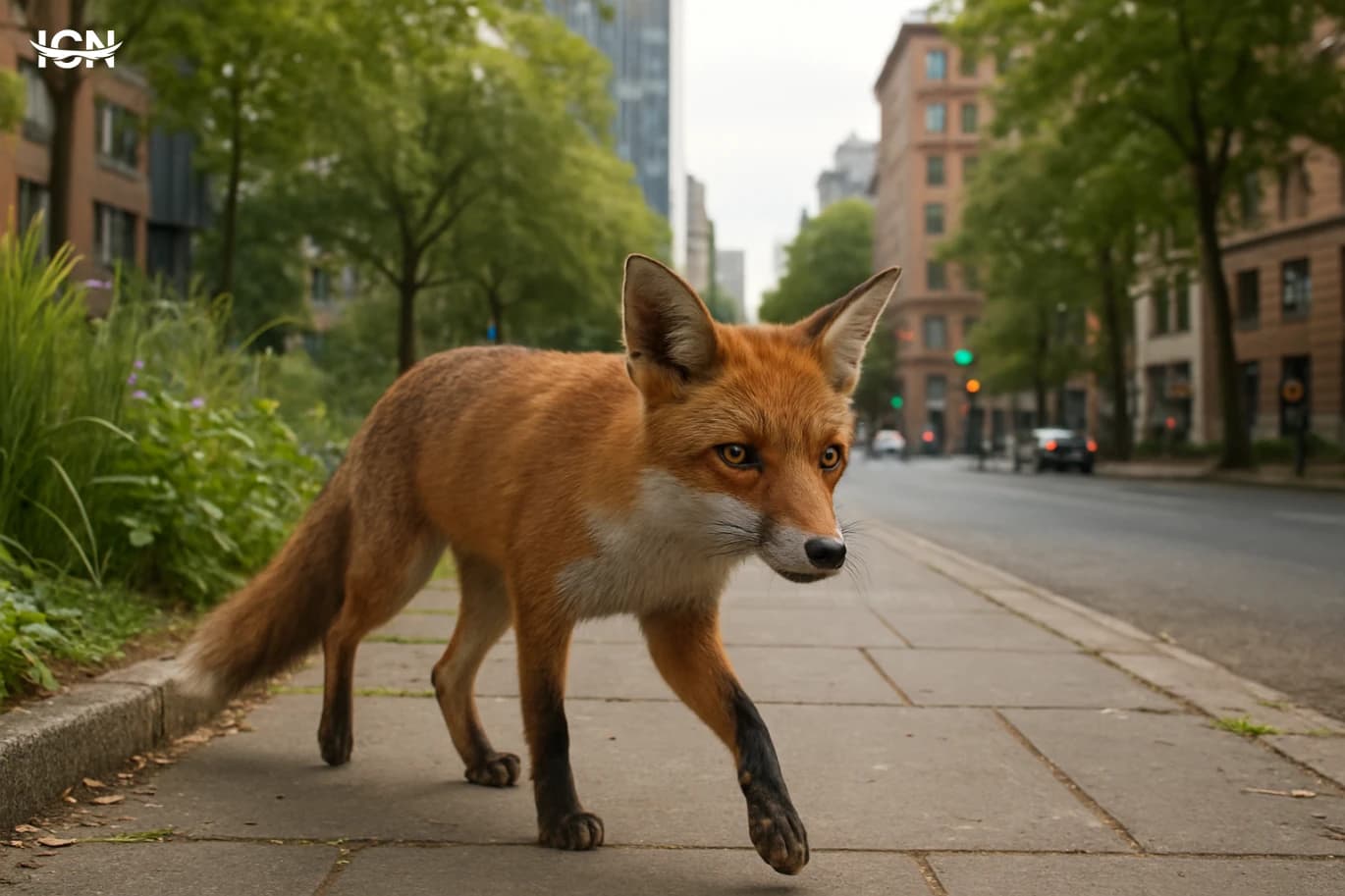
Urban fox sightings are rising in many regions because cities now offer a reliable mix of food, shelter, and fewer large predators. Foxes are highly adaptable omnivores; they can switch between rodents, insects, fruit, and human food waste without major changes in behavior. Neighborhoods with accessible bins, compost piles, outdoor pet food, and restaurant dumpsters create predictable feeding routes that can support multiple individuals. Cities also provide denning opportunities that mimic natural cover. Foxes use overgrown lots, railway embankments, parks, cemeteries, and even spaces under sheds or decks. Construction sites can temporarily create quiet cavities and soil piles suitable for dens. Warmer urban microclimates can reduce winter stress and extend the season when prey like rodents remain active, which helps adults maintain body condition and raise pups. Another driver is landscape fragmentation around expanding suburbs. As farmland and woodland are broken into smaller patches, foxes often end up navigating roads and housing developments to reach resources. Over time, individuals that tolerate traffic noise, lights, and human presence are more likely to thrive and reproduce, gradually normalizing urban living for local populations.
By clicking the SUBSCRIBE button, you are agreeing to our Privacy & Cookie Policy If you want to unsubsribe the marketing email, please proceed to our privacy center.
© 2005-2026 ICN. All Rights Reserved.