Tracking Urban Foxes After Dark
- Why foxes are moving into cities
- What nighttime tracking reveals
- How foxes interact with pets and people
- Citizen science and ethical observation
- What cities can do to reduce conflict
Why foxes are moving into cities
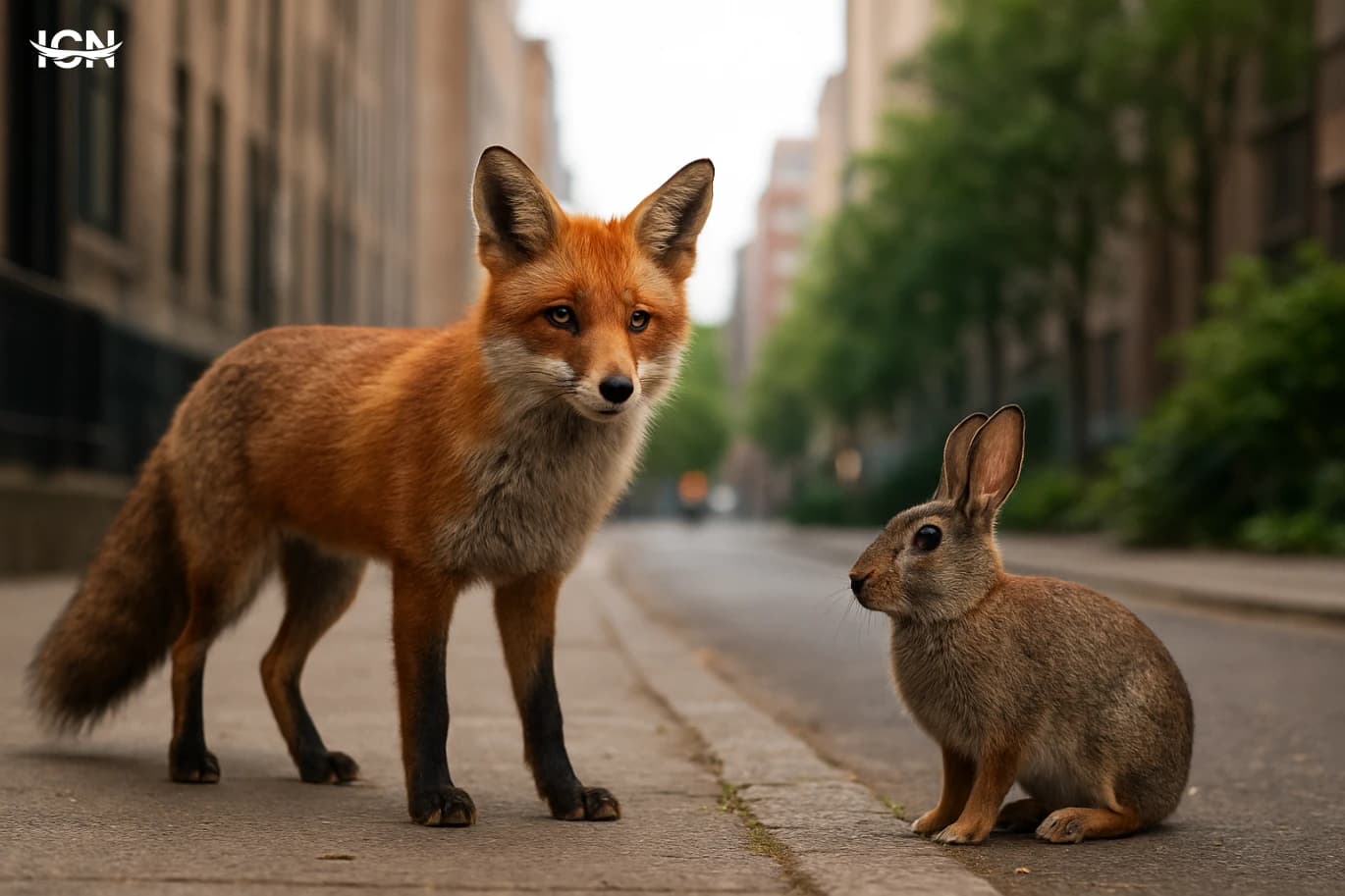
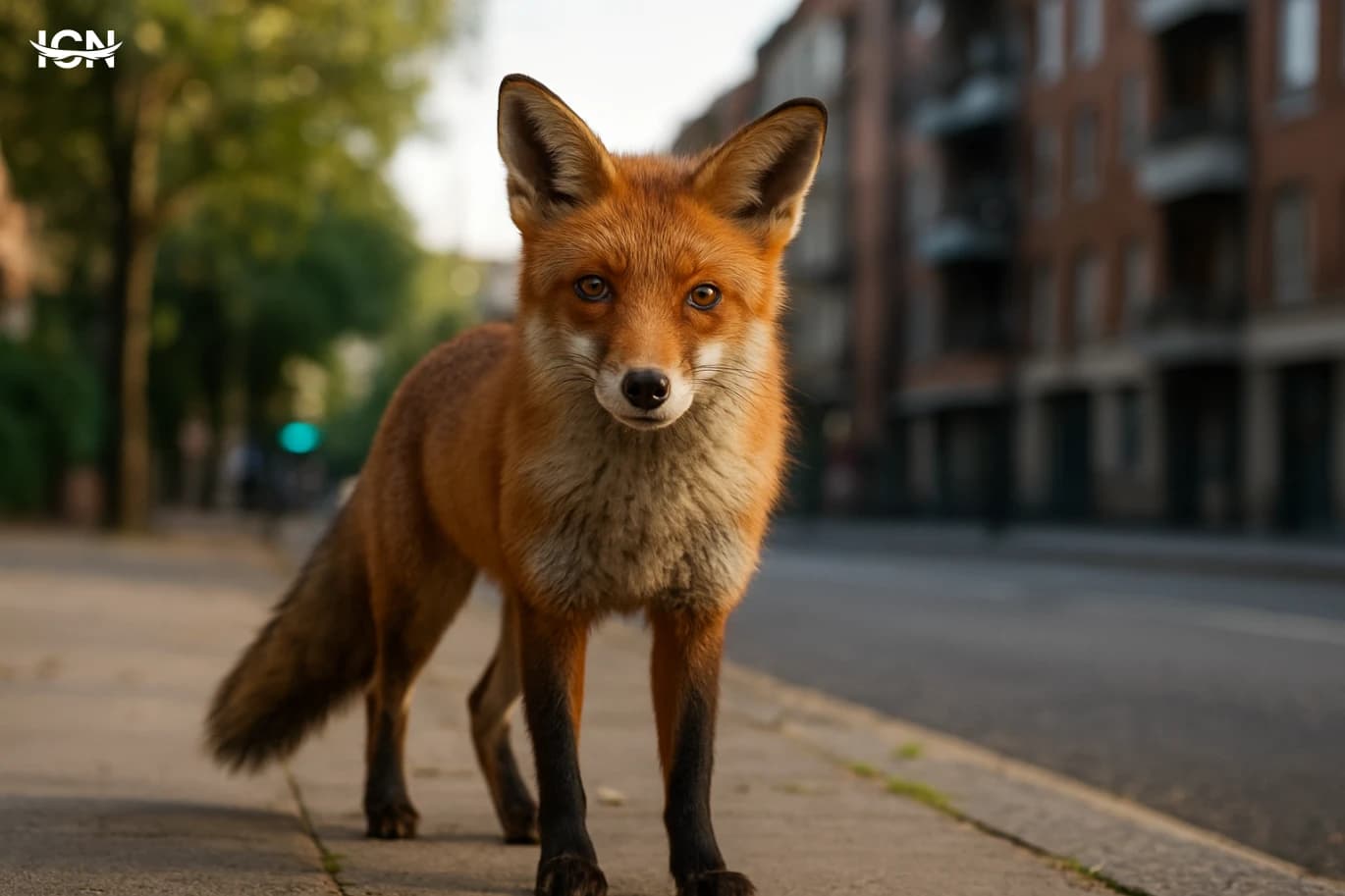
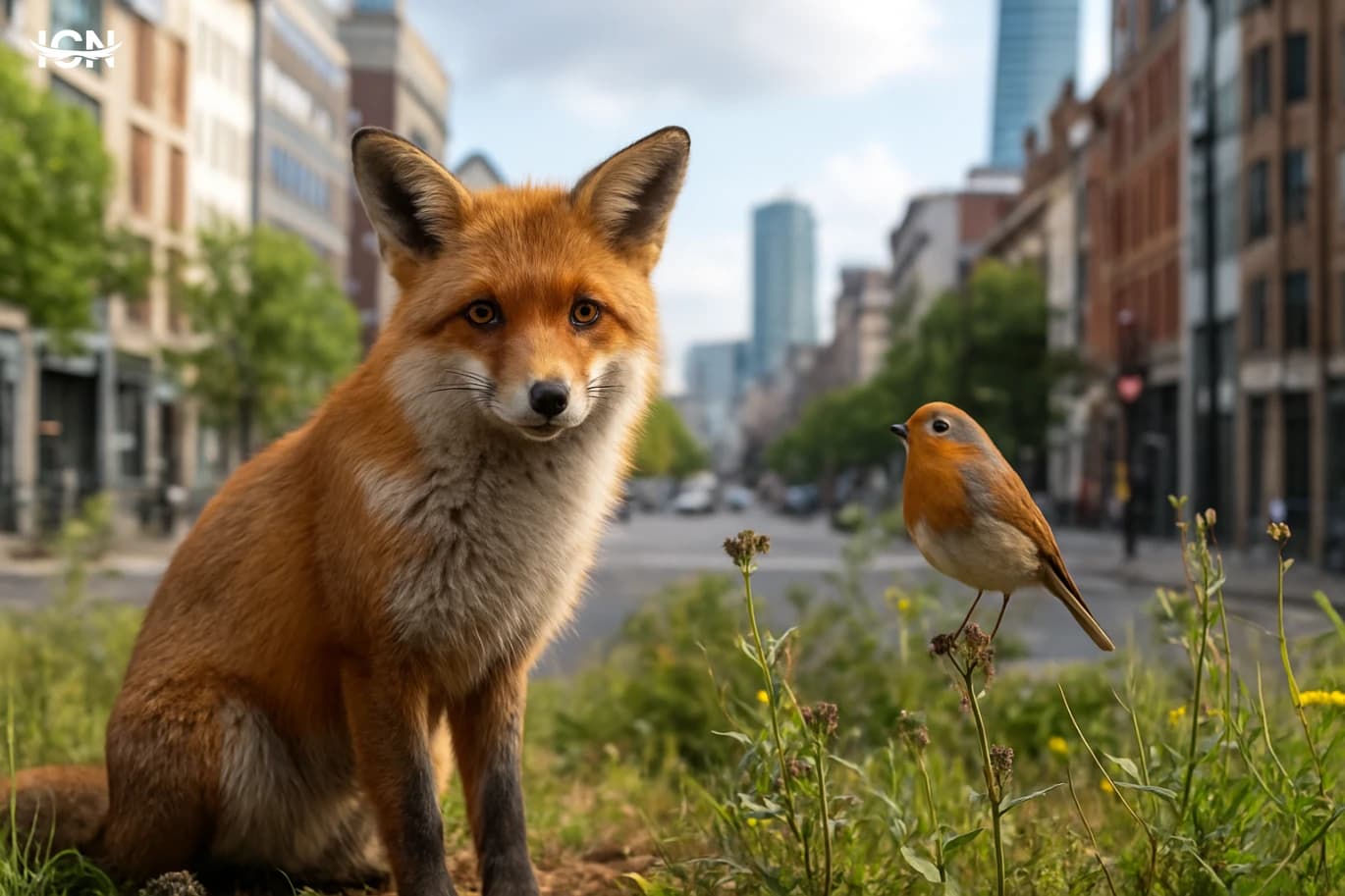
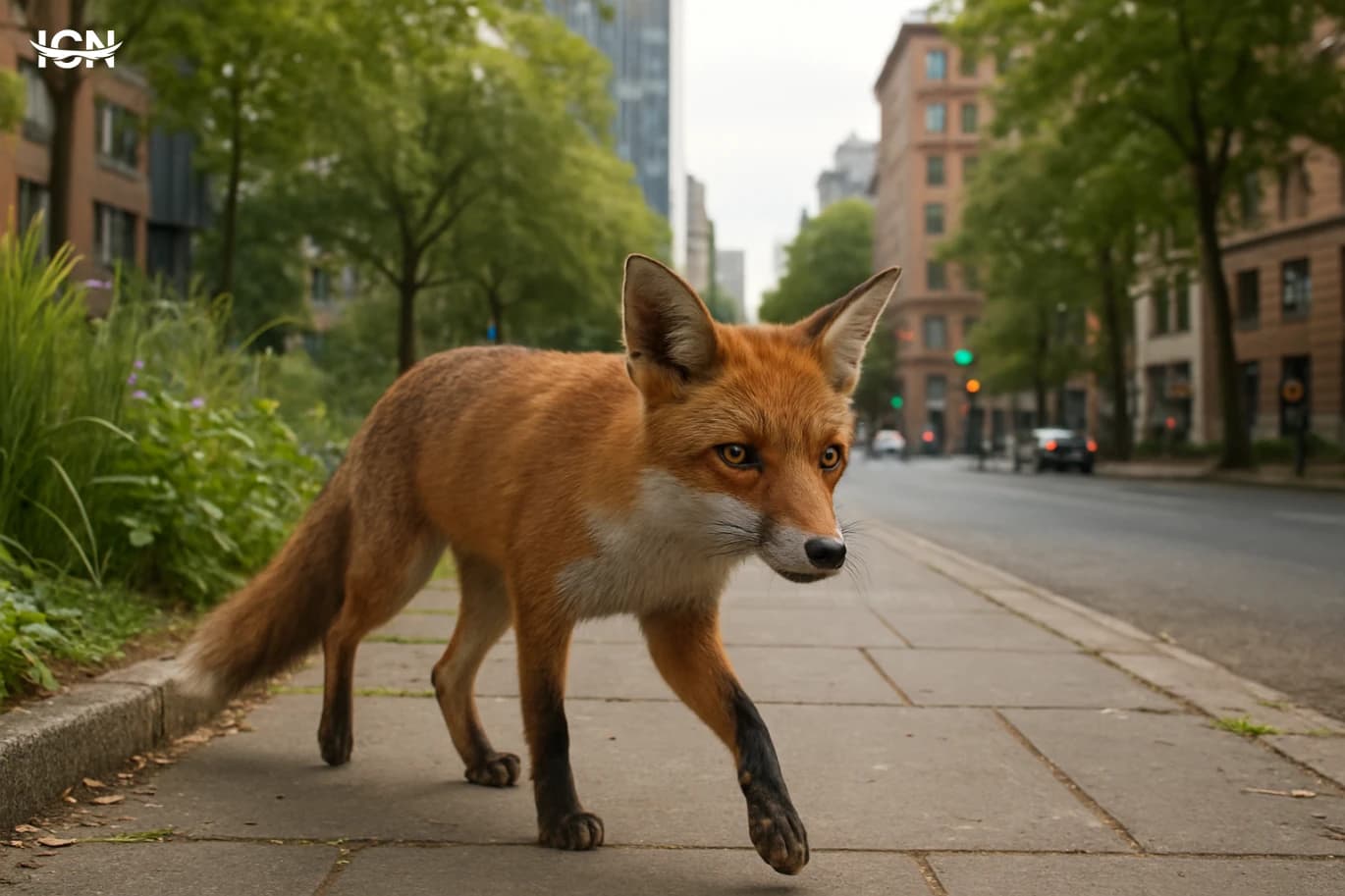
Urban fox sightings are rising in many regions because cities now offer a reliable mix of food, shelter, and fewer large predators. Foxes are highly adaptable omnivores; they can switch between rodents, insects, fruit, and human food waste without major changes in behavior. Neighborhoods with accessible bins, compost piles, outdoor pet food, and restaurant dumpsters create predictable feeding routes that can support multiple individuals. Cities also provide denning opportunities that mimic natural cover. Foxes use overgrown lots, railway embankments, parks, cemeteries, and even spaces under sheds or decks. Construction sites can temporarily create quiet cavities and soil piles suitable for dens. Warmer urban microclimates can reduce winter stress and extend the season when prey like rodents remain active, which helps adults maintain body condition and raise pups. Another driver is landscape fragmentation around expanding suburbs. As farmland and woodland are broken into smaller patches, foxes often end up navigating roads and housing developments to reach resources. Over time, individuals that tolerate traffic noise, lights, and human presence are more likely to thrive and reproduce, gradually normalizing urban living for local populations.
What nighttime tracking reveals
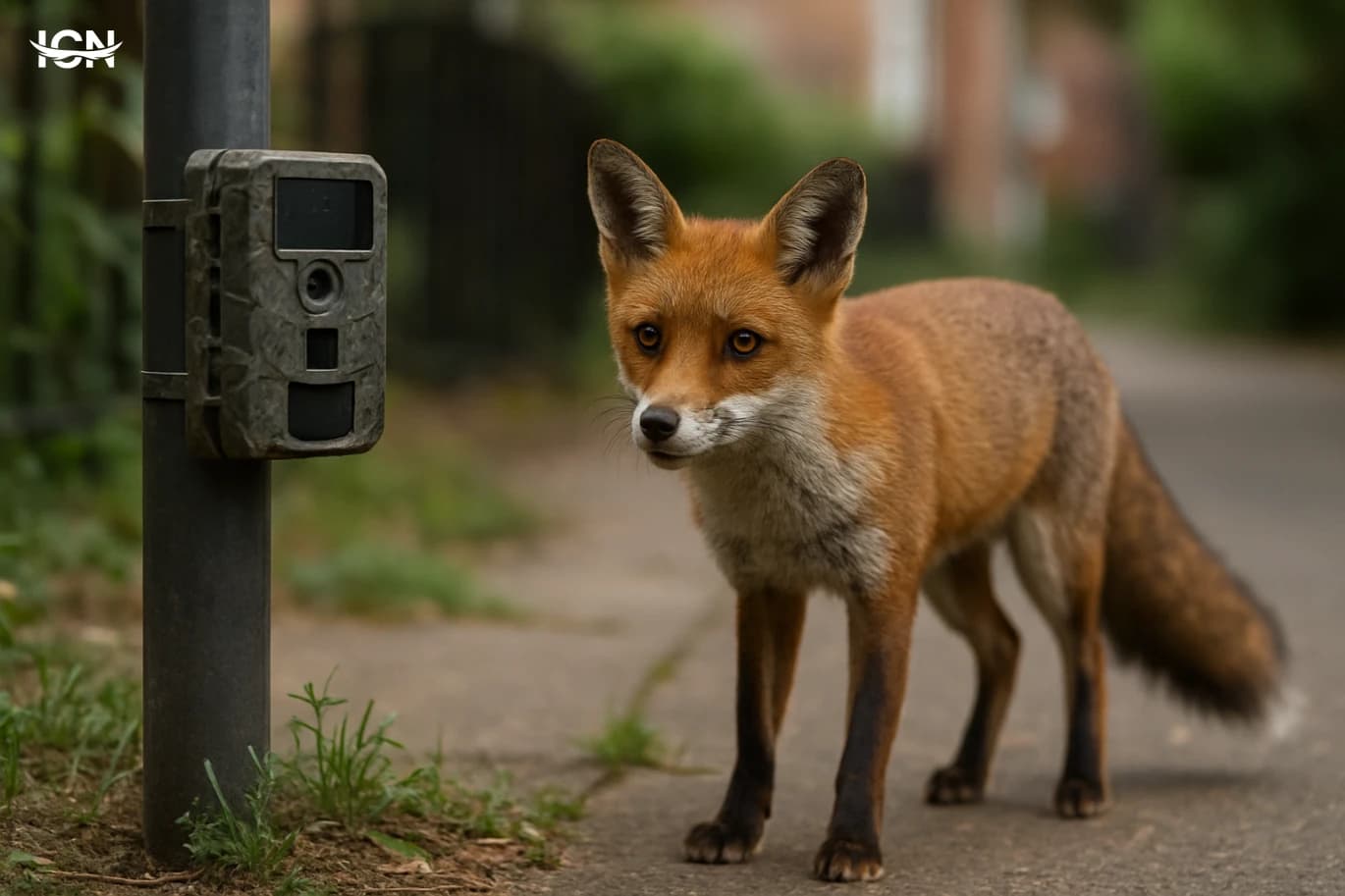
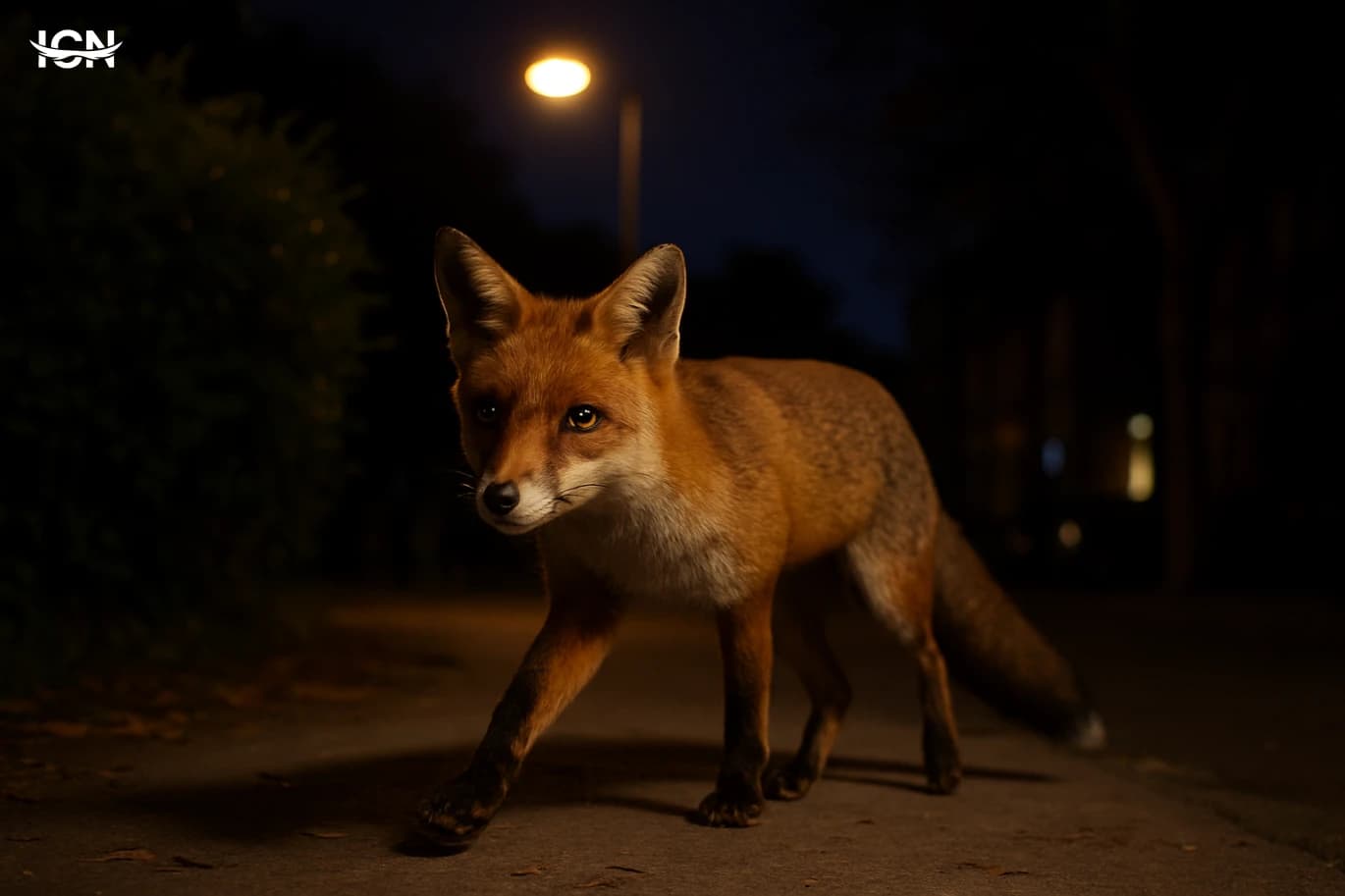
Most urban fox activity peaks after dusk, when traffic drops and human movement slows. Nighttime tracking—using trail cameras, footprint surveys, and GPS collars in research settings—shows that foxes often follow linear features that reduce effort and risk. They move along fence lines, hedges, drainage channels, and the edges of parks, using these corridors to cross neighborhoods while staying partially concealed. Data from camera traps frequently reveals repeated “commute” patterns: a fox leaves a daytime resting site, visits a sequence of known food points, and returns before dawn. These routes can be surprisingly consistent, sometimes varying only when bins are secured, new construction blocks access, or a competing fox appears. In areas with multiple individuals, tracking can identify territorial boundaries marked by scent, with overlap zones near high-value food sources. Night tracking also highlights how foxes manage hazards. They often pause at road edges and cross at quieter points, such as near traffic-calmed streets, roundabouts with central planting, or underpasses. In some cities, foxes use pedestrian bridges or culverts. Understanding these choices matters for reducing road mortality and for planning green infrastructure that connects parks and river corridors. For residents, the practical takeaway is that a single sighting rarely indicates a den in the immediate area. Foxes can cover several kilometers in a night, and the animal seen on a street may be passing through on a routine route rather than “moving in” to that block.
How foxes interact with pets and people
Urban foxes generally avoid direct contact with people, but close encounters happen because of shared spaces and food. Most conflicts start with intentional or accidental feeding. When foxes learn that a porch, back door, or alley consistently provides food, they may approach more boldly and appear “tame,” even though they remain wild animals. With pets, the risk profile depends on size, supervision, and local conditions. Small pets left outdoors at night—such as rabbits, guinea pigs, or small cats—are more vulnerable than larger dogs. Foxes can investigate poultry coops and may take chickens if enclosures are weak. For dogs, incidents are uncommon but can occur if a dog corners a fox or approaches a den during the breeding season. Vaccination and parasite prevention for pets are practical safeguards, since foxes can carry fleas, ticks, and intestinal parasites. Public health concerns are often misunderstood. In many countries, rabies risk is low or controlled, but local guidance matters. Mange can be visible in urban foxes and may lead to daytime activity due to poor condition. Residents should avoid handling sick animals and report them to wildlife services. The goal is not to eliminate foxes but to reduce attractants and prevent habituation. Clear boundaries help: keep bins secured, feed pets indoors, clean up fallen fruit, and supervise pets after dark. These steps reduce the chance that foxes associate homes with easy meals and keep interactions brief and non-confrontational.
Citizen science and ethical observation
Urban wildlife research increasingly relies on citizen science, because residents are the ones who notice patterns across seasons and neighborhoods. Reporting sightings with time, location, and behavior notes can help map activity hotspots and identify road-crossing points. Some projects also collect audio recordings of calls during breeding season or use standardized camera-trap protocols in backyards. Ethical observation is essential. The most useful data comes from animals behaving naturally, not from foxes drawn in by food. Feeding can distort movement patterns, increase disease transmission at shared feeding sites, and intensify conflicts with neighbors. If using a camera, place it at a respectful distance, avoid pointing it into private spaces, and do not attempt to locate dens by following animals repeatedly. Good observation focuses on practical indicators: tracks in soft soil, scat placement along paths, and the timing of visits to bins or compost. Note whether the fox is alone or with juveniles, and whether it shows signs of poor health such as hair loss or limping. Photos can be valuable for identification, but they should not be taken at close range or with flash that may startle the animal. When communities share information responsibly—through local wildlife groups, municipal reporting tools, or university projects—cities can make better decisions about waste management, green corridors, and public messaging. The result is fewer conflicts and a clearer understanding of how a native predator fits into the urban ecosystem.
What cities can do to reduce conflict
Municipal policy has a direct impact on urban fox behavior because it shapes food availability and safe movement. The most effective interventions are usually basic: secure waste systems, consistent collection schedules, and enforcement against illegal dumping. Animal-proof bins in parks and commercial areas reduce scavenging and discourage foxes from associating busy public spaces with food. Urban planning can also lower risk. Maintaining connected green corridors—riverbanks, rail-side vegetation strips, and linked parks—gives foxes routes that avoid heavy traffic. Where roads cut across known wildlife paths, measures such as fencing that guides animals toward underpasses, improved lighting at crossing points, and reduced speed zones can reduce collisions. Public communication matters as much as infrastructure. Clear guidance on not feeding foxes, securing backyard poultry, and reporting injured animals helps align resident behavior. In some cities, targeted outreach during breeding season reduces incidents involving dogs near dens. Training for animal control and sanitation teams can ensure responses are consistent and focused on prevention rather than reactive removal. Finally, cities can support monitoring programs that track population health and disease trends. Regular data helps officials distinguish between normal seasonal behavior and genuine problems, such as a localized mange outbreak or a spike in road deaths. With practical management, urban foxes can remain a visible part of city wildlife without becoming a persistent nuisance.