Tracking Urban Foxes Without Disturbing Them
- Why foxes are moving into cities
- Reading signs without seeing the animal
- Setting up cameras responsibly
- What to log for useful observations
- Reducing conflict in shared spaces
- bookmark
Why foxes are moving into cities
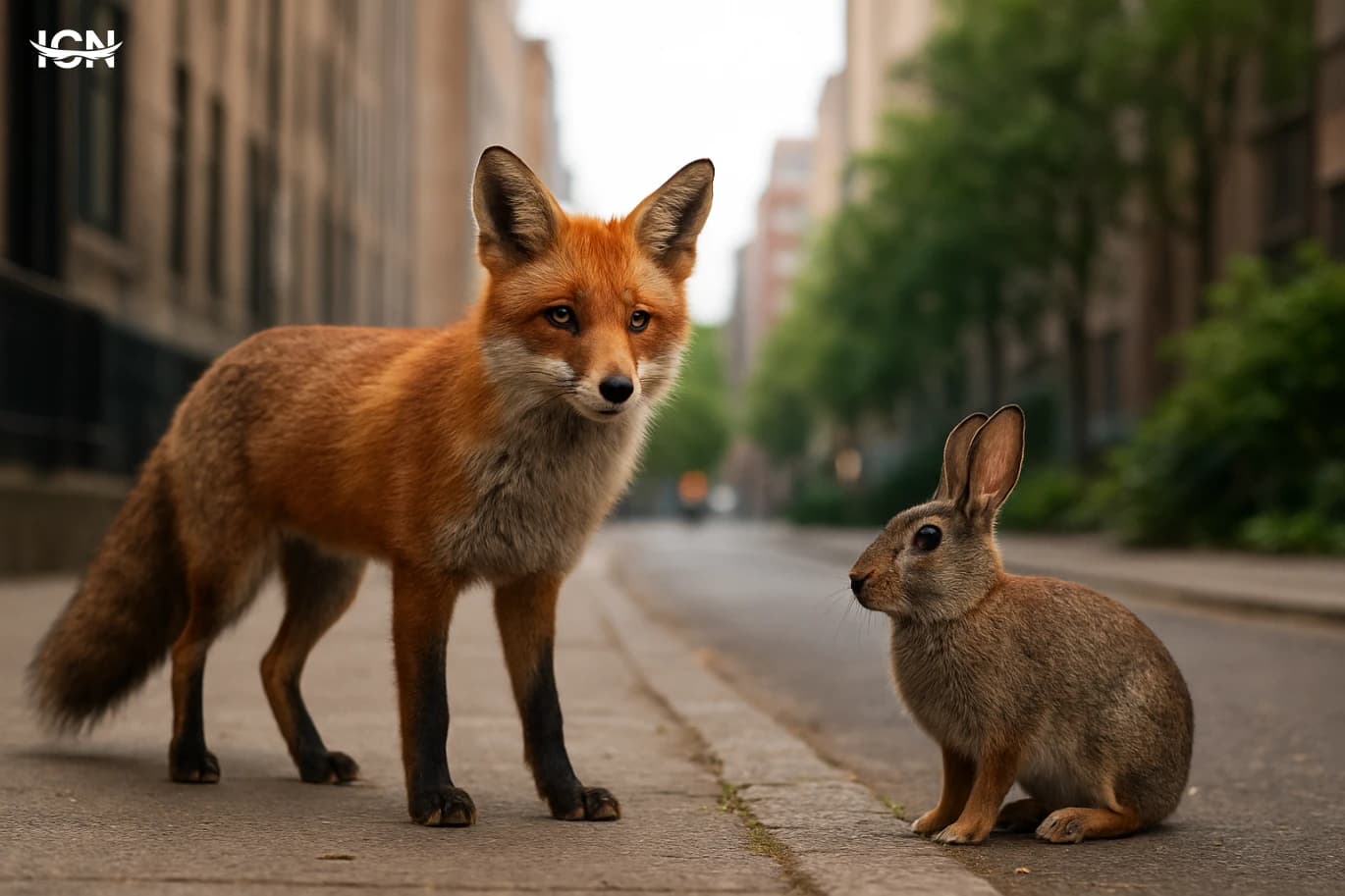
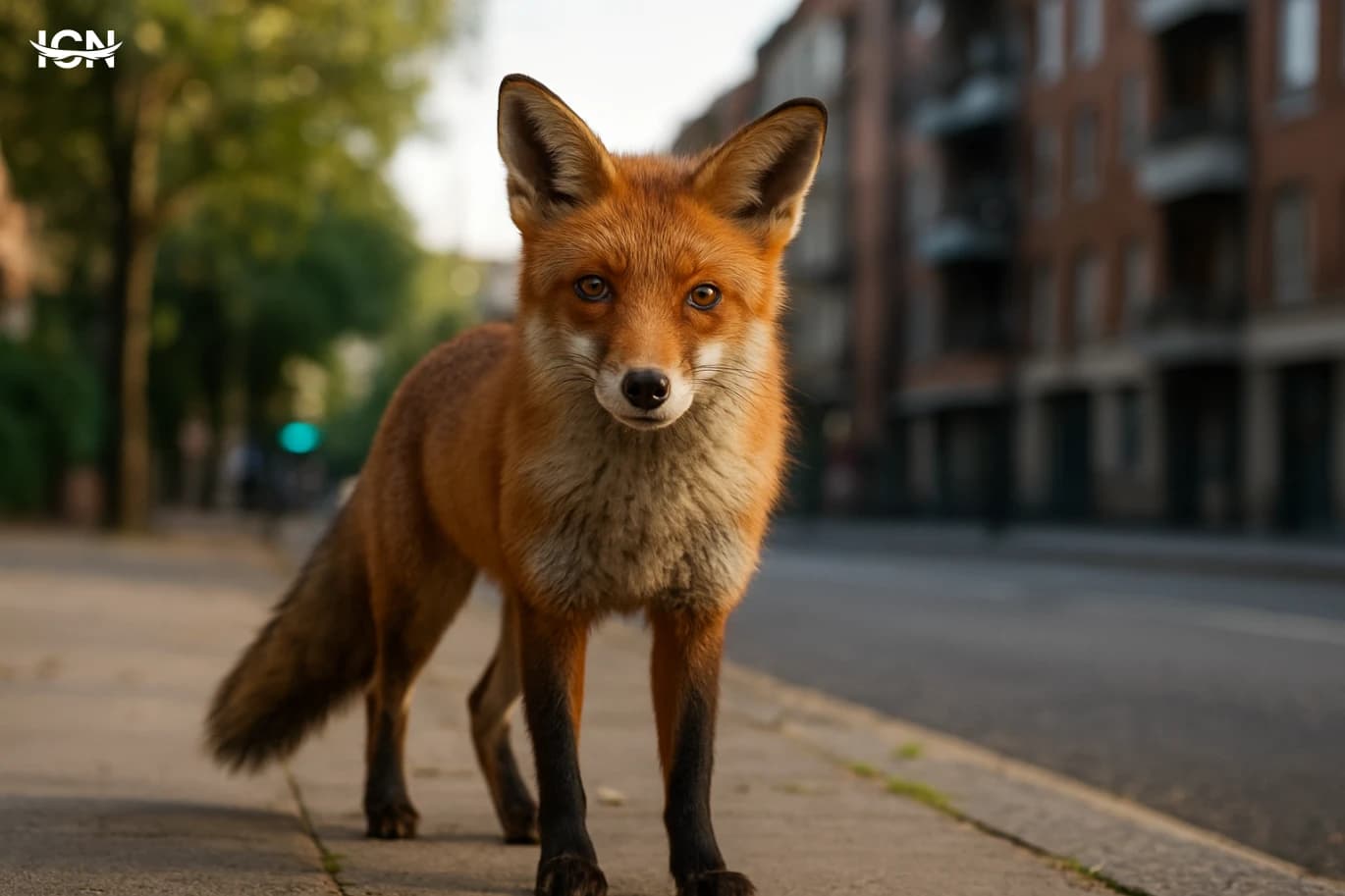
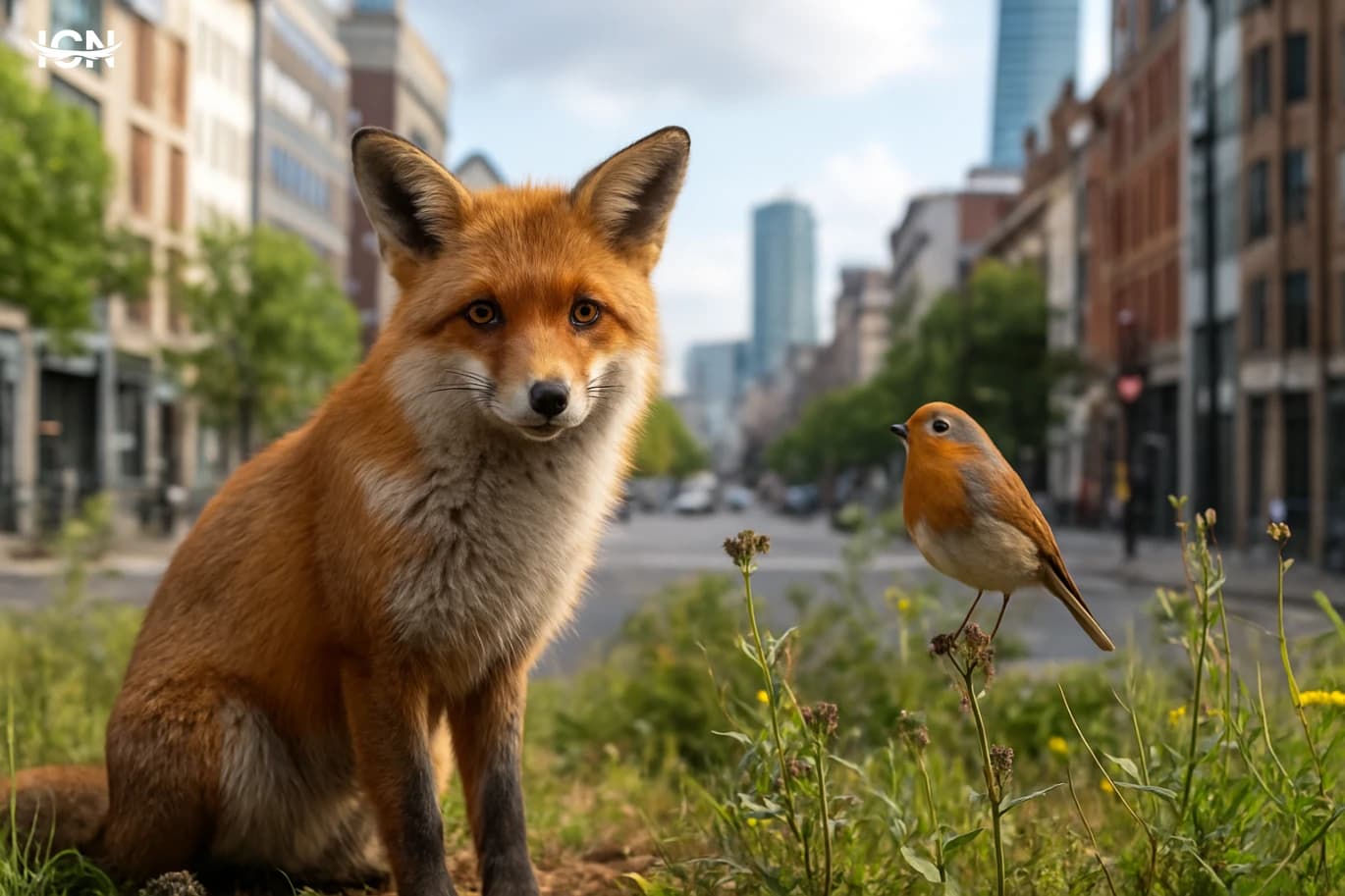
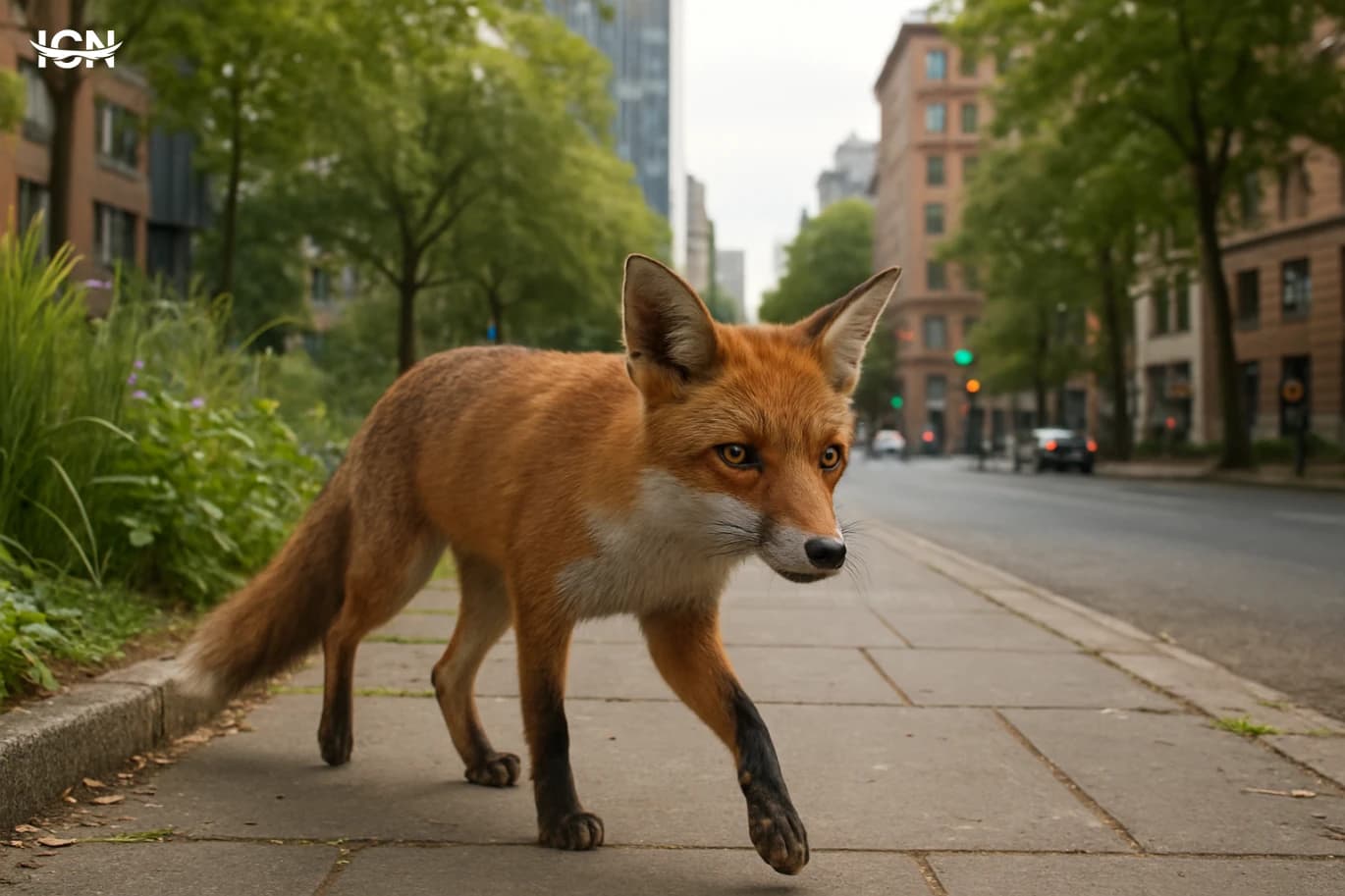
Urban fox sightings are rising in many regions, not because foxes suddenly changed, but because cities now offer predictable resources. Residential areas provide steady food opportunities through unsecured waste bins, compost heaps, fallen fruit, and pet food left outdoors. Parks, rail corridors, and riverside paths create connected green routes that let foxes travel while staying partially hidden. Cities also reduce some pressures found in rural landscapes, such as intensive land management that removes cover and fragments habitat. Foxes are highly adaptable omnivores. Their ability to shift diet seasonally and exploit small patches of habitat makes them well suited to neighborhoods with gardens, vacant lots, and hedgerows. They also benefit from warmer microclimates created by buildings and paved surfaces, which can reduce winter stress and extend foraging time. Understanding these drivers matters because it frames urban foxes as a predictable part of city ecology rather than a sudden “problem” to be removed.
Reading signs without seeing the animal
The least disruptive way to track urban foxes is to look for evidence rather than chase a sighting. Footprints are one of the most useful clues. In soft soil, sand, or fresh snow, fox tracks often show a narrow, straight line of travel, with the front and back paws landing close to a single path. Measuring track width and photographing it next to a coin or ruler helps with later identification, especially in areas where domestic dogs also roam. Scat can indicate territory use and diet. Fox droppings are often placed in visible locations such as path edges, low walls, or the center of a trail, functioning as scent markers. Observers should never handle scat directly; a photo and location note are enough. Other signs include small dug holes where foxes search for insects or rodents, flattened grass where an animal rested, and distinctive musky odor near frequently used routes. By focusing on signs, residents can learn patterns of movement while keeping distance and avoiding stress to the animal.
Setting up cameras responsibly
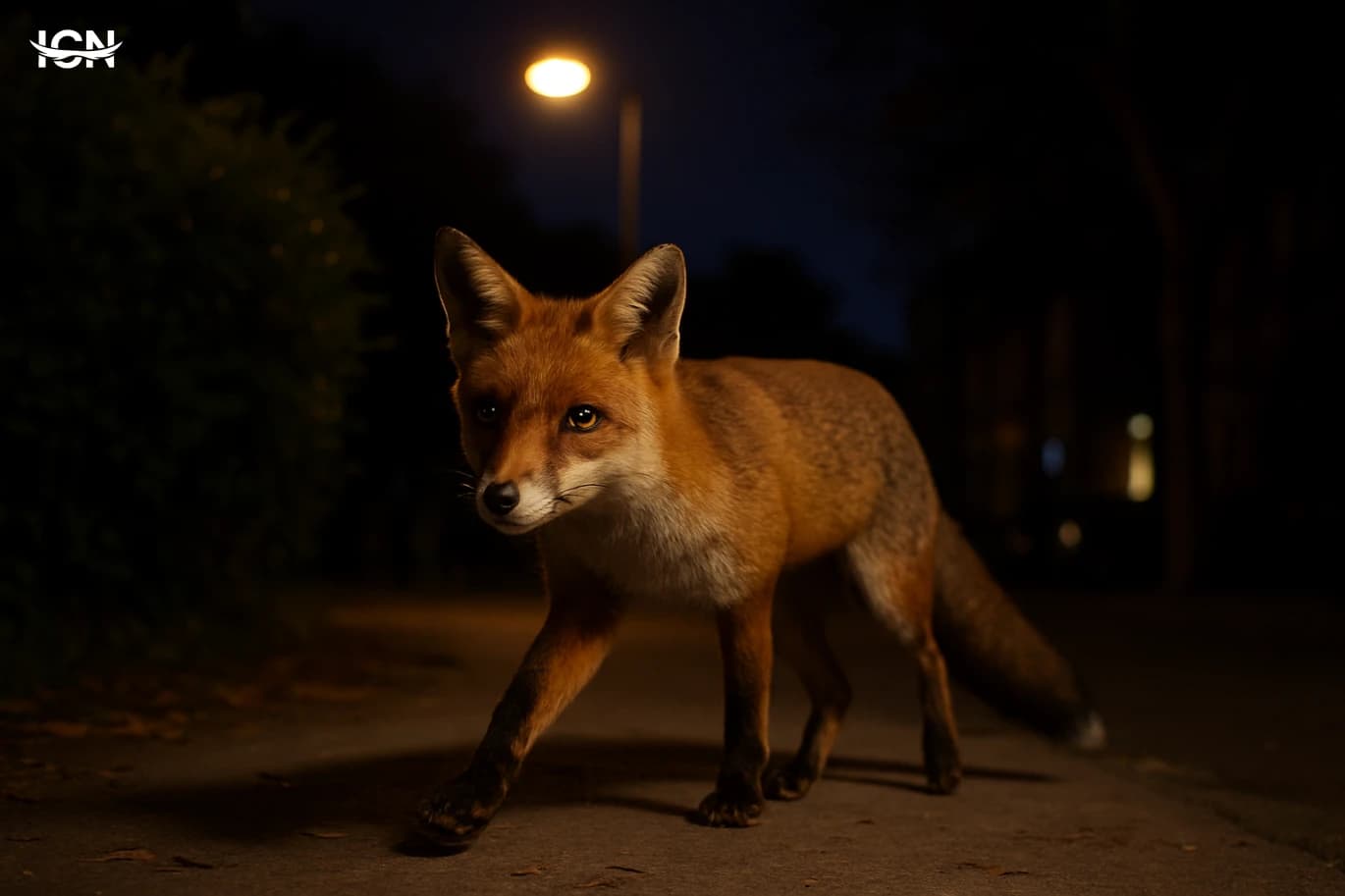
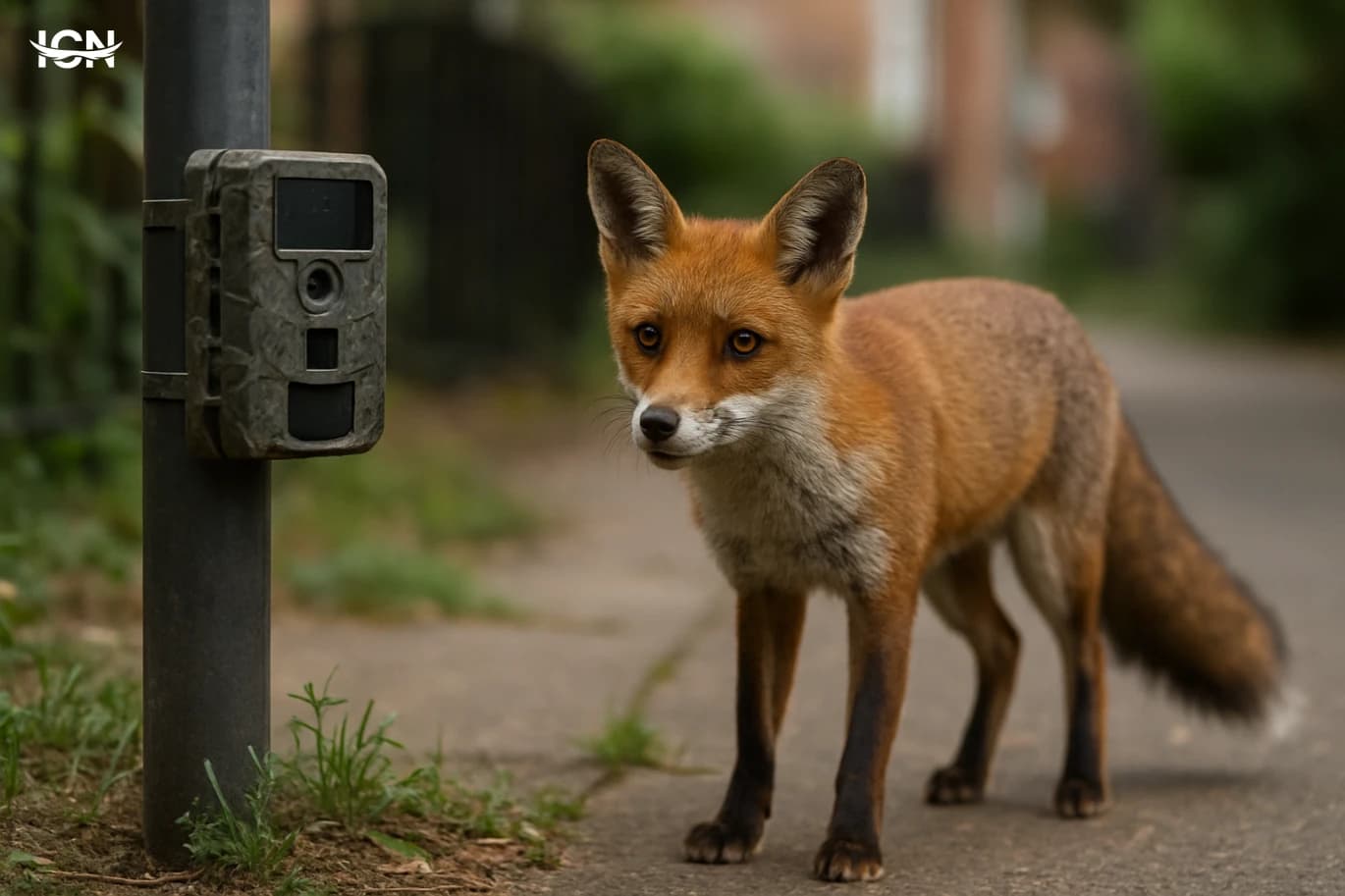
Camera traps and home security cameras can document fox activity with minimal disturbance when used carefully. Placement matters: aim cameras along existing travel routes such as fence lines, hedge gaps, or the edge of a park path rather than pointing directly at a den area. Keep a respectful distance from suspected resting sites and avoid repeated visits that leave human scent. If using a camera trap, mount it at a low height and angle slightly downward to capture a fox’s body without requiring the animal to approach closely. Lighting choices are also important. White flash can startle wildlife and may change behavior, especially in quiet residential streets. Infrared or low-glow settings are preferable. Avoid baiting with food; it can concentrate animals, increase conflict with pets, and alter natural movement. Instead, rely on passive monitoring and consistent settings. For privacy and safety, ensure cameras do not capture neighbors’ windows or private spaces, and follow local rules for recording in shared areas. Responsible camera use can produce reliable data on timing, routes, and seasonal changes without turning wildlife into a neighborhood spectacle.
What to log for useful observations
Casual sightings become valuable when recorded consistently. A simple log should include date, time, exact location (street name or GPS point), and the type of evidence: direct sighting, track, scat, or camera image. Note the fox’s behavior in neutral terms, such as “walking along hedge line,” “foraging near bins,” or “resting under shrubs,” rather than assumptions about aggression or illness. If possible, estimate distance and whether pets or people were nearby. Seasonal context improves interpretation. In late winter and early spring, foxes may travel more as breeding season affects movement. In summer, adults may make frequent trips if they are feeding young. Recording weather conditions, noise levels (construction, traffic), and lighting can help explain changes in activity. For community science projects, photos should be time-stamped and unedited, and observers should avoid posting precise den locations publicly. Good logs help researchers and local wildlife services understand patterns and advise residents on practical coexistence measures.
Reducing conflict in shared spaces
Tracking should go hand in hand with practical steps that reduce attractants. Secure waste bins with tight lids, avoid leaving food scraps outside, and clean up fallen fruit that can draw wildlife into small yards. If you feed pets outdoors, bring bowls in promptly. In areas with frequent fox visits, motion-activated lights can discourage lingering without causing harm, but they should be positioned to avoid disturbing neighbors. For pet owners, supervision is the most effective measure. Keep cats indoors at night where possible, and walk dogs on a leash near known fox routes, especially at dawn and dusk. Never attempt to corner or approach a fox for a photo. If a fox appears unusually bold, the appropriate response is calm hazing from a distance—making yourself present by clapping or speaking firmly—then removing food sources. Communities that manage waste well and keep green corridors intact tend to see fewer negative encounters, because foxes can move through without being forced into close contact with people.
bookmark
A responsible urban fox tracking plan is simple: observe signs, use cameras carefully, record data consistently, and reduce attractants. The goal is not to increase encounters, but to understand when and where foxes move so residents can adjust routines. Over time, logs often show that foxes follow predictable corridors and avoid busy areas when given alternatives. If you want to turn interest into a community project, coordinate with local wildlife groups or city ecology programs that can standardize reporting and protect sensitive locations. Share general findings—such as peak activity hours or common routes—without publishing exact den sites. When tracking is done with distance and discipline, it becomes a practical tool for coexistence and a way to document how cities are changing wildlife behavior in measurable, non-invasive ways.