Winter Olympic Games
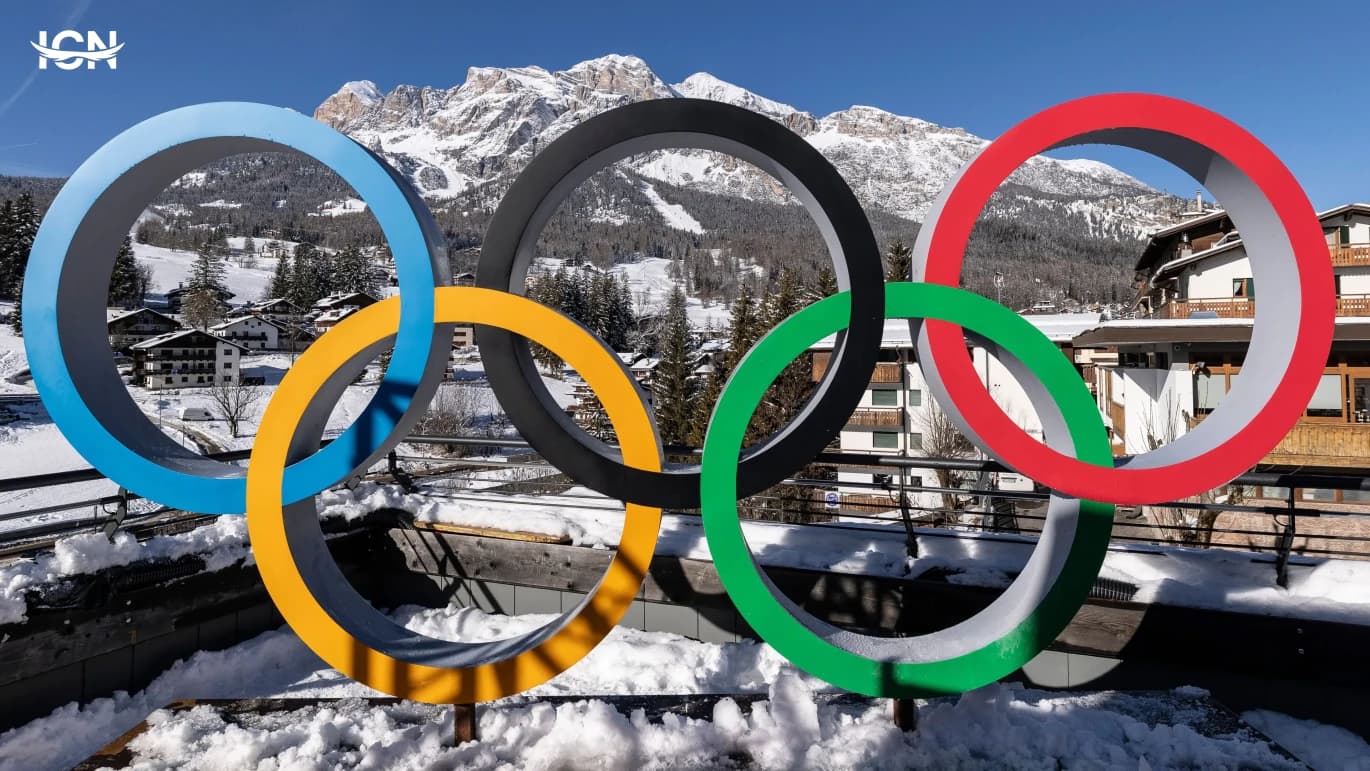
- The concept of the Winter Olympic Games
- History of the Winter Olympic Games: Origin and Temporal Development
- Winter Olympic Sports: Diversity and Skill
- Host cities record and history of the Winter Olympic Games
- Records and International Participation
- Global significance and cultural impact
- Challenges and Innovation in the Winter Olympic Games
- 2026 Winter Olympics: Milan Cortina
- Frequently Asked Questions about the Winter Olympic Games
The concept of the Winter Olympic Games
The celebration of this historic event began in 1924, and since then, it has brought together the best athletes around the globe to compete under the banner of the Olympic rings. These competitions are characterized by a focus on high sportsmanship and contribute to promoting the values of friendship, respect, and excellence, which are fundamental in the history of the Olympic Games. It is a unique celebration aimed at enhancing cultural exchange and encouraging global interest in winter sports such as alpine skiing and figure skating.
History of the Winter Olympic Games: Origin and Temporal Development
1924: The official launch of the Winter Games The first Winter Olympic Games were held in 1924, hosted by the city of Chamonix in France. This historic event later became known as the 1924 Winter Games. It marked a major turning point, bringing winter sports under one umbrella, separate from the Summer Games. The success achieved by the 1924 Winter Games established this event as an independent international competition. Since then, it was decided that the Winter Olympic Games would be held regularly every four years, making it the largest international sporting event dedicated exclusively to snow and ice sports. The chronological development of the Winter Games (1928 - 1948) The early years, such as the 1928 Winter Games, 1932 Games, and 1936 Games, saw gradual growth in the number of countries and sports participating in the Winter Olympic Games. The Games were temporarily halted due to harsh global conditions during World War II. Competitions did not resume until the 1948 Winter Games, which restored this significant sports event to its regular international timeline. Separation of cycles: Major organizational change in the 1990s A major organizational change occurred in the 1990s regarding the scheduling of the Winter Olympic Games, aimed at enhancing its status as a major international sporting event. It was decided to separate the Winter Games from the Summer Games by two years instead of holding them in the same year. For instance, the 1992 Winter Games were followed by the 1994 Games, rather than waiting until 1996. This revision allowed both Olympic Games to receive greater media and organizational attention, supporting the promotion of winter sports worldwide.
Winter Olympic Sports: Diversity and Skill
Among the most recent additions are snowboarding and freestyle skiing, which have helped expand the young audience interested in watching these sports and attracted more countries to participate in the Winter Olympic Games. To understand the historical differences between winter Olympic sports, you can refer to the following table that illustrates some of the most prominent ones and their early appearance in the Olympic Games: Sport, Type of Competition, Essential Equipment, First Appearance in Winter Games. Alpine Skiing, Speed Racing and Slalom on Slopes, Skis, Helmet, Ski Poles, Winter Olympics 1936. Ice Hockey, Strong Team Sport on Ice, Sticks, Hockey Puck, Skates, 1920 (as part of the Summer Games before the separation of the Winter Games). Figure Skating, Artistic Displays and Acrobatics, Special Skates, Sportswear, 1908 (as part of the Summer Games). Bobsleigh, Speed Racing on a Narrow Icy Track, Team Sledge, Winter Olympic Games 1924. Ski Jumping, Jumping from a Specific High Platform, Long Skis, Winter Olympic Games 1924. International Competition and Size of the Winter Olympic Games. The numbers confirm the increasing importance of the Winter Olympic Games. Since their inception in 1924, the number of participating countries has increased significantly. For example, more than 80 countries from various continents participated in the last Games, reflecting the global dimension of this event. A set of medals is competed for within the framework of the Olympic rings. These competitions contribute to cultural exchange and encourage winter sports in countries that do not necessarily have favorable climatic conditions, enhancing the status of these winter sports competitions.
Host cities record and history of the Winter Olympic Games
Hosting the Winter Olympics requires providing specialized facilities such as figure skating rinks and alpine skiing tracks, in addition to an Olympic Village to accommodate thousands of athletes competing under the Olympic rings. The international nature and historical record of host cities reflect the global character of the Winter Olympic Games. Since the first edition in 1924, the games have been hosted by various cities around the world. This diversity has contributed to the global spread of winter sports, with Europe, North America, and Asia alternating in hosting these significant competitions. Historical examples of host cities: Each city adds its unique imprint and cultural heritage to the Olympics' history. Notable cities that have hosted the Winter Olympic Games include: Oslo, Norway: hosted in 1952. Sarajevo, Yugoslavia (now Bosnia and Herzegovina): hosted in 1984. Calgary, Canada: hosted in 1988. Albertville, France: hosted in 1992. Participation Statistics: Growth of the Winter Games The Winter Olympic Games have seen significant growth in participation since the 1924 Winter Games. In recent editions, more than 80 countries have competed in over 15 different sports. This growth underscores the Winter Olympic Games' status as the largest global gathering for winter sports and significantly contributes to cultural exchange and environmental interest in snowy regions.
Records and International Participation
This expansion indicates the success of the International Olympic Committee in promoting these sports in new areas, confirming the universality of the Olympic Games event. These countries compete in more than 15 different winter Olympic sports, spread across hundreds of medal-awarding events, from alpine skiing to ice hockey. Achievements in the Winter Games Achievements and sporting successes in the Winter Games are often linked to countries with rich skiing traditions, such as Norway, the United States, and Germany. However, the universality of the Winter Olympic Games has become evident with athletes from non-traditional countries winning medals, indicating a widening competitive base. Under the banner of the Olympic rings, success is not only measured by the number of medals won but also by athletes overcoming their personal challenges and reaching the global peak, etching their names in Olympic history. Importance of the Winter Olympic Games The Winter Olympic Games represent more than just a sporting competition; they significantly enhance cultural exchange among people. They also encourage the development of winter sports globally and increase awareness of the importance of the environment and snowy areas hosting these competitions. These games, since their inception in 1924, remain a pivotal event in the history of world sport, bringing together the world to celebrate sportsmanship and human excellence.
Global significance and cultural impact
When athletes from different cultural backgrounds come together, they foster understanding and mutual respect among nations. This cultural exchange is an integral part of the message of the Olympic rings, representing the continents of the world united under the banner of sports. Developing winter sports globally The Winter Olympics significantly contribute to promoting and developing winter sports worldwide. It is a massive platform showcasing sports like alpine skiing and figure skating to millions of viewers around the world. This increases interest in participating in the Olympics, especially in countries that lack natural snowy conditions permanently, prompting them to invest in sports infrastructure. Environmental challenge and sustainability Due to the nature of snow sports that completely rely on environmental conditions, hosting the Winter Olympics raises important issues about sustainability. Climate conditions and their impact on organizing the games have become a major challenge for host cities. This encourages organizers to adopt environmentally friendly technological solutions and increase the focus on preserving snowy areas to ensure the continuity of winter sports competitions in the future. The focus on sustainability has become an integral part of planning for any upcoming Winter Olympics.
Challenges and Innovation in the Winter Olympic Games
There are also immense logistical and security challenges to ensure the safety of athletes and spectators coming to participate in these international competitions. In addition, promoting and marketing the Winter Olympic Games require intensive efforts to attract sponsors and global viewers and to maintain its status as one of the most important international sporting events. Technology and its role in the Olympic sports have played a crucial role in the development of the games, allowing for performance levels that were not possible in previous sessions. Technology is the driving force behind the evolution of these Olympic sports, especially in the field of equipment and safety. From high-tech clothing and equipment that enhance athlete efficiency to precise time measurement and refereeing systems, technology has completely transformed the face of winter sports competitions. Technology has also helped improve the quality of artificial snow and equipped ski and sledding tracks with the highest global safety standards, ensuring the Winter Olympic Games continue in the best possible manner.
2026 Winter Olympics: Milan Cortina
This is the third time that Italy hosts the Games, and it is the first time in Western Europe in many years, rekindling the region's passion for winter sports. The Milan-Cortina event will feature a wide range of sports, including all traditional disciplines, focusing on sustainability and the rich Italian heritage. The concept and significance of the Winter Olympics: You should know that the Winter Olympics is the largest international sporting event dedicated to snow and ice sports. These competitions are among the most prominent international sporting events ever. The Winter Olympics are held every four years, a tradition that began many decades ago, aiming to promote cultural exchange and encourage winter sports worldwide. Winter Olympic History: The Beginning in 1924 To understand the importance of the Milan-Cortina event in the context of Olympic history, we must go back to the beginning. The first Winter Olympics was in 1924 in Chamonix, France. Since the 1924 event, these international sporting events have become an integral part of the global sports calendar. Despite minor exceptions in some years (such as during the world war periods), the Winter Olympics has continued to grow and evolve. Scope of Participation and Main Winter Olympic Sports The Winter Olympics attract massive global participation. In modern games, such as the 2018 event, more than 80 countries participated, indicating the vast reach of winter sports worldwide. Athletes compete in more than 15 different sports. These main Winter Olympic sports include the most popular disciplines such as mountain skiing (alpine skiing), alpine skiing, figure skating, ice hockey, and sledding. These competitions are a vivid example of the sporting achievements and competitive spirit that define the Winter Olympics.
Frequently Asked Questions about the Winter Olympic Games
The concept of the Winter Olympic Games is to be the largest international sports event dedicated to winter sports competitions, held every four years. Since its inception, these games have established themselves as one of the most significant global sporting events, becoming an integral part of Olympic history. How often are the Winter Olympic Games held? The Winter Olympic Games are held every four years. Since 1994, they have alternated with the Summer Games, with a two-year gap between each, ensuring a major Olympic event every two years. This coordinated schedule helps maintain a cyclic timeline for the event and emphasizes the continuity of these major international sports occasions. What sports are included in the Winter Olympic Games, and how many countries participate? The Winter Games currently include a wide range of snow and ice Olympic sports. The main sports include alpine skiing, figure skating, ice hockey, luge, cross-country skiing, and ski jumping. The number of winter Olympic sports is continuously growing. In terms of participation, the number of countries sending teams to compete increases with each edition. Over 80 countries participated in the 2018 Games, competing in more than 15 different Olympic sports, highlighting the global standing of the Winter Olympic Games. What is the global significance of the Winter Olympic Games? The significance of the Winter Olympic Games goes beyond mere sports competition. They are among the key international sports events that contribute to promoting cultural exchange between nations and encourage winter sports practices worldwide. These games also spotlight the host cities of the Winter Games and their diverse history, having been hosted in cities across Europe, Asia, and North America, affirming the message of peace and friendship carried by the Olympic rings. What is the meaning of the Olympic rings? The five Olympic rings represent the five continents participating in the Games (Africa, the Americas, Asia, Europe, Oceania), and serve as a fundamental symbol of global unity and the meeting between athletes of diverse backgrounds. They are used as an official emblem in both the Summer and Winter Games, reinforcing the message of peace and friendship conveyed by the Olympic Games.