App Logo

Download Our App

Shop your way

logologo
Image

Pickleball Skills for Busy Beginners
07/12/2026By: ICN Writer
Pickleball Skills for Busy Beginners

Why Pickleball Fits a Busy Schedule

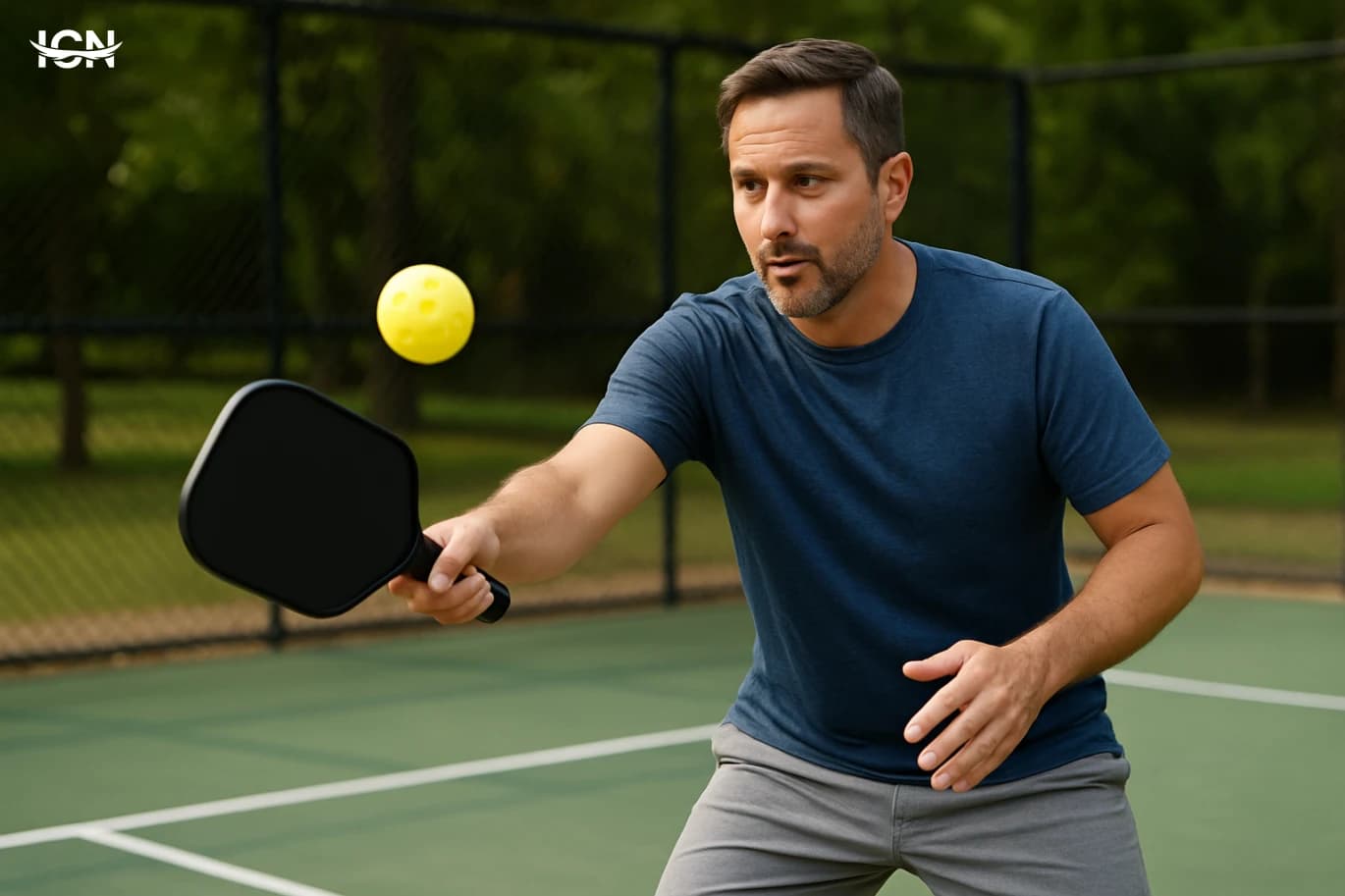
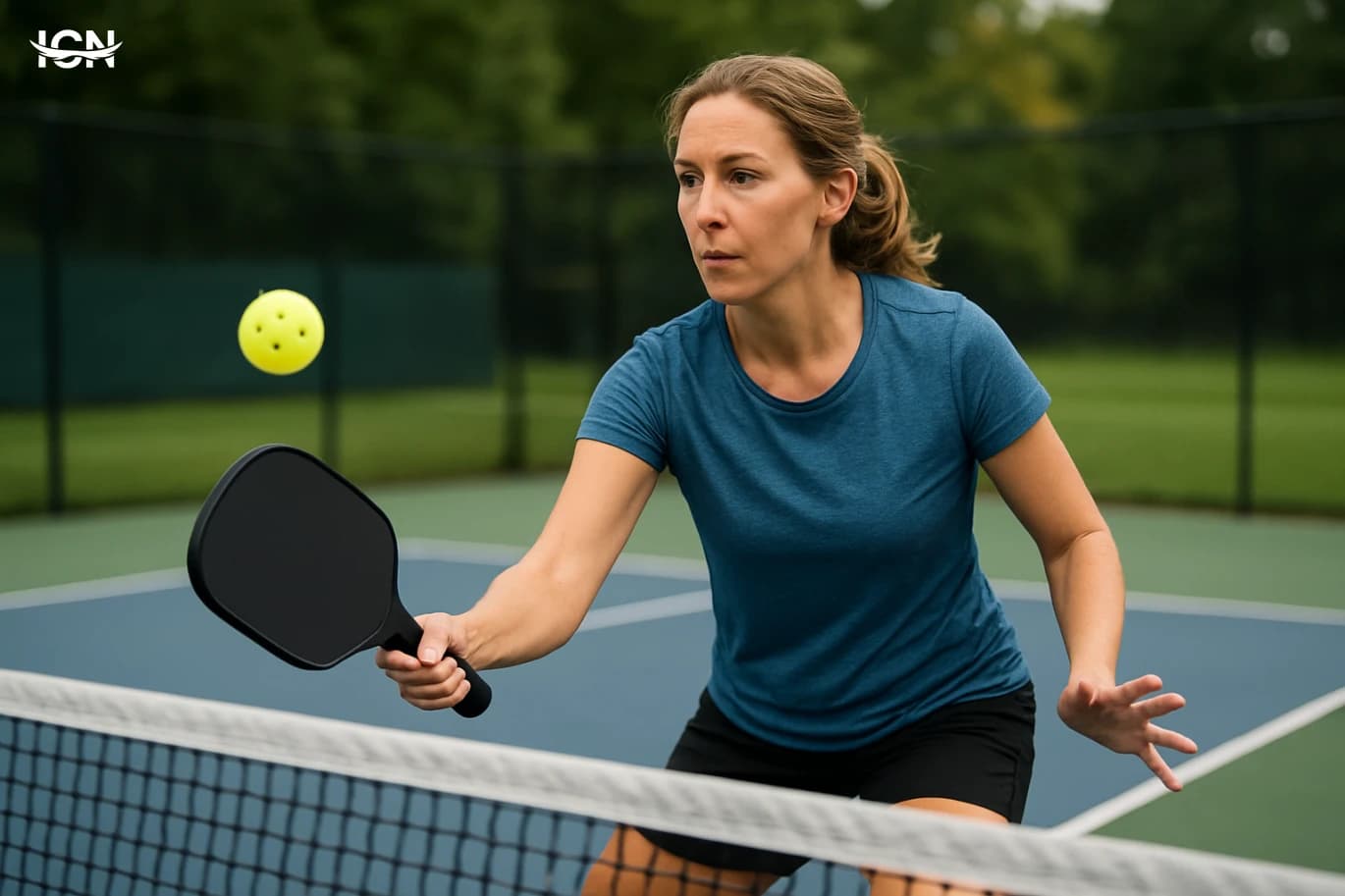
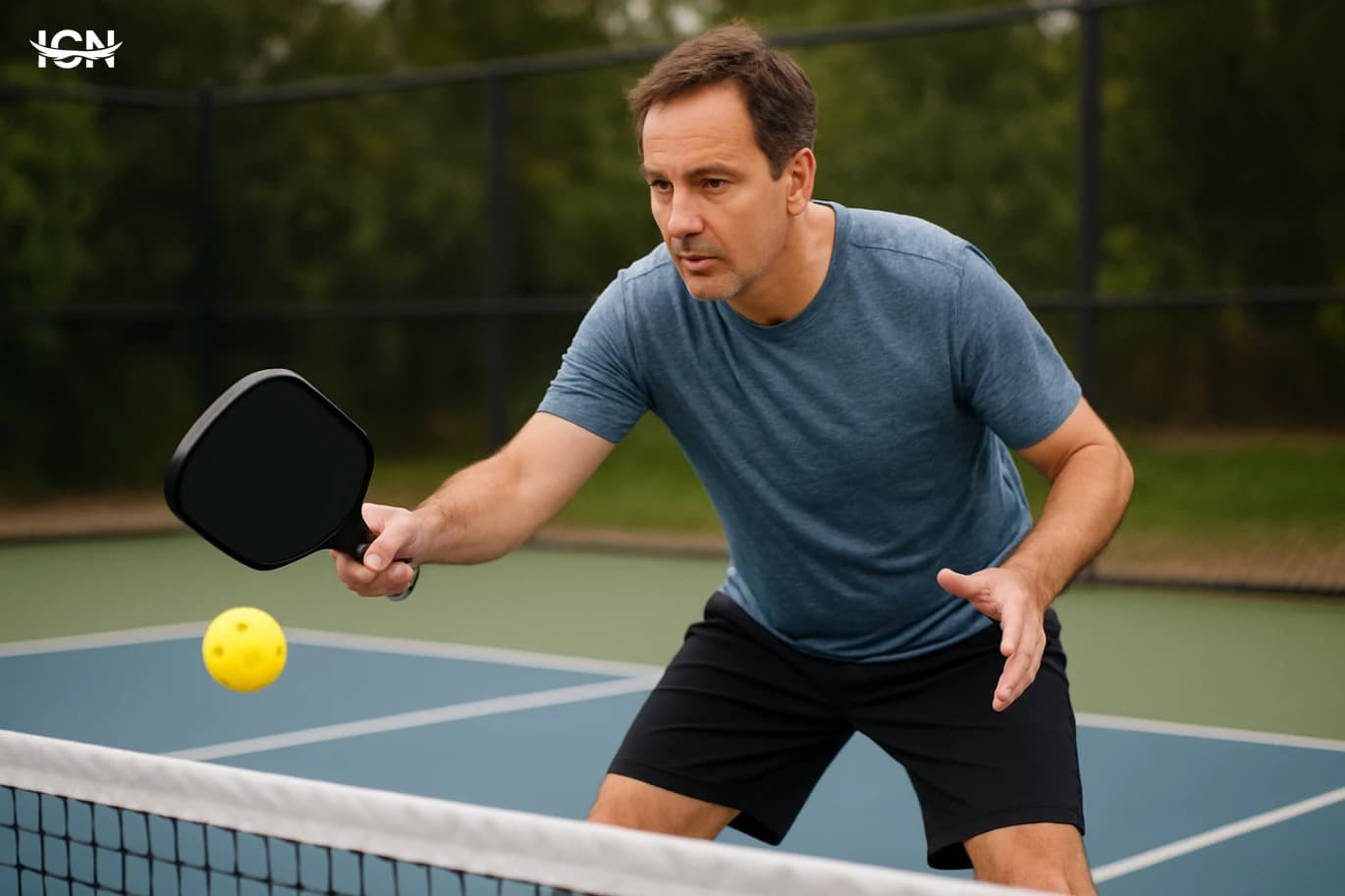
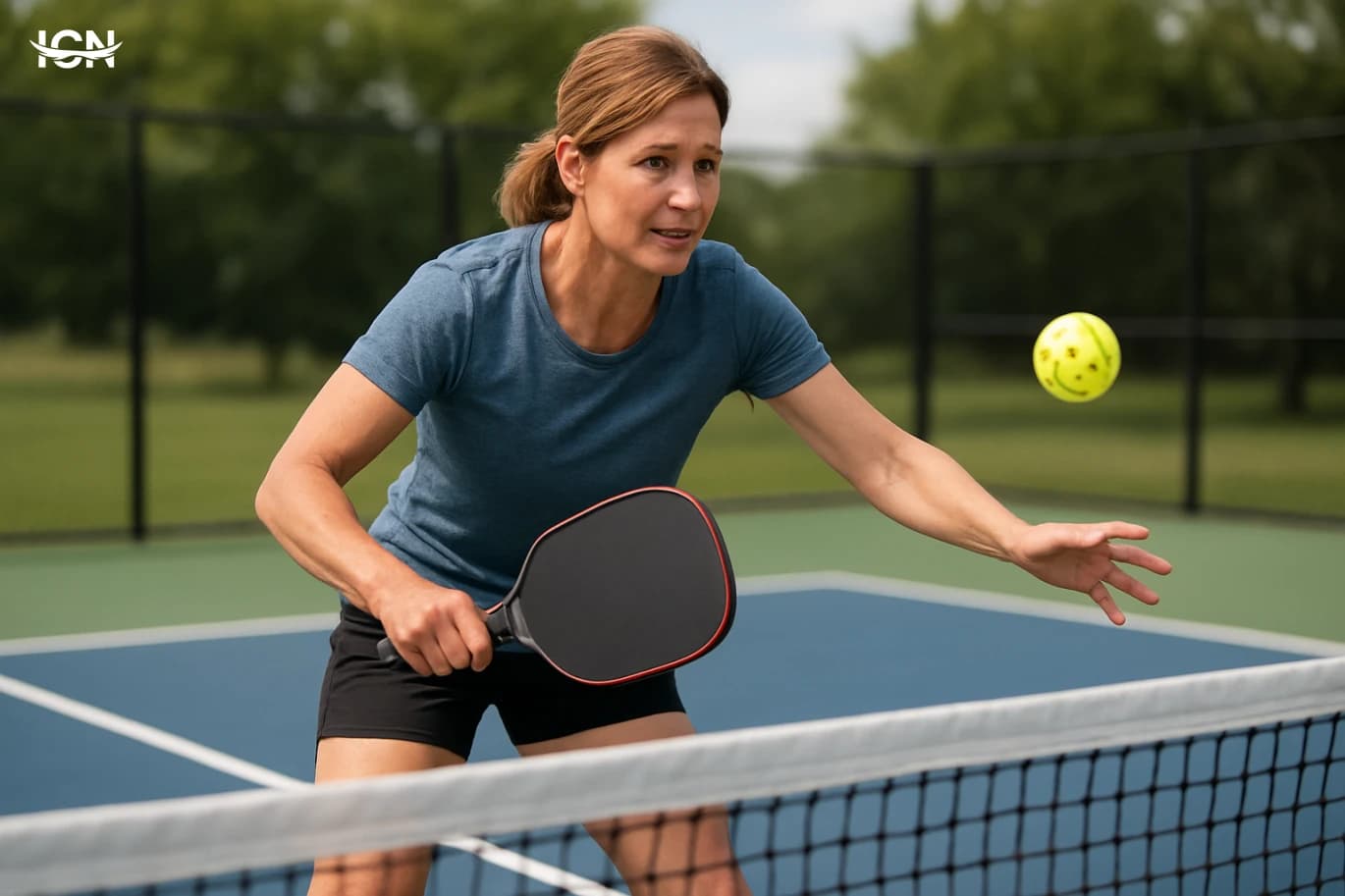
Pickleball has become one of the fastest-growing recreational sports because it is easy to start, social, and time-efficient. A typical game to 11 points can finish in 10–20 minutes, which makes it realistic to play before work, during a lunch break, or after dinner. Courts are smaller than tennis courts, so you cover less ground and can still get a solid workout without needing long training sessions. Many community centers and parks run open-play blocks where you can rotate in quickly, meet partners, and leave when your time is up. For beginners with limited time, the learning curve is friendly. The paddle is light, the ball moves slower than a tennis ball, and the rules are straightforward once you understand the non-volley zone near the net. Because doubles is common, you can share court coverage and focus on positioning rather than constant sprinting. The sport also rewards smart shot selection and consistency more than raw power, which helps new players feel progress within a few sessions. If you can commit to two short practices per week, you can build reliable fundamentals without turning your calendar upside down.

Gear and Court Basics You Actually Need

Start with a beginner-friendly paddle in the mid-price range rather than the cheapest option. Look for a comfortable grip size, a balanced feel, and a surface approved for your local rules. Indoor and outdoor balls behave differently: outdoor balls have smaller holes and handle wind better, while indoor balls are slightly softer and quieter. If you play at a public park, bring a few extra balls because they can crack over time, especially in cold weather. Shoes matter more than many beginners expect. Choose court shoes or cross-trainers with lateral support, not running shoes built for straight-line motion. On a pickleball court, you will stop, pivot, and shuffle, and stable footwear reduces the risk of ankle rolls and knee irritation. Wear breathable clothing and consider a hat and sunglasses for outdoor play. A small towel and a water bottle are practical, and a simple overgrip can help if your hands sweat. Learn the court layout early. The non-volley zone, often called the kitchen, extends 7 feet from the net on both sides. You can step into it, but you cannot volley the ball while standing in it. Understanding this single rule changes how you approach the net and prevents common faults. Also note that most recreational games use doubles, and the serve is underhand and must land diagonally in the opposite service box. Once you know these basics, you can focus on skills rather than constantly checking the rulebook.

The Three Shots That Build Your Game

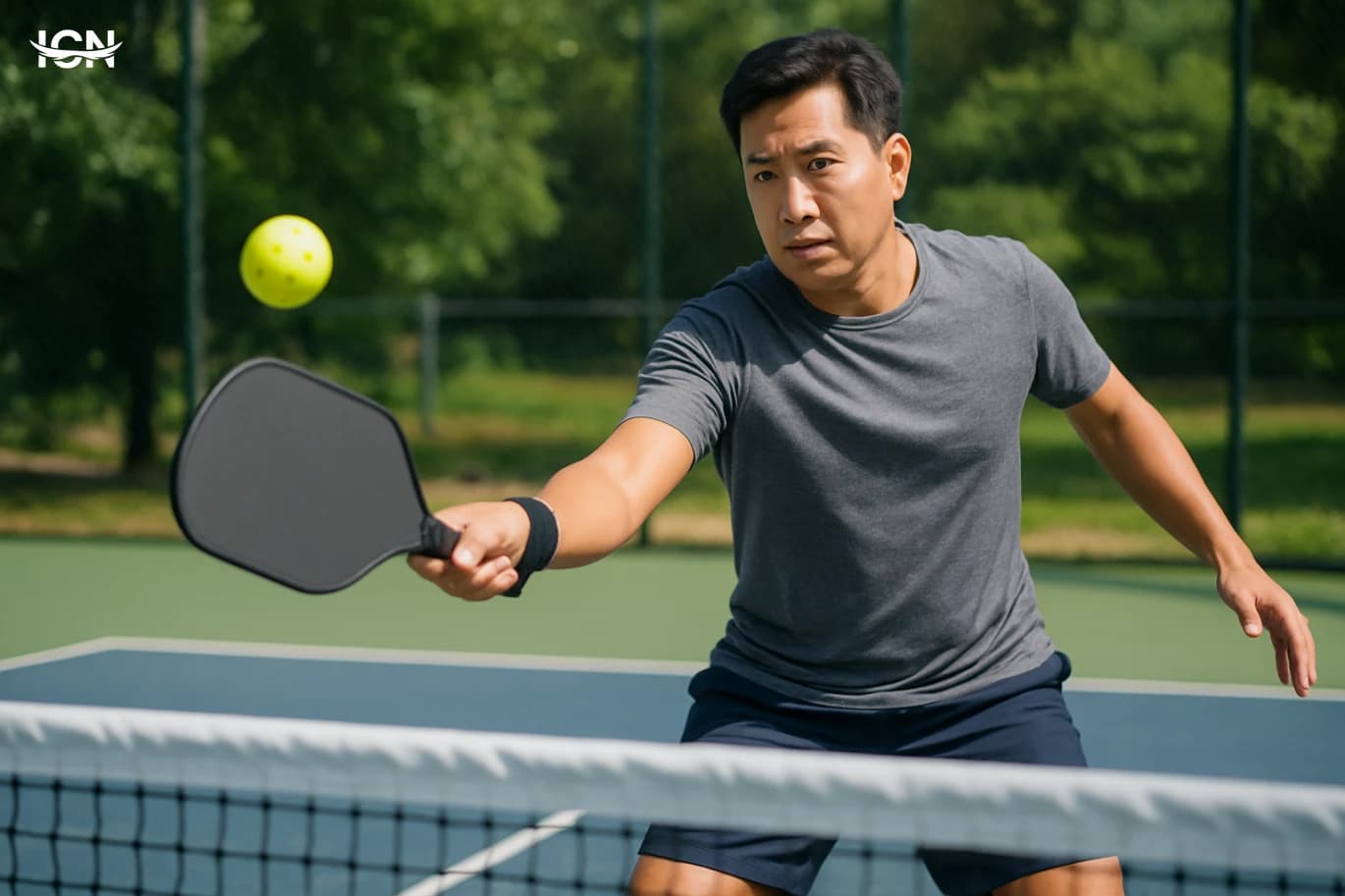
If you only have time to practice a few things, prioritize the serve, the return, and the third-shot drop. A consistent serve starts every point and sets your rhythm. Aim for depth rather than speed: a serve that lands near the back line gives your opponents less time and reduces their angles. Keep it underhand, contact the ball below your waist, and use a smooth swing that you can repeat under pressure. The return of serve is your ticket to the net. Hit it deep and high enough to buy time to move forward. Many beginners return short, which invites an aggressive volley. A deep return forces the serving team to hit their third shot from farther back, which is exactly what you want. After returning, take controlled steps toward the non-volley zone line and stop in a balanced position. The third-shot drop is the signature skill that turns rallies in your favor. Instead of driving the ball hard from the baseline, you arc a soft shot that lands in the opponents’ kitchen, making it difficult for them to attack. This gives you and your partner time to advance to the net and start a controlled exchange. Practice by aiming for a spot just over the net with a gentle lift. The goal is not perfection; it is a high percentage shot that neutralizes the point. With these three shots, you can play competitive games even before you master advanced spins and speed-ups.

Footwork and Positioning Without Overthinking

Pickleball rewards players who arrive early and stay balanced. Think in terms of small, efficient steps. Use a split step when your opponents hit the ball: a light hop that prepares your legs to move in any direction. Avoid crossing your feet when shuffling near the kitchen line; instead, slide laterally to keep your hips square and your paddle ready. In doubles, your default goal is to reach the non-volley zone line together. When one player is back and the other is up, gaps open and opponents can target the weaker position. After the return, move forward in sync with your partner. If you get pushed back by a deep shot, both players should retreat, reset, and then work forward again with a drop or a controlled drive. At the net, keep your paddle up in front of your chest and your knees slightly bent. This stance reduces reaction time and helps you block fast balls rather than swinging wildly. Aim most of your shots crosscourt because the net is lower in the middle and the court is longer diagonally, giving you a bigger margin. These positioning habits are simple, but they prevent the most common beginner problem: being late to the ball and trying to fix it with extra power.

A Two-Day Weekly Practice Plan

A realistic plan for busy beginners is two sessions of 45–60 minutes. Session one can be skill-focused. Spend 10 minutes warming up with gentle dinks at the kitchen line, then 15 minutes on serves and returns. Track a simple metric: out of 20 serves, how many land in? Then do 15 minutes of third-shot drops, aiming for a landing zone that is at least one paddle length inside the kitchen. Finish with 10 minutes of volley blocks at the net, focusing on short punches rather than big swings. Session two can be game-focused with structure. Play two games, but set one rule for yourself, such as “no hard drives on the third shot” or “return every serve deep.” Between games, take three minutes to note what broke down: were you missing wide, hitting into the net, or arriving late? That quick review turns casual play into improvement. If you have only 10 minutes on a non-practice day, do shadow swings at home. Practice the underhand serve motion and the soft drop motion without a ball, focusing on a relaxed grip and a consistent contact point. Small, frequent repetitions build muscle memory faster than one long session every two weeks. Over a month, this schedule is enough to improve consistency, reduce unforced errors, and make open play more enjoyable.

Common Mistakes and Quick Fixes

One common mistake is standing too close to the kitchen line and getting jammed by fast balls at your feet. The fix is to keep a small cushion of space and stay in an athletic stance so you can step back or block downward. Another issue is hitting every ball hard. In pickleball, pace often helps your opponents because the court is small and reaction volleys are easier than you think. Mix in soft dinks and drops to force them to generate their own pace. Beginners also pop the ball up by opening the paddle face too much. If your volleys float high, slightly close the paddle face and think “forward, not up.” Keep your swing compact. On dinks, use a gentle push with minimal backswing and aim for the opponents’ feet or the middle seam between players. Finally, many players forget communication in doubles. Call “mine” or “yours” early, especially on balls down the middle. Decide who takes lobs and who covers the line. Clear roles reduce hesitation, and hesitation causes more missed shots than lack of athletic ability. With a few targeted fixes, your game will look calmer, your errors will drop, and you will feel comfortable joining stronger open-play groups.
* All articles published on this blog are sourced from various websites and are provided for informational purposes only. They should not be considered as confirmed studies or accurate information. Please verify the information independently before relying on it.

Similar ARTICLES

Pickleball Skills for Busy Beginners
Pickleball is one of the easiest racket sports to start because the court is small, rallies begin quickly, and you can get a full workout in a short session. A typical game to 11 points often takes 10–20 minutes, so you can play two or three games and still be done within an hour. The learning curve is friendly: the underhand serve reduces the barrier for new players, and the slower ball speed compared with tennis gives you more time to react. It is also a social sport that does not require a large group. Many community centers and clubs run open play blocks where you rotate partners, which means you can show up alone and still get quality games. For busy beginners, that matters: you do not need to coordinate schedules with three other people every time. Because the equipment is simple and durable, the ongoing costs are low, and you can keep a paddle and balls in your car or work bag for spontaneous sessions.
Building a Smart Weekly Running Routine
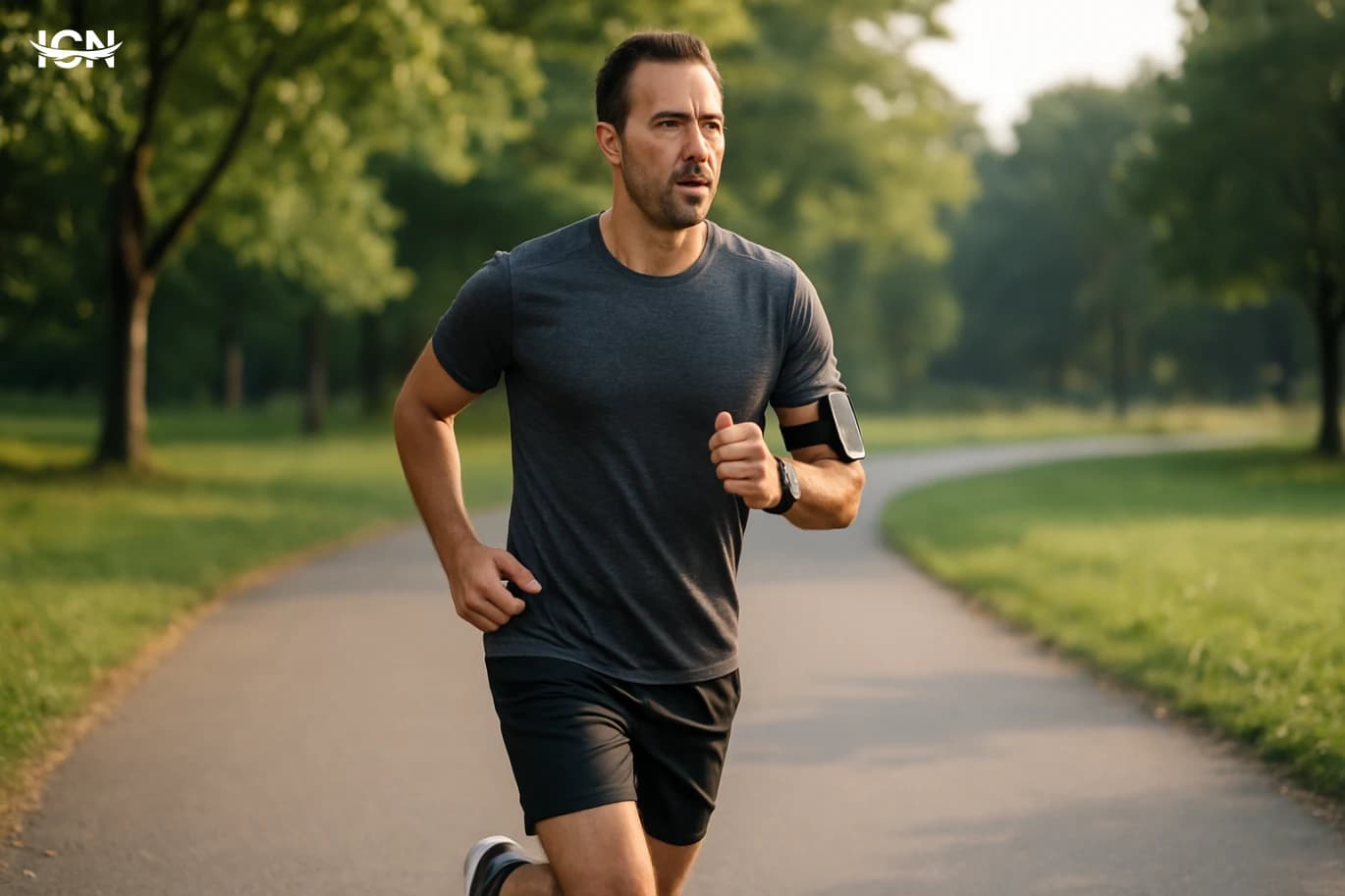
Many new runners start with enthusiasm and then stall because their training is unstructured. A weekly plan gives your body predictable stress and predictable recovery, which is how fitness improves without constant soreness. Instead of running hard whenever you feel motivated, you assign each day a purpose: easy effort to build aerobic capacity, a slightly faster session to improve efficiency, and rest or cross-training to protect joints. This approach also makes progress measurable. You can track how many minutes you ran, how you felt, and whether your breathing stayed controlled, then adjust the next week accordingly. A plan also reduces injury risk by limiting sudden spikes in volume. The most common mistake is increasing distance too quickly, especially when early improvements make running feel easy. A weekly routine sets boundaries: a maximum number of running days, a cap on the longest run, and at least one full rest day. It helps you fit running into real life, too. When you know which days are short and which day is longer, you can plan around work, family schedules, and sleep. Consistency becomes a habit rather than a daily decision.
Pickleball Skills for Busy Beginners
Pickleball has become one of the fastest-growing recreational sports because it delivers a real workout without demanding long sessions or expensive gear. A typical game runs 10–15 minutes, and you can play multiple games in an hour, making it easy to fit into a lunch break or a short evening slot. Courts are smaller than tennis courts, so you spend less time chasing the ball and more time practicing purposeful movement, which helps beginners improve quickly. For busy adults, the biggest advantage is the low barrier to entry. You only need a paddle, a few balls, and court shoes with good lateral support. Many community centers and parks offer open play with loaner paddles, so you can try the sport before buying anything. The rules are simple enough to learn in one session, yet the sport still rewards skill development, especially in touch shots and positioning. Pickleball also supports consistent habits. Because the learning curve is friendly, you can set small weekly goals, such as improving your serve placement or reducing unforced errors, and see progress quickly. That sense of momentum matters when time is limited. With a clear plan, two short sessions per week can be enough to build fundamentals and enjoy competitive games with friends.
Building a Safe 10K Plan for Busy Adults
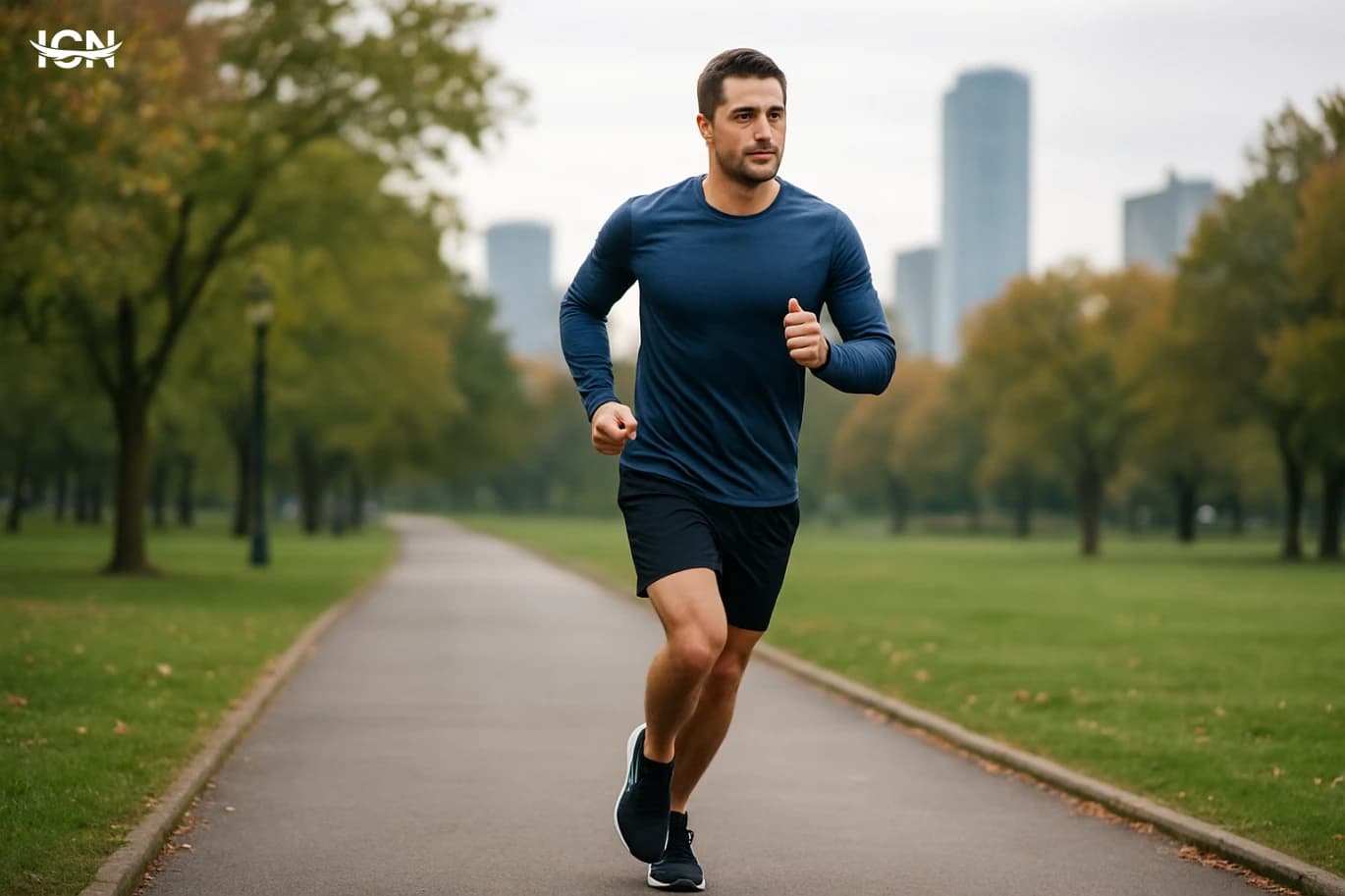
A 10K is long enough to feel like a real achievement but short enough to prepare for without reorganizing your entire life. For many adults with full schedules, it offers a clear goal that can be reached with three to four runs per week, plus a small amount of strength and mobility work. Unlike a marathon build, the weekly time commitment is manageable, and the recovery demands are lower, which matters if you sit at a desk all day or travel often. From a fitness perspective, 10K training improves aerobic capacity, running economy, and pacing skills without requiring extreme mileage. It also gives you a measurable benchmark: you can track progress through a weekly long run, a short faster session, and a steady “comfortably hard” effort. The key is to treat the distance as a structured project, not a test of willpower. A plan that respects sleep, work stress, and gradual progression is what keeps you consistent and reduces the risk of overuse injuries.
Weekend Paddleboarding for Real Fitness Gains
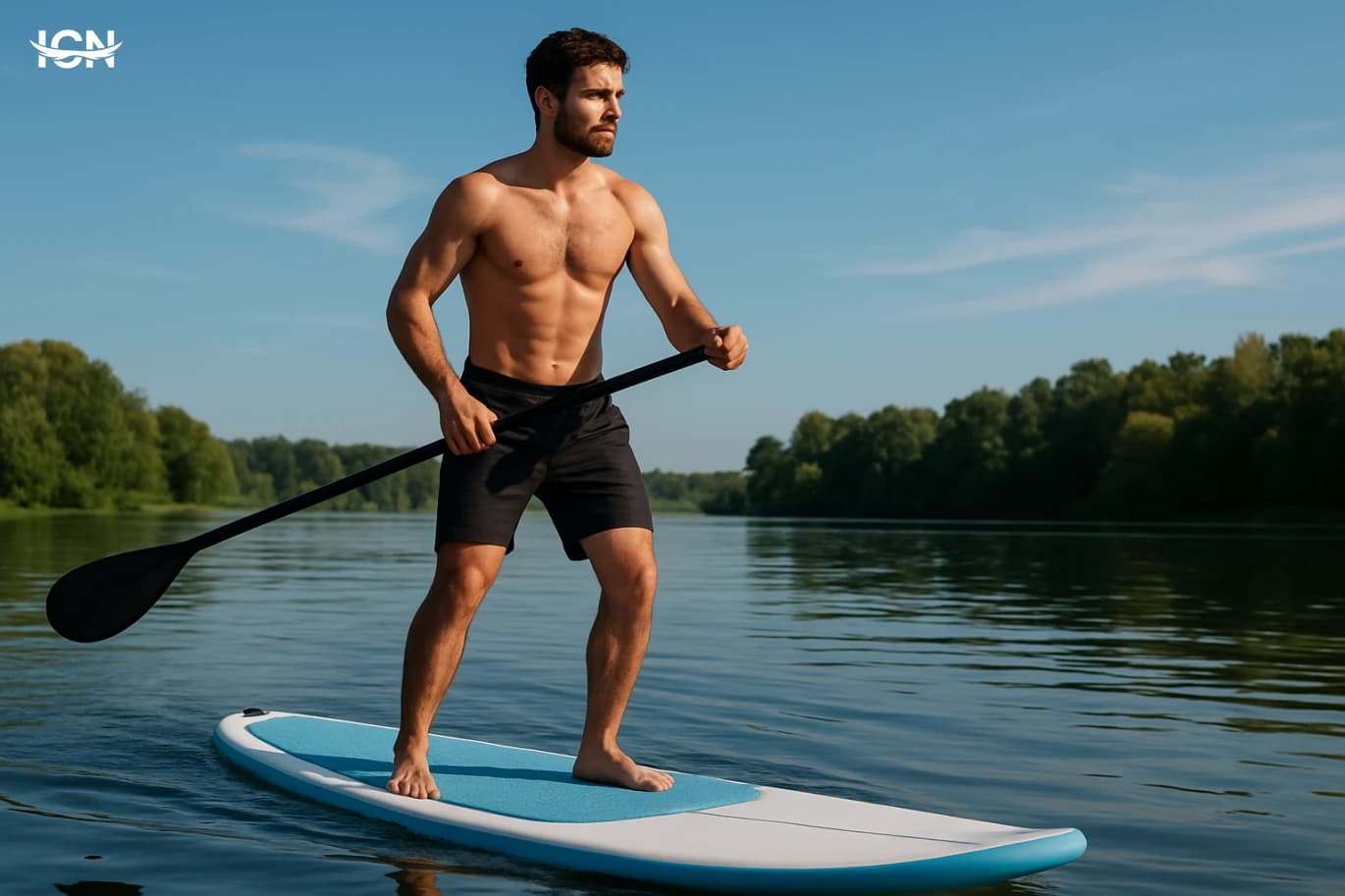
Stand-up paddleboarding (SUP) looks relaxed from the shore, but it can deliver measurable fitness benefits when you approach it with a plan. The board is an unstable platform, so your body constantly makes small corrections through the ankles, hips, and trunk. That steady demand recruits core stabilizers and improves balance in a way that many gym routines miss. At the same time, each paddle stroke uses the lats, shoulders, upper back, and arms, while the legs stay engaged to keep you centered. Even a short session can feel like full-body work because you are combining movement with stability. For weekend athletes, SUP is also practical. It is low-impact compared with running, and you can scale intensity by changing stroke rate, distance, and conditions. Flat water can be a steady endurance session, while light wind or small chop adds a balance challenge without requiring advanced skills. The key is to treat it as training rather than a casual float: set a goal for time, distance, or technique, and track it across weekends.
Building a Smart Weekly Running Routine
Many people start running with high motivation and then hit a wall within a few weeks. The most common reason is not “lack of willpower,” but a routine that is too intense, too frequent, or too random. Beginners often run every session at the same hard effort, which makes recovery impossible and turns each run into a test instead of training. Another frequent issue is skipping warm-ups and cool-downs, which increases soreness and makes the next session feel worse. A smart weekly routine solves these problems by giving each run a clear purpose. Some sessions build aerobic capacity at an easy pace, others develop speed safely, and at least one day is reserved for rest or low-impact activity. Consistency matters more than heroic workouts. A plan that you can repeat for eight to twelve weeks will outperform an aggressive plan that you abandon after ten days. The goal is to finish most runs feeling like you could do a little more, not like you barely survived.
Pickleball Skills for Busy Beginners
Pickleball has become a practical option for people who want a real sport without the time demands of long practices or complex equipment. A typical game is played on a smaller court than tennis, which reduces running distance and makes sessions feel productive even when you only have 45–60 minutes. Many community centers and multi-use courts offer open play blocks where you can arrive, rotate into games, and leave without committing to a full league season. For beginners, the learning curve is friendly because the paddle is easy to control and the ball travels slower than a tennis ball. That means you can build rallies quickly, which is important when your weekly training time is limited. The sport also supports social play: you can improve while playing doubles, where positioning and communication matter as much as raw speed. If you are trying to stay active between work, family, and errands, pickleball’s short games and accessible venues make it easier to keep a consistent routine.
Building a Safe First 5K Plan
A 5K is long enough to feel like a real event but short enough to prepare for without turning your life upside down. For most beginners, it can be trained for in 8–10 weeks with three focused sessions per week, plus optional light movement on other days. The distance also gives you a clear way to measure progress: you can track how long you can run continuously, how your breathing feels, and how quickly you recover the next day. The key is to treat the first 5K as a consistency project, not a speed project. Many new runners start too fast, get sore, and then stop for a week, which resets momentum. A safer approach is to build time on your feet gradually, keep most runs easy, and accept that the early weeks are about habit and technique. If you can finish a 5K comfortably, you can later choose to get faster, add longer distances, or simply maintain a healthy routine.
Weekend Cycling Plan for Real Progress
Many recreational cyclists ride only on weekends, then wonder why their speed and stamina plateau. The weekend can still deliver measurable progress if you treat it as a structured training window rather than two random rides. The key is to balance one ride that builds endurance with another that improves efficiency, while keeping recovery realistic for a busy schedule. A practical weekend plan also reduces the risk of overdoing it after a sedentary workweek. Instead of chasing distance every Saturday, you can use simple targets such as time in the saddle, steady pacing, and a few controlled efforts. This approach helps you improve cardiovascular fitness and leg strength without needing midweek sessions. It also makes your rides more enjoyable because you know exactly what you are trying to achieve.
Pickleball Skills for Busy Beginners
Pickleball is one of the easiest racket sports to start when time is limited. The court is smaller than tennis, games are typically played to 11 points, and most community sessions run in short blocks that fit into a lunch break or an evening hour. Because the paddle is solid and the ball is slower than a tennis ball, beginners can rally sooner, which makes each session feel productive even if you only play once or twice a week. Another reason it works for busy people is the social format. Many clubs use open play where you rotate partners and opponents every game. That means you can arrive, play two or three games, and leave without organizing a full group. For fitness, the sport delivers steady movement, quick changes of direction, and repeated short bursts, but it is generally lower impact than full-court running sports. With a simple plan, you can build skills and conditioning without long training sessions.
Building a Safe Weekend Cycling Routine
A weekend cycling routine is one of the easiest ways to stay consistent without reorganizing your entire week. Two planned rides can deliver measurable fitness gains, improve bike handling, and reduce stress, especially when the sessions have clear goals. The key is to treat the weekend like a small training block: one ride focused on endurance and one ride focused on technique or controlled intensity. This structure helps you avoid the common pattern of riding hard every time, which often leads to fatigue, sore knees, and skipped weeks. For most recreational riders, the weekend also offers safer conditions: more daylight, more time to choose routes, and less pressure to rush. That extra margin matters because cycling safety is often about decisions made before you roll out—route choice, timing, equipment checks, and hydration planning. A routine turns those decisions into habits. Over a month, the difference is noticeable: steadier pace, fewer mechanical issues, and better confidence in traffic and on mixed surfaces.
Building a Smart Weekly Running Routine
Many recreational runners rely on motivation and squeeze in a run whenever time appears. That approach often produces the same cycle: a hard effort after a long break, sore legs, then another break. A weekly plan reduces that volatility by setting a predictable rhythm for your body and schedule. It also makes progress measurable, because you can compare week to week rather than guessing based on a single “good” run. A practical weekly routine balances three needs: building aerobic fitness, protecting joints and tendons, and fitting real life. Instead of chasing distance every time, you assign each run a purpose. One day is easy and conversational, another is slightly faster, and one is longer but controlled. When each session has a role, you can improve without turning every outing into a test. A plan also helps you manage recovery. Most running improvements happen between runs, not during them. By placing easier days after harder ones and keeping at least one rest or cross-training day, you reduce the risk of overuse issues. The goal is not perfection; it is consistency across months, which is what actually changes fitness.
Building a Smart Weekend Cycling Routine
Many people want to ride more but struggle to fit training into busy weekdays. A weekend-focused cycling routine can deliver real progress because it concentrates time, reduces decision fatigue, and makes preparation easier. Two structured rides per week can improve endurance, comfort on the bike, and confidence in traffic or on trails, especially when you repeat a consistent pattern for 6–10 weeks. A weekend plan also helps you manage recovery. When rides are predictable, you can sleep better the night before, plan meals, and avoid last-minute intensity that leaves you sore for Monday. The key is to treat the weekend like a small training block: one ride that builds aerobic capacity and one ride that adds skill or controlled intensity. This approach is practical for commuters, parents, and anyone who wants fitness without turning cycling into a full-time project.
By clicking the SUBSCRIBE button, you are agreeing to our Privacy & Cookie Policy If you want to unsubsribe the marketing email, please proceed to our privacy center.
© 2005-2026 ICN. All Rights Reserved.