Pickleball Skills for Busy Beginners
- Why Pickleball Fits a Busy Schedule
- Gear and Court Basics You Actually Need
- Three Skills That Improve Fast
- Positioning and Doubles Communication
- A 45-Minute Practice Plan
- Common Mistakes and How to Fix Them
Why Pickleball Fits a Busy Schedule
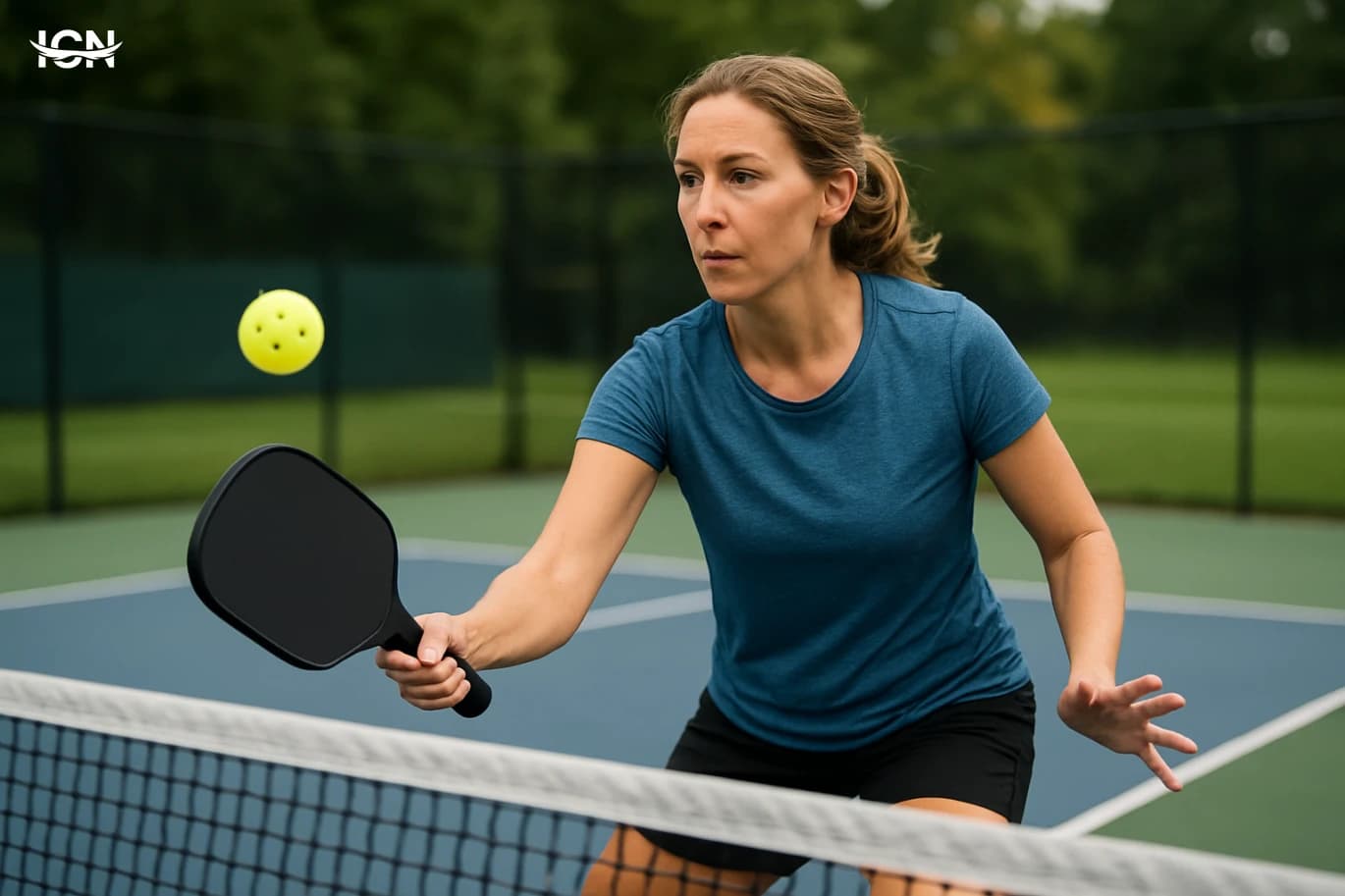
Pickleball has become a practical option for people who want a real sport without the time demands of long practices or complex equipment. A typical game is played on a smaller court than tennis, which reduces running distance and makes sessions feel productive even when you only have 45–60 minutes. Many community centers and multi-use courts offer open play blocks where you can arrive, rotate into games, and leave without committing to a full league season. For beginners, the learning curve is friendly because the paddle is easy to control and the ball travels slower than a tennis ball. That means you can build rallies quickly, which is important when your weekly training time is limited. The sport also supports social play: you can improve while playing doubles, where positioning and communication matter as much as raw speed. If you are trying to stay active between work, family, and errands, pickleball’s short games and accessible venues make it easier to keep a consistent routine.
Gear and Court Basics You Actually Need
Start with a mid-range paddle that feels stable in your hand. For most beginners, a paddle in the 7.6–8.2 oz range offers a good balance of control and power. Choose a grip size that lets you hold the handle comfortably without squeezing; if your hand gets tired quickly, the grip is likely too small or you are over-gripping. Indoor and outdoor balls are different: outdoor balls have smaller holes and are slightly heavier to handle wind, while indoor balls are softer and quieter. If you play at a public court, bring a few balls because they crack over time. Shoes matter more than many new players expect. Use court shoes or cross-trainers with lateral support; running shoes can feel unstable during side steps at the non-volley zone line. On the court, learn the key areas: the baseline, the service boxes, and the non-volley zone (often called “the kitchen”). You do not need to memorize every rule on day one, but you should understand the double-bounce rule and how serving works so you can join open play confidently and avoid common stoppages.
Three Skills That Improve Fast
If you only have a few sessions per week, focus on skills that deliver immediate results. First, build a reliable serve. Aim for depth rather than speed: a deep serve pushes the returner back and buys you time to reach the non-volley zone line. Practice 20–30 serves at the start of each session, targeting the back third of the service box. Second, learn the soft “dink” shot. Dinking is a controlled, low shot that lands in the opponent’s non-volley zone and forces them to hit up. This reduces their ability to attack and turns points into patience contests where beginners can compete with more athletic players. Third, develop the third-shot drop. After the return, the serving team often needs a soft shot that lands in the kitchen to neutralize the rally and allow both players to move forward. A consistent third-shot drop is one of the biggest separators in recreational play. Use a compact swing and think of lifting the ball with a gentle arc rather than driving it. These three skills—deep serve, controlled dink, and third-shot drop—create a simple framework that makes your game feel organized even when you are still learning footwork and positioning.
Positioning and Doubles Communication
Most recreational pickleball is doubles, and smart positioning can compensate for limited practice time. The basic goal is to get both partners to the non-volley zone line, because that position reduces the angles your opponents can use and makes your volleys more effective. After you serve, expect to hit a third shot that helps you move forward. After you return serve, move up behind your return as soon as it is safe, rather than staying at the baseline. Communication should be simple and consistent. Decide who takes balls down the middle; many pairs use “forehand in the middle” as a default because forehands are usually more stable. Call “mine” early and loudly enough to prevent hesitation. When one partner is pulled wide, the other should slide toward the center to cover the open space, then reset together. If you are new, avoid complicated signals and focus on two habits: move as a pair and keep your paddles up at chest height near the kitchen line. These basics reduce unforced errors and make open play less stressful.
A 45-Minute Practice Plan
A short, repeatable plan helps busy beginners improve without overthinking. Minute 0–7: warm up with light jogging, side shuffles, and shoulder circles, then hit gentle groundstrokes from mid-court to find your timing. Minute 7–17: serve practice. Hit 10 serves to the right box and 10 to the left, focusing on consistent contact and depth. If you miss long, reduce power; if you miss into the net, contact the ball slightly higher and finish your swing forward. Minute 17–30: dink and volley block. Stand at the kitchen line with a partner and rally dinks cross-court for five minutes, then straight ahead for five minutes. Add two minutes of controlled volleys where you keep the ball low and aim to the opponent’s feet. Minute 30–40: third-shot drops. Start at the baseline and try to land 10 drops into the kitchen; count only the ones that bounce before the line. Minute 40–45: play a short game to 7 points with one rule: you must attempt a third-shot drop at least half the time. This structure turns limited time into measurable progress.
Common Mistakes and How to Fix Them
One frequent mistake is rushing to the kitchen line at the wrong time. If you sprint forward after a weak shot, you will get passed or forced into a difficult volley. Move up behind a shot that gives you time, such as a deeper return or a third-shot drop that lands in the kitchen. Another common issue is hitting every ball hard. Power has a place, but many points are won by forcing errors with low, controlled shots. Use a “soft first” mindset: try a dink or drop before you attempt a drive. Beginners also lose points by lifting their paddle too late. Keep the paddle up and in front, especially during fast exchanges near the kitchen. Finally, watch your target selection. Hitting to the middle often reduces angles and creates confusion for opponents, while aiming for the feet makes volleys harder to handle. If you track these fixes over a few weeks—better timing on moving forward, more soft shots, paddle ready position, and smarter targets—you will feel a clear jump in consistency without needing long training sessions.