Urban Foraging Without Harming Wild Trees

- Why urban foraging is growing
- Know the tree before you pick
- Where to forage safely in a city
- Low-impact harvesting techniques
- Common urban trees and wild plants to consider
- Ethics, sharing, and leaving a positive trace
Why urban foraging is growing
Urban foraging has moved from a niche hobby to a mainstream interest in many cities, driven by rising food prices, curiosity about local ecosystems, and the popularity of seasonal cooking. In parks, along river paths, and even on quiet residential streets, people notice fruiting trees, edible weeds, and aromatic shrubs that were previously ignored. This trend also reflects a broader shift toward practical nature literacy: learning what grows nearby, when it appears, and how it fits into local biodiversity. However, city landscapes are not the same as remote forests. Urban trees and wild plants often grow in stressed conditions: compacted soils, limited water, heat islands, and frequent pruning. Many are also part of planned green infrastructure, meaning they serve public functions such as shade, stormwater management, and habitat. Foraging in these settings can be responsible and beneficial when done carefully, but it can also cause damage if people strip bark, break branches, or harvest too aggressively. A serious approach starts with understanding that the goal is not maximum yield; it is low-impact collection that respects public spaces and living trees.
Know the tree before you pick
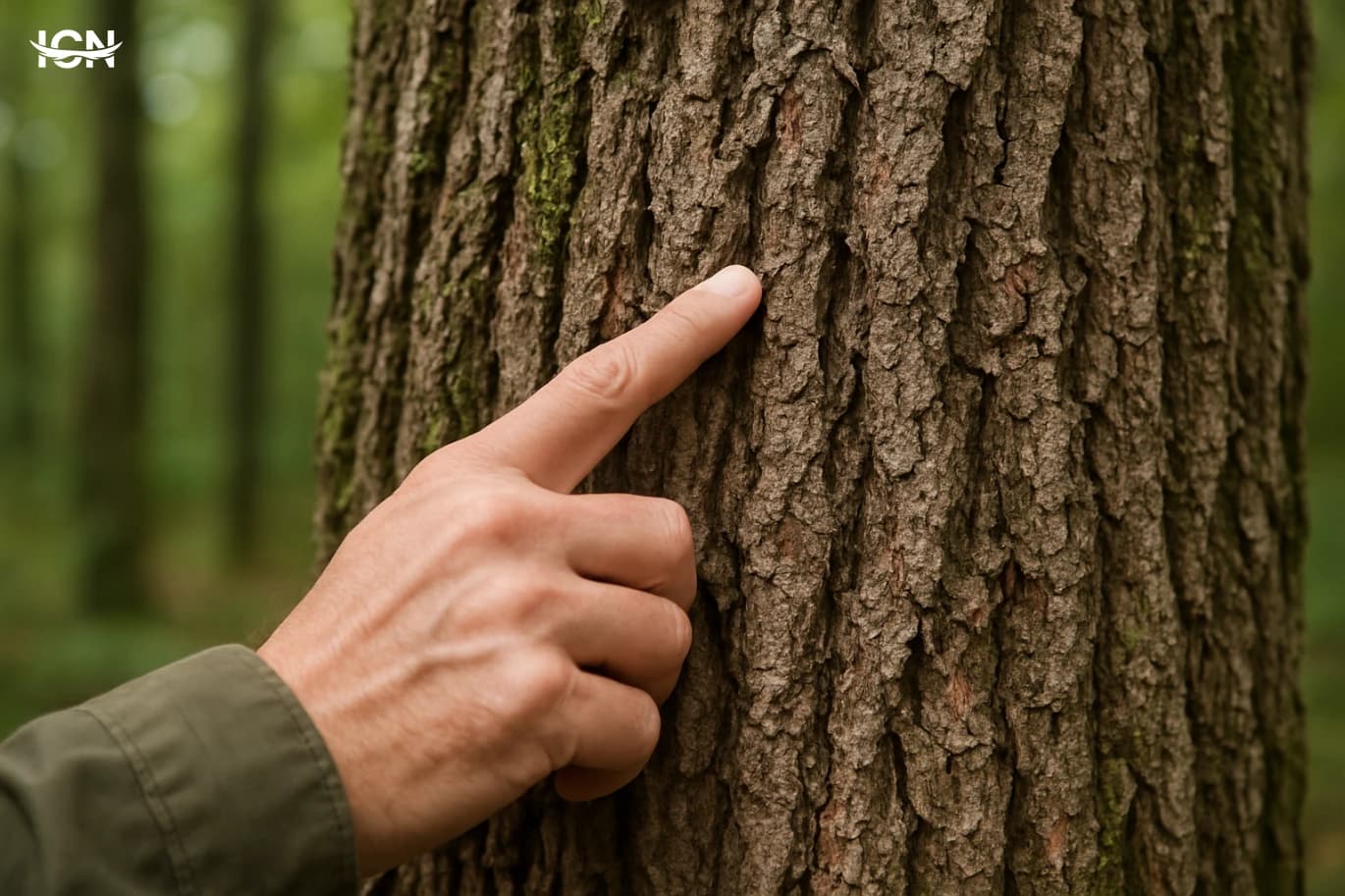
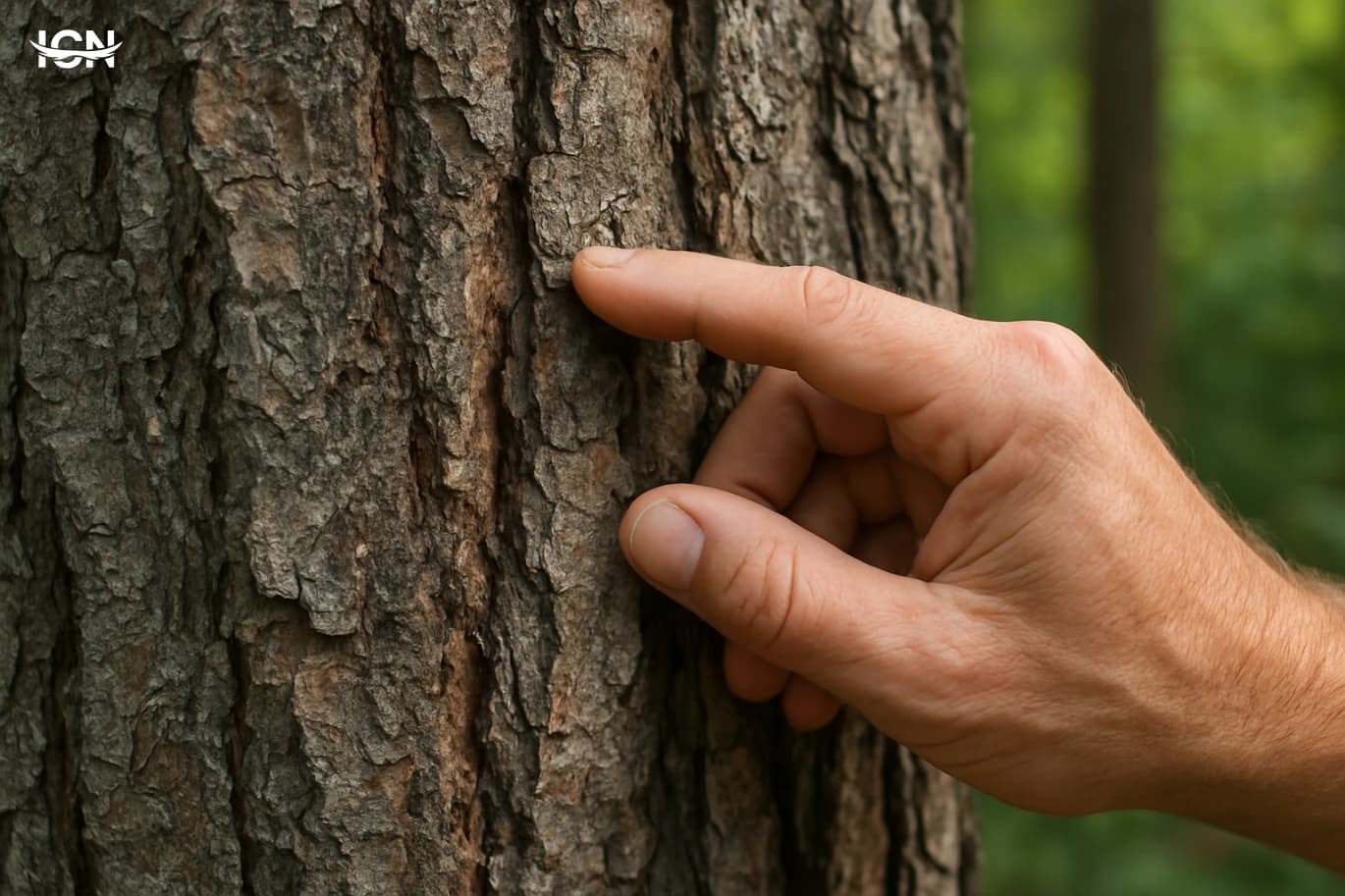
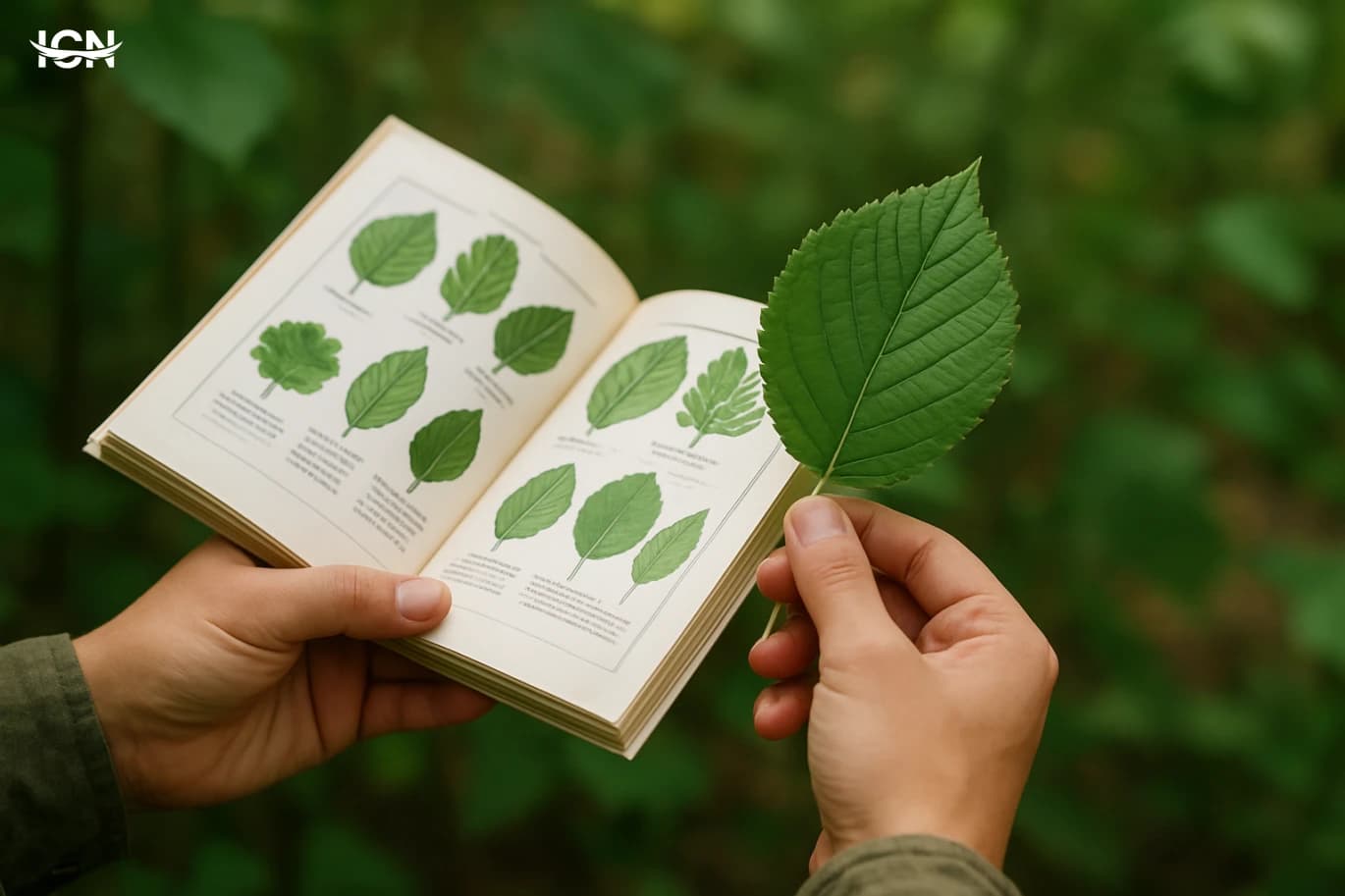
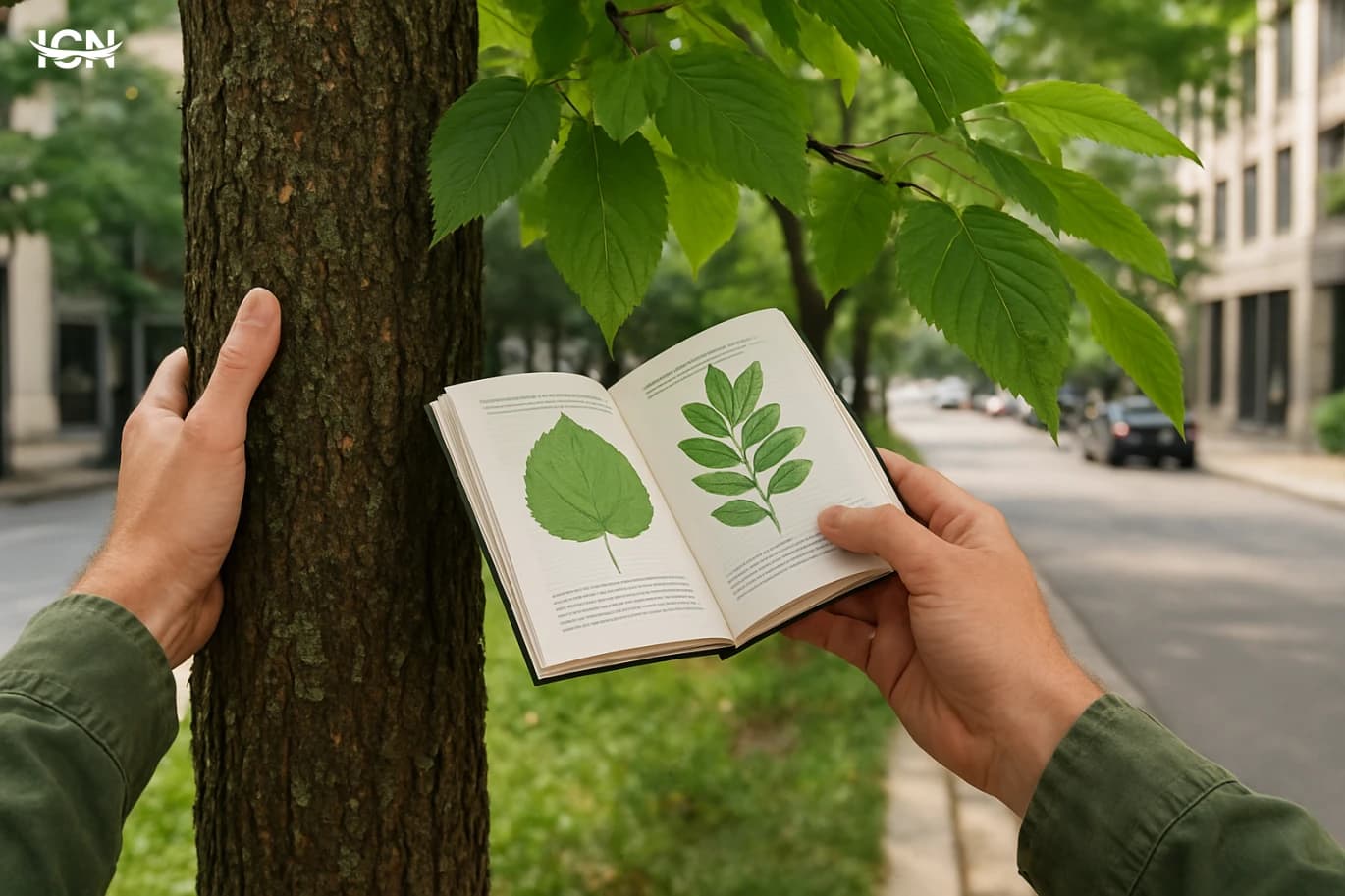
Correct identification is the first safety rule and the first conservation rule. Many edible plants have look-alikes, and some ornamental trees produce fruits that are not meant to be eaten. Start with what you can identify confidently in your region, and cross-check using at least two reliable sources such as a local field guide, a university extension website, or a community botany group. Photos alone can be misleading; pay attention to leaf arrangement, bark texture, flower structure, and the season when fruit appears. In cities, the same species can be planted in different cultivars, and some may be treated with pesticides or growth regulators. If you cannot confirm whether a tree is managed with chemicals, avoid harvesting from it. Also learn the difference between wild, naturalized, and planted trees. A mulberry that self-seeded along a fence may be less likely to be sprayed than a decorative tree in a manicured plaza, but assumptions are not enough. When possible, ask local park staff or check municipal planting lists. Knowing the tree also means knowing its role: if it is a key shade tree on a hot street, breaking branches to reach fruit is not just unethical, it is vandalism that reduces canopy cover for everyone.
Where to forage safely in a city
Location matters as much as species. Urban plants can accumulate pollutants, and the risk is higher near heavy traffic, industrial zones, and older buildings with legacy contamination. As a practical rule, avoid harvesting within a short distance of major roads where dust and exhaust settle on leaves and fruit. Riverbanks can be productive, but they can also carry runoff from upstream neighborhoods. If the waterway is known for sewage overflows or industrial discharge, do not forage there. Look for cleaner micro-areas: community gardens with clear management rules, educational arboretums, less-trafficked greenways, and residential areas where you can speak with property owners. Pay attention to signs about pesticide application and to recent landscaping work. Fresh mulch, newly painted curbs, or active pest-control stations can indicate recent chemical use. Also consider the plant part you are collecting. Fruits that can be washed and peeled may be lower risk than leaves that trap dust. For mushrooms, the location risk is even higher because fungi can concentrate heavy metals; in many cities, mushroom foraging is best avoided unless you have strong local guidance and clean sites. Finally, understand local rules. Some municipalities prohibit removing any plant material from parks, while others allow limited picking of fallen fruit. Even where it is legal, taking from a small planting bed or a young street tree is poor practice. Choose abundant sources, take only what you will use, and leave enough for wildlife and for the tree’s natural reproduction.
Low-impact harvesting techniques
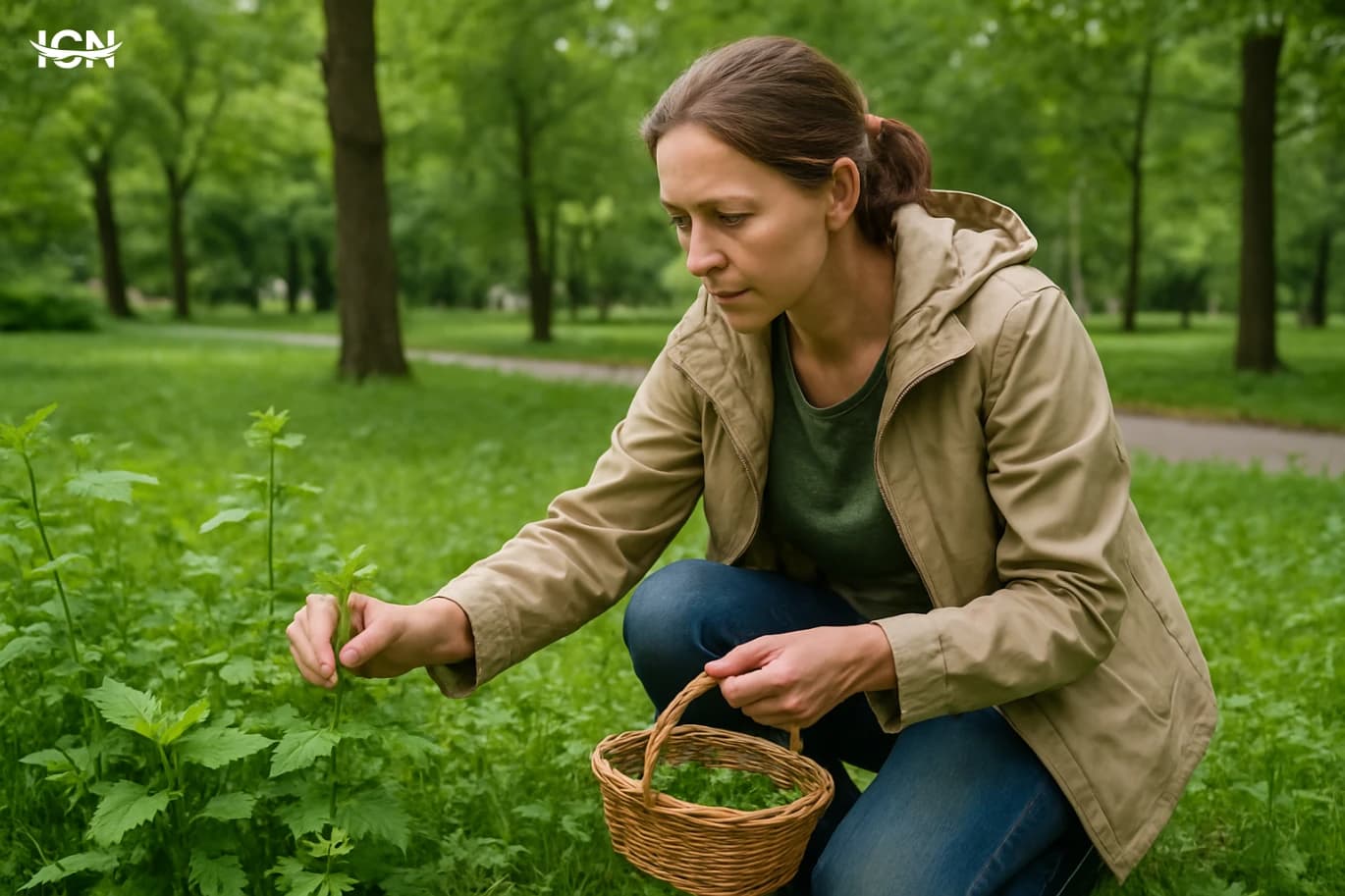
Low-impact harvesting is about protecting the plant’s ability to keep growing. For trees, never pull fruit by yanking branches downward, and never cut live branches to reach a cluster. Use a small hand pruner only when you are allowed to and only for tiny, non-structural twigs, and disinfect blades between trees to reduce disease spread. For fruit, the best approach is to pick what comes off easily when ripe, or collect clean fallen fruit from the ground if local rules allow it. For leaves and herbs, follow a “small percentage” rule: take a few leaves from many plants rather than many leaves from one plant. Avoid uprooting unless you are on private land with permission and the species is abundant. Roots are the most destructive harvest in urban settings because they kill the plant and disturb soil that may already be fragile. For bark, the rule is simple: do not harvest it. Bark removal can girdle a tree and introduce pests and pathogens. Timing also matters. Avoid harvesting during heat waves when trees are already stressed. After heavy rain, soils are soft and easily compacted by foot traffic, so stay on paths. Carry a bag for litter, and do not leave broken stems behind. Responsible foraging should make the site look untouched to the next visitor, while still allowing you to bring home a small, high-quality harvest.
Common urban trees and wild plants to consider
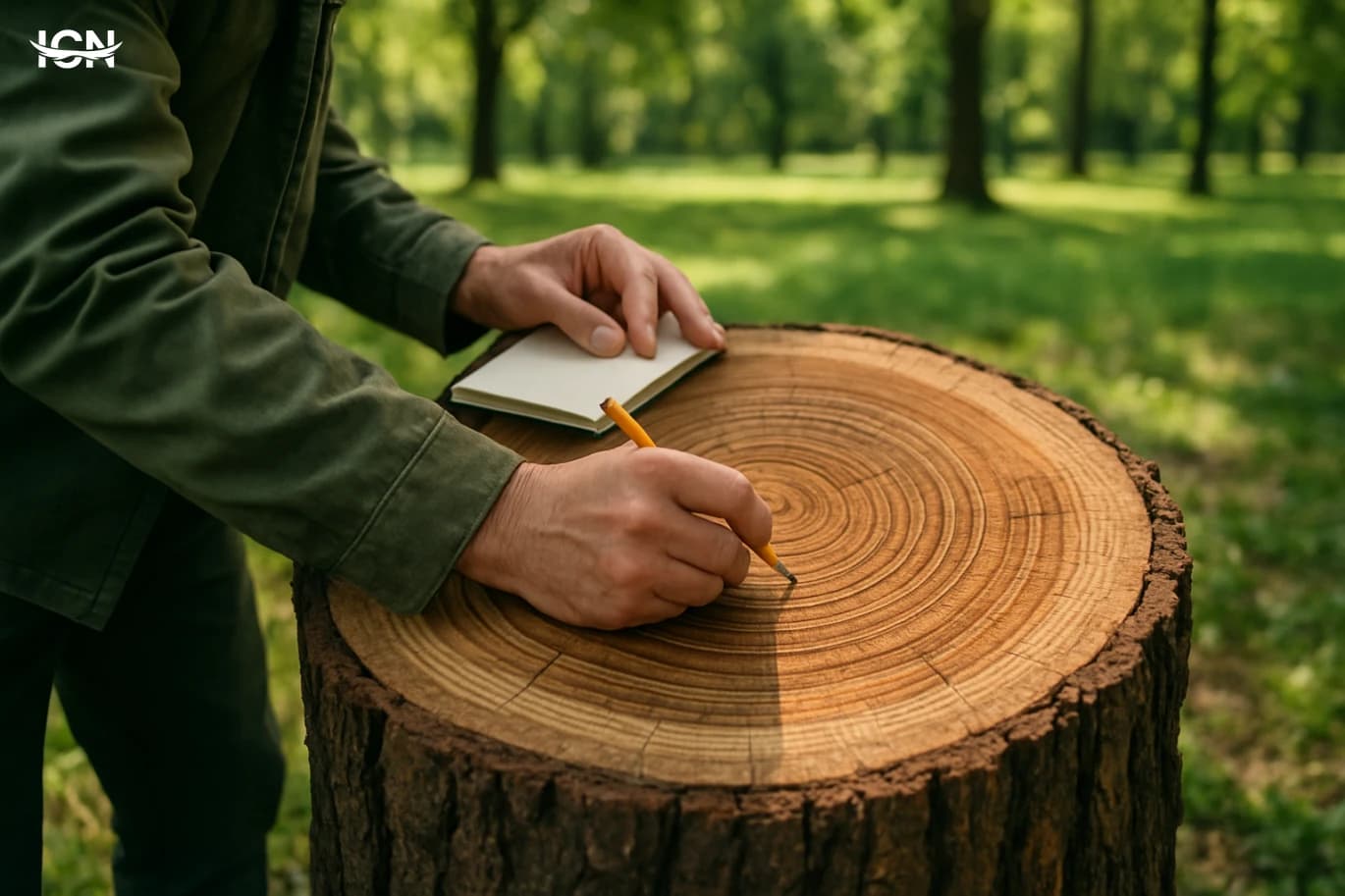
The best candidates for urban foraging are common, resilient, and easy to identify. In many regions, mulberries are a classic example: they fruit heavily, and ripe berries detach easily. Figs can also be abundant in older neighborhoods, though they attract insects and spoil quickly, so timing and cleanliness matter. Citrus trees appear in some climates, but they are often treated for pests; only harvest when you know the management practices. Among wild plants, dandelion-like greens, chickweed, and purslane are frequently discussed, but identification must be precise because “edible weed” is not a category you can guess. Aromatic plants such as wild fennel may grow along sunny edges, yet roadside contamination is a concern. For nuts, some cities have walnuts or almonds, but fallen nuts can be moldy; collect sound specimens and dry them properly. A practical approach is to build a short personal list of five to ten species you can identify across seasons, and learn their look-alikes and local risks. Keep notes on where you found them, whether the site is sprayed, and how the plant responds after harvesting. Over time, this turns foraging into informed observation rather than opportunistic picking.
Ethics, sharing, and leaving a positive trace
Ethical urban foraging is built on restraint and transparency. If a tree is on private property, ask permission. If it is public, follow the rules and assume others also value the resource. Do not strip a tree because it is “free.” A good guideline is to take a small portion and leave the majority for wildlife and other people, especially in neighborhoods where access to fresh produce is limited. Sharing information also requires judgment. Posting exact locations of a small patch of edible plants can lead to overharvesting. Instead, share general guidance: how to identify the species, what season it appears, and how to harvest without damage. If you want to build community, consider organizing a neighborhood fruit-share where residents can offer surplus from their own trees, or volunteer with groups that rescue fallen fruit for food banks. Leaving a positive trace can be practical. Pick up litter while you forage. Report damaged trees or invasive plant outbreaks to local authorities or community stewards. If you learn that a particular site is routinely sprayed, stop using it and tell others privately. The long-term goal is a city where trees and wild plants are treated as living infrastructure, and where people can interact with them responsibly without turning green spaces into depleted, stressed landscapes.