Mortar tree
What is a mortar tree
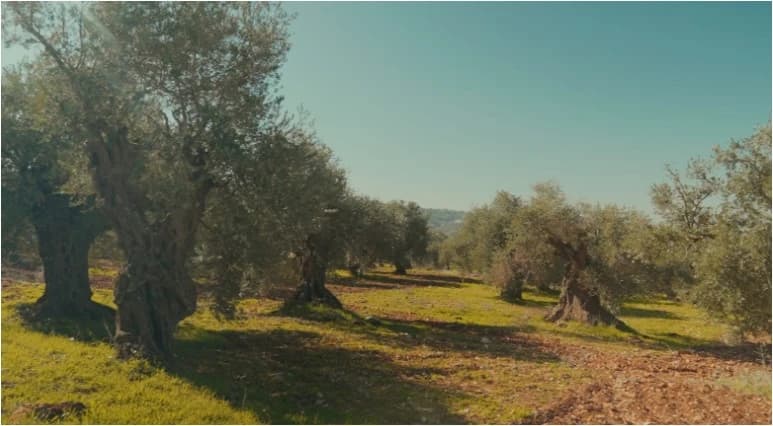
The Mahras olive tree is a type of ancient olive tree native to Jordan and is considered one of the oldest genetic varieties of olive oil in the Mediterranean basin. Its name is used locally to refer to large, ancient olive trees with exceptionally large trunk circumferences. Some believe its origins date back to very ancient times in the region's history. Historical Significance Scientific studies have revealed that this olive variety is genetically close to olives from countries like Spain, Italy, and Cyprus, indicating that the region was once a center for the spread of olives in the Mediterranean. The presence of ancient Mahras trees, some thousands of years old, makes them living witnesses to the history of agriculture and human civilizations in the region. Hala News The Oil and Its Quality Mahras olives produce high-quality oil: It contains a high oil content, reaching approximately 30% of the fruit's weight, one of the highest percentages globally. The oil is rich in oleic acid (around 70%) and is renowned for its distinctive fruity flavor and superior sensory quality. Cultural and Heritage Value The olive tree is more than just a plant: It is linked to social traditions and the olive harvest season, which brings families and the community together in a collective activity. It features in folk songs and festivals and is considered a symbol of identity and social cohesion. The olive tree and UNESCO heritage In December 2025, the Jordanian olive tree was inscribed on UNESCO’s Representative List of the Intangible Cultural Heritage of Humanity, in recognition of its historical, cultural, and social value. This inscription highlights it not only as a plant species, but also as an element deeply rooted in the memory, identity, and social life of the region. Its distribution Olive trees are found in several areas of Jordan, including: Ajloun Governorate (especially Al-Hashimiyah and the surrounding area). Areas in Irbid, Jerash, and Karak.