Reading City Trees Like a Field Guide
- Why urban trees are worth studying
- Start with the site, not the leaf
- Bark, buds, and branching patterns
- Leaves, flowers, and fruit without jargon
- Spotting stress signals early
- Build your own neighborhood tree log
Why urban trees are worth studying
Urban trees are not just decoration; they are living records of planning choices, local climate, and everyday maintenance. A single street can contain species selected for shade, root behavior, salt tolerance, or resistance to pests. Learning to “read” these trees turns a routine walk into a practical field lesson: you can identify what thrives in compacted soil, which species cope with heat reflected from pavement, and how pruning styles affect long-term structure. This topic focuses on observation rather than specialized equipment. With a notebook and a phone camera, you can build a reliable habit of noticing bark, buds, leaves, and the space around the trunk. Over time, you will recognize patterns such as why some trees fail repeatedly in the same planting pits, or why certain neighborhoods have a consistent canopy type. The goal is to make tree knowledge usable for residents, students, and anyone who wants to understand the green infrastructure they pass every day.
Start with the site, not the leaf
Before you look at leaves, look at the tree’s address. Note whether it grows in a narrow sidewalk cutout, a wide verge, a park lawn, or a parking-lot island. Measure the planting space with your steps and check for barriers like curbs, paving stones, or metal grates. These details explain a lot: limited soil volume often leads to smaller crowns, early leaf drop, and surface roots. Next, observe exposure. A tree on the south-facing side of a street may receive intense afternoon sun and heat from nearby walls, while a tree shaded by buildings may grow taller and thinner as it reaches for light. Also check water clues: downspouts, irrigation heads, or low spots where runoff collects. Finally, look for human pressure—bike locks, repeated bark scuffs, or soil compacted by foot traffic. Recording site conditions helps you interpret what you see later in the canopy. Two trees of the same species can look completely different if one has room for roots and the other is boxed in by concrete.
Bark, buds, and branching patterns
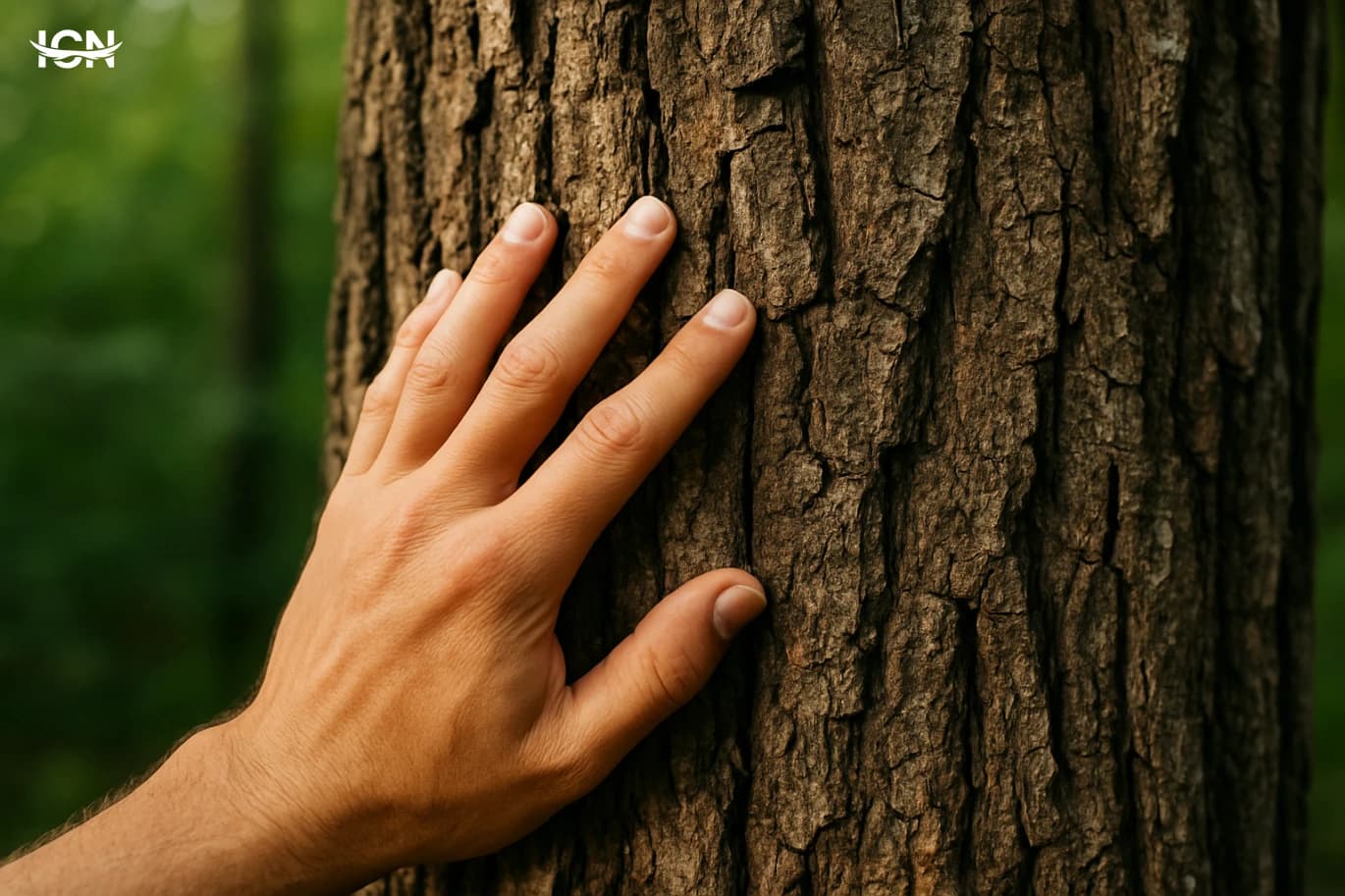
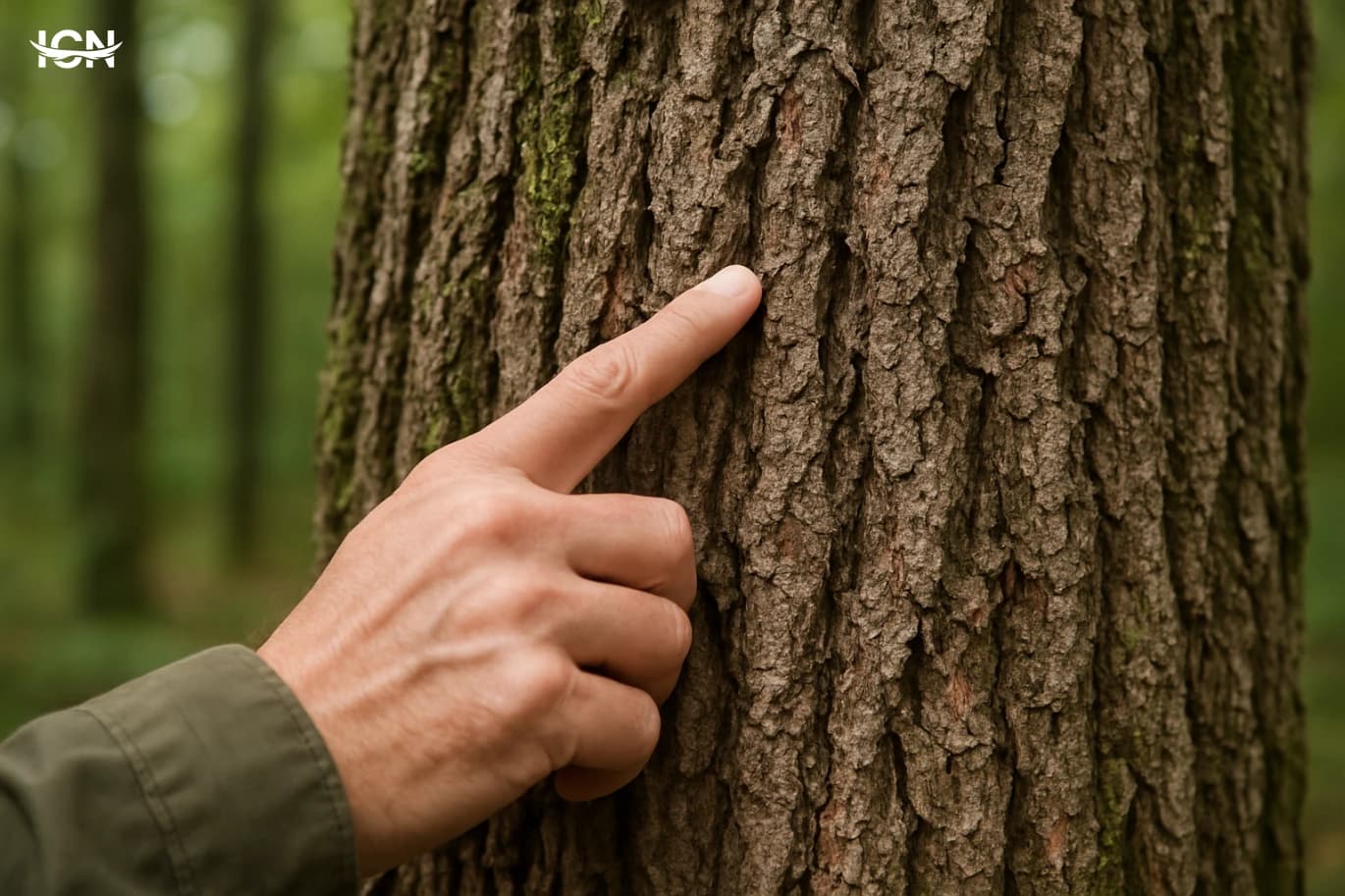
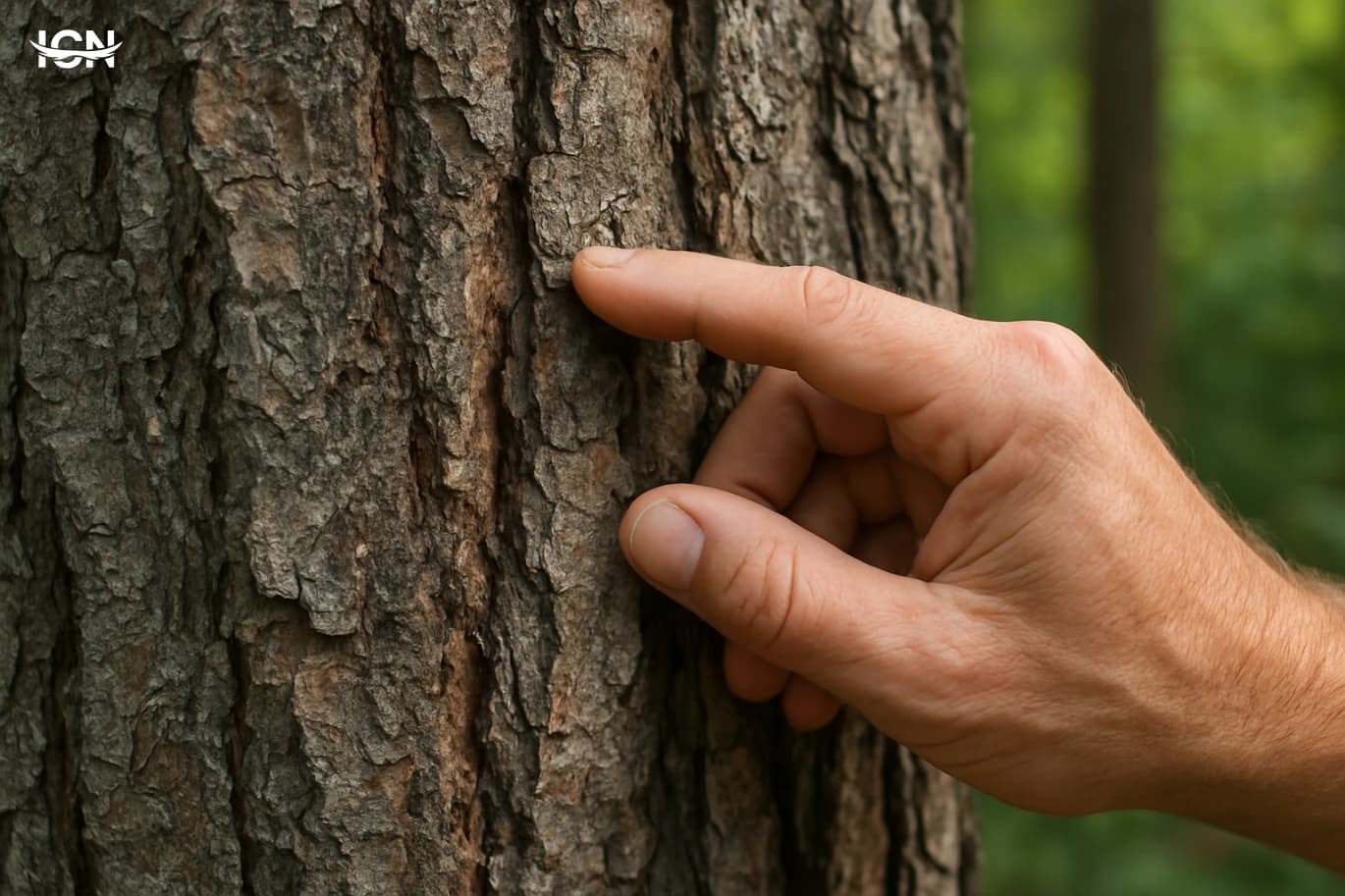
Leaves are seasonal, but bark and branching are available year-round. Start with bark texture: is it smooth, flaky, furrowed, or plated? Note color changes from the base to higher branches, and look for lenticels—small pores that can appear as dots or short lines. Then check buds and twigs. Bud arrangement is a powerful identifier: opposite buds occur in pairs across the twig, while alternate buds zigzag along it. This single observation can narrow your options quickly. Also look at twig thickness and flexibility, and whether buds are pointed, rounded, or covered by scales. Branching structure tells a story about both species and maintenance. Some trees naturally form a strong central leader, while others spread into multiple main stems. In cities, pruning can exaggerate these tendencies. Watch for topping cuts, repeated “lion-tailing” where inner branches are removed, or tight V-shaped unions that may indicate future splitting risk. You do not need to diagnose hazards, but you can learn to recognize common structural outcomes of different pruning styles. Photographing a trunk section, a twig with buds, and the overall silhouette gives you a consistent record for later comparison.
Leaves, flowers, and fruit without jargon
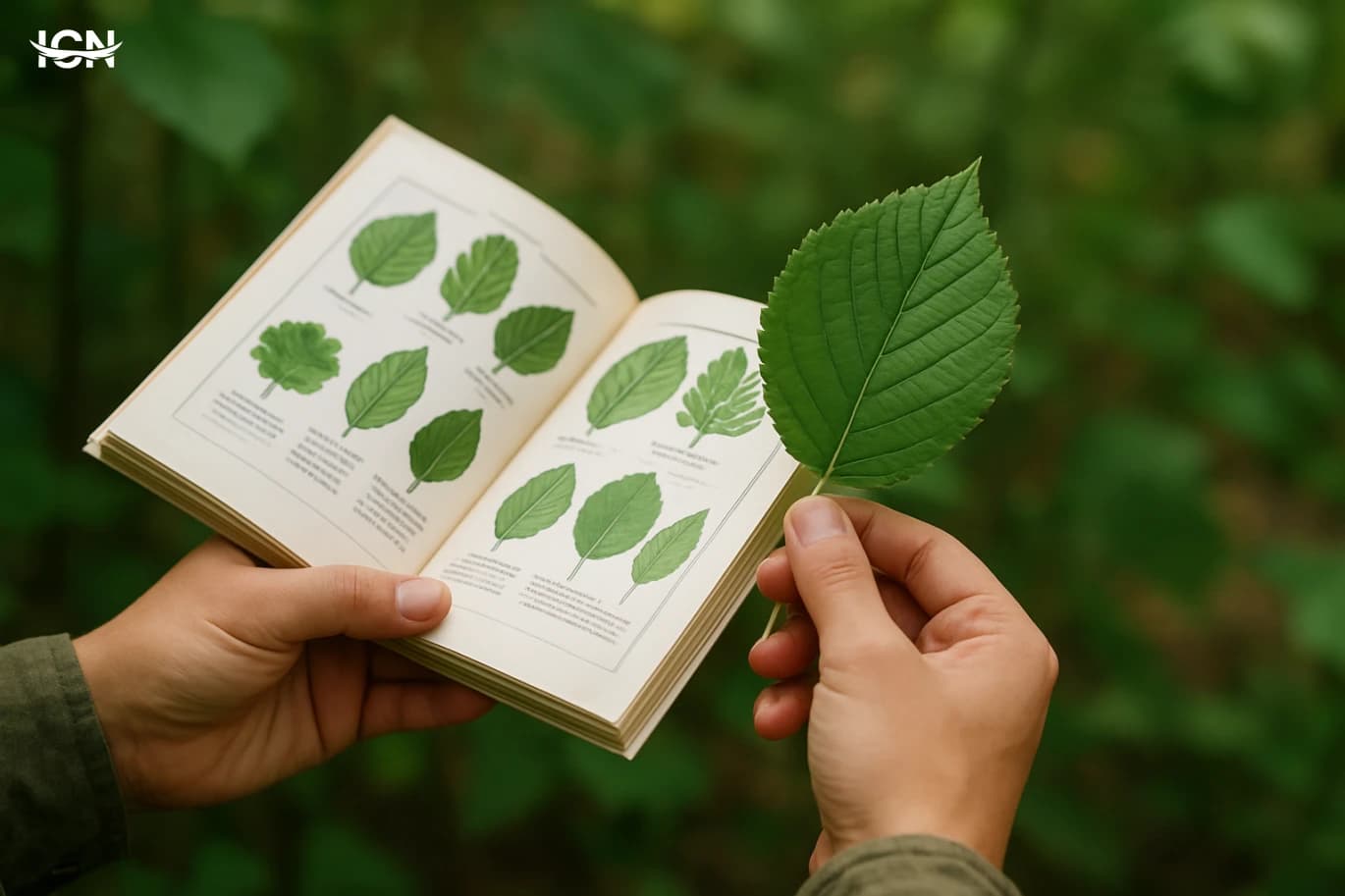
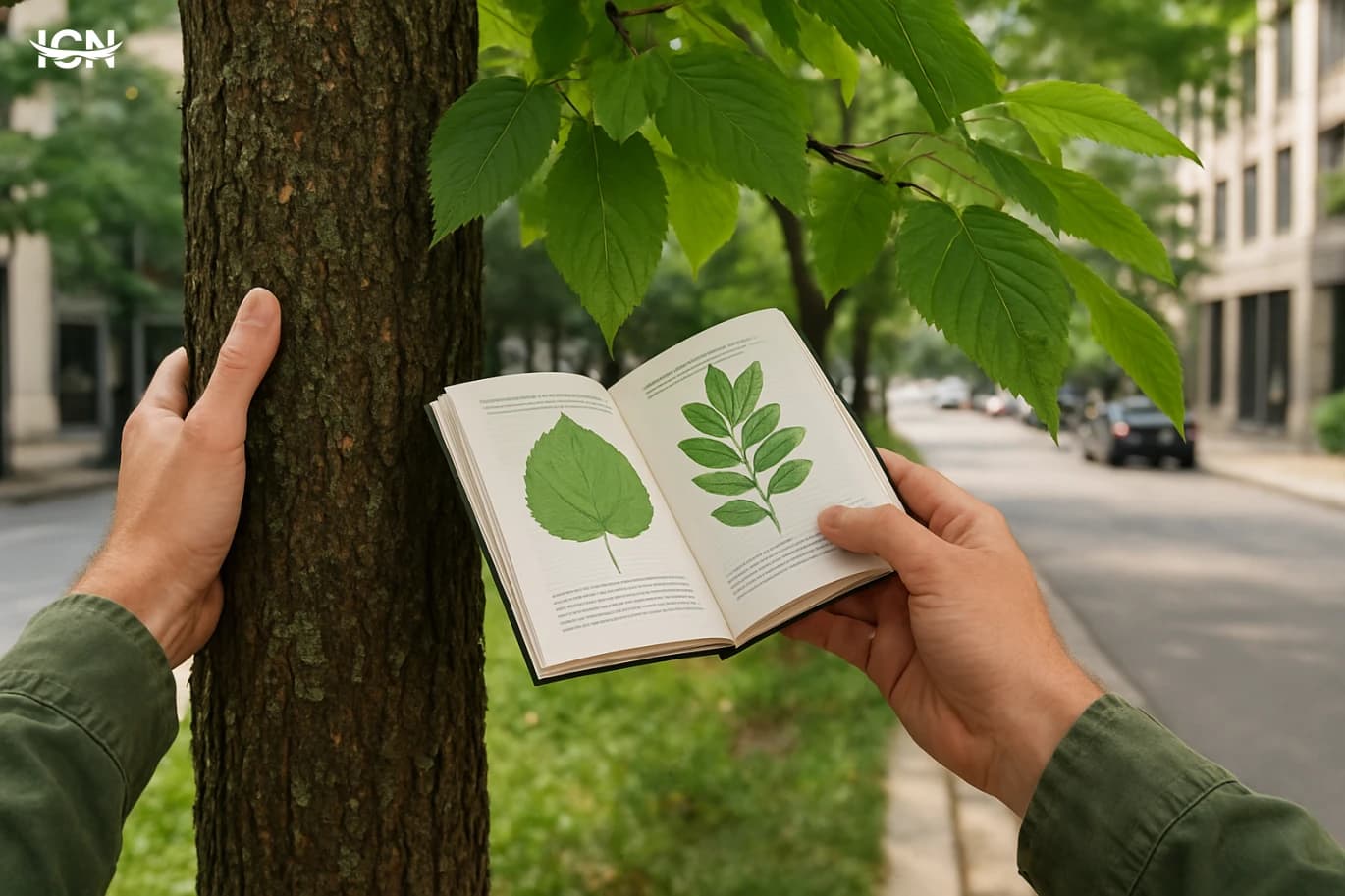
When leaves are present, focus on a few practical traits. First, check whether the leaf is simple (one blade) or compound (many leaflets). Then note the edge: smooth, toothed, or lobed. Look at the underside for a different color, fine hairs, or a waxy feel. These features often remain consistent even when leaf size varies due to drought or pruning. If flowers appear, record timing and visibility. Some trees bloom before leaf-out, making flowers easy to spot, while others hide small blossoms within the canopy. Fruit and seeds are especially useful in late summer and autumn. Observe whether the tree drops winged seeds, hard nuts, fleshy berries, or dry pods. In urban settings, fruit can also explain maintenance choices: cities may avoid messy or slippery fruit near sidewalks, or they may select sterile cultivars to reduce litter. Do not taste anything; identification can be done visually. Collecting fallen leaves or seeds from the ground, where permitted, is safer than pulling from branches. Pair your observations with a local tree inventory map if your city provides one, and you can confirm names while learning the traits that actually matter in the field.
Spotting stress signals early
Urban trees face predictable stressors, and many leave visible clues. Watch for sparse foliage at the top of the crown, unusually small leaves, or early color change—often linked to limited water or root damage. Check the trunk base for girdling roots that wrap around and press into the bark, a common issue in trees planted too deep or grown in tight containers. Look for cracks, oozing sap, or areas where bark has died back; these can indicate mechanical injury from equipment or repeated impacts. Also note leaf spots, powdery coatings, or chewing patterns. While you do not need to identify every pest or disease, you can record what you see and when it happens. In many cities, the most important factor is not a single insect but chronic stress from heat, compaction, and restricted rooting space. If you see a pattern—multiple trees on the same block showing similar decline—site conditions are often the shared cause. Reporting concerns to local parks departments is more effective when you include location, photos, and a brief description of symptoms rather than a guess at the diagnosis.
Build your own neighborhood tree log
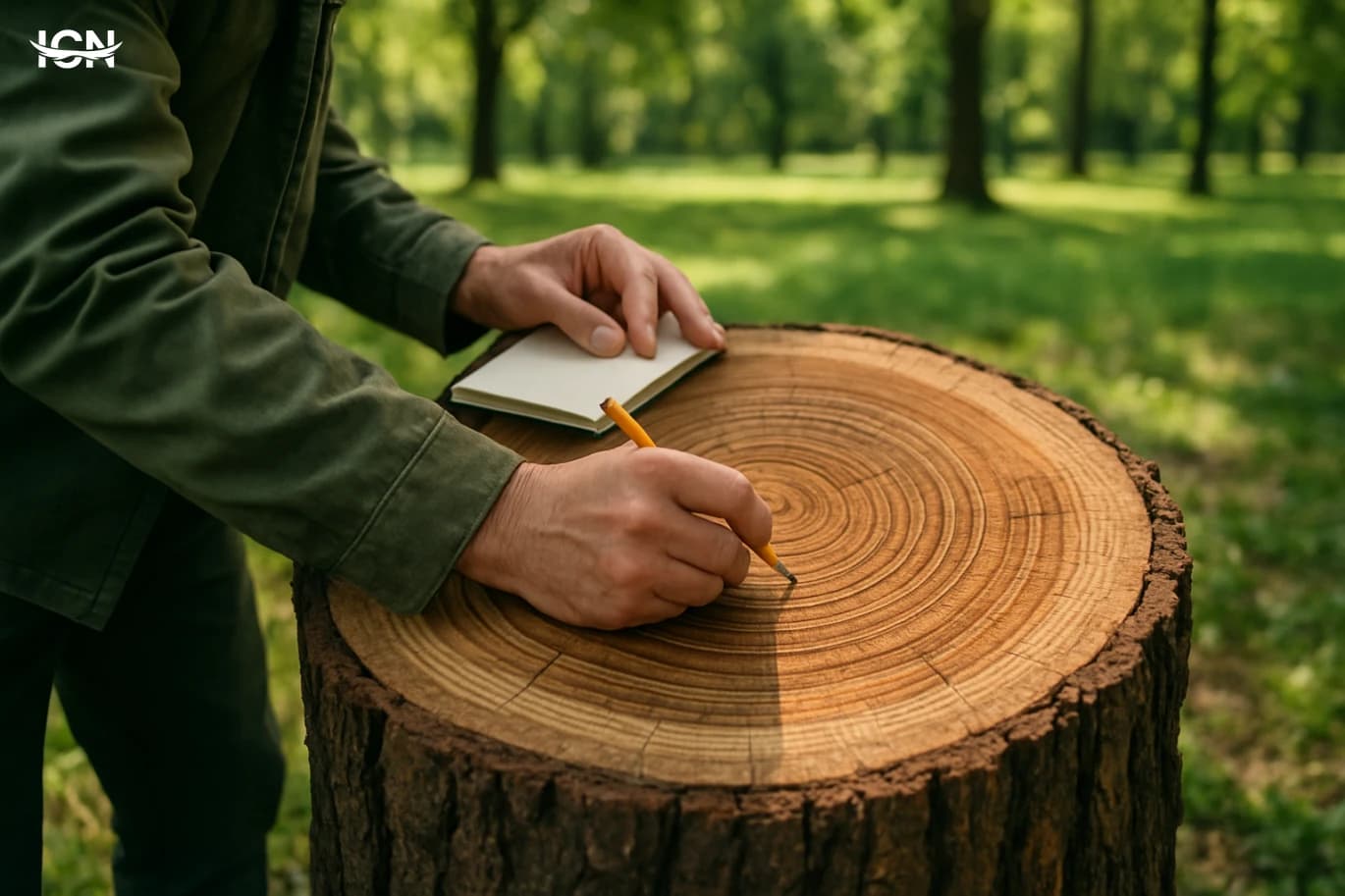
Turn observations into a simple, repeatable log. Choose a route of 10–20 trees you can revisit monthly. For each tree, record date, location, approximate height class (small, medium, large), planting space type, and three photos: trunk base, a twig or leaf close-up, and the full canopy. Add notes on recent pruning, presence of mulch, and any visible stress signs. Over a season, you will see how quickly different species leaf out, how they respond to heat waves, and which sites stay healthier after dry weeks. If you want to go further, add a basic canopy estimate by standing back and noting whether the crown is full, moderate, or thin. Keep the language consistent so you can compare entries. This kind of neighborhood log is useful beyond personal learning: it can support community requests for better watering, improved planting pits, or more diverse species selection. It also helps you appreciate successful plantings—trees that maintain a stable canopy despite tough conditions are valuable examples of what works in your local environment.