App Logo

Download Our App

Shop your way

logologo
Image

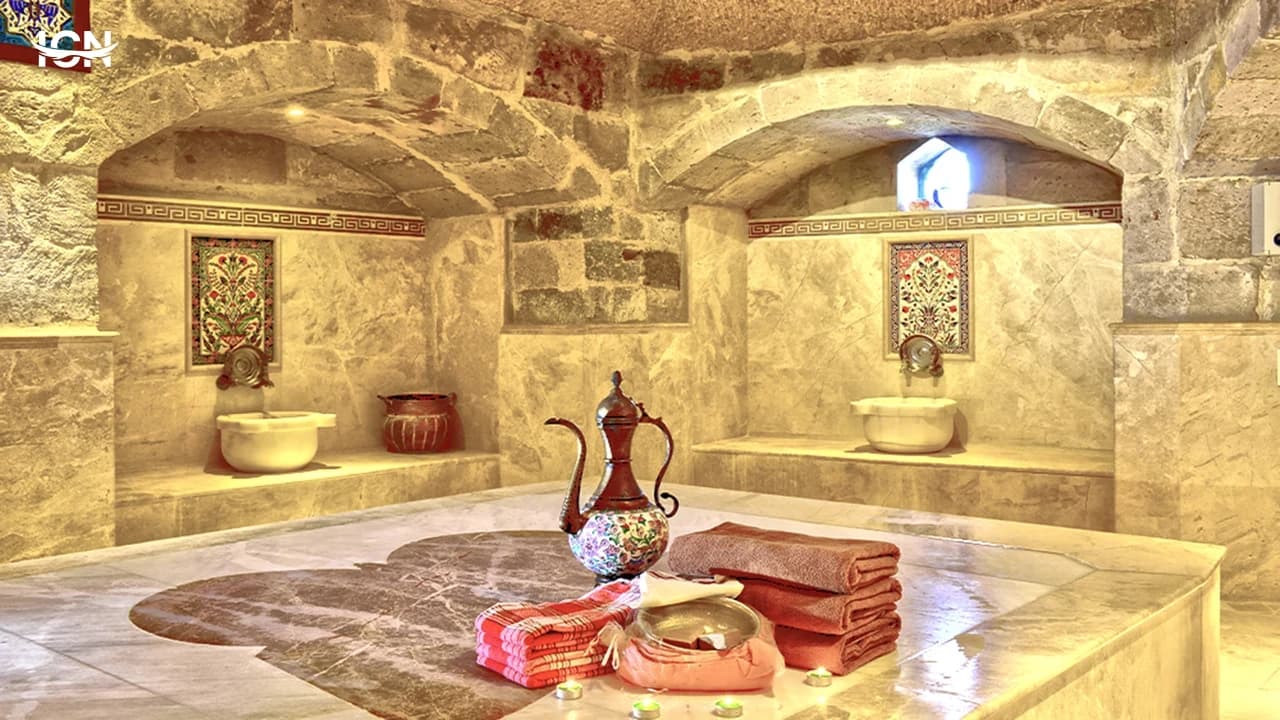
The Ottoman bath and its traditions
02/10/2026By: ICN
The Ottoman bath and its traditions

Origins of the Turkish Bath: From Rome to the Golden Ottoman Era

Istanbul experienced an architectural boom in this field. Records indicate that the city alone had about 168 public baths by the seventeenth century, highlighting the pivotal role of this institution in daily life and Ottoman civilization.

The social traditions of the Ottoman bath

Ottoman bath traditions included celebrating major occasions, such as bridal rituals or exchanging greetings during holidays. This focus on relaxation and social gatherings is what gives the Turkish bath its historical and cultural significance for foreign tourists today. In this comprehensive guide, we will explore the sections of this ritual, its health benefits for skin purification and stimulating blood circulation, and how to enjoy the traditional bath experience.

History and Origins of the Ottoman Bath: From Rome to the Golden Age

However, the Ottomans added their Islamic and Eastern touch to it, transforming it into a social and spiritual center representing the essence of Ottoman culture. The interest in developing Ottoman baths began in the 14th century in cities like Bursa. The baths were usually built next to mosques and schools to ensure body cleanliness and achieve spiritual purity. This value was fundamental in Ottoman bathing culture, where physical cleansing symbolized spiritual purification. The golden age of baths in Istanbul saw the Ottoman bathing culture reaching its peak after the conquest of Istanbul. The Ottoman sultans were keen to construct massive establishments of historical significance, some of which were designed by the famous architect Sinan. Records indicate that by the 17th century, the number of public baths in the city of Istanbul alone was estimated to be around 168. This number illustrates the utmost importance society placed on this facility in daily life and Ottoman heritage. Public baths were a necessity, especially since most homes did not have running water systems until the 19th century. The bath was not just a place for cleaning but was a free space for social interaction and conversation, enhancing its role as a vital center in Ottoman civilization, especially for women. For this reason, the Turkish bath today remains a main attraction for foreign tourists seeking a unique historical experience in Turkey.

The architectural composition of the Ottoman bath: main sections

Here, you change your clothes and wear the peshtemal, which is the traditional Turkish cotton towel. This section is also vital for ultimate relaxation and drinking Turkish coffee or tea after completing the rituals, making it a social hub in daily Ottoman life. 2. The warm section (Telik): This preparatory phase is a crucial transitional room to ensure the safety of the experience. Its temperature is higher than the cold section but lower than the hot section. Its primary function is to prepare your body for the high heat, as pores begin to open in preparation for skin purification and deep cleansing. Here, the initial washing process with water and soap begins before moving to the intense sweating phase. 3. The hot section (Harara): The heart of this steam room is the core of the traditional Turkish bath, sometimes called the steam room. This section features very hot marble, with high humidity and elevated temperatures. Sitting here aims for intense sweating, helping to purify the skin from toxins and stimulating blood circulation. This stage is essential for the skin to be ready for the deep scrubbing process using the Turkish kese, a key step for exfoliating dead skin cells. Here's a quick comparison of the traditional bath sections: Section Traditional Name Primary Function Temperature Reception and Rest Jamekan Changing clothes, ultimate relaxation Moderate Warm Section Telik Opening pores, gradual preparation Warm to medium heat Hot Section Harara/Steam Room Intense sweating, toxin purification Very high

Traditional Rituals: The Relaxation Journey in the Ottoman Bath

The therapist uses the Turkish kese (a rough glove or what is called the Turkish loofah) to rub your entire body, designed to effectively remove layers of dead skin and damaged cells. This process aims to achieve incredible skin purification, along with stimulating circulation and rejuvenating the body. Stage three: washing and abundant foam after scrubbing, it's time for washing using traditional scented soap. The therapist uses a special cotton pouch to create a thick foam that covers the entire body, followed by gentle massage. The foam is rinsed off with lukewarm or cold water, a necessary step to close the pores and invigorate the body, preparing for the relaxation phase in the Ottoman style. Stage four: massage and physical rest Although massage may be an additional service, this phase ensures physical and mental comfort, being a complementary part of the Ottoman care rituals. Even if you do not choose a full massage, your head and hair are washed and gently massaged, enhancing your feeling of calm and tranquility. Stage five: relaxation and completion (cold section) Finally, you move to the cold section (the gamkan), where you gradually cool your body. Here you enjoy Turkish tea or refreshing juices and experience a deep sense of recovery and comfort, an ideal conclusion to the Ottoman bath experience.

The health and beauty benefits of the Ottoman bath: The secret to body rejuvenation

Its role extended beyond just bathing; it included events and important social gatherings, symbolizing physical cleanliness and spiritual purity. The history of the Ottoman bath and its traditional sections The Turkish bath traces back to the development of Roman and Byzantine baths. Since the 14th century, the Ottomans developed them to become an integral part of Turkish culture, built next to mosques and schools. In the golden age of the Ottoman Empire, baths were used for purifying the soul and body before religious occasions, highlighting their spiritual significance. The traditional bath usually consists of three main sections: the cold section (for relaxation), the warm section (for washing with water and soap), and the hot section or steam room (for opening pores and preparing the skin for scrubbing). Social and celebratory bath rituals These baths were vital spaces for social communication and conversation exchange, separately for men and women, making them an essential part of daily life. There were special rituals for major celebrations, like the 'bridal bath' before weddings or the 'forty-day bath' after childbirth. These celebrations included music, food, and congratulations, emphasizing the vital role of these traditions in Ottoman society. Ottoman heritage facing modernity With the advent of running water in homes during the 19th century, the use of public baths gradually declined as a daily necessity. However, many historical baths in Istanbul and Bursa have maintained their presence as heritage landmarks and major tourist destinations. Today, these baths have transitioned from a necessity to a distinctive recreational experience attracting foreign tourists who seek to enjoy Ottoman-style relaxation and experience a part of Turkey's authentic culture.

The Ottoman heritage and maintaining its traditions today

Specialized companies and global media platforms like France 24 Arabic contribute to highlighting this tradition to promote tourism in Turkey. The traditional bath is advertised as an opportunity for relaxation and to learn about the rich history of the bathhouse that dates back to the Ottoman era. When visiting Istanbul, foreign tourists can choose a historic bathhouse or a modern bath offering luxurious services, ensuring that bathing culture remains a major attraction.

Tips for Ottoman bath visitors

Preparation and hydration: Drink plenty of water before entering to avoid dehydration due to the heat and steam in the hot section. Clothing and Pestemal: You will receive a Turkish cotton towel (pestemal). You can wear swimwear underneath if you feel more comfortable. Prices and services: The cost varies depending on the type of service offered (scrubbing only, oil massage). Historical baths are often more expensive due to their historical significance. Calmness and serenity: Maintain calmness and focus on recovery and mental clarity, as these places are meant for relaxation in the Ottoman style. In the end, the Turkish bath experience is a journey through time, combining physical care with the deep history of Ottoman civilization, and remains a living symbol of Turkish culture.

Visitor Guide: Frequently Asked Questions about the Turkish (Ottoman) Bath Experience

Certainly. The Turkish bath is one of the most famous tourist attractions in Turkey, especially in cities like Istanbul and Bursa. It's an excellent opportunity to delve into the depths of Ottoman culture and discover historical relaxation traditions. Multilingual staff are often available to ensure a smooth experience for foreign visitors. What is the difference between the Turkish bath, the Moroccan bath, or the sauna? The Turkish bath fundamentally differs from others. It focuses on high humidity and steam in the hot section, using warm marble to open the pores. The distinctive element is the intensive scrubbing ritual using the Turkish mitt (kese), which aims to cleanse the skin and stimulate circulation. While the sauna relies on dry heat, the Moroccan bath uses black soap and clay for the cleansing process. Are there separate sections for men and women in traditional baths? Yes, in most major traditional Ottoman baths, especially those in Istanbul, there are completely separate sections or times for men and women, respecting the ancient bath traditions. Some smaller baths might be designated for one gender only, so it's important to check when booking to ensure compliance with bathing traditions. What is a peshtemal? Do I need to bring my own tools? A peshtemal is a lightweight Turkish cotton towel, wrapped around the body for modesty and comfort while moving between bath sections. There is no need to bring your own tools, as the bath provides all necessary supplies, including soap and the Turkish mitt (kese), and everything you need for a pure spirit experience.
* All articles published on this blog are sourced from various websites and are provided for informational purposes only. They should not be considered as confirmed studies or accurate information. Please verify the information independently before relying on it.

Similar ARTICLES

Luxury Jewelry as Couture’s Finishing Signature
In high fashion, the garment is rarely the final statement. Couture is built on precision: hours of handwork, controlled volumes, and fabrics chosen for how they move under light. Luxury jewelry completes that work by adding a second layer of design that sits closer to the viewer’s eye and often closer to the wearer’s identity. A dress can establish silhouette and mood, but jewelry sets the focal points: the line of the neck, the framing of the face, the rhythm of the wrists, and the balance between minimalism and spectacle. The relationship is practical as much as aesthetic. Couture ateliers plan fittings around how a neckline will accommodate a necklace, how a sleeve will allow a bracelet to sit without snagging, and how earrings will read in motion. Stylists and jewelry houses also consider the “camera reality” of modern fashion: runway lighting, editorial flash, and smartphone video. Stones and metals are selected not only for rarity but for how they reflect, absorb, or soften light. In this sense, luxury jewelry is not an accessory added at the end; it is a finishing signature that can refine, modernize, or even redirect the message of a couture look.
Metal or Paper Nail File Choice
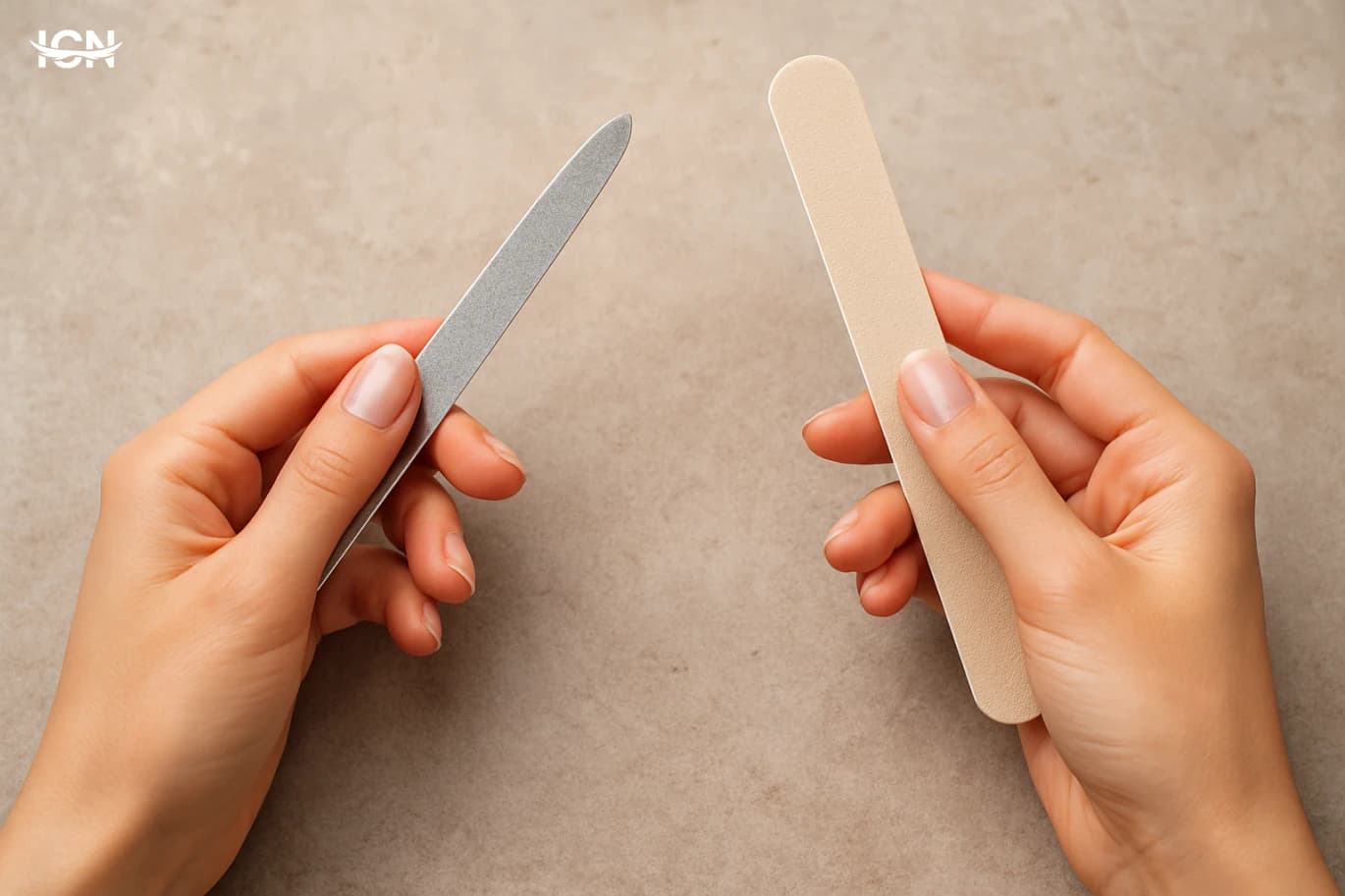
A nail file is not just for shortening length; it shapes the free edge and smooths tiny irregularities that can turn into splits. The difference between metal and paper files is mainly the surface structure and how it interacts with the nail plate. Nails are made of layered keratin. When the edge is filed with a surface that is too coarse or too rigid, those layers can lift slightly, creating a rough edge that catches on fabric and encourages peeling. A metal file is typically a rigid tool with etched grooves or a textured coating. It removes material quickly and keeps its shape over time. A paper file is usually an emery board: a flexible core with abrasive grit bonded to it. That flexibility matters because it can follow the curve of the nail and reduce pressure points. In practical terms, the “better” option depends less on brand and more on nail condition, filing technique, and how often you file.
Why Freckles Peak in Summer
Freckles often look darker and more numerous in summer because the skin is responding to a different environment, not because new “spots” are suddenly appearing from nowhere. The main shift is higher ultraviolet (UV) exposure from longer days, stronger sun angles, and more time outdoors. UV light stimulates melanocytes, the pigment-producing cells, to make more melanin as a protective response. In freckle-prone skin, that melanin tends to cluster in small, well-defined areas, so the contrast becomes more obvious. Heat and humidity also change how skin behaves. Higher temperatures increase blood flow and can make the skin look more flushed, which can make freckles stand out. Sweat and oil production rise, and many people cleanse more aggressively or use heavier products, which can irritate the skin barrier. When the barrier is stressed, the skin can become more reactive to sunlight and more likely to show uneven pigmentation. Summer routines also include activities that increase incidental UV exposure—driving with sunlight through windows, walking during midday, or sitting near reflective surfaces like water, sand, or light pavement. It is important to separate freckles from other pigment changes. Freckles are usually small, flat, and tan-to-brown, and they often fade in cooler months. Other marks, such as sunspots (lentigines) or post-inflammatory hyperpigmentation from acne, can persist year-round and may need different management. If spots change shape, color, or behavior, a professional skin check is the safest step.
How Men’s Cosmetic Surgery Reset Modern Handsomeness
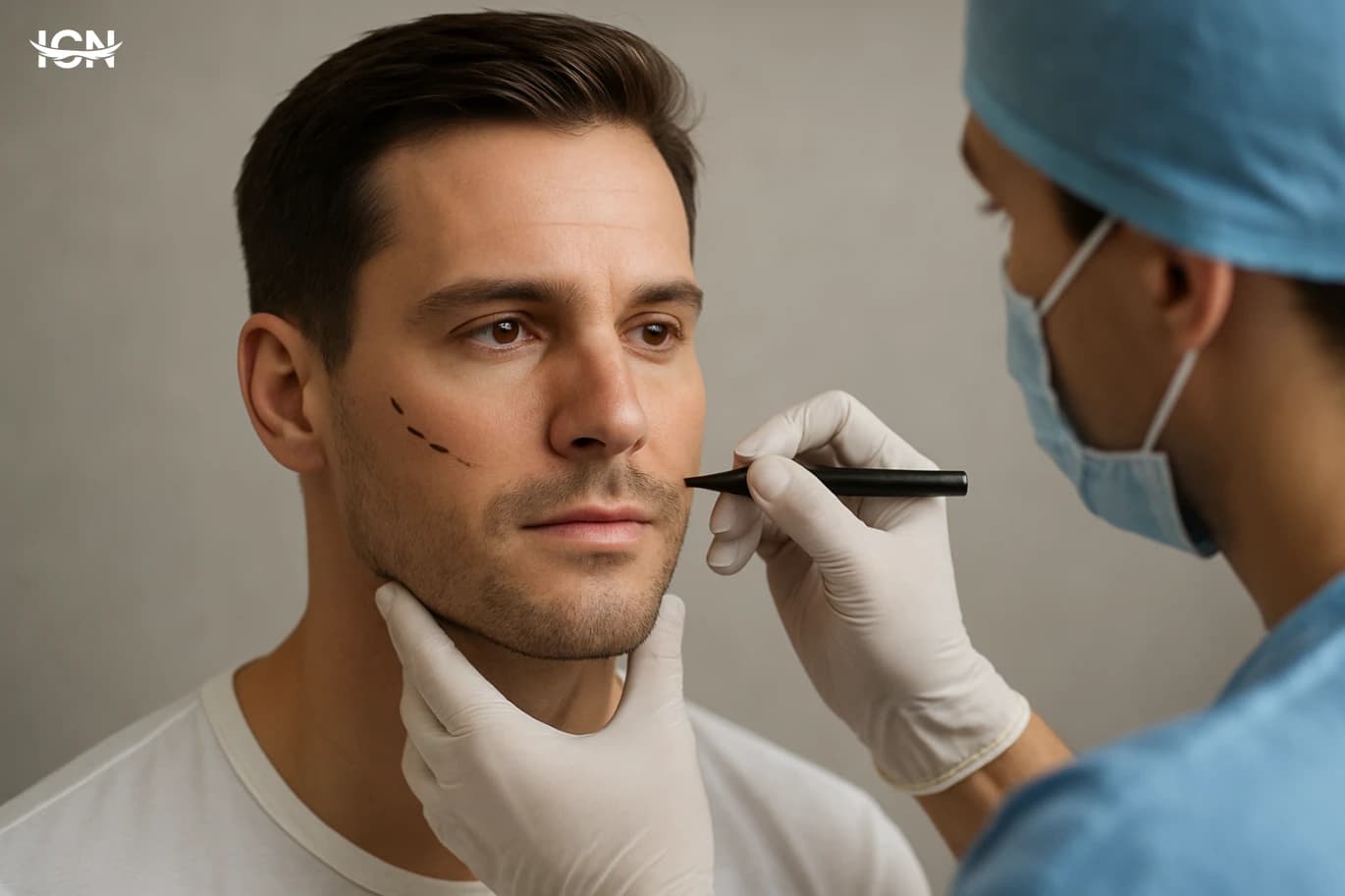
For decades, cosmetic procedures were marketed mainly to women, while men were expected to “age naturally” and treat grooming as a private matter. That boundary has shifted. In many cities, men now book consultations as routinely as they book dental cleanings or haircuts, and clinics increasingly design waiting rooms, websites, and aftercare instructions with male patients in mind. The change is not only about access; it has altered what people consider a “normal” level of facial symmetry, skin quality, and body definition for men. A key driver is visibility. Before-and-after images, influencer content, and celebrity interviews have normalized the idea that a sharper jawline or smoother under-eye area can be a planned outcome rather than luck or genetics. The result is a new baseline: a well-rested look, a defined profile, and a tidy hairline are increasingly treated as standard components of contemporary handsomeness. This does not mean every man wants surgery, but it does mean the reference points for “looking good” have moved closer to curated, clinic-assisted aesthetics.
Summer Heel Rescue in One Night
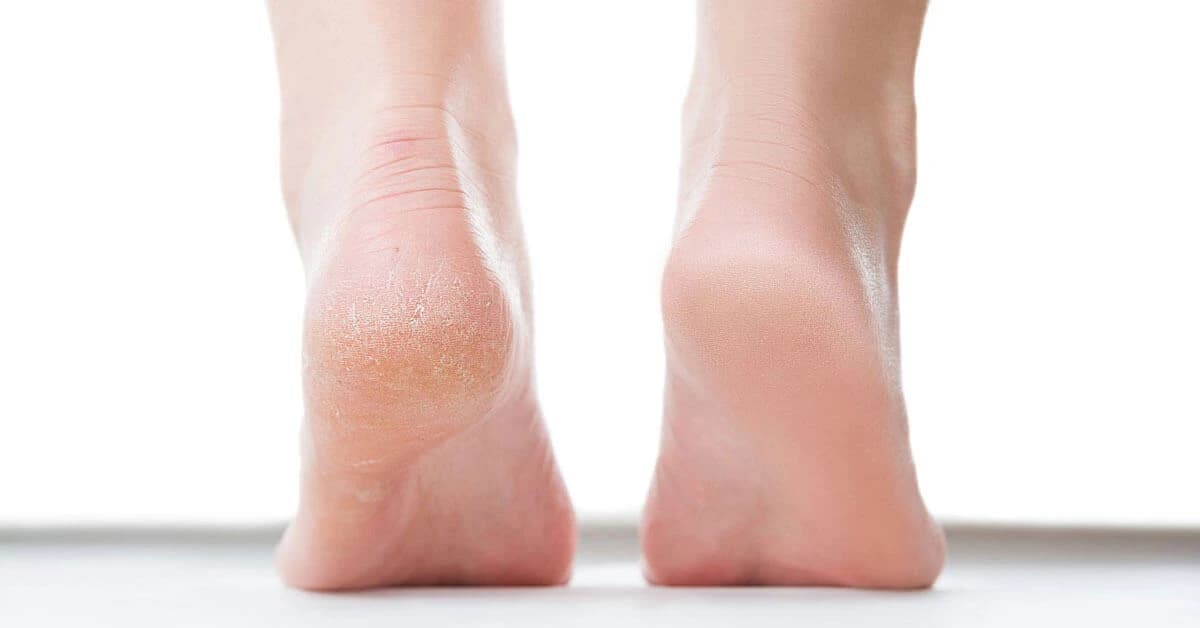
Heel cracks are rarely about “dry skin only.” In summer, several practical factors stack up: open-back shoes increase friction, sand and dust act like mild abrasives, and frequent showers or pool time can strip the skin’s protective oils. Add long walks on hot pavement and you get thicker, harder skin on the heel that loses flexibility. When that stiff layer bends with every step, it can split into visible lines and painful fissures. Another overlooked issue is how quickly feet dehydrate in heat. Sweat evaporates fast, and many people skip moisturizing because feet feel “already damp.” The result is a surface that looks fine during the day but becomes rough after it dries. If you also use harsh soaps, alcohol-based sanitizers, or very hot water, the skin barrier weakens further. The goal of any fast home remedy is therefore twofold: soften the thickened layer and lock water into the skin so it stays flexible.
More Care for Busy Families at Home
More Care is not about doing everything perfectly; it is about building small, reliable habits that protect health, reduce stress, and keep a household running smoothly. For busy families, care often breaks down in predictable places: rushed mornings, skipped meals, forgotten appointments, and clutter that makes simple tasks harder. A practical definition is “consistent attention to essentials,” such as sleep, hydration, basic nutrition, hygiene, and safe routines. When these are stable, families have more time and energy for work, school, and rest. A useful way to think about More Care is to separate urgent tasks from important routines. Urgent tasks are the ones that shout, like a late school form or an empty fridge. Important routines are quiet but powerful, like preparing tomorrow’s water bottles, keeping a simple first-aid kit stocked, or setting a weekly check-in for schedules. This topic focuses on realistic steps that fit into a normal week, including how to share responsibilities across adults and age-appropriate tasks for children. The goal is not a strict system; it is a flexible structure that makes care easier to deliver every day.
Sea Sand Skincare That Actually Works
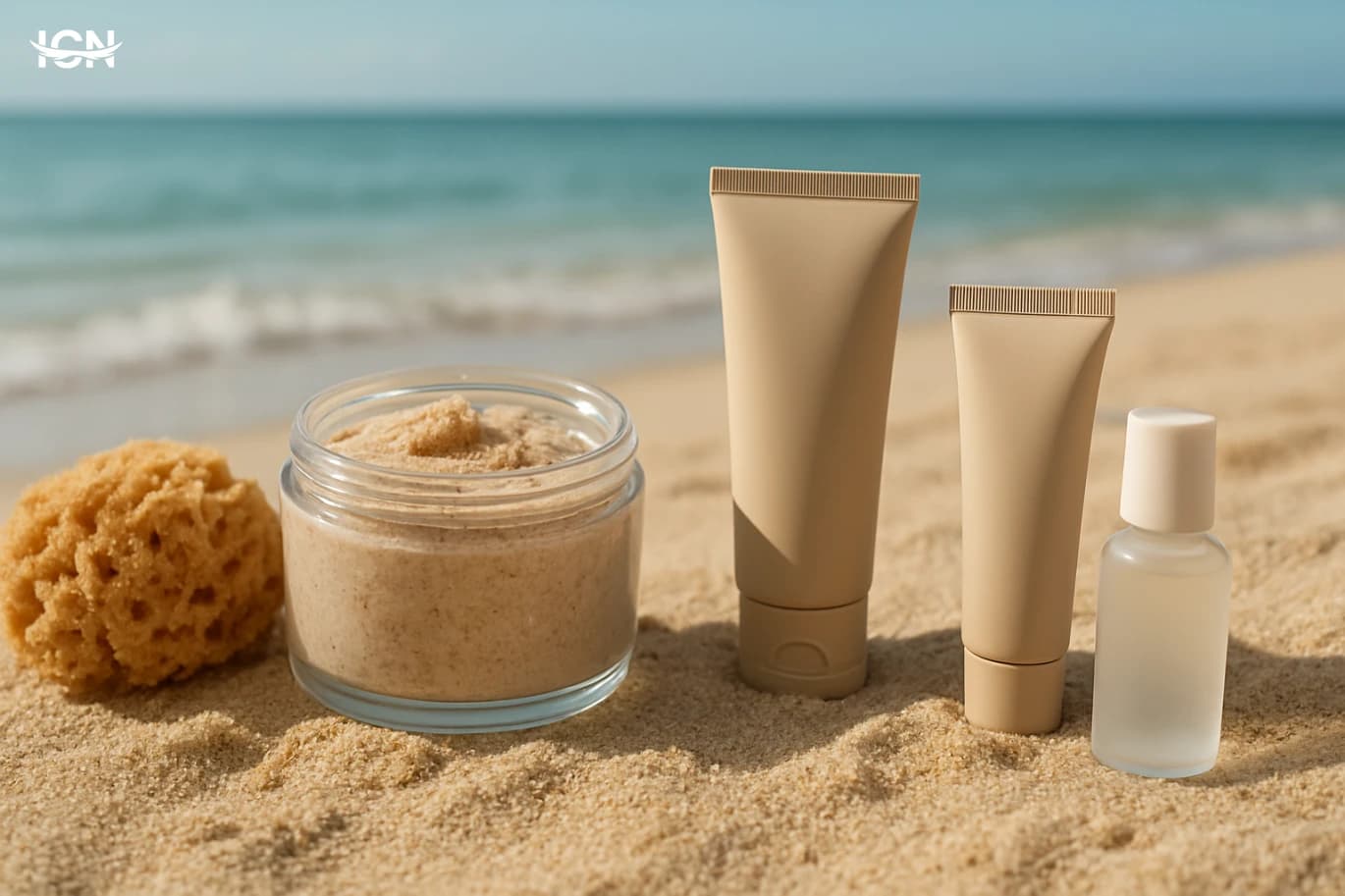
Sea sand is not a single material; it is a mix of tiny mineral grains shaped by waves and time. What makes it useful for skin is its physical texture: many grains are rounded enough to glide, while still providing gentle friction that can lift dull surface buildup. Compared with some harsh body scrubs made from large sugar crystals or sharp nut shells, fine beach sand can feel more even on the skin when used carefully and briefly. Another reason sea sand stands out is the environment around it. Sand at the waterline is naturally damp, which helps it spread and reduces scratchiness. The saltwater nearby also changes the experience: salt can help soften and loosen surface debris, while the cool temperature of wet sand can feel calming after sun exposure. The key is to treat sand as a short, controlled exfoliation step rather than a daily habit.
More Care for Everyday Medication Safety
Medication routines often look simple: a pill in the morning, a refill once a month, a pain reliever when needed. In practice, small gaps in attention can create avoidable problems such as missed doses, accidental double-dosing, or mixing products that should not be combined. More Care in this context means building a system that reduces reliance on memory and makes the safe choice the easy choice. Everyday risk points are predictable. Similar packaging can lead to mix-ups, especially when multiple family members keep medicines in the same drawer. Over-the-counter products can contain overlapping ingredients, such as acetaminophen, which increases the chance of exceeding the daily limit. Travel, schedule changes, and busy mornings can disrupt routines. A practical safety plan focuses on clear labeling, consistent storage, and a simple method to track what was taken and when.
The Wide Forehead Beauty Advantage
A wide forehead is often read as a clear, open facial area that gives the eyes and brows more visual space. In many beauty contexts, that extra space helps the face look brighter and more balanced, especially when the brow line is well-defined and the skin is even in tone. Photographers and makeup artists frequently note that a broader forehead can “carry” light well, which supports a clean, fresh look in both natural daylight and studio settings. From a proportions perspective, people tend to respond to faces that look harmonious rather than perfectly symmetrical. A wide forehead can contribute to that harmony by creating a smooth transition from hairline to brows, and by making the mid-face appear less crowded. This is one reason why certain hairstyles and editorial looks intentionally reveal more of the forehead: it can project confidence, clarity, and a modern aesthetic without needing heavy styling. Importantly, the wide-forehead look is not a single template. It can appear with straight, arched, or soft brows; with different hair textures; and across a wide range of face shapes. What makes it “beautiful” in practice is how it works with the rest of the features—skin quality, brow grooming, and styling choices—rather than the measurement itself.
Small Moles and Facial Charm
A small facial mole often draws attention because it creates a clear focal point on otherwise uniform skin. In visual terms, the eye naturally notices contrast, and a mole can act like a subtle marker that helps define the face’s overall composition. When it sits near the cheek, above the lip, or close to the eye, it can highlight nearby features by giving the viewer a reference point. This is one reason many people describe a “beauty mark” as memorable even when it is only a few millimeters wide. Cultural media has also shaped how people interpret these marks. In photography, cinema, and fashion, a distinct mole has been associated with individuality and recognizability. Viewers may remember a face more easily when there is a small, consistent detail that appears in every angle and expression. This does not mean a mole is required for attractiveness; rather, it shows how small details can influence perception, especially in close-up images and social media where faces are viewed repeatedly. Importantly, the appeal of a mole is not only about location. The overall harmony matters: skin tone, facial symmetry, and grooming choices can make a mole appear either prominent or barely noticeable. Many women who like their mole emphasize it with minimal makeup, while others prefer to soften it with coverage. Both approaches can look polished when they match the person’s style and when the skin around the mole is healthy and evenly cared for.
Pro Methods to Clean Makeup Sponges
Makeup sponges sit at the intersection of moisture, skin oils, and product residue. That combination can quickly turn a soft tool into a surface that transfers old foundation back onto the face, dulls the finish, and shortens the sponge’s life. When a sponge stays damp for hours, it also becomes harder to fully rinse, because residue settles deeper into the pores. The result is often uneven blending, patchy coverage, and a “muddy” look that people mistakenly blame on the foundation itself. Professional artists treat sponges like consumables with a strict routine: frequent cleaning, thorough drying, and timely replacement. Hygiene is not only about cleanliness; it is also about performance. A clean sponge expands evenly when wet, bounces back faster, and distributes product in a controlled way. If you notice a persistent odor, discoloration that does not fade after washing, or a sponge that feels slimy even when rinsed, those are practical signs that your routine needs an upgrade.
Natural Sun Care for Hot Days
Many people look for “natural alternatives to sunscreen” to reduce chemical exposure, simplify routines, or use what is already available at home. It is important to set expectations: no kitchen ingredient reliably provides the broad, tested protection of a regulated sunscreen, especially against UVA, which contributes to long-term skin damage. Oils, butters, and plant extracts may reduce dryness, support the skin barrier, or offer mild antioxidant benefits, yet they do not replace a product with a verified SPF and UVA rating. A practical approach is to treat natural options as supportive measures and focus on proven heat and sun strategies: shade, timing, protective clothing, and smart reapplication when you do use sunscreen. If you choose to rely on home-based methods on low-exposure days, do it with clear limits: avoid peak sun hours, keep exposure short, and watch for early signs of redness or warmth. People with very fair skin, a history of sunburns, or pigment issues should be especially cautious. This article focuses on realistic, home-friendly steps that reduce sun load and help the skin cope with summer heat. It also highlights which “natural SPF” claims are unreliable, so you can avoid common mistakes that lead to burns and uneven tanning.
By clicking the SUBSCRIBE button, you are agreeing to our Privacy & Cookie Policy If you want to unsubsribe the marketing email, please proceed to our privacy center.
© 2005-2026 ICN. All Rights Reserved.