Summer Heel Rescue in One Night
- Why heels crack more in summer
- The fastest home recipe for first-use softness
- Prep steps that make the recipe work faster
- Common mistakes that keep cracks coming back
- A simple 7-day plan for smoother feet
- When to stop and seek professional advice
Why heels crack more in summer
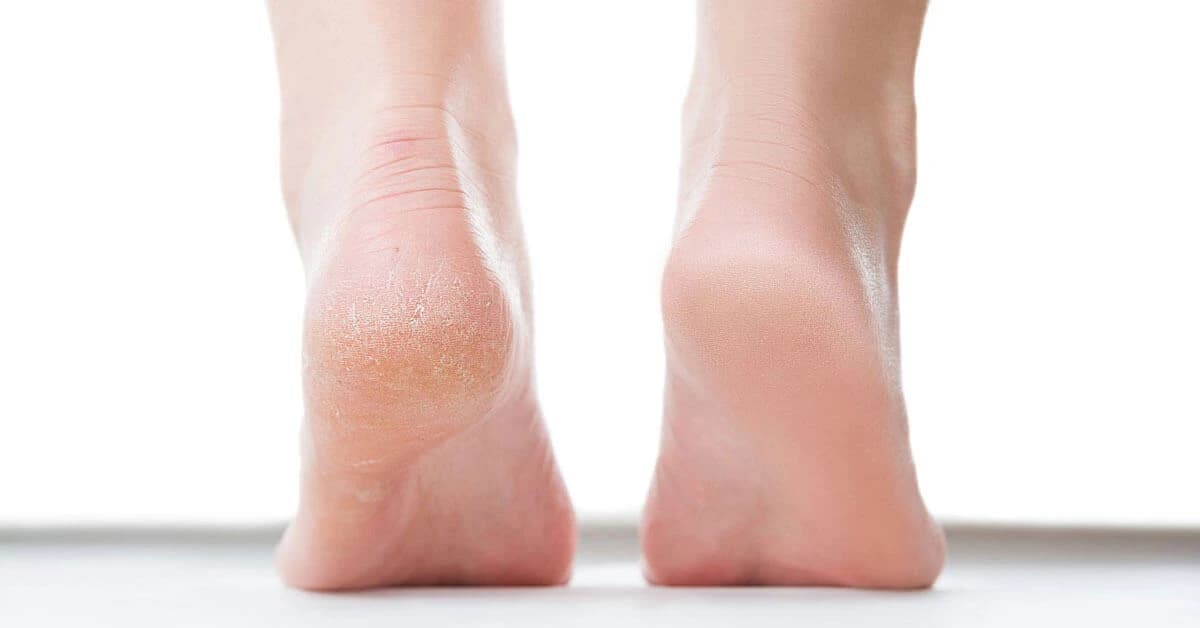
Heel cracks are rarely about “dry skin only.” In summer, several practical factors stack up: open-back shoes increase friction, sand and dust act like mild abrasives, and frequent showers or pool time can strip the skin’s protective oils. Add long walks on hot pavement and you get thicker, harder skin on the heel that loses flexibility. When that stiff layer bends with every step, it can split into visible lines and painful fissures. Another overlooked issue is how quickly feet dehydrate in heat. Sweat evaporates fast, and many people skip moisturizing because feet feel “already damp.” The result is a surface that looks fine during the day but becomes rough after it dries. If you also use harsh soaps, alcohol-based sanitizers, or very hot water, the skin barrier weakens further. The goal of any fast home remedy is therefore twofold: soften the thickened layer and lock water into the skin so it stays flexible.
The fastest home recipe for first-use softness
This is a practical “soften and seal” recipe designed for noticeable results from the first use, especially when cracks are mild to moderate. You need: 1 tablespoon glycerin, 1 tablespoon petroleum jelly (or a thick fragrance-free balm), and 1 teaspoon honey. Mix until smooth. Glycerin pulls water into the skin, petroleum jelly reduces water loss, and honey supports a smoother surface and helps the mixture spread evenly. How to use it for maximum speed: soak feet for 8–10 minutes in warm (not hot) water, then pat dry well. Apply the mixture generously to heels and any rough areas, focusing on the edges of the heel where cracks start. Put on clean cotton socks and leave it for 45–60 minutes. If you can, keep it on overnight for deeper softening. After removing the socks, wipe off any excess and apply a light layer of moisturizer. What you should feel after the first use: the surface should be less rough, with fewer “snaggy” edges that catch on fabric. Deep fissures won’t disappear in one session, but the skin should feel more flexible and comfortable when walking. Repeat 3–4 times per week for two weeks, then maintain 1–2 times weekly.
Prep steps that make the recipe work faster
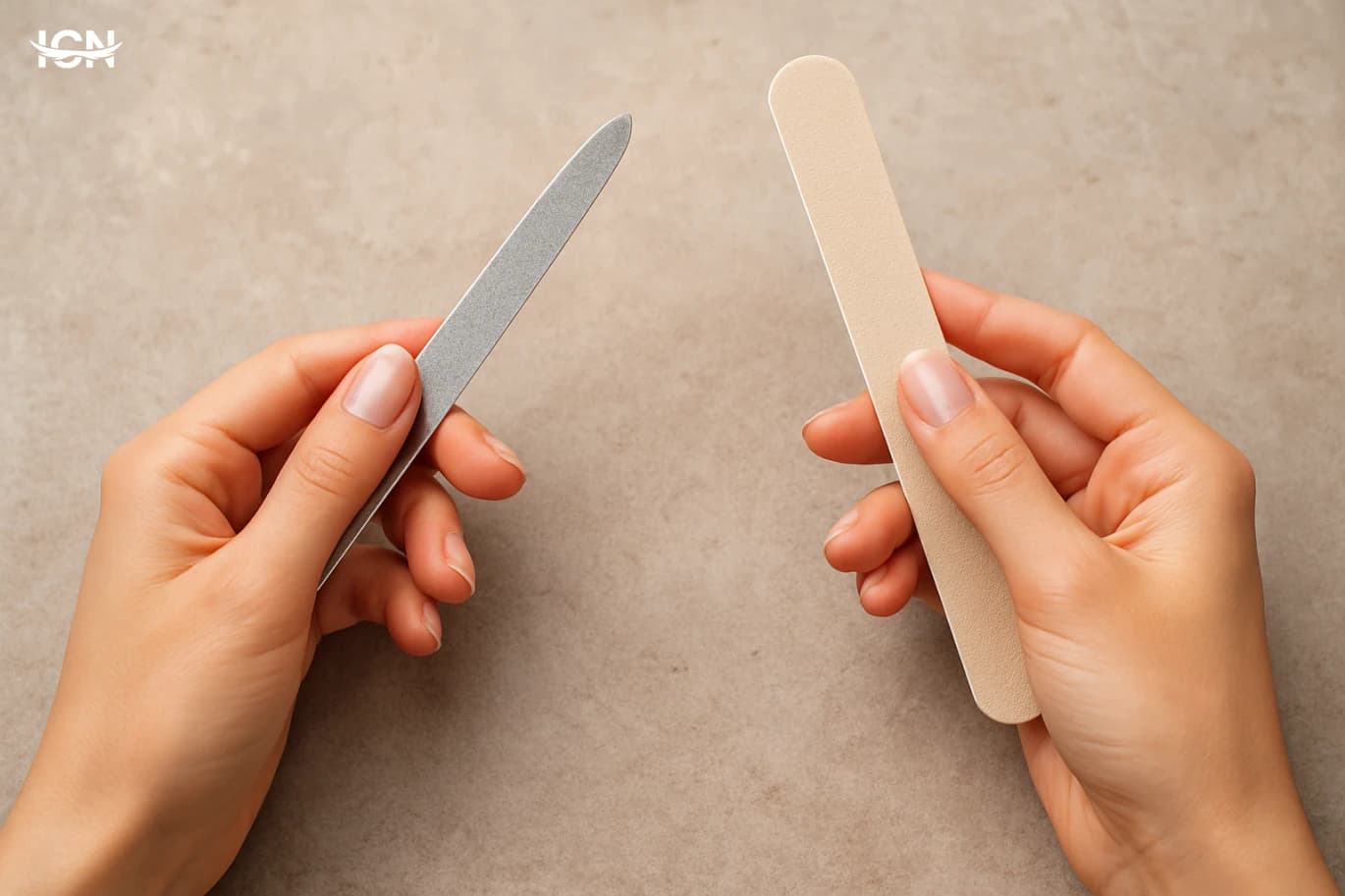
Small preparation choices can double the impact. First, keep the soak short and warm. Long soaking can swell skin and make it feel soft temporarily, but it may rebound to dryness later. Ten minutes is enough to loosen the outer layer without overdoing it. Second, dry thoroughly between toes and around the heel. Applying occlusive products on damp skin is useful, but trapped moisture in tight areas can cause irritation. A quick towel dry plus a minute of air drying is ideal. Third, if your heels are very thick, use a gentle foot file for 20–30 seconds after soaking, not before. Avoid aggressive scraping. The goal is to remove loose surface roughness, not to thin the skin dramatically in one session. Over-filing can trigger more thickening as the skin tries to protect itself. Finally, timing matters. Do the routine after your last shower of the day, when you won’t be walking much afterward. Less friction means the softened layer stays intact and the barrier has time to recover.
Common mistakes that keep cracks coming back
One frequent mistake is relying on a single “scrub day” and ignoring daily moisture. Cracks form from repeated stress, so consistency beats intensity. Another issue is using fragranced body lotions on severely dry heels. Many lotions feel light and pleasant but don’t provide enough barrier support for thick heel skin. People also underestimate shoe choice. Thin soles and open-back sandals increase impact and friction, especially on long summer days. If you must wear them, rotate with supportive shoes and consider silicone heel cups for high-walk days. Hot water is another culprit. Very hot showers can strip oils and worsen dryness. Keep water warm and limit time. Finally, avoid peeling off hard skin with sharp tools. It can create uneven edges that crack more easily and can irritate the area, making it harder to restore a smooth surface.
A simple 7-day plan for smoother feet
Day 1: Warm soak 10 minutes, gentle file 20 seconds, apply the glycerin–petroleum jelly–honey mix, socks for one hour or overnight. Day 2: After shower, apply a thick fragrance-free moisturizer to damp heels, then a thin layer of petroleum jelly, socks for 30 minutes. Day 3: Repeat Day 1 routine. Day 4: Quick maintenance: moisturizer only, focus on heel edges. Day 5: Repeat Day 1 routine. Day 6: Moisturizer plus socks for 30–60 minutes. Day 7: Assess. If the heel surface is smoother and cracks are closing, switch to maintenance twice weekly. If cracks remain deep and painful, increase supportive footwear time and keep the overnight routine two more nights. This plan works because it alternates intensive barrier repair with lighter maintenance, preventing the cycle of over-scrubbing followed by neglect. Keep expectations realistic: visible improvement can be fast, but stable results depend on reducing friction and keeping the skin consistently hydrated.
When to stop and seek professional advice
Home care is appropriate for dryness and superficial cracking, but you should pause and seek professional guidance if cracks are deep, bleeding, or not improving after two weeks of consistent care. Also get help if you notice swelling, persistent redness, unusual warmth, or significant pain when walking. If you have chronic conditions that affect skin integrity or circulation, be extra cautious with filing and avoid experimenting with strong acids or harsh exfoliants. In those cases, a clinician or qualified foot-care specialist can recommend safer options and rule out issues that mimic simple dryness. The safest approach is to treat early, keep the routine gentle, and prioritize barrier repair over aggressive removal of skin.