Why Freckles Peak in Summer

- What changes in summer skin
- The biology behind freckles
- Daily sun strategy that actually works
- Skincare to calm pigment without harshness
- Control plan for beach days and sports
- When to seek a skin check
What changes in summer skin
Freckles often look darker and more numerous in summer because the skin is responding to a different environment, not because new “spots” are suddenly appearing from nowhere. The main shift is higher ultraviolet (UV) exposure from longer days, stronger sun angles, and more time outdoors. UV light stimulates melanocytes, the pigment-producing cells, to make more melanin as a protective response. In freckle-prone skin, that melanin tends to cluster in small, well-defined areas, so the contrast becomes more obvious. Heat and humidity also change how skin behaves. Higher temperatures increase blood flow and can make the skin look more flushed, which can make freckles stand out. Sweat and oil production rise, and many people cleanse more aggressively or use heavier products, which can irritate the skin barrier. When the barrier is stressed, the skin can become more reactive to sunlight and more likely to show uneven pigmentation. Summer routines also include activities that increase incidental UV exposure—driving with sunlight through windows, walking during midday, or sitting near reflective surfaces like water, sand, or light pavement. It is important to separate freckles from other pigment changes. Freckles are usually small, flat, and tan-to-brown, and they often fade in cooler months. Other marks, such as sunspots (lentigines) or post-inflammatory hyperpigmentation from acne, can persist year-round and may need different management. If spots change shape, color, or behavior, a professional skin check is the safest step.
The biology behind freckles
Freckles are a visible pattern of melanin distribution rather than a sign that the skin is “dirty” or damaged in a simple way. Many people who freckle easily have a genetic tendency for melanocytes to respond strongly to UV exposure. When UV hits the skin, it triggers signaling pathways that increase melanin production. Melanin is packaged into melanosomes and transferred to surrounding skin cells. In freckled skin, this transfer and accumulation is uneven, creating small clusters that darken quickly. Two practical points matter for summer control. First, freckles can darken even with short exposures. A few minutes of strong midday sun, repeated daily, can be enough to maintain pigment. Second, UVA and UVB both play roles. UVB is more associated with burning and direct pigment stimulation, while UVA penetrates deeper and contributes to tanning and longer-term pigment changes. Because UVA is present throughout daylight hours and can pass through glass, relying only on “I didn’t burn” is not a reliable indicator of protection. Heat itself does not create freckles without UV, but it can amplify the appearance by increasing inflammation and making the skin more reactive. Friction and irritation—common in summer from masks, sports gear, frequent wiping of sweat, or harsh exfoliation—can also lead to uneven pigment in some people. That is why a control plan should focus on consistent UV reduction and a calm, barrier-supportive routine rather than aggressive spot treatments.
Daily sun strategy that actually works
The most effective way to keep freckles from intensifying is to reduce cumulative UV exposure. That does not mean avoiding life outdoors; it means building a layered routine that is realistic enough to maintain. Start with sunscreen as the baseline. Choose a broad-spectrum SPF 30–50 product you can tolerate daily. Apply a generous amount to face, ears, neck, and the back of hands. For most adults, a practical guide is two finger-lengths of product for the face and neck combined. Reapply every two hours when outdoors, and sooner after heavy sweating or swimming. Next, add physical barriers. A wide-brim hat, UV-protective sunglasses, and tightly woven clothing reduce the need to rely on perfect sunscreen use. Shade planning matters more than many people think: walking on the shaded side of the street, using umbrellas at the beach, and avoiding peak sun hours can cut exposure significantly. If you drive often, consider UV-protective window film where legal, because UVA through glass can maintain pigment changes. Finally, pay attention to reflective environments. Water, sand, and light concrete bounce UV back onto the face, especially the lower cheeks and chin. In these settings, reapplication is not optional. A practical summer habit is to keep a small sunscreen in a bag and a second one near the door or in the car, so reapplication becomes routine rather than a special event.
Skincare to calm pigment without harshness
Freckles are not a “problem” that must be erased, but many people want to soften contrast and keep the tone even. The safest approach in summer is to prioritize barrier health and use pigment-supporting ingredients that do not increase sensitivity when used correctly. A simple routine can be: gentle cleanser, antioxidant in the morning, moisturizer as needed, and sunscreen. At night, add one targeted product and keep the rest basic. Vitamin C (ascorbic acid or stable derivatives) can help reduce oxidative stress from UV and support a more even look over time. Niacinamide is another well-studied option that can help with uneven tone and barrier function. Azelaic acid is often tolerated by sensitive skin and can support clarity and tone. For people already using retinoids, summer is not automatically off-limits, but irritation increases sun sensitivity in practice; if you use a retinoid, keep the frequency low, moisturize well, and be strict with sunscreen. Avoid common summer mistakes: aggressive scrubs, frequent peels at home, and mixing multiple strong actives at once. These can inflame the skin and make pigmentation look worse. If you want faster results, professional options exist, but timing matters. Many dermatology clinics prefer to schedule stronger pigment procedures outside peak summer months to reduce the risk of rebound discoloration. A clinician can also confirm whether the spots are freckles, sunspots, or another condition before you invest in treatments.
Control plan for beach days and sports
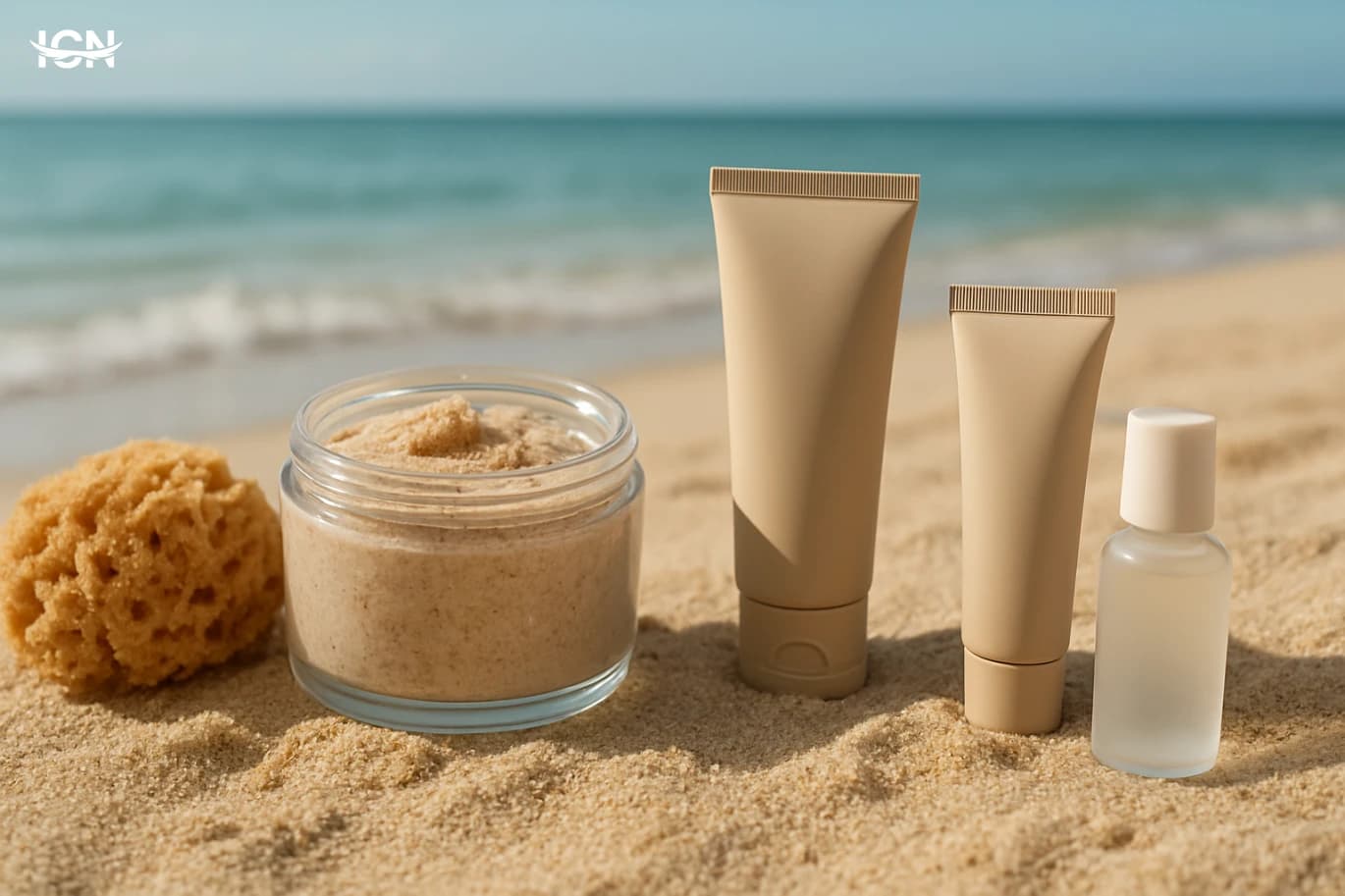
Freckles intensify most during the exact moments people forget protection: swimming, hiking, outdoor workouts, and long social days outside. Build a “high-exposure kit” that removes friction from doing the right thing. Include water-resistant broad-spectrum sunscreen, a lip balm with SPF, a hat that stays on in wind, and a lightweight long-sleeve cover-up. If you wear makeup, consider tinted sunscreen or a sunscreen stick for touch-ups, but remember that sticks still need multiple passes to reach the labeled protection. Timing is a control lever. If you can choose, schedule long outdoor sessions earlier in the morning or later in the afternoon. For sports, sweat management matters: pat sweat gently instead of rubbing, and reapply sunscreen after towel-drying. For swimmers, apply sunscreen 15–20 minutes before entering water, and reapply immediately after drying off, even if the product claims long water resistance. Hydration and recovery help the skin look more even. After sun exposure, use a simple moisturizer and avoid strong actives that night if the skin feels warm or tight. The goal is to prevent irritation that can make pigment look patchy. Over a full summer, these small operational habits often make a bigger difference than buying a new “brightening” product every month.
When to seek a skin check
Most freckles are harmless and predictable: they darken with sun and fade when exposure drops. Still, summer is a good time to be observant because you see your skin more often in bright light. Consider a professional evaluation if you notice a spot that behaves differently from the rest—rapid change in size, irregular borders, multiple colors in one mark, persistent crusting, or a new spot that does not match your usual freckle pattern. A clinician can examine the skin with appropriate tools and advise whether monitoring or treatment is needed. Also seek guidance if you struggle to control pigmentation despite consistent sun protection, because the issue may not be freckles alone. Hormonal melasma, medication-related photosensitivity, or chronic irritation can all create summer-darkening patches that look similar at a glance. A tailored plan may include adjusting products, reviewing medications with your healthcare provider, or choosing in-clinic options at the right season. For most people, the takeaway is practical: freckles peak in summer because UV exposure peaks, and control is mainly about reducing cumulative UV and avoiding irritation. With a consistent sunscreen habit, smart shade choices, and a calm routine, many people see freckles soften again as the season changes.