App Logo

Download Our App

Shop your way

logologo
Image

The harm of using social media platforms

09/25/2024By: ICN
The harm of using social media platforms

the introduction

The concept of social media platforms Social media platforms are among the most prominent tools used today for interaction and communication between individuals and companies. These platforms include Facebook, Twitter, Instagram, and LinkedIn, and they provide an interactive environment for expressing opinions and sharing content. The importance of using them Social media platforms contribute to enhancing direct communication between companies and their audiences. By using them strategically, brands can increase awareness of their products and services, which leads to building strong relationships with customers. Moreover, these platforms allow for the analysis of audience interaction and testing of new marketing strategies, which enhances the effectiveness of advertising campaigns.

Negative effects on mental health

Technology Addiction Excessive use of social media platforms leads to technology addiction, which leads to a decline in real-life communication between individuals. Users may feel isolated despite being in a virtual environment, which negatively affects their mental health. The impact of stress and anxiety The constant exposure to depressing content and competition between users can increase feelings of stress and anxiety. People who spend a lot of time on these platforms may suffer from low self-esteem and feelings of inadequacy, which affects their quality of life and leads to increased psychological problems.

Damage to social relations

Isolation and loss of communication skills Reliance on technology increases isolation in individuals, as some prefer to interact via screens rather than face-to-face meetings. This leads to a decline in communication skills, which affects their ability to form healthy relationships. Impact on personal relationships Social media platforms can contribute to the deterioration of personal relationships between friends and family. When communication becomes too virtual, individuals may neglect the importance of real interactive moments, leading to greater conflict and misunderstanding between people.

Its impact on time and productivity

Loss of time and attention Technology distracts people, as they spend a lot of time browsing uselessly. This can lead to a loss of focus and thus waste time that could be invested in more useful activities. Impact on productivity at work When individuals become over-using technological devices, their ability to accomplish tasks at work decreases. This preoccupation negatively impacts productivity, as employees need more time to complete tasks due to attention interference from digital distractions.

Negative effects on physical health

The Effects of Lack of Sleep Technology, especially smartphone screens, negatively impacts sleep habits. People tend to spend a lot of time using devices before bed, which delays the time to fall asleep. The Harmful Effects of Social Media on Vision Constant exposure to screens can cause visual strain, leading to vision problems such as blurred vision and eye pain. This contributes to an uncomfortable feeling that hinders people’s ability to focus on daily tasks.


* All articles published on this blog are sourced from various websites and are provided for informational purposes only. They should not be considered as confirmed studies or accurate information. Please verify the information independently before relying on it.

Similar ARTICLES

Natural Ways to Get Rid of Centipedes
Centipedes usually enter homes for two practical reasons: moisture and food. They prefer damp, shaded areas such as bathrooms, laundry rooms, basements, storage corners, and under sinks where humidity stays high and small insects gather. If you frequently see them at night, that is normal behavior because they hunt in the dark and avoid open, bright spaces. Their presence can also signal that other pests are available as prey, including ants, cockroaches, silverfish, and small flies. That means focusing only on killing the centipede you see may not solve the problem if the indoor environment still supports moisture and insect activity. A natural plan works best when it reduces humidity, removes hiding places, and blocks entry points so centipedes cannot keep returning. Before you start, note where you see them most often and what conditions exist there: leaking pipes, wet floor drains, stacked cardboard, clutter behind appliances, or gaps around doors. This quick observation helps you choose the simplest steps with the biggest impact.
Plant Care Checklist Before You Travel
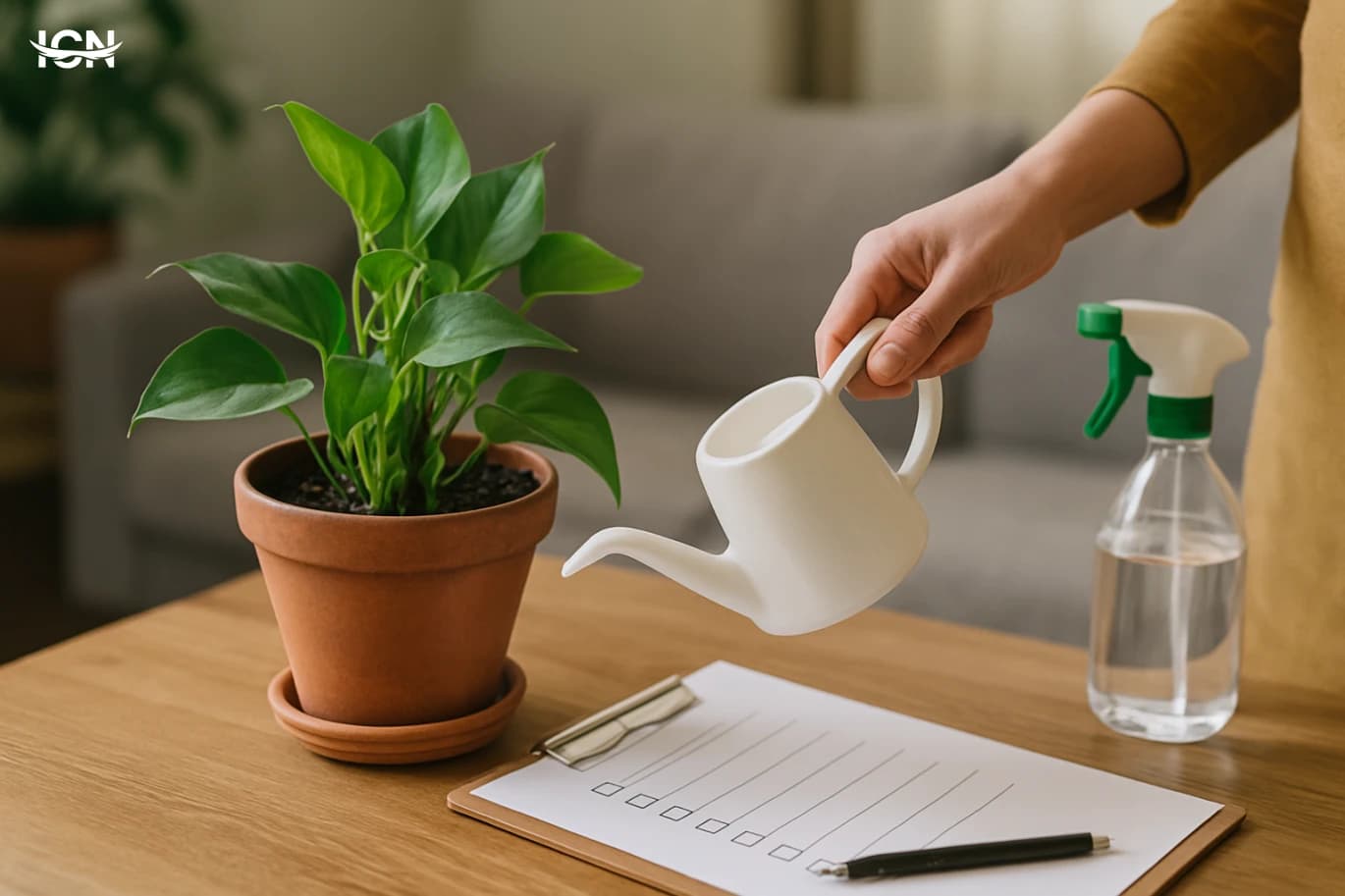
A reliable travel plan starts with a quick audit, because “houseplants” do not behave as one group. Two days before you leave, walk through your home and sort plants into three buckets: thirsty (thin leaves, small pots, bright-window plants), moderate (most foliage plants in medium light), and drought-tolerant (succulents, cacti, thick-leaf varieties). This simple grouping prevents the most common mistake: giving every pot the same heavy watering right before departure. Check the container and soil, not only the leaves. Lift each pot; a light pot usually means the mix is dry, while a heavy pot may already be wet enough. Look for compacted soil that repels water; if water runs down the sides and out quickly, the root ball may be dry inside. Note which plants are in terracotta (they dry faster) versus plastic or glazed ceramic (they hold moisture longer). Finally, consider location: plants near air-conditioning vents, sunny glass, or heat sources will lose water faster than those in stable, indirect light.
Saying No Without Burning Bridges
Many people struggle to refuse requests because they confuse politeness with compliance. In everyday life, a request can carry hidden pressure: fear of disappointing someone, losing a connection, or being labeled unhelpful. This pressure increases when the requester is a manager, a close friend, or a family member. Another reason is unclear personal limits. If you have not defined what you can realistically give—time, money, energy—you will negotiate in the moment and often agree to things you later regret. A practical way to reduce this stress is to separate the person from the request. You can respect the person while declining the task. Also, remember that saying yes has a cost: it takes time from work, rest, or other commitments. When you treat your time as a limited resource, refusal becomes a normal decision rather than a personal conflict. The goal is not to win an argument; it is to communicate boundaries clearly while keeping the relationship functional.
Why Someone Stays on Your Mind
When you can’t stop thinking about someone, it often has less to do with romance and more to do with how the brain handles incomplete stories. Unresolved conversations, unclear endings, or mixed signals create a mental “open loop.” Your attention keeps returning to the person because the mind is trying to organize what happened, predict what might happen next, and reduce uncertainty. This is why a brief interaction can sometimes feel louder than a long, stable connection. In daily life, open loops show up as replaying a last message, analyzing a tone of voice, or imagining alternative outcomes. The brain treats uncertainty as a problem to solve, so it keeps running scenarios. The more ambiguous the situation, the more mental bandwidth it can take. This pattern is common after sudden distance, a change in routine, or a relationship that ended without a clear explanation. A practical way to reduce the loop is to create your own closure. That can mean writing a short summary of what you know for sure, what you don’t know, and what you will stop trying to answer. It can also mean setting a boundary like “I won’t reread old chats after 9 p.m.” Closure is not always an external event; it can be a decision to stop feeding the uncertainty with repeated review.
Balcony Plants That Beat Harsh Summer Sun
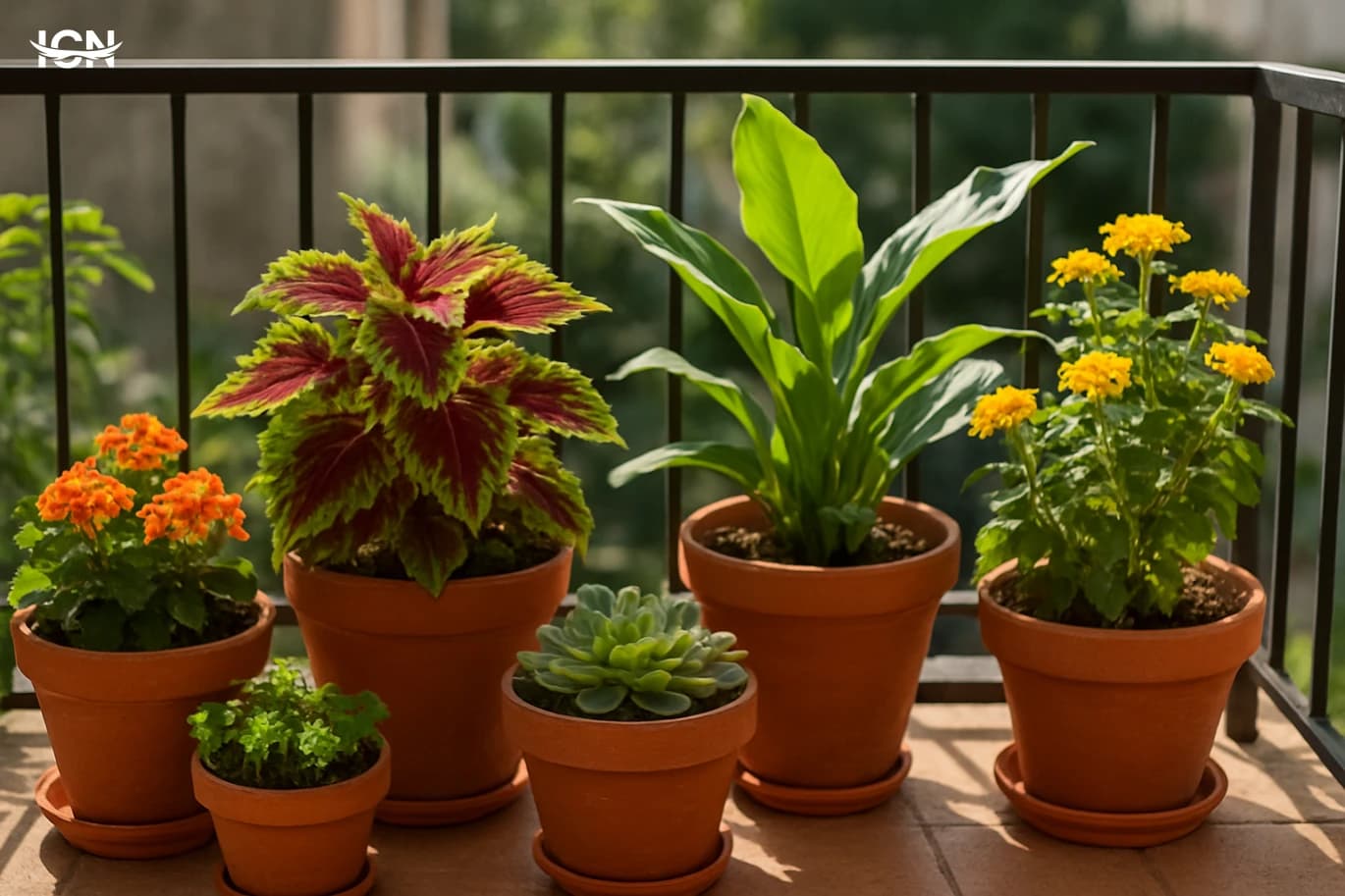
Before buying any plant, treat your balcony like a small microclimate. Spend two days observing where the sun hits and for how long: early morning, mid-day, and late afternoon. Note the hottest corner, usually near reflective surfaces like light-colored walls, glass railings, or metal furniture. Also identify wind tunnels, because strong hot wind dries pots faster than sun alone. Measure your exposure in practical terms: “full sun” on a balcony often means 6–10 hours of direct light, but the intensity can be higher than a garden because of heat bouncing off tiles and concrete. If your balcony faces west or southwest, expect the harshest conditions. This matters because the plants in this guide are chosen not just for sunlight tolerance, but for their ability to keep looking good when the potting mix heats up. Finally, plan your containers. In extreme heat, pot choice is a survival tool. Use larger pots whenever possible, because more soil volume stays cooler and holds moisture longer. Light-colored pots reduce root-zone heat. Ensure drainage holes are clear, and add a saucer only if you can empty it quickly; standing water in heat can stress roots. With this setup, the five plants below can handle summer sun without constant rescue.
Clean Your Home AC the Right Way
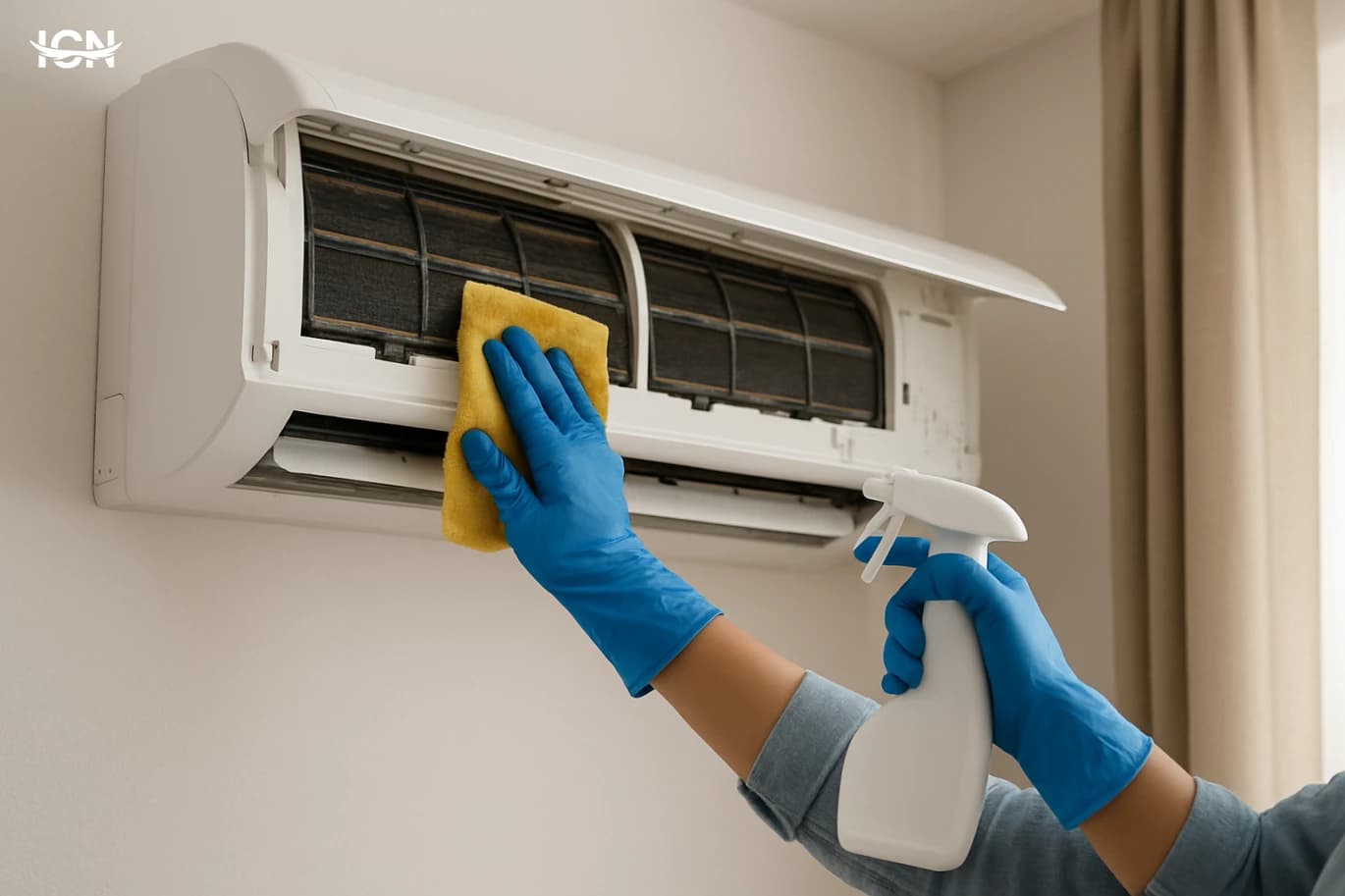
Home air conditioners collect dust, lint, and moisture, which can reduce airflow and make the unit work harder. The good news is that most routine cleaning is simple and safe if you focus on accessible parts: the front panel, air filters, supply vents, and the area around the indoor unit. These steps improve air movement and help the system maintain a steady temperature without long run times. Before you start, turn the unit off from the remote and the wall switch, and if possible cut power at the breaker for extra safety. Prepare a soft microfiber cloth, a small vacuum with a brush attachment, mild dish soap, a spray bottle of water, and a towel to protect the wall or floor. Avoid harsh cleaners, bleach, strong degreasers, and high-pressure water. They can damage plastic parts, coatings, and electronics. As a rule, you should not open sealed electrical compartments, remove fan motors, or wash the indoor coil with running water unless the manufacturer explicitly allows it. If you notice persistent water leaks, a burning smell, repeated tripping of the breaker, or the unit stops cooling despite clean filters, those are signs to call a qualified technician. Routine homeowner cleaning is about keeping airflow paths clear and surfaces free of dust, not dismantling the system.
Soft Archways for Calm 2026 Homes
In 2026, arches are returning as a practical design tool rather than a nostalgic detail. Homeowners are using curved openings to soften the hard geometry of open-plan layouts, especially where living, dining, and kitchen zones meet. The arch creates a clear threshold without adding doors or heavy partitions, which helps spaces feel organized while staying visually connected. This renewed interest is also tied to the wider shift toward “quiet comfort” interiors: fewer sharp lines, more tactile finishes, and shapes that feel easy on the eye. A well-proportioned arch naturally guides movement through the home and reduces the visual clutter that comes from multiple competing straight edges. Designers are pairing arches with calm palettes, layered lighting, and simple furniture silhouettes to keep the look modern rather than ornate.
Making Happiness a Reliable Habit
Many people chase a permanent “high,” then feel disappointed when normal days return. A more realistic goal is stable well-being: a baseline that stays steady even when mood fluctuates. Lasting happiness is less about constant excitement and more about predictable recovery after stress, plus frequent moments of calm satisfaction. A practical way to start is to separate three layers: momentary pleasure (a good meal, a compliment), mood (how you feel across hours), and life satisfaction (how you evaluate your life over months). Pleasure is easy to increase but fades quickly. Life satisfaction changes slowly and depends on choices, routines, and relationships. When you aim for “lasting,” focus on the middle and long layers: daily mood stability and long-term satisfaction. This shift changes your strategy. Instead of asking, “How do I feel happy today?” ask, “What makes my average week better?” The answer is usually not a single event; it is a system: sleep, movement, social connection, meaningful work, and a way to handle setbacks without losing your footing.
When Cyberbullying Steals Your Calm
Cyberbullying rarely arrives as one dramatic incident. More often, it shows up as a drip of small disruptions: a sarcastic reply under a photo, a private message that crosses a line, a meme that uses your name, or a group chat that suddenly goes silent when you join. Each moment can feel minor, yet the accumulation changes how you move through your day. You start checking your phone with caution, not curiosity. You reread posts before publishing, anticipating how they might be twisted. You hesitate to share opinions, photos, or even everyday updates. What makes this form of stress uniquely draining is its timing and reach. It can appear late at night, during work, or in the middle of a family gathering. The device that connects you to friends, news, and services becomes a channel for unpredictable negativity. That unpredictability is a direct hit to comfort: you cannot fully relax when you expect the next notification to carry a sting. Over time, this can reshape routines—sleep patterns, concentration, appetite, and motivation—without you immediately linking the change to online behavior. For many women and girls, the pressure is amplified by the expectation to stay “polite” online and to manage conflict quietly. That can lead to internalizing the problem and trying to solve it alone. The result is a private burden: you look fine in public, but your mind is busy scanning for threats, replaying comments, and planning how to avoid the next wave. Comfort is not only about safety; it is also about mental space. Cyberbullying occupies that space.
Parquet Care That Actually Lasts
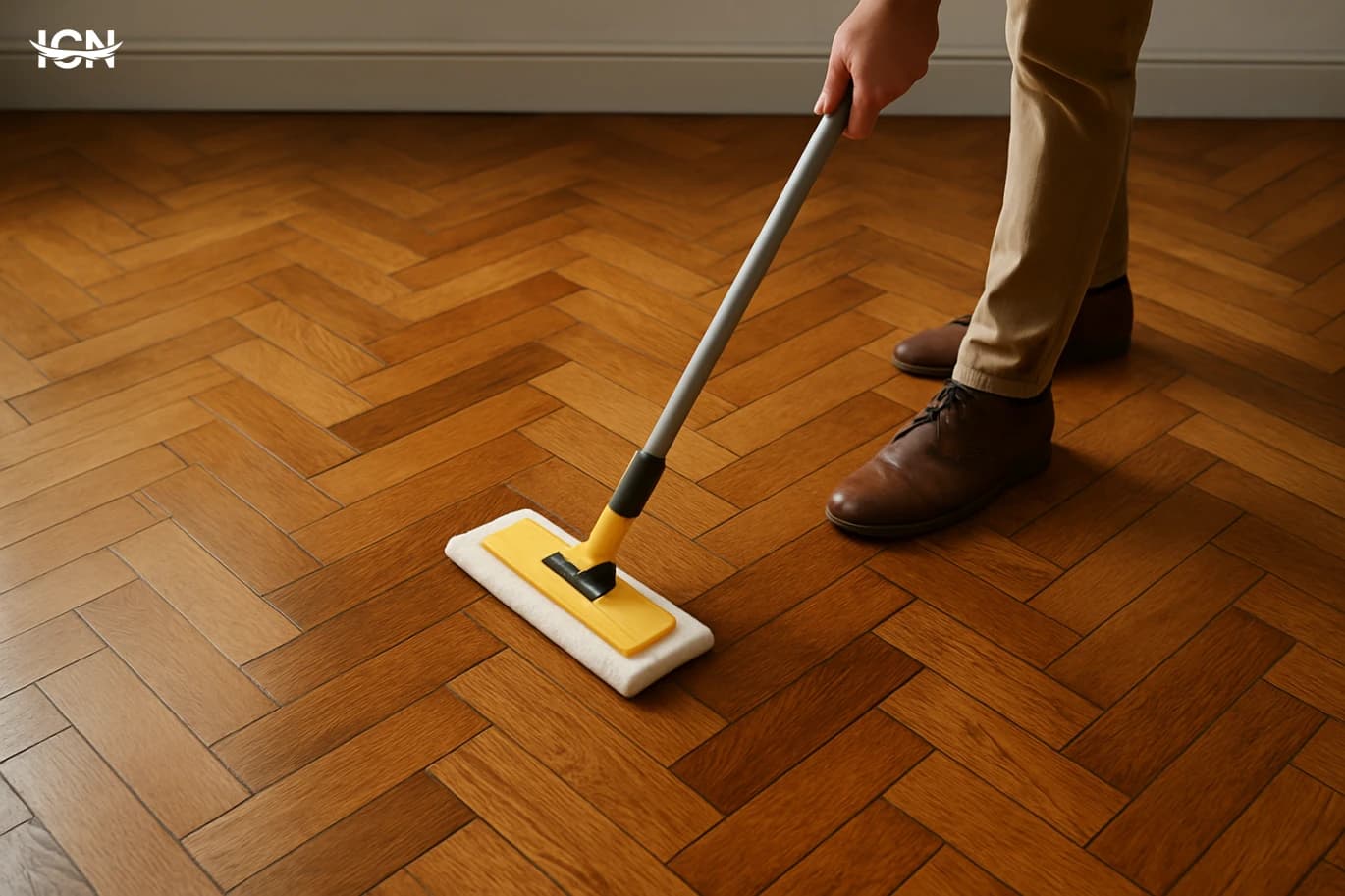
Reliable parquet care starts with identifying what you have, because the finish—not just the wood—determines what products and routines are safe. In most homes you will find either solid wood parquet, engineered parquet (a real-wood top layer over stable layers), or laminate that only imitates wood. The daily approach can look similar, but the tolerance for moisture, abrasion, and refinishing is very different. Next, check the surface finish. A polyurethane or factory-sealed finish is common and generally more resistant to spills, while oiled or waxed parquet needs gentler cleaning and periodic re-oiling. A quick practical test is visual: sealed floors tend to have a more uniform sheen, while oiled floors often look more matte and show “dry” areas in high-traffic zones. If you are unsure, avoid strong detergents and excessive water until you confirm. Finally, map the risk zones in your space. Entryways, kitchen edges, and areas near balconies receive the most grit and moisture. Furniture legs, rolling chairs, and pet bowls are typical damage points. By identifying these zones, you can focus protection where it matters instead of over-cleaning the entire floor, which often causes more wear than normal use.
Cotton Ball Scent Hacks at Home
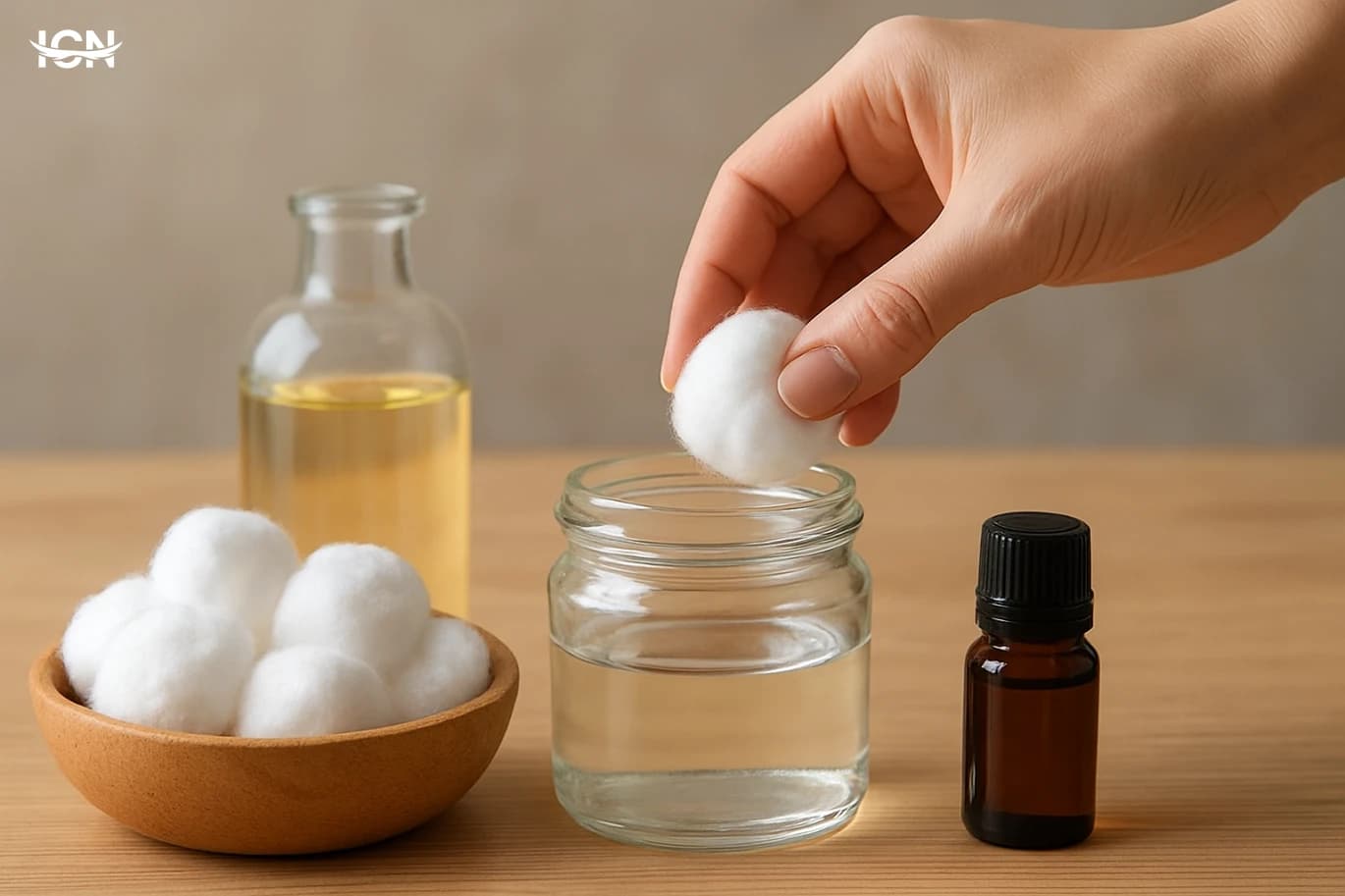
Cotton balls are small, porous, and designed to absorb liquids evenly, which makes them a practical carrier for fragrance. A few drops of essential oil, fabric-safe perfume, or a diluted scent blend can sit inside the fibers and release gradually over hours or days. Unlike spraying fragrance directly into the air, cotton helps control intensity and reduces waste because the scent stays where you place it. They also fit into tight spots where other fresheners are bulky: drawers, shoe cabinets, car cup holders, bathroom corners, and storage bins. Because cotton is inexpensive and widely available, you can refresh multiple areas at once without buying separate products. The key is using the right amount of fragrance and keeping cotton away from direct contact with delicate fabrics, unfinished wood, or painted surfaces that could stain. For best results, treat cotton balls like a “scent capsule.” Add fragrance in small increments, let it absorb for a minute, then place it in a breathable holder such as a small mesh bag, a perforated container, or a tissue wrap. This keeps the cotton tidy, prevents oil transfer, and makes replacement easy. If you have pets or small children, place cotton balls out of reach and avoid strong oils that can be irritating in enclosed spaces.
Paraffin Wax Home Hacks That Save Money
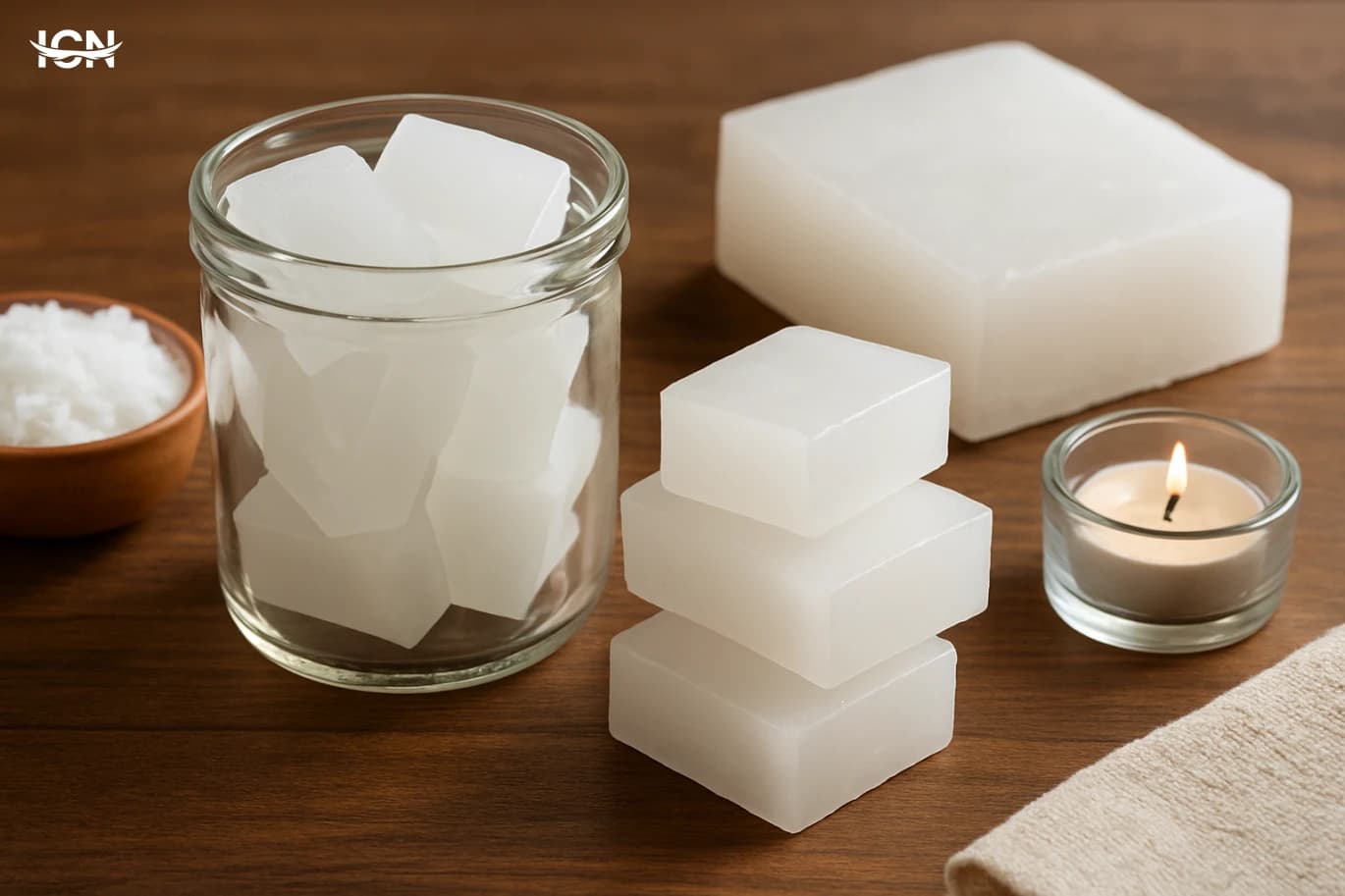
Paraffin wax is a refined wax commonly sold as blocks, pellets, or flakes. At home it is useful because it melts at relatively low temperatures, spreads into a thin protective layer, and hardens quickly. For household use, choose plain, unscented paraffin without added dyes, especially if you plan to apply it to items that touch skin or food packaging. A small amount goes a long way, so one block can last for months. Safety matters because melted wax can overheat. Melt it using a double boiler setup: place wax in a heat-safe container set inside a pot of simmering water, and keep the heat low. Avoid direct flame or high heat, and never leave melting wax unattended. Work on a protected surface, keep a cloth nearby for drips, and let wax cool slightly before applying with a brush or cloth. Store leftover wax in a labeled container so it stays clean and ready for the next quick fix.
Turning Long Free Hours Into Creative Energy
Long stretches of free time often feel like a blank space that must be “filled,” which can trigger scrolling, snacking, or random errands. A more useful approach is to treat free hours as a resource with a purpose: recovery, exploration, or production. Start by naming the role of today’s free time in one sentence, such as “I will use two hours to explore ideas” or “I will use this evening to finish one small output.” This simple framing reduces decision fatigue and makes it easier to choose actions that build momentum. Next, separate creative time from leisure time instead of mixing them. Leisure is valuable, but when it is the default response to boredom, it can consume the entire window. Try a clear split like 60 minutes for creative work, then 30 minutes for leisure, repeated once or twice. The goal is not strict discipline; it is to prevent the day from dissolving into low-intensity activities that do not leave you satisfied. Finally, define what “creative” means for you in practical terms. Creativity is not limited to art. It can be improving a recipe, designing a personal budget template, reorganizing a workspace, writing a short article, or learning a new tool. When creativity is defined as “making something slightly better or more original,” it becomes accessible during ordinary days, not only during rare bursts of inspiration.
By clicking the SUBSCRIBE button, you are agreeing to our Privacy & Cookie Policy If you want to unsubsribe the marketing email, please proceed to our privacy center.
© 2005-2026 ICN. All Rights Reserved.