Store Makeup the Right Way
- Why storage matters for quality
- Choose the best place at home
- Keep products clean during use
- Know what expires sooner
- Organize smartly for daily routines
- Travel and seasonal storage tips
Why storage matters for quality
Cosmetics are formulated to stay stable within a certain range of temperature, light, and humidity. When products are stored in hot bathrooms, near sunny windows, or inside a car, oils can separate, waxes can soften, and active ingredients can lose effectiveness. Even when a product still looks “fine,” changes in texture or scent can signal that the formula is no longer performing as intended. Storage also affects hygiene. Every time a brush, finger, or sponge touches a product, tiny amounts of moisture and skin oils can transfer into the container. If the product is then kept in a warm, humid place, microbes can multiply faster, especially in cream and liquid formulas. Good storage habits reduce the chance of contamination and help you get consistent results from the first use to the last.
Choose the best place at home
A cool, dry, and shaded area is the best default for most makeup and skincare items. A bedroom drawer, a closed cabinet away from steam, or a vanity with minimal sunlight exposure works well. Bathrooms are convenient, but frequent showers raise humidity and temperature, which can shorten the life of creams, liquid foundations, and mascara. Aim for a stable room temperature and avoid rapid changes. If you use a tabletop organizer, keep it away from windows and heaters. For travel, do not store cosmetics in the trunk or glove compartment, where heat can spike quickly. If you live in a very hot climate, consider a dedicated storage box in the coolest room, and keep products tightly closed to reduce evaporation and oxidation. Refrigeration can be helpful for a few items, but it is not a universal solution. Some products feel nicer chilled, such as certain eye gels or facial mists. However, frequent in-and-out temperature changes can create condensation, which is not ideal for powders and can introduce moisture into containers. If you refrigerate anything, place it in a clean, sealed pouch and keep it away from food to maintain hygiene.
Keep products clean during use
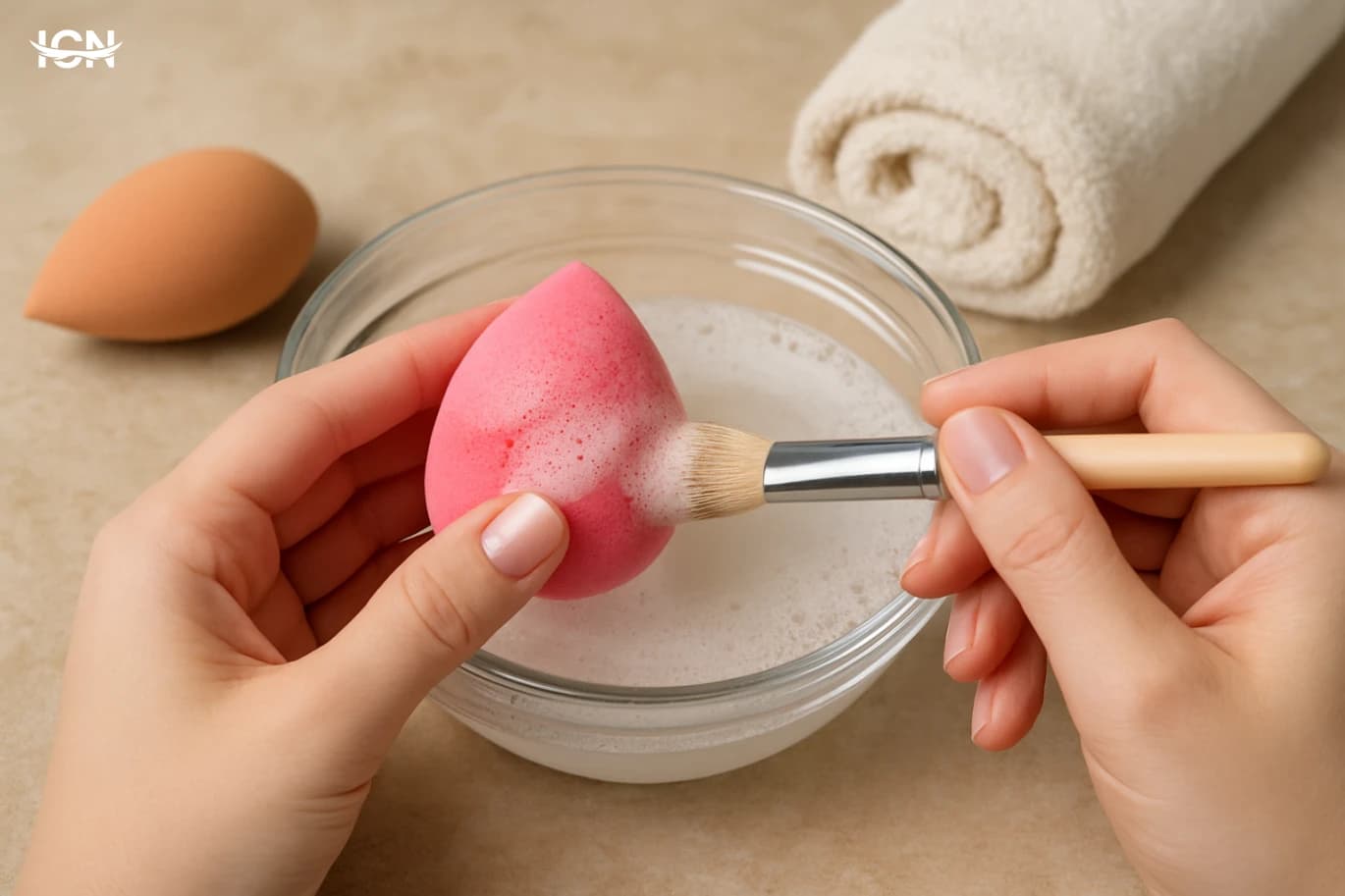
Storage and cleanliness go together. Start with simple habits: wash hands before using creams in jars, and use a clean spatula when possible instead of dipping fingers. Close lids immediately after use to reduce exposure to air and dust. For pump bottles, wipe the nozzle regularly so residue does not build up. Brushes and sponges are a major source of contamination. Clean brushes used for liquids and creams at least weekly, and those used for powders every one to two weeks, depending on frequency. Sponges should be washed after each use and replaced regularly. Let tools dry fully in a ventilated area before placing them back into a closed bag; storing damp tools encourages odor and microbial growth. Avoid adding water or mixing products to “revive” them. Adding drops of water to mascara, for example, can introduce bacteria and change the preservative balance. If a product is drying out, it is better to replace it or choose packaging that protects it better next time, such as a squeeze tube or pump.
Know what expires sooner
Not all cosmetics age at the same pace. Products used around the eyes and those with high moisture content tend to have shorter safe-use periods. Mascara and liquid eyeliner are common examples; they are exposed to air and repeated contact, so they should be replaced more frequently than powders. Cream blush, liquid foundation, and concealer can also degrade faster than pressed powder products. Pay attention to the “period after opening” symbol on packaging, often shown as a small jar icon with a number of months. This is a practical guide for how long the product is expected to remain stable after you start using it. Also watch for real-world signs: a sour or unusual smell, separation that does not blend back after shaking, changes in color, or irritation on skin that previously tolerated the product. Sun protection products and active skincare deserve extra care. Heat and light can reduce performance over time, so store them away from windows and do not keep backups in hot places. If you rely on a product for daily routine consistency, consider writing the opening date on a small label to avoid guessing later.
Organize smartly for daily routines
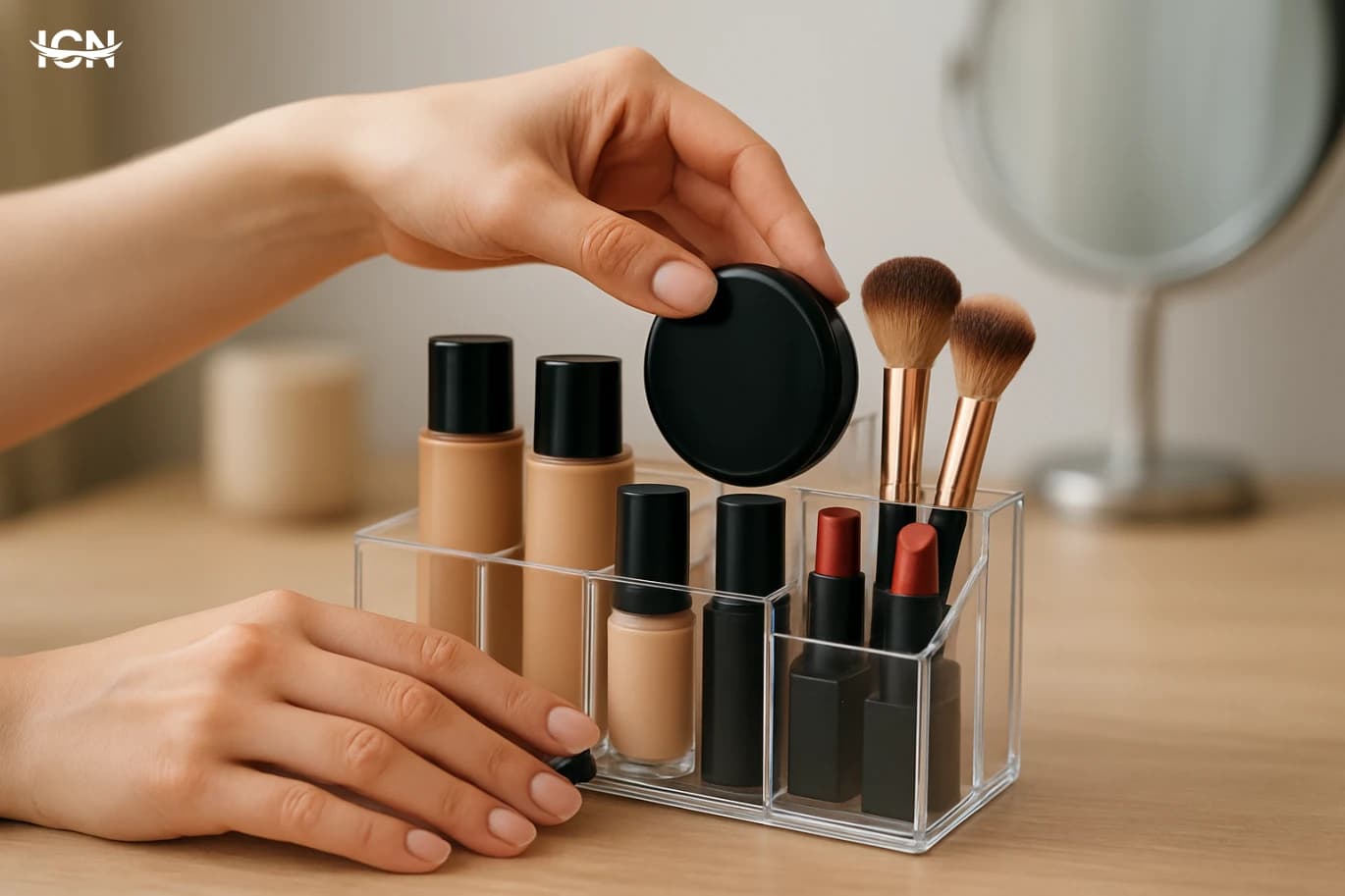
Organization is not only about aesthetics; it helps you use products within their best period and reduces accidental damage. Separate items by type: face, eyes, lips, and tools. Keep daily essentials in one small tray or pouch, and store backups in a different box so you do not open multiple units at once. Protect powders and palettes from impact and dust. Store them flat, avoid stacking heavy items on top, and keep mirrors and hinges clean so they close properly. For lip products, wipe the edges before closing to prevent buildup that can compromise the seal. For perfumes and fragranced mists, keep them away from light and heat to preserve scent balance. If you share a household space, label containers or use divided drawers to avoid mixing tools. A simple monthly check helps: discard items that smell off, clean organizers with a mild cleanser, and ensure caps are intact. These small steps make your routine faster and help maintain consistent product performance.
Travel and seasonal storage tips
Travel exposes cosmetics to shaking, pressure changes, and temperature swings. Use leak-proof travel containers for liquids, and place them in a sealed bag. Keep powders in a padded pouch to prevent cracking. If you are flying, avoid filling bottles to the brim; leaving a little space reduces pressure-related leaks. Seasonal changes matter too. In summer, keep creams, lipsticks, and sunscreens away from heat sources, and do not leave them in a parked car even for a short time. In winter, very cold temperatures can affect emulsions and cause separation in some liquids. Let products return to room temperature before use rather than trying to warm them quickly. Finally, plan what you carry. A smaller, well-chosen kit reduces how often items are opened and moved. Bring multi-use products when possible, keep tools clean, and check caps before packing. These practical steps protect quality, reduce waste, and help your products stay reliable wherever you use them.