Build a Wash Day That Actually Works

- Why most wash routines fail
- Diagnose your scalp and strands in 3 minutes
- Choose the right cleanser and schedule
- Conditioning without heaviness or breakage
- Styling and drying for lasting results
- A simple 4-week plan to lock it in
Why most wash routines fail
Many people treat wash day as a fixed script: shampoo, conditioner, towel, then whatever styling is left. The problem is that hair and scalp needs change with climate, product buildup, water quality, and even how often you wear protective styles. A routine that worked in winter can leave the scalp oily in summer, while the same products can feel drying after a few weeks of heavy styling. The most common failure is mismatching the cleanser to the scalp. If the scalp is oily or itchy, a very gentle shampoo may not remove sebum and residue from styling creams, dry shampoo, or sunscreen at the hairline. On the other hand, using a strong clarifying shampoo every wash can strip the scalp barrier and make hair feel rough, especially if you color or heat-style. Another frequent issue is treating hair length and scalp as one zone. The scalp needs effective cleansing; the lengths often need protection and controlled moisture. When both are treated the same, you get either greasy roots with dry ends or clean roots with brittle mid-lengths. Finally, many routines ignore time and technique. A shampoo that could work well may fail if it is not emulsified, not left on long enough to lift oils, or not rinsed thoroughly. Similarly, conditioner can underperform if it is applied to soaking-wet hair and rinsed immediately, or if it is piled onto the scalp where it adds weight and residue. Wash day succeeds when it is designed around your scalp condition, your hair fiber needs, and the realities of your week.
Diagnose your scalp and strands in 3 minutes
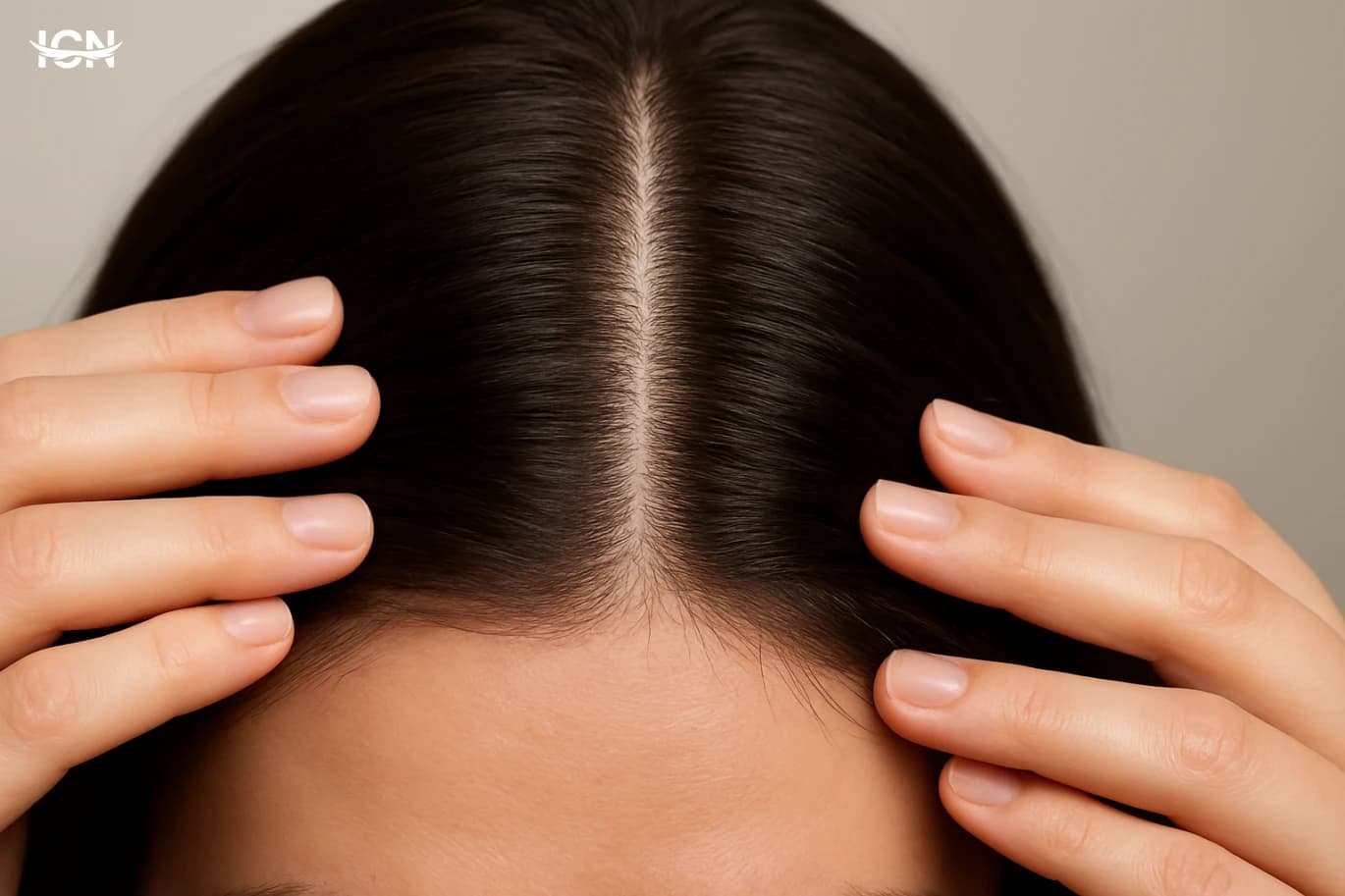
Before changing products, do a quick check on wash day. First, look at the scalp: do you see visible flakes, redness, or areas that feel sore? Flakes that are dry and powdery often behave differently from greasy, stuck-on flakes. If you have persistent redness, burning, or thick scaling, it is worth discussing with a dermatologist, because conditions like seborrheic dermatitis or psoriasis need targeted care. Second, assess oil timing. If roots look oily within 24 hours, you likely need either more effective cleansing, fewer heavy leave-ins near the scalp, or better rinsing. If the scalp feels tight and itchy right after washing, your cleanser may be too strong, your water may be very hot, or you may be washing too frequently for your barrier. Third, check the lengths. Run fingers down a dry strand: if it feels rough, catches, or looks dull, you may need more conditioning, less heat, or a gentler detangling approach. If the hair feels soft but collapses and looks flat, you may be over-conditioning or using too many oils and butters. Finally, consider porosity clues: hair that takes a long time to get fully wet and dries slowly often behaves differently from hair that wets instantly and dries fast. You do not need a lab test; you need a consistent observation over two to three wash cycles. This three-minute diagnosis helps you decide whether your next wash should be a clarifying reset, a gentle maintenance wash, or a moisture-focused session. It also prevents the common mistake of buying more products when the real issue is technique, frequency, or product placement.
Choose the right cleanser and schedule
A practical wash schedule usually includes two types of cleansing: a regular shampoo for most washes and a clarifying or chelating option used occasionally. Regular shampoos can be sulfate-free or sulfate-based; what matters is whether they remove your typical buildup without leaving the scalp tight. If you use heavy styling products, silicones, or oils, you may need a stronger cleanser than someone who air-dries with minimal product. Clarifying shampoos are designed to remove stubborn residue. Chelating shampoos specifically target mineral buildup from hard water, which can make hair feel coated, dull, and harder to detangle. If you notice that your hair feels clean but still heavy, or your curls lose definition despite conditioning, hard water buildup is a common culprit. Frequency varies, but many people do well clarifying every 2–4 weeks, adjusting based on product use and water quality. Your wash frequency should be driven by scalp comfort and lifestyle, not a rule from social media. Some scalps do best with washing every other day, especially with fine hair and active routines. Others can go 5–7 days comfortably, particularly with drier scalps and textured hair. If you extend wash days, plan for scalp hygiene: avoid piling dry shampoo repeatedly, cleanse the hairline after workouts, and keep brushes and pillowcases clean. Technique matters as much as product. Wet hair thoroughly for at least 30–60 seconds. Apply shampoo to the scalp in sections, massage with fingertips (not nails) for a full minute, then rinse completely. If you use a lot of product, a second shampoo pass often works better than using a huge amount once. This approach improves cleansing while reducing friction on the lengths.
Conditioning without heaviness or breakage
Conditioner is not just about softness; it is about reducing friction, improving detangling, and protecting the cuticle. The key is placement and timing. Apply conditioner from mid-lengths to ends, where hair is older and more prone to dryness. If your roots get oily quickly, keep rich conditioners and masks off the scalp. For fine hair, look for lightweight conditioners and use smaller amounts, focusing on ends. For thick, coarse, or curly hair, a richer conditioner or a mask can be useful, but it still needs thorough rinsing. A common mistake is leaving conditioner unevenly distributed, which creates greasy patches and tangles elsewhere. Use a wide-tooth comb or detangling brush in the shower, starting at the ends and working up, while the conditioner provides slip. Protein and moisture balance is another practical lever. If hair feels overly stretchy when wet and breaks easily, it may need some protein support. If it feels stiff, rough, and snaps, it may need more moisture and less protein-heavy styling. You do not need to chase trends; you need to match treatments to symptoms. A simple approach is alternating: one wash focused on moisture, the next including a light protein conditioner, then reassess. After rinsing, remove excess water gently. Avoid aggressive towel rubbing, which increases frizz and breakage. A microfiber towel or cotton T-shirt helps reduce friction. If you use leave-in conditioner, apply it sparingly and keep it concentrated on the ends. Too much leave-in near the scalp is one of the fastest ways to make hair look dirty early.
Styling and drying for lasting results
Wash day results are often lost during drying. If you want hair to look fresh for more days, focus on reducing unnecessary heat and friction. Air-drying can work well, but it still benefits from structure: apply styling products on damp hair, distribute evenly, and avoid touching hair repeatedly as it dries. Constant touching disrupts curl patterns and increases frizz. If you blow-dry, use a heat protectant and choose the right tool. A diffuser supports curls and waves; a concentrator nozzle supports smoother styles. Keep the dryer moving and avoid holding high heat on one section. For many hair types, medium heat with higher airflow is less damaging than maximum heat with low airflow. Finish with a cool shot if your dryer has it to help set the style. Product layering should be intentional. A common, effective order is: leave-in conditioner on ends, then a styling cream or mousse for shape, then a light oil only on the very ends if needed for shine. If you use gel, apply it before oil so it can form a cast and hold. Too many layers, especially heavy oils and butters, can make hair attract dirt and collapse faster. Night care extends your wash day. Use a satin or silk pillowcase to reduce friction. For longer hair, a loose bun or braid can reduce tangling. If your scalp gets oily, keep hair away from the face at night and avoid heavy products near the hairline. These small choices can add one to two extra good hair days without changing your shampoo.
A simple 4-week plan to lock it in
Consistency is what turns a good wash day into a reliable system. Use a four-week plan to test changes without constantly switching products. Week 1: do a baseline wash with your regular shampoo and conditioner, but improve technique: longer wetting, sectioned shampooing, full rinse, and careful towel drying. Note how long your hair stays fresh and how your scalp feels on days 2 and 3. Week 2: introduce one targeted change based on your diagnosis. If you had heaviness or dullness, add a clarifying or chelating wash once this week, followed by a richer conditioner on the lengths. If you had tightness or itch right after washing, switch to a gentler shampoo or reduce water temperature, and keep styling products away from the scalp. Week 3: adjust conditioning. If ends still feel rough, add a mask for 5–10 minutes once this week and detangle under running water. If hair feels limp, reduce leave-in quantity by half and skip oils except on the very tips. Keep everything else the same so you can see cause and effect. Week 4: finalize your schedule. Decide your ideal wash frequency and set a maintenance pattern, such as: regular wash weekly, clarify every third or fourth wash, mask every other wash, and a light scalp cleanse after intense workouts. Write down the exact products and amounts that worked. The goal is not perfection; it is predictability. When you know what your hair does with a specific routine, you can adapt quickly to travel, seasonal changes, and styling without starting over each time.