Hard Water Hair Reset That Actually Works
- Why hard water changes your hair
- Spot the signs before you buy products
- The reset wash step by step
- Build a routine that prevents buildup
- Color, curls, and scalp care adjustments
- A simple 30-day plan to track results
Why hard water changes your hair
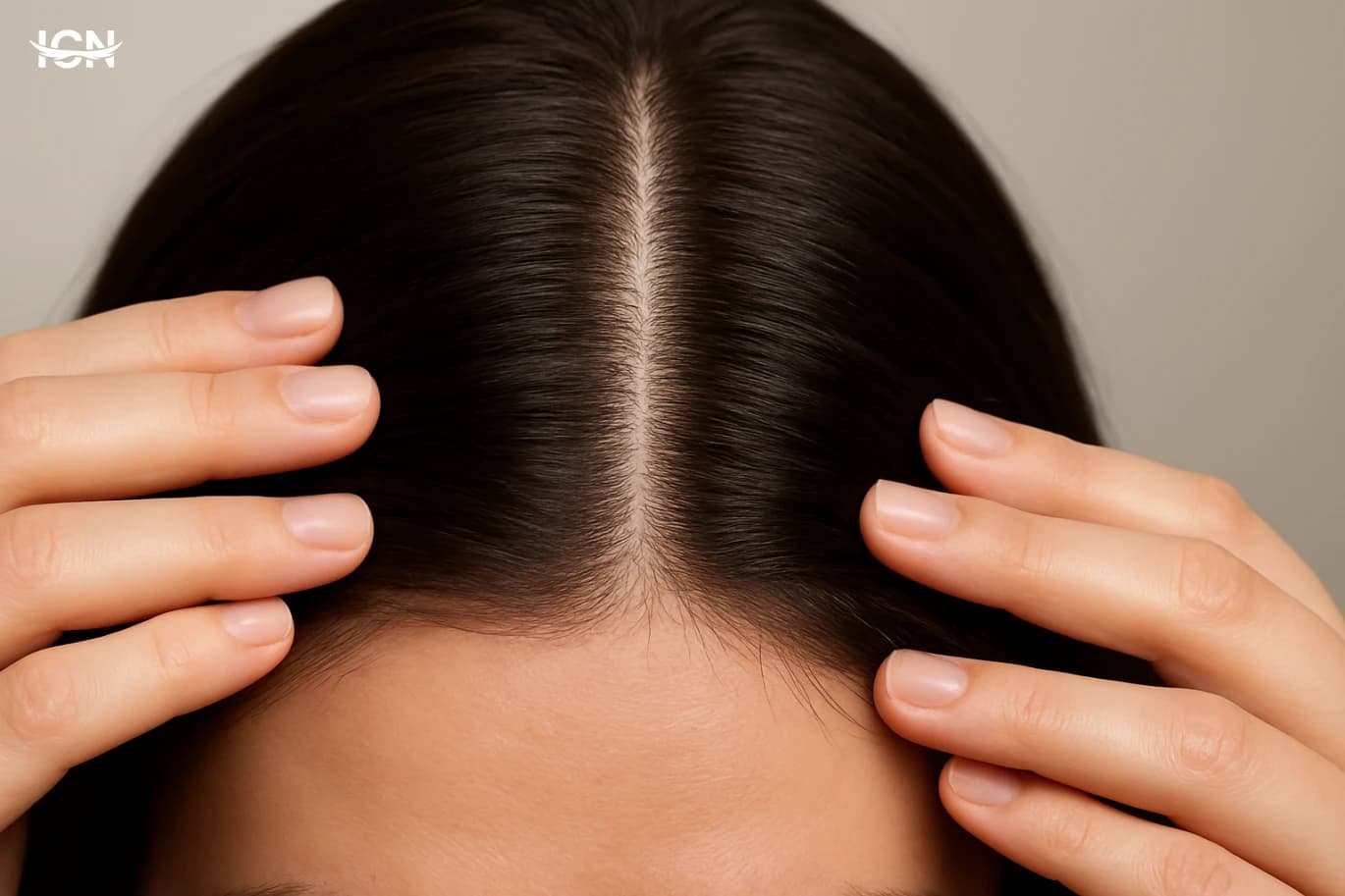
Hard water contains higher levels of minerals such as calcium and magnesium. These minerals can cling to the hair shaft and scalp, especially when combined with shampoo residue, styling products, and natural oils. Over time, that buildup can make hair feel rough, look dull, and become harder to detangle. People often describe it as “my hair suddenly stopped cooperating,” even when they haven’t changed their haircut or routine. The impact is not identical for everyone. Fine hair may lose movement and look flat because mineral film weighs it down. Curly and coily hair may feel drier and more brittle because buildup interferes with moisture absorption and makes strands less flexible. Color-treated hair can also appear less vibrant because mineral deposits scatter light and can contribute to uneven tone. On the scalp, hard water can leave a tight, itchy feeling that is sometimes mistaken for dandruff, when the real issue is residue and irritation. A practical way to suspect hard water is to look beyond your hair. If you see white spots on faucets, cloudy glassware, or soap that doesn’t lather easily, your water likely has a high mineral content. The goal of a hard water reset is not to “strip” hair aggressively, but to remove mineral deposits and then rebuild a routine that prevents them from returning quickly.
Spot the signs before you buy products
Before investing in new shampoos or treatments, check whether your symptoms match mineral buildup rather than simple dryness. A common sign is that hair feels coated: it looks clean but never feels truly soft, and it resists absorbing conditioner. Another clue is inconsistent results—your routine works in one city or hotel but fails at home. Hard water can also make hair color fade unevenly, with brassiness showing up faster than expected. Do a quick at-home check that doesn’t require special tools. After washing, let hair air-dry without leave-in products. If it dries stiff, tangles easily, and feels squeaky when you run fingers down a strand, buildup is likely. You can also observe your shampoo behavior: if you need much more product to get foam, minerals may be interfering with surfactants. If you want a more concrete confirmation, many municipalities publish water hardness reports, and inexpensive test strips can measure hardness in minutes. Knowing whether you’re dealing with moderately hard or very hard water helps you choose frequency. With very hard water, a monthly reset may not be enough; with moderate hardness, a targeted cleanse every few weeks can be sufficient. The key is to match the intensity of your routine to the actual problem, not to marketing claims.
The reset wash step by step
A hard water reset works best when it combines two ideas: chelation (binding minerals so they rinse away) and gentle cleansing (removing product residue without over-drying). Look for a clarifying or chelating shampoo that mentions ingredients such as EDTA, citric acid, or phytic acid. These are commonly used to help lift mineral deposits. If your hair is very dry or curly, plan to follow with a richer conditioner or mask. Step 1: Fully saturate hair with warm water for at least 60 seconds. This helps loosen surface residue. Step 2: Apply the chelating/clarifying shampoo mainly to the scalp and roots, then pull the lather through the lengths for the last 20–30 seconds. Step 3: Let it sit briefly, around 1–2 minutes, so the formula can work on deposits. Step 4: Rinse longer than usual. With hard water, a quick rinse often leaves residue behind. Step 5: Condition strategically. Apply conditioner from mid-lengths to ends, and use a wide-tooth comb in the shower to detangle gently. If your hair feels stiff after clarifying, use a mask for 5–10 minutes. Step 6: Finish with a cool rinse if you tolerate it; it can help hair feel smoother. After the reset, keep styling simple for one wash cycle so you can judge results. Many people notice more shine, better curl definition, and less tangling immediately, but the biggest benefit is that hair becomes easier to moisturize again.
Build a routine that prevents buildup
Prevention is easier than repeating strong clarifying washes. Start with frequency: most people in hard water areas do well with a chelating or clarifying shampoo every 2–4 weeks, while using a gentle daily/regular shampoo in between. If you use heavy stylers, dry shampoo, or oils, you may need the reset more often, but avoid turning it into a weekly habit unless your hair tolerates it. Consider a shower filter, but set realistic expectations. Many filters improve chlorine and odor, while only some are designed to reduce hardness minerals significantly. If you install one, track your hair for a month and adjust your routine based on results. Another practical change is dilution and layering: apply leave-in conditioner on damp hair, then seal ends lightly with a small amount of oil or cream. This can reduce friction and make mineral film less noticeable. Also look at your product compatibility with hard water. Some sulfate-free shampoos struggle to rinse clean in very hard water, leaving a waxy feel. That does not mean sulfate-free is “bad,” but it may mean you need a better-rinsing formula or occasional stronger cleansing. Finally, keep tools clean. Brushes and combs can hold mineral residue and product buildup; washing them weekly with warm water and a small amount of shampoo helps prevent re-depositing residue onto freshly washed hair.
Color, curls, and scalp care adjustments
If you color your hair, hard water management becomes part of color maintenance. Mineral deposits can make blondes look brassy and brunettes look dull. Use a chelating shampoo before coloring appointments if your stylist agrees, because a cleaner canvas can improve tone consistency. After coloring, prioritize gentle cleansing and use heat protectant when styling, since hard water can already make hair feel less flexible. For curls and coils, focus on slip and hydration after any clarifying step. Use a conditioner with good detangling performance, and consider a leave-in plus gel combination that defines without heavy waxes. If your curls lose shape quickly in hard water, it is often because buildup prevents even water absorption. A reset wash followed by a simple, lightweight styling routine can restore definition more reliably than adding more product. Scalp care matters too. If you experience itchiness or flaking, avoid immediately treating it as a chronic issue without checking for residue. A gentle scalp massage during shampooing, thorough rinsing, and periodic chelating can reduce irritation. If symptoms persist despite routine changes, consult a qualified dermatologist or trichology professional to rule out non-water-related causes. The goal is a routine that keeps hair and scalp comfortable, not a constant cycle of harsh cleansing and heavy masking.
A simple 30-day plan to track results
A structured plan helps you avoid guessing. Day 1: do the reset wash and take quick notes on how hair feels when wet, how it detangles, and how it looks when dry. Days 2–7: use your gentle shampoo and conditioner, keep styling minimal, and note whether your hair stays softer for longer. If you normally rely on heavy serums to fight frizz, reduce the amount so you can see what the reset changed. Week 2: evaluate your scalp comfort and wash-day effort. If you need less conditioner to get slip, that is a strong sign that mineral film was blocking moisture. Week 3: clean your brush and comb, and check whether your hair is accumulating that coated feeling again. If it returns quickly, your water is likely very hard or your products are leaving more residue than you realized. Week 4: decide on your maintenance schedule. If hair still feels light and manageable, set clarifying/chelating to every 3–4 weeks. If dullness and tangles are back, move to every 2 weeks and consider a filter or a better-rinsing shampoo. The point of the 30-day plan is to create a repeatable routine based on evidence from your own hair, not trends. Once you find the right cadence, hard water stops being a constant frustration and becomes a manageable variable in your haircare mastery.