App Logo

Download Our App

Shop your way

logologo
Image

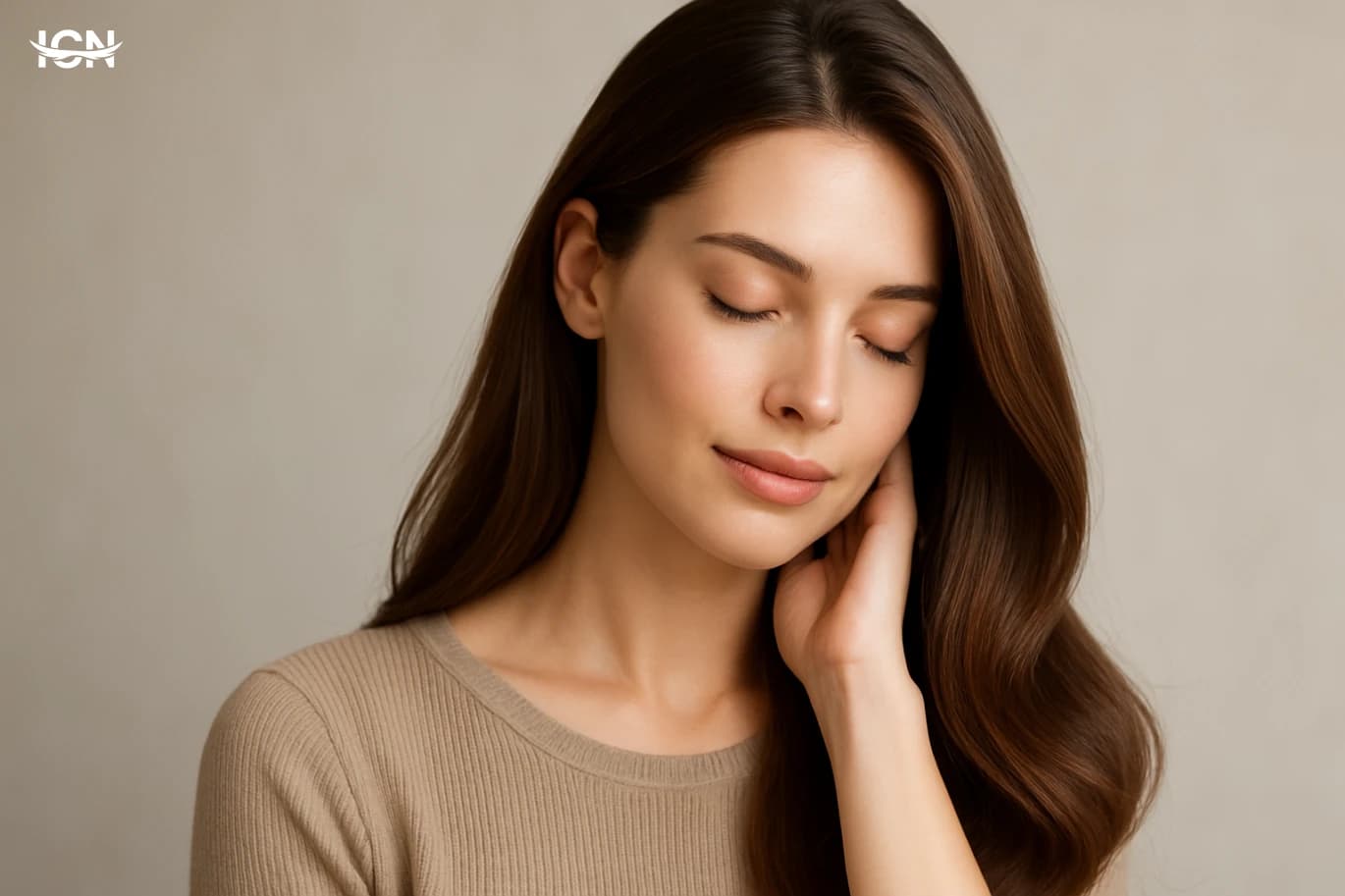
Pre-Eid Hair Refresh Plan
05/13/2026By: ICN Writer
Pre-Eid Hair Refresh Plan

Set a realistic 10-day timeline

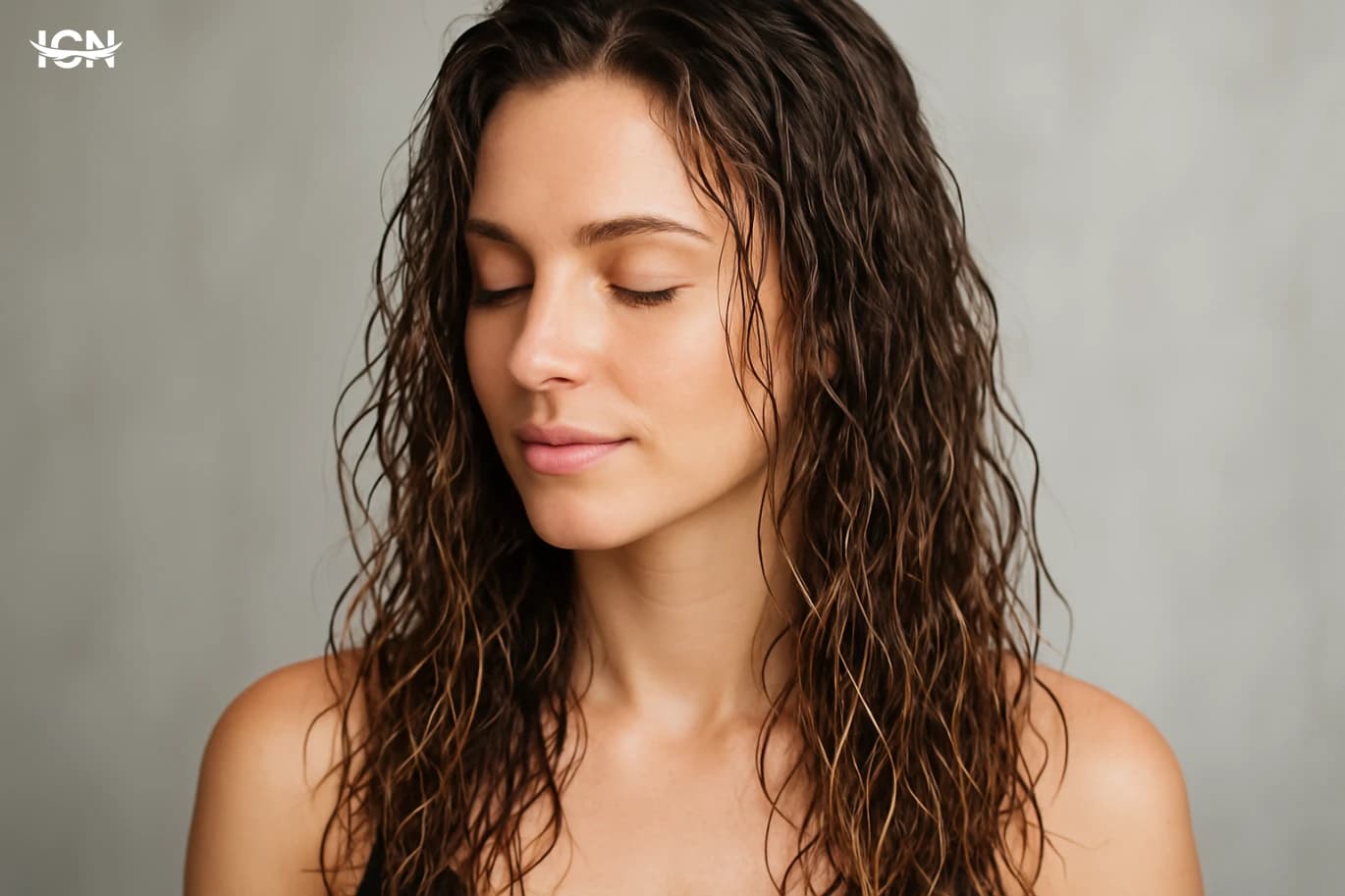
A good pre-Eid hair refresh starts with timing. If you have 10 days, split the work into three phases: reset, repair, and style. Days 1–3 focus on cleansing buildup and calming the scalp. Days 4–7 are for targeted hydration and strengthening. Days 8–10 are about shaping, finishing, and protecting the look so it lasts through busy visits and long hours. Begin by assessing your hair honestly: Is it oily at the roots but dry at the ends? Does it feel rough, tangle easily, or look dull under indoor lighting? Note your main goal for Eid: more shine, better volume, smoother texture, or healthier ends. This helps you avoid overloading hair with too many products at once. Also plan around your schedule. If you will use heat tools, reserve them for the last two days and keep earlier days focused on repair. If you plan a trim or salon service, book it 3–5 days before Eid to allow the hair to settle and to fix any surprises. A simple timeline prevents last-minute stress and reduces the risk of doing too much and causing breakage or frizz.

Scalp reset for cleaner roots and better growth

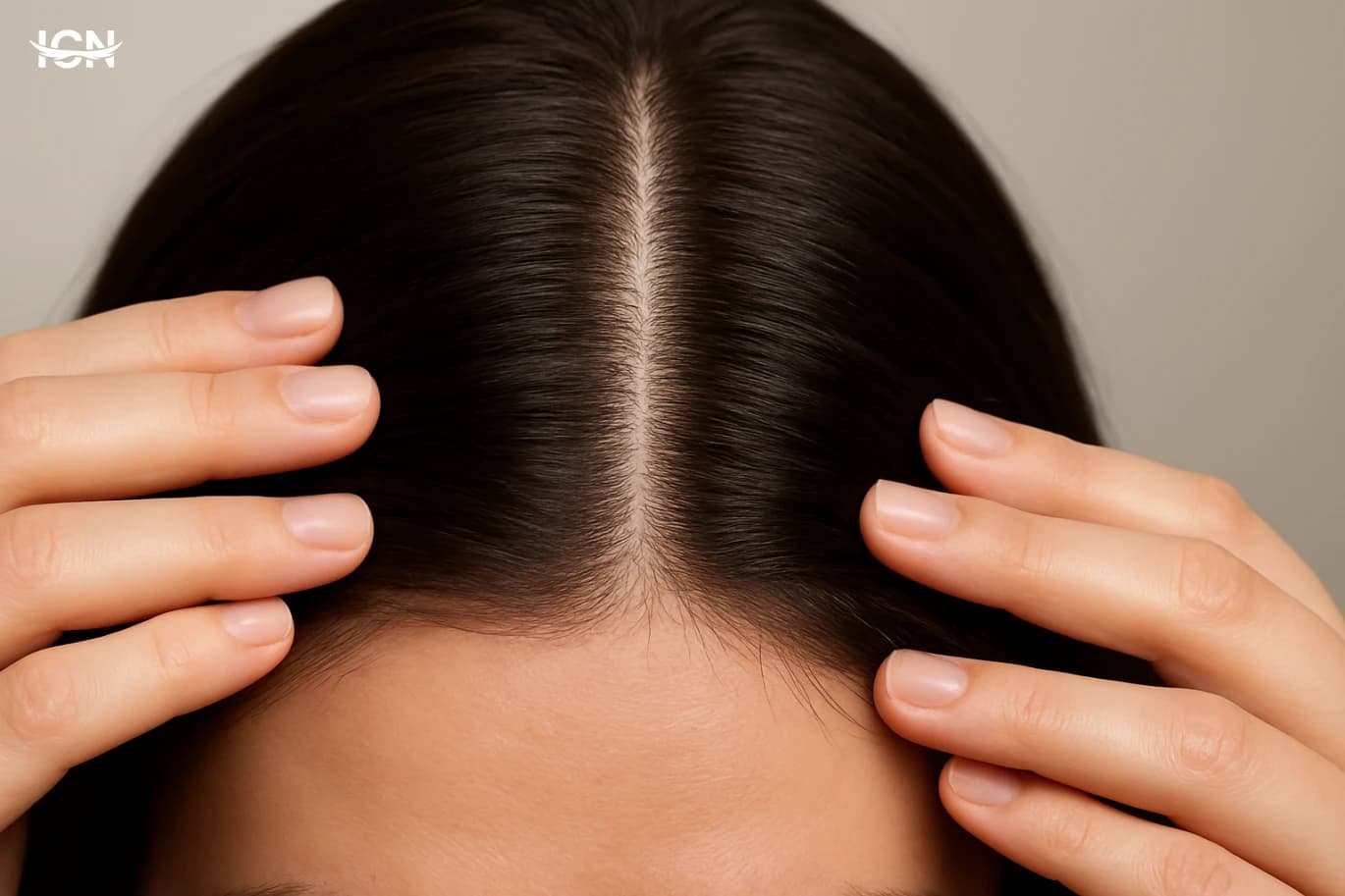
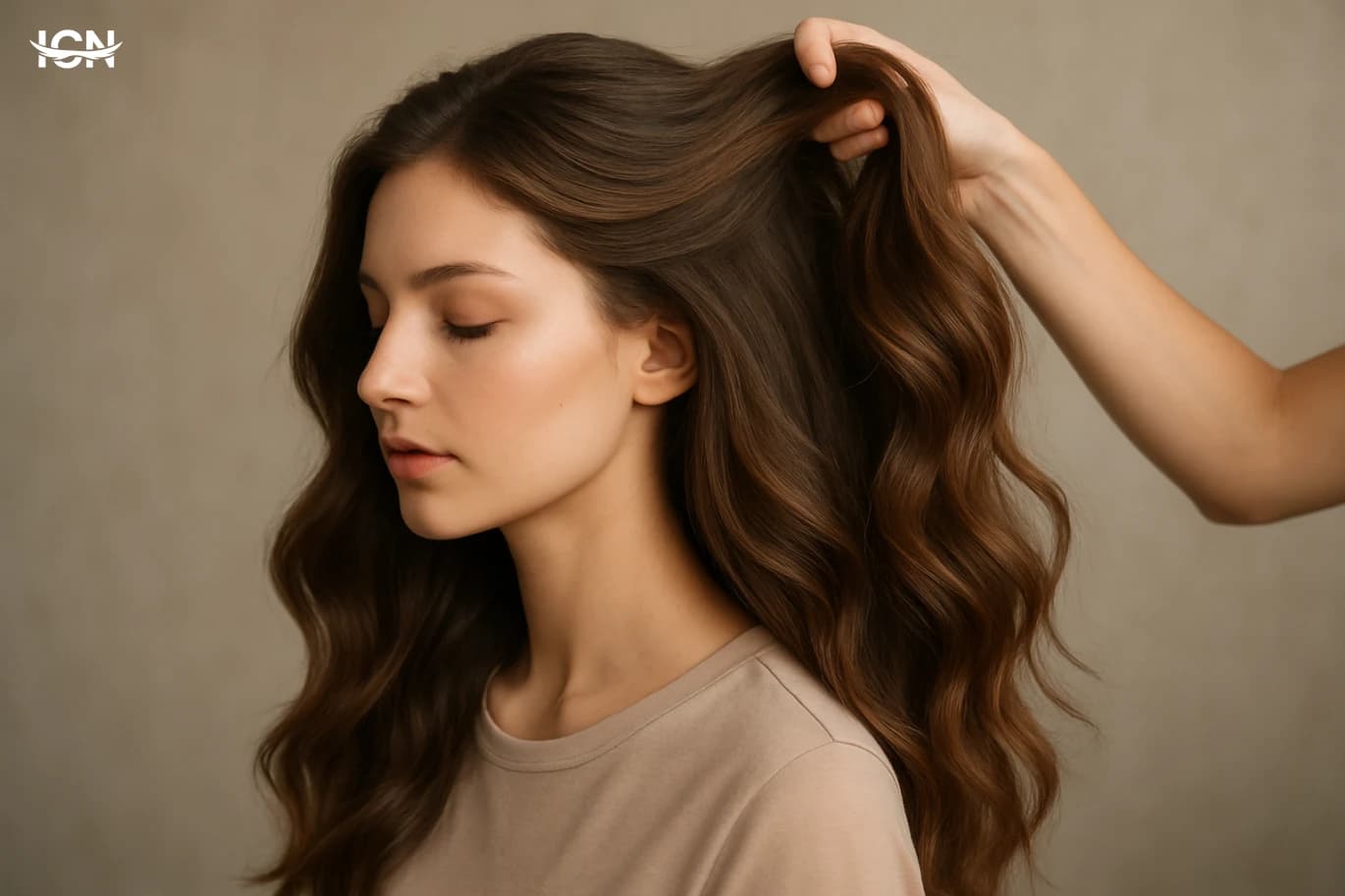
Shiny, attractive hair usually starts at the scalp. Product residue, dry shampoo, heavy oils, and city dust can make roots look flat and ends look tired. A scalp reset does not mean harsh washing; it means cleaning effectively while keeping the barrier comfortable. Once in the first three days, use a clarifying shampoo or a gentle deep-clean shampoo, focusing on the scalp for 60–90 seconds. Rinse thoroughly, then apply conditioner only from mid-length to ends. If your scalp is sensitive, choose a formula labeled for sensitive scalps and avoid strong fragrance. On the other wash days, use your regular shampoo and keep the water lukewarm to reduce dryness. Add a simple scalp massage 3–4 times per week for two minutes using fingertips, not nails. This helps distribute natural oils and can improve how the roots sit, especially if you style with a part. If you struggle with flaking or itch, avoid DIY acidic mixes and instead choose a scalp serum with soothing ingredients like panthenol or niacinamide. The goal before Eid is a clean, calm scalp that supports volume and makes the hair look fresher for longer.

Repair and hydrate without weighing hair down

The fastest way to improve hair appearance before a big occasion is to balance moisture and strength. Many people overdo oils and end up with limp hair, while others overuse protein and get stiffness. Aim for a simple routine: one hydrating mask and one strengthening step per week, adjusted to your hair type. For hydration, choose a mask with glycerin, aloe, or fatty alcohols, and apply it to damp hair after shampooing. Use a wide-tooth comb to distribute, then leave it for 5–10 minutes. If your hair is fine, keep the mask away from the roots and rinse well. If your hair is thick or curly, you can leave it a little longer and finish with a cool rinse to help smooth the cuticle. For strengthening, look for products with amino acids, ceramides, or light proteins. Use them once in the week, not every wash, especially if your hair is color-treated or heat-styled. Finish each wash with a lightweight leave-in conditioner or a detangling spray. This reduces breakage during brushing and makes styling easier. Over a week, these steps can noticeably improve softness, shine, and manageability without making the hair look greasy.

Trim, shape, and color touch-ups at the right time

A small trim can change the entire look of hair before Eid. Removing split ends makes hair reflect light better and helps styles hold their shape. If you cannot visit a salon, avoid aggressive at-home cutting. Instead, book a simple dusting or end trim 3–5 days before Eid. This timing gives you a chance to wash and style once or twice after the cut. If you plan a color refresh, keep it conservative close to the holiday. A root touch-up or gloss treatment can improve shine and make hair look healthier without a dramatic change. Schedule color 5–7 days before Eid if possible, so the tone settles and you can adjust your routine. After coloring, switch to a color-safe shampoo and reduce hot water to protect the shade. For shaping, consider how you will wear your hair during visits. If you often tie it back, ask for face-framing layers that still look neat when pulled into a ponytail. If you wear it down, focus on ends and overall balance rather than extreme layers. The goal is a clean, polished shape that looks good with minimal effort.

Heat styling that boosts shine and reduces frizz

For many people, the final pre-Eid look includes blow-drying, straightening, or curling. The key is to use heat as a finishing tool, not a daily habit. Start with a heat protectant that covers both moisture loss and surface smoothing. Apply it on damp hair, then dry in sections. If you blow-dry, aim the nozzle downward along the hair shaft and keep the dryer moving. Use a round brush only if you are comfortable; otherwise, a paddle brush with tension can create a smooth result. For straighteners or curling irons, keep the temperature moderate. Fine hair often performs well at lower settings, while thick hair may need a bit more heat, but repeated passes cause more damage than a slightly higher temperature with fewer passes. Finish with a small amount of lightweight serum on the ends for shine, and avoid heavy oils near the roots. If humidity is high, choose an anti-frizz spray or a light hairspray that does not feel sticky. These steps help you get a polished Eid-ready finish while keeping hair movement natural and reducing the risk of dryness after the holiday.

Eid-week maintenance for lasting freshness

Once your hair looks good, the next challenge is keeping it fresh through a busy week. Build a simple maintenance routine: protect at night, refresh in the morning, and avoid product overload. At night, use a satin or silk pillowcase if possible, or loosely tie hair with a soft scrunchie to reduce friction. If your hair is curly, consider a loose pineapple style to preserve shape. In the morning, refresh with a light mist of water and a small amount of leave-in conditioner on the ends, then smooth flyaways with a tiny amount of serum. If you use dry shampoo, apply it at night to clean roots so it absorbs oil by morning, then brush it out gently. Keep a small comb and travel-size anti-frizz spray in your bag for quick touch-ups. Finally, support hair from the inside: drink enough water, include protein in meals, and avoid skipping breakfast on busy days. These practical steps help your hair stay attractive and presentable from the first visit to the last.

* All articles published on this blog are sourced from various websites and are provided for informational purposes only. They should not be considered as confirmed studies or accurate information. Please verify the information independently before relying on it.

Similar ARTICLES

Hard Water Hair Reset That Actually Works
Hard water contains higher levels of minerals such as calcium and magnesium. These minerals can cling to the hair shaft and scalp, especially when combined with shampoo residue, styling products, and natural oils. Over time, that buildup can make hair feel rough, look dull, and become harder to detangle. People often describe it as “my hair suddenly stopped cooperating,” even when they haven’t changed their haircut or routine. The impact is not identical for everyone. Fine hair may lose movement and look flat because mineral film weighs it down. Curly and coily hair may feel drier and more brittle because buildup interferes with moisture absorption and makes strands less flexible. Color-treated hair can also appear less vibrant because mineral deposits scatter light and can contribute to uneven tone. On the scalp, hard water can leave a tight, itchy feeling that is sometimes mistaken for dandruff, when the real issue is residue and irritation. A practical way to suspect hard water is to look beyond your hair. If you see white spots on faucets, cloudy glassware, or soap that doesn’t lather easily, your water likely has a high mineral content. The goal of a hard water reset is not to “strip” hair aggressively, but to remove mineral deposits and then rebuild a routine that prevents them from returning quickly.
Hard Water Hair Rescue Plan
Hard water is water with higher levels of minerals such as calcium and magnesium. Those minerals are not “dirty,” but they can cling to the hair shaft and mix with product residue, creating a film that makes hair feel rough, look dull, and tangle more easily. Many people notice their shampoo stops foaming well, their conditioner feels less effective, and their hair dries slower but still feels dry afterward. Color-treated hair can fade faster because buildup interferes with how light reflects off the cuticle, making color look flat. Scalp comfort can also change: mineral residue can trap sweat and styling products, leading to itchiness or a tight feeling even when you wash regularly. The key point is that hard water issues often mimic damage, so people overcorrect with heavier oils and masks, which can worsen the coating and make hair limp. Understanding the mechanism helps you choose targeted steps rather than adding more products blindly.
Occasion Hair Accessories That Elevate Your Look
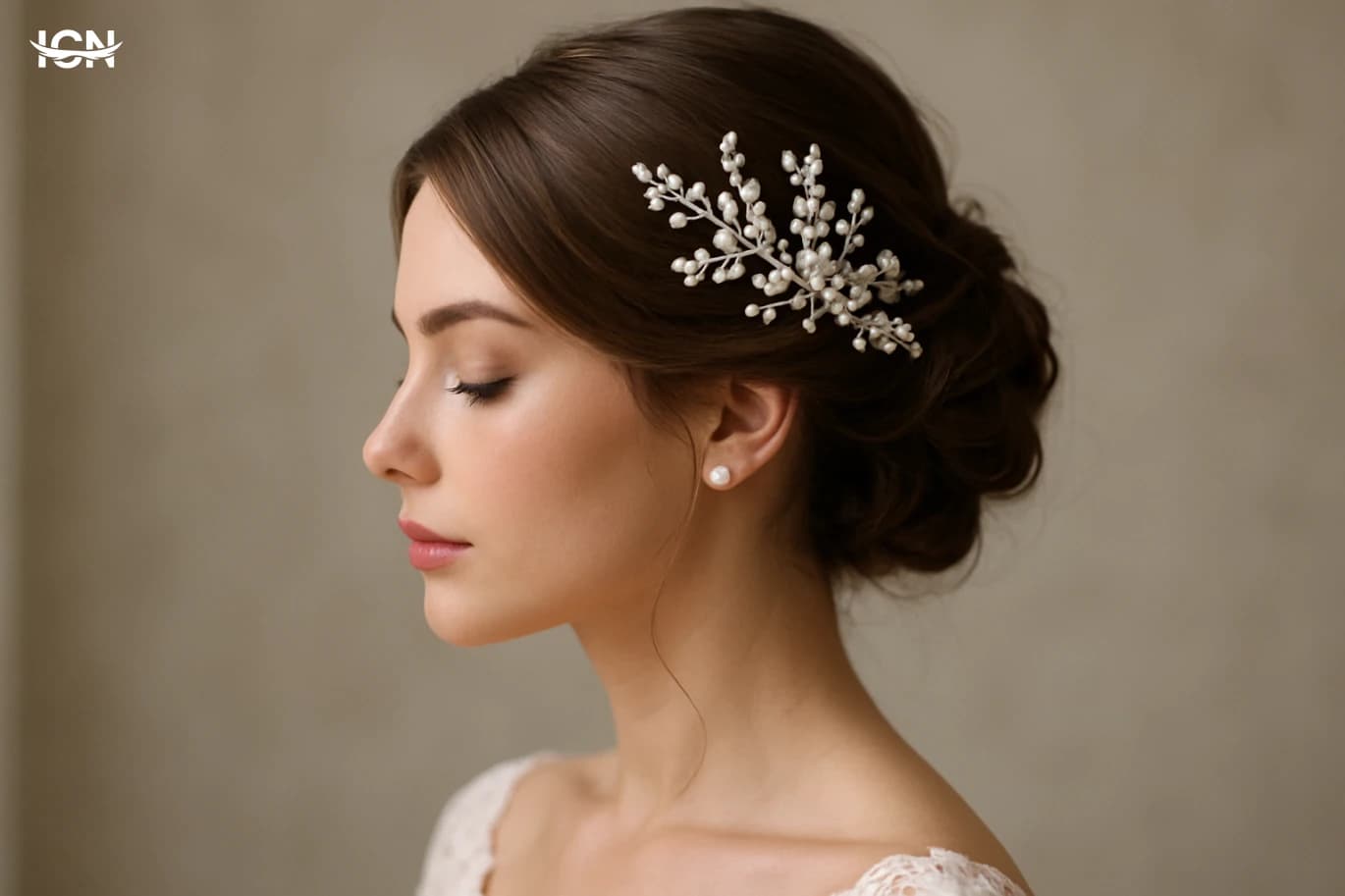
For formal events, hair accessories do more than decorate. They help define the overall styling direction, add structure to the hairstyle, and create a polished finish that reads well in photos and under venue lighting. A small change—like a crystal pin instead of a plain bobby pin—can shift the look from everyday to occasion-ready. Accessories also solve practical issues. They can secure curls, reinforce a sleek bun, or keep a side-swept style in place through long hours of movement. When chosen well, they balance face shape and outfit details: a statement clip can echo the sparkle of earrings, while a minimalist barrette can support a clean, modern dress. The goal is cohesion, not clutter—one or two intentional pieces usually look more refined than many competing elements.
The Allure of the Long Braid
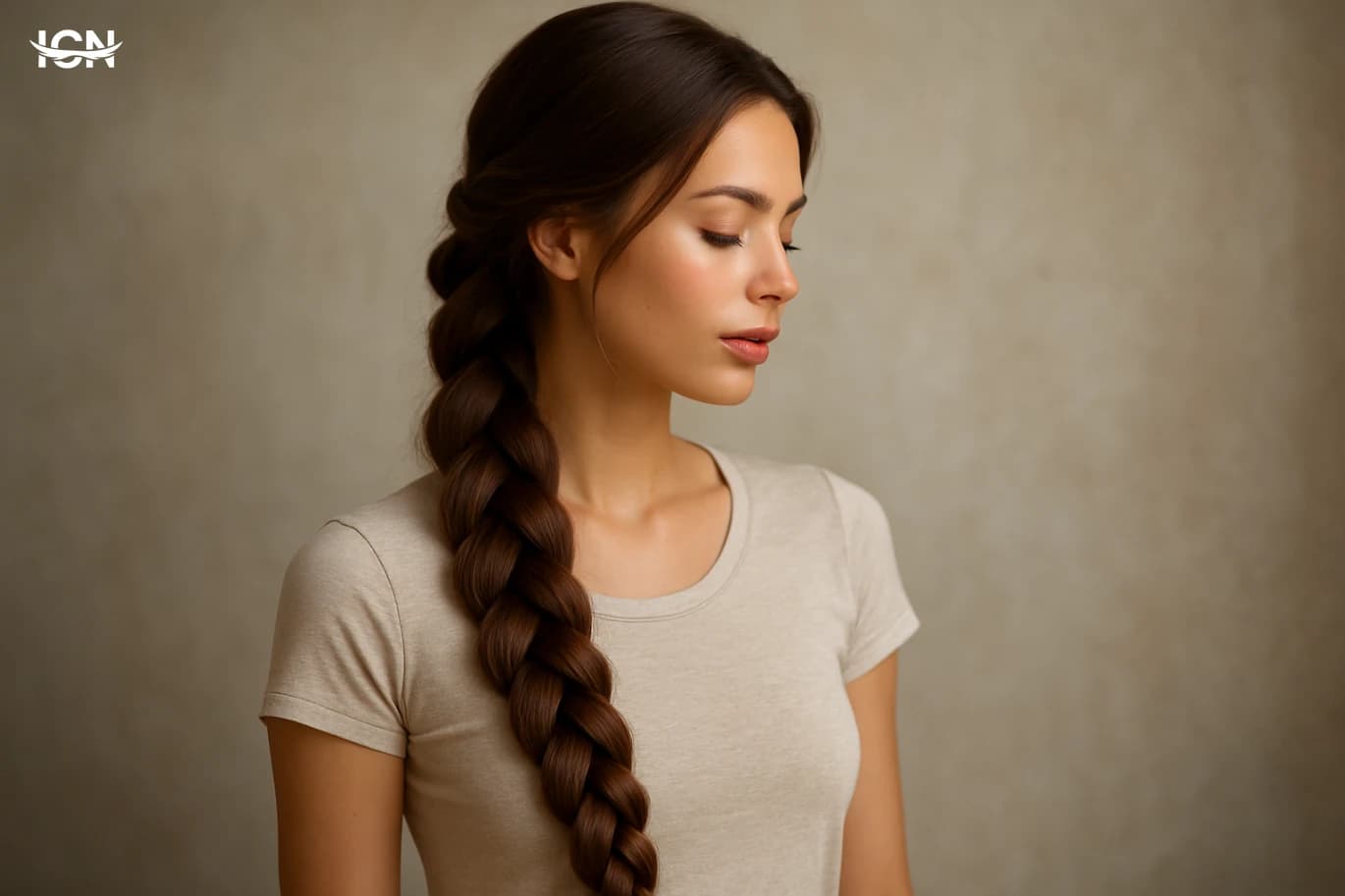
Long braids remain a staple because they combine practicality with a polished look that works across settings. A single braid can keep hair controlled during a busy day, reduce tangling from wind or friction, and still look intentional in photos and in person. For many people, the appeal is also about consistency: once you learn a braid that suits your hair type, it becomes a reliable style you can repeat without needing heat tools. The long braid also offers visual structure. It frames the head and neck, creates a clean line down the back, and can be adjusted to look relaxed or formal depending on how tight it is and how the ends are finished. Small choices—like a center part versus a side part, or a smooth crown versus a slightly lifted one—change the overall impression without changing the core style. This flexibility is one reason the long braid is often described as “timeless” in beauty coverage. From a haircare perspective, braiding can be a low-stress option when done correctly. It can help limit daily manipulation, especially for people who otherwise brush and restyle frequently. The key is to treat the braid as a protective arrangement rather than a tight hold, and to keep the scalp comfortable so the style supports hair health rather than working against it.
Dust Storm Defense for Skin and Hair
Dust storms combine dry air, wind, and fine particles that cling to the scalp and face. These particles can mix with sweat, sunscreen, and natural oils, forming a gritty layer that increases friction on hair strands and can irritate the skin barrier. Wind also accelerates water loss from the skin, which can make tightness and flaking more noticeable within hours. Hair is affected in two main ways: the cuticle gets roughed up by abrasion, and the scalp can feel congested when dust settles around follicles. If you already use styling products, dust can stick more easily, making hair look dull and feel sticky. For skin, the most common issues are dryness, redness, and a stinging sensation around the nose and cheeks, especially if you use strong exfoliants or retinoids. The goal during dusty conditions is practical: reduce particle contact, keep the barrier hydrated, and cleanse gently but thoroughly afterward. Small choices—like the type of moisturizer, how you cover your hair, and when you wash—make a measurable difference in comfort and appearance.
Build a Wash Day That Actually Works
Many people treat wash day as a fixed script: shampoo, conditioner, towel, then whatever styling is left. The problem is that hair and scalp needs change with climate, product buildup, water quality, and even how often you wear protective styles. A routine that worked in winter can leave the scalp oily in summer, while the same products can feel drying after a few weeks of heavy styling. The most common failure is mismatching the cleanser to the scalp. If the scalp is oily or itchy, a very gentle shampoo may not remove sebum and residue from styling creams, dry shampoo, or sunscreen at the hairline. On the other hand, using a strong clarifying shampoo every wash can strip the scalp barrier and make hair feel rough, especially if you color or heat-style. Another frequent issue is treating hair length and scalp as one zone. The scalp needs effective cleansing; the lengths often need protection and controlled moisture. When both are treated the same, you get either greasy roots with dry ends or clean roots with brittle mid-lengths. Finally, many routines ignore time and technique. A shampoo that could work well may fail if it is not emulsified, not left on long enough to lift oils, or not rinsed thoroughly. Similarly, conditioner can underperform if it is applied to soaking-wet hair and rinsed immediately, or if it is piled onto the scalp where it adds weight and residue. Wash day succeeds when it is designed around your scalp condition, your hair fiber needs, and the realities of your week.
Your Hair’s Quiet Reset Week
Some hair problems aren’t “damage” as much as constant noise: too many products, too much heat, too many wash-day rules. When hair is overwhelmed, it fights back—frizz that appears out of nowhere, ends that feel crunchy, a scalp that flips between oily and tight. A reset week isn’t about stripping everything away; it’s about lowering the volume so you can hear what your hair actually needs. Think of this as a gentle experiment. You’ll keep cleansing, conditioning, and styling, but with fewer moving parts. The goal is to get reliable signals: how quickly your roots oil up, whether your curls/waves clump easily, how your hair behaves when it’s not coated in three layers of “help.” By the end of seven days, you’ll have a simple baseline routine you can build on—without guessing, without chasing trends, and without punishing your scalp.
Neem oil
Neem oil
Neem oil is a natural oil extracted from the seeds of the neem tree and has been used for centuries in traditional medicine, health care, and agriculture. Neem oil is a natural oil extracted from the seeds of the neem tree and has been used for centuries in traditional medicine, health care, and agriculture. Its Benefits 1) For Skin Treats acne and pimples (antibacterial) Relieves inflammation, itching, and eczema Helps heal minor wounds 2) For Hair Eliminates dandruff Strengthens the scalp Helps combat lice 3) As a Natural Pesticide Insect Repellent (mosquitoes, flies, bedbugs) Used in organic farming against pests Relatively safe for plants when used correctly 4) For General Health (External Use Only) Antifungal Antibacterial Natural Antiseptic How to Use For Skin: Dilute with a carrier oil (such as coconut or olive oil) at a ratio of 1:10 For Hair: Mix a few drops with another oil and massage into the scalp For Insects: Dilute with water and a little soap and spray Important Warnings Do not take orally except under medical supervision Do not use on children or pregnant women Test on a small area of ​​skin First Strong odor and may cause irritation if used undiluted 1) For Skin Treats acne and pimples (antibacterial) Relieves inflammation, itching, and eczema Helps heal minor wounds 2) For Hair Eliminates dandruff Strengthens the scalp Helps combat lice 3) As a Natural Pesticide Insect repellent (mosquitoes, flies, bed bugs) Used in organic farming against pests Relatively safe for plants when used correctly 4) For General Health (External Use Only) Antifungal Antibacterial Natural antiseptic How to Use For Skin: Dilute with a carrier oil (such as coconut or olive oil) at a ratio of 1:10 For Hair: Mix a few drops with another oil and massage into the scalp For Insects: Dilute with water and a little soap and spray Important Warnings Do not take orally except under medical supervision Do not use on children or Pregnant women Test on a small area of ​​skin first. Strong odor and may cause irritation if used undiluted.
By clicking the SUBSCRIBE button, you are agreeing to our Privacy & Cookie Policy If you want to unsubsribe the marketing email, please proceed to our privacy center.
© 2005-2026 ICN. All Rights Reserved.