Padel Boom in Cities

- Why Padel Took Off So Fast
- Getting Started Without Wasting Money
- Rules and Tactics New Players Miss
- Fitness Benefits and Injury Prevention
- Finding Courts, Partners, and Leagues
Why Padel Took Off So Fast
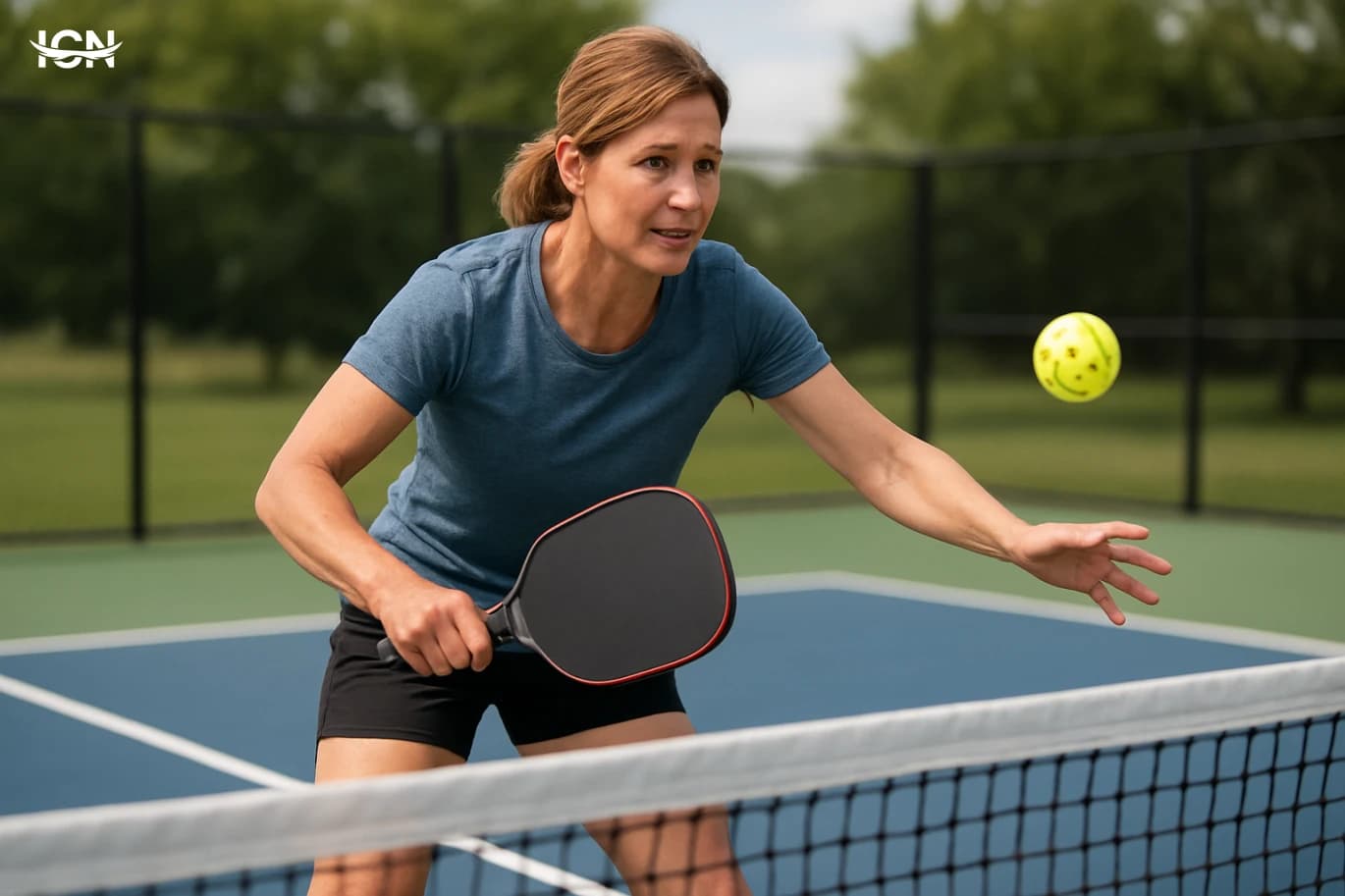
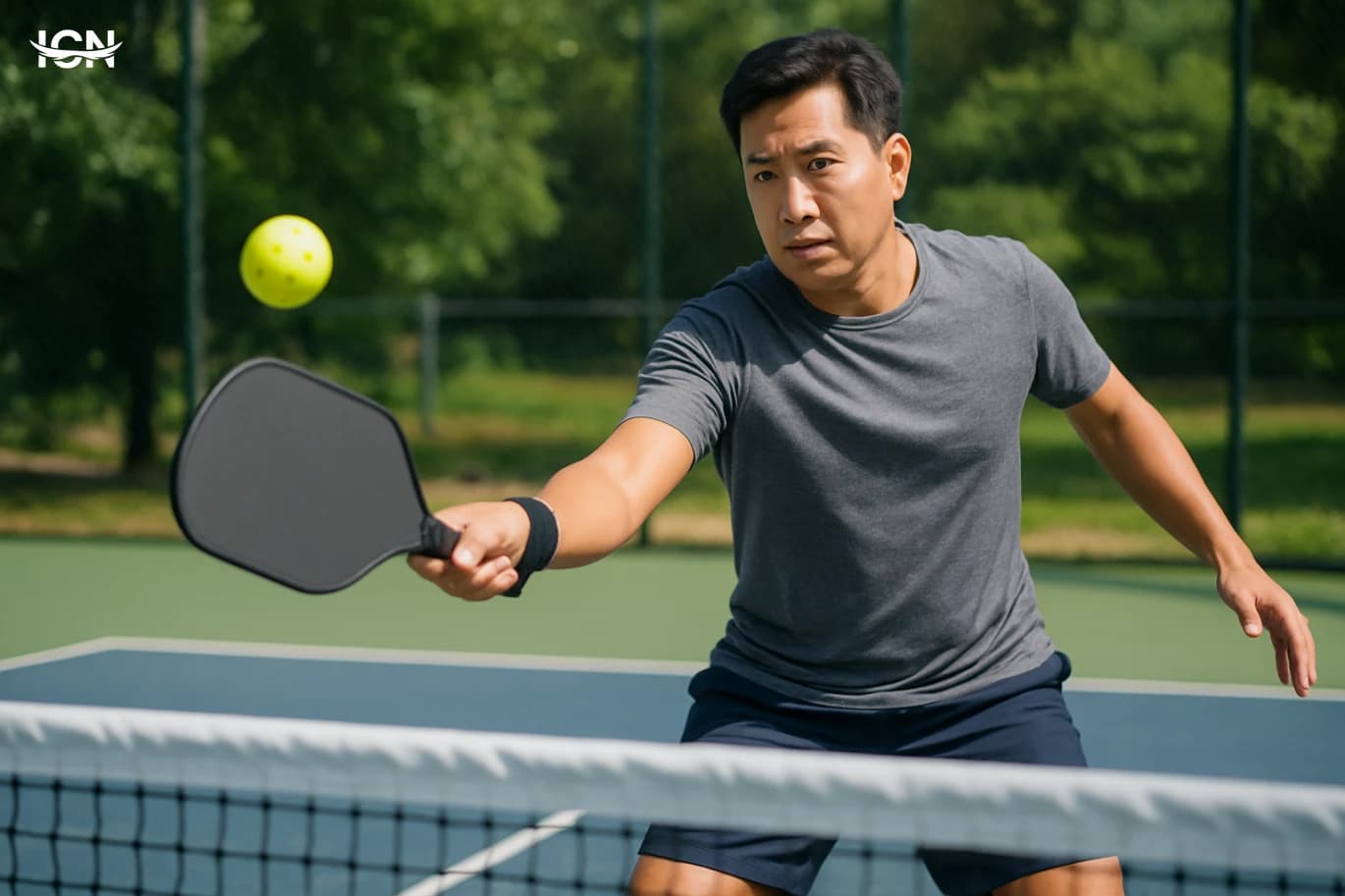
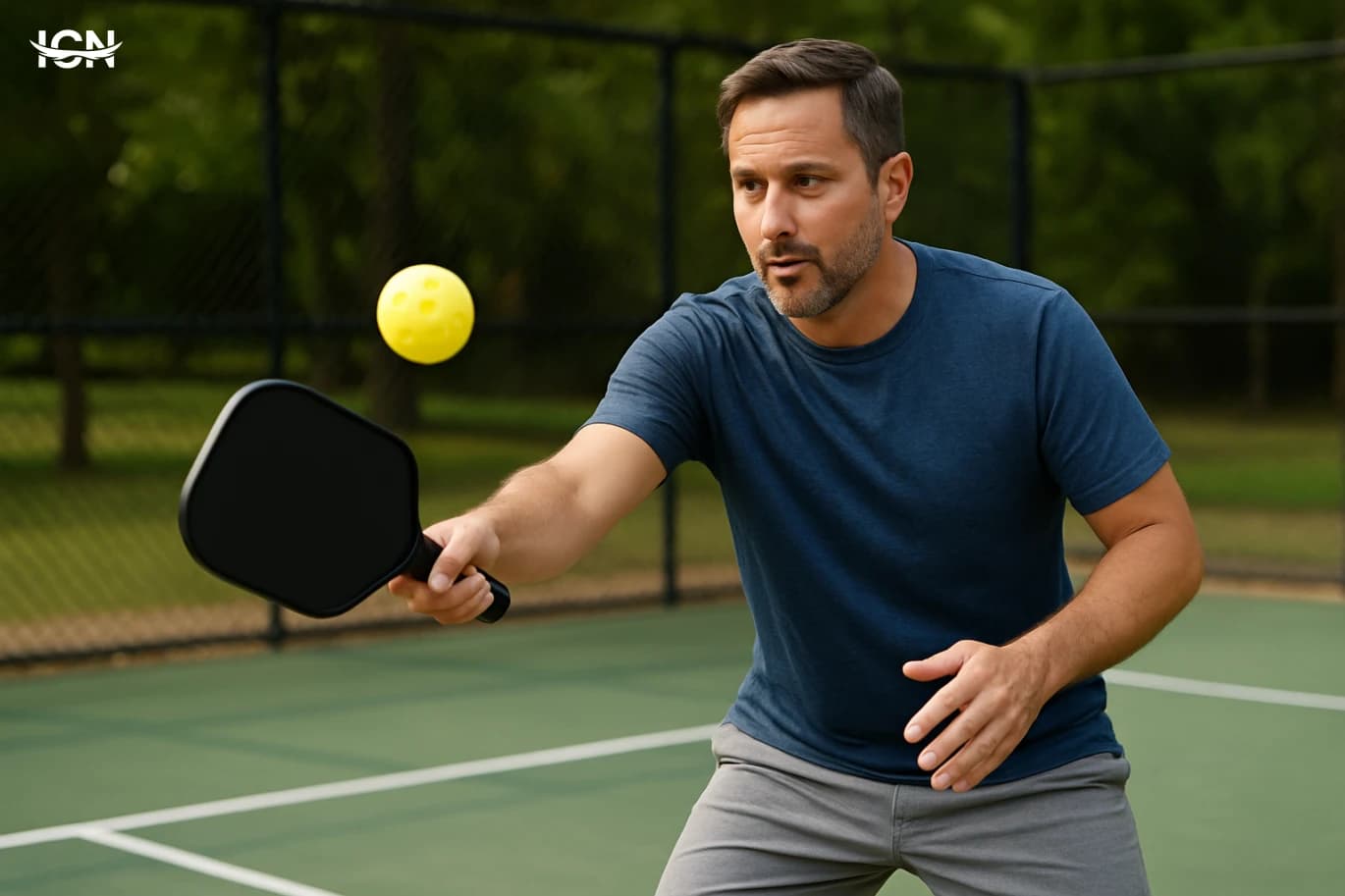
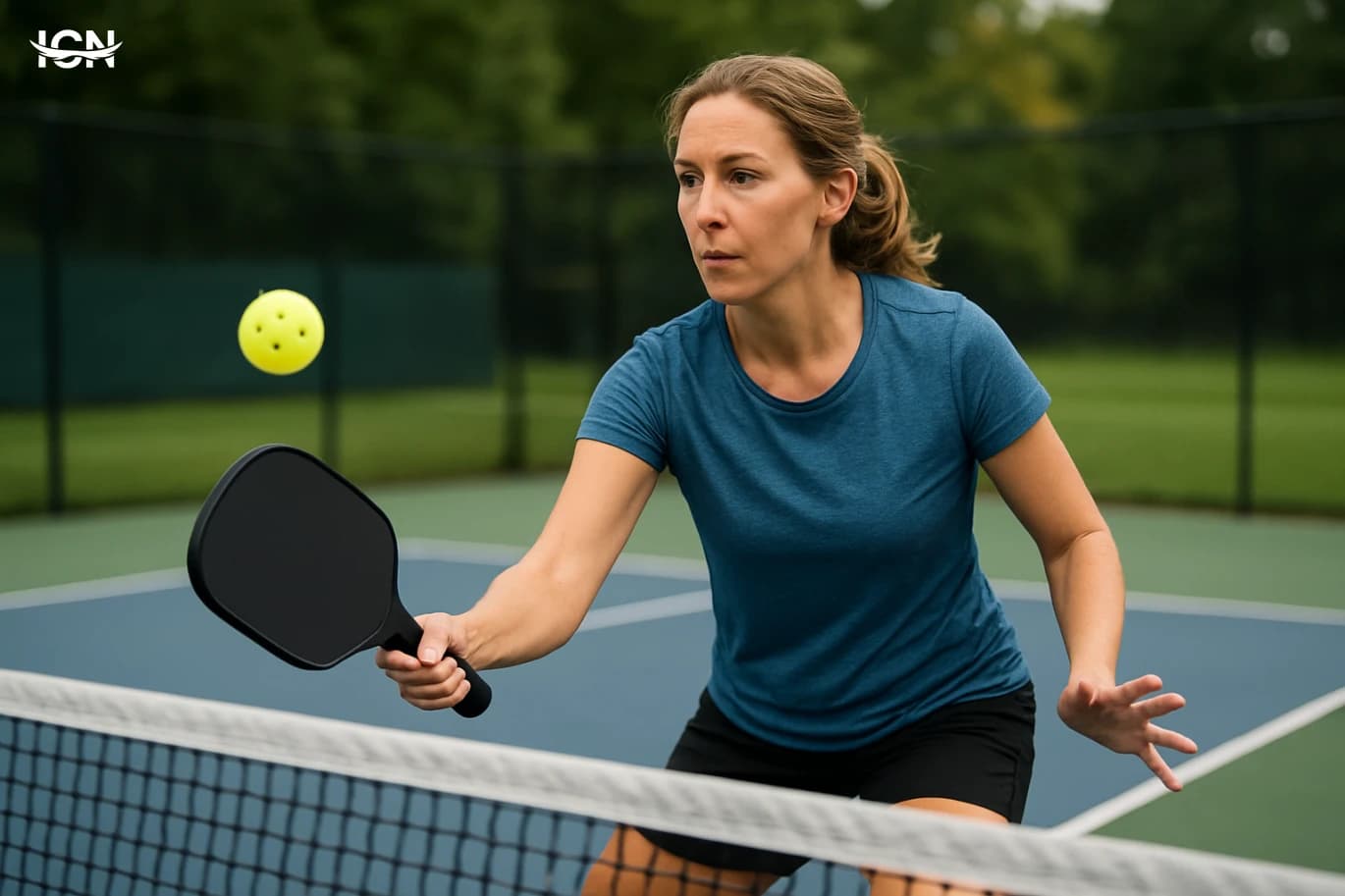
Padel has moved from a niche racket sport to a mainstream urban activity in a remarkably short time. One reason is accessibility: the court is smaller than tennis, rallies last longer, and beginners can keep the ball in play within their first session. That early sense of progress is a powerful driver for repeat visits and group bookings. The sport is also inherently social because it is typically played as doubles, which fits modern leisure habits where friends want an activity that mixes competition with conversation. Cities have also provided the right conditions for growth. Many operators can fit multiple padel courts into spaces that would hold fewer tennis courts, making the business case work in dense areas. Booking apps and pay-per-play pricing reduce barriers compared with traditional club memberships. Social media has amplified the trend, with short clips of glass-wall rallies and quick highlights that look impressive even at amateur level. Together, these factors have turned padel into a reliable after-work option rather than an occasional weekend sport.
Getting Started Without Wasting Money
A smart start begins with one or two coached sessions. Even a short lesson can fix common issues like grip, positioning, and how to use the glass safely, which reduces frustration and injury risk. After that, renting equipment for a few games is often more cost-effective than buying immediately. Many venues offer rental rackets and balls, and some include them in off-peak packages. When you do buy, focus on basics rather than premium gear. A mid-range racket with a comfortable weight and a forgiving sweet spot is better for learning than a stiff, head-heavy model designed for advanced power. Shoes matter more than many newcomers expect: choose court shoes with good lateral support to handle quick side steps. For clothing, prioritize breathable fabrics and bring a second shirt if you play in humid indoor facilities. Finally, set a realistic weekly plan: one match and one practice session is enough to improve steadily without turning the sport into an expensive habit.
Rules and Tactics New Players Miss
Padel looks simple, but small rule details change how points are built. The serve is underhand and must bounce before contact, which reduces aces and makes the return a central skill. After the bounce, the ball can hit the glass walls and remain in play, so players need to learn when to let the ball pass and use the rebound rather than rushing forward. Another common mistake is treating padel like tennis and aiming for constant winners; in reality, consistency and positioning often win more points than raw power. Tactically, the net is the priority. Teams that control the net can apply pressure with volleys and force defensive lobs. Beginners often stay too deep, giving opponents easy angles. A practical early tactic is the “safe cross-court” pattern: hit diagonally with margin over the net, keep the ball low, and wait for a short ball before attacking. Communication matters because doubles spacing is tight; agree on who takes balls down the middle and call lobs early. Learning one defensive skill—returning off the back glass—can immediately raise your level because it turns panic situations into neutral rallies.
Fitness Benefits and Injury Prevention
Padel provides a mix of cardio and agility without the long sprints typical of some court sports. Most points involve short accelerations, quick stops, and repeated lateral movements, which can improve coordination and lower-body endurance. Because rallies are frequent, players often get a solid workout in 60–90 minutes even at recreational pace. The sport also trains reaction time and decision-making, since the glass rebounds create unusual ball paths that require fast adjustments. Injury risk usually comes from overuse and poor movement mechanics. The most common complaints among new players are ankle sprains, calf tightness, and elbow or shoulder irritation from incorrect technique. A simple prevention routine helps: 8–10 minutes of warm-up with light jogging, side shuffles, and dynamic stretches, followed by a few practice volleys and lobs before playing full points. Strength work twice a week—especially calves, glutes, and rotator cuff—reduces strain. Hydration is important in indoor venues where heat builds up. If pain persists beyond normal muscle soreness, reduce playing volume and get a professional assessment rather than pushing through.
Finding Courts, Partners, and Leagues
The fastest way to stay consistent is to make logistics easy. Look for venues within 15–20 minutes of home or work, and check whether they offer off-peak pricing that fits your schedule. Many clubs run “open play” sessions where individuals can join and be matched by level, which is ideal if you do not have a regular partner. Some facilities also organize beginner clinics followed by short matches, creating a low-pressure entry point. If you want structured progress, local leagues and ladder systems are effective. Leagues typically group teams by ability and run weekly fixtures, which keeps motivation high and provides measurable improvement. Ask about rating systems, match formats, and whether the league uses standard padel rules for golden point or advantage scoring. For partners, prioritize reliability over talent at first; a consistent schedule builds skill faster than occasional high-level games. Finally, consider etiquette as part of community building: arrive early, warm up quickly, and rotate fairly in social sessions. These small habits make it easier to get invited back and become part of a regular playing network.