App Logo

Download Our App

Shop your way

logologo
Image

olive oil

11/06/2024By: ICN
olive oil

the introduction

History of Olive Oil Olive oil has been an essential part of the lives of people around the Mediterranean for thousands of years. Its use is believed to have begun in the Levant region over 6,000 years ago. During that time, it was used for a variety of purposes, from cooking to cosmetics and religious motivations. The Importance of Olive Oil in Arab Culture In addition to its unique taste, olive oil is considered a symbol of wealth and health in Arab cultures. It is used in most traditional dishes, reflecting its deep connection to history and heritage. It also has many health benefits, making it a must-have in Arab cuisine. Appreciating it is one of the hallmarks of Arab civilization, which celebrates agriculture and local production.

Benefits of olive oil

Health Benefits of Olive Oil Olive oil is considered one of the healthiest oils. It contains powerful antioxidants and helps lower bad cholesterol levels in the body. Studies show that regular consumption can reduce the risk of heart disease and stroke. Olive oil also helps improve digestion and promote gut health. Beauty Benefits of Olive Oil Olive oil is also used in skin and hair care. It acts as a natural moisturizer and helps maintain skin freshness. It also enhances hair strength and prevents breakage. These benefits are part of the beauty heritage of the Arab world, as it is used in many traditional beauty recipes.

Different types of olive oil

Extra virgin olive oil Extra virgin olive oil is considered the highest grade of olive oil. It is extracted from the first pressing of the olives, and is characterized by its rich flavor and unique aroma. It is a great choice for cooking, and is best used in salads and appetizers to preserve all its healthy properties. Virgin olive oil Virgin olive oil comes in second place after extra virgin. It is extracted in a similar way, but may have a lower level of acidity. Virgin olive oil is widely used in cooking, and is a good choice for preparing everyday dishes thanks to its refreshing and good taste.

How to choose good olive oil

International standards for olive oil quality When choosing good olive oil, international standards should be taken into account, including acidity, taste and aroma tests. Extra virgin olive oil should be free of impurities and have an acidity of less than 0.8%. Signs of distinguishing original olive oil Original olive oil can be distinguished by several signs, such as the presence of detailed information on the packaging, including the place of production and the type of oil. In addition, dark bottles should be chosen to protect the oil from light, which preserves its quality for a longer period.

Uses of olive oil in cooking

Cooking with cold olive oil Olive oil can be used in salads or as a light dressing, adding a rich flavour while retaining its health benefits. It should be used fresh to get the most out of its nutrients. Cooking with hot olive oil Olive oil can also be used for frying and cooking at moderate temperatures. However, it should be avoided exposing it to high temperatures for a long time, as some of its valuable components may be broken down. Choosing the right olive oil can enhance the flavour of dishes and give food significant health benefits.
* All articles published on this blog are sourced from various websites and are provided for informational purposes only. They should not be considered as confirmed studies or accurate information. Please verify the information independently before relying on it.

Similar ARTICLES

Reading Tree Rings in City Parks
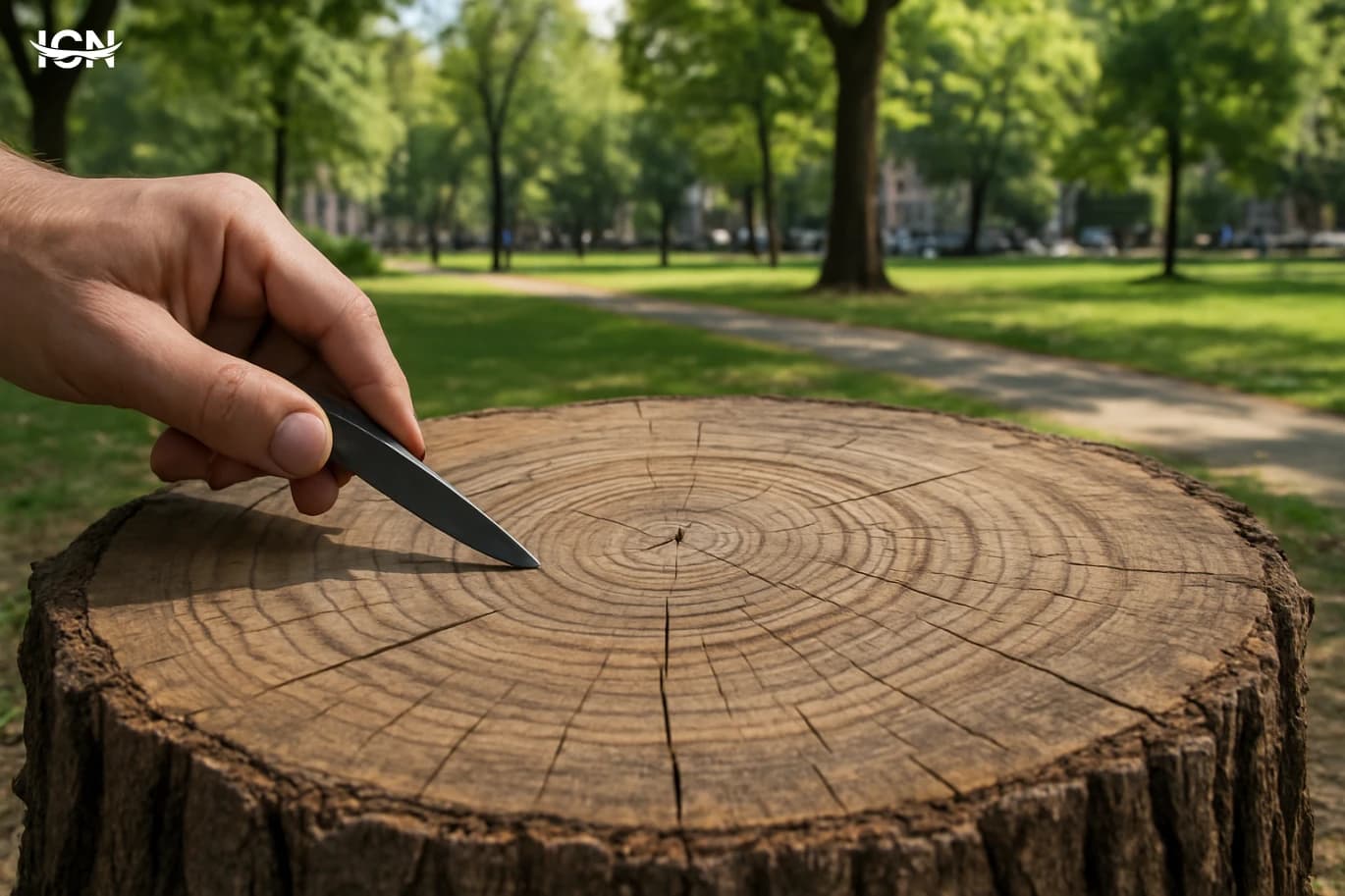
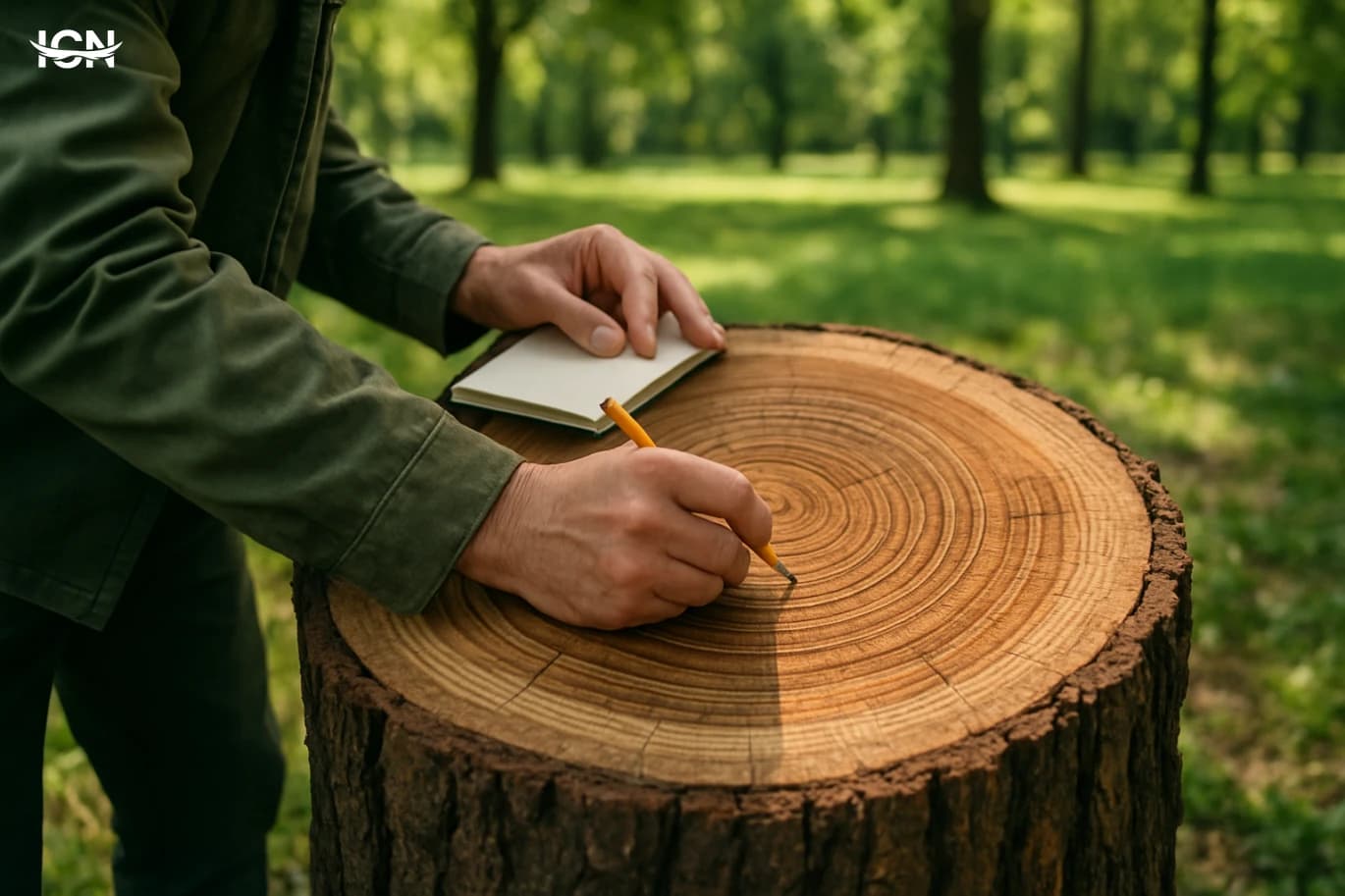
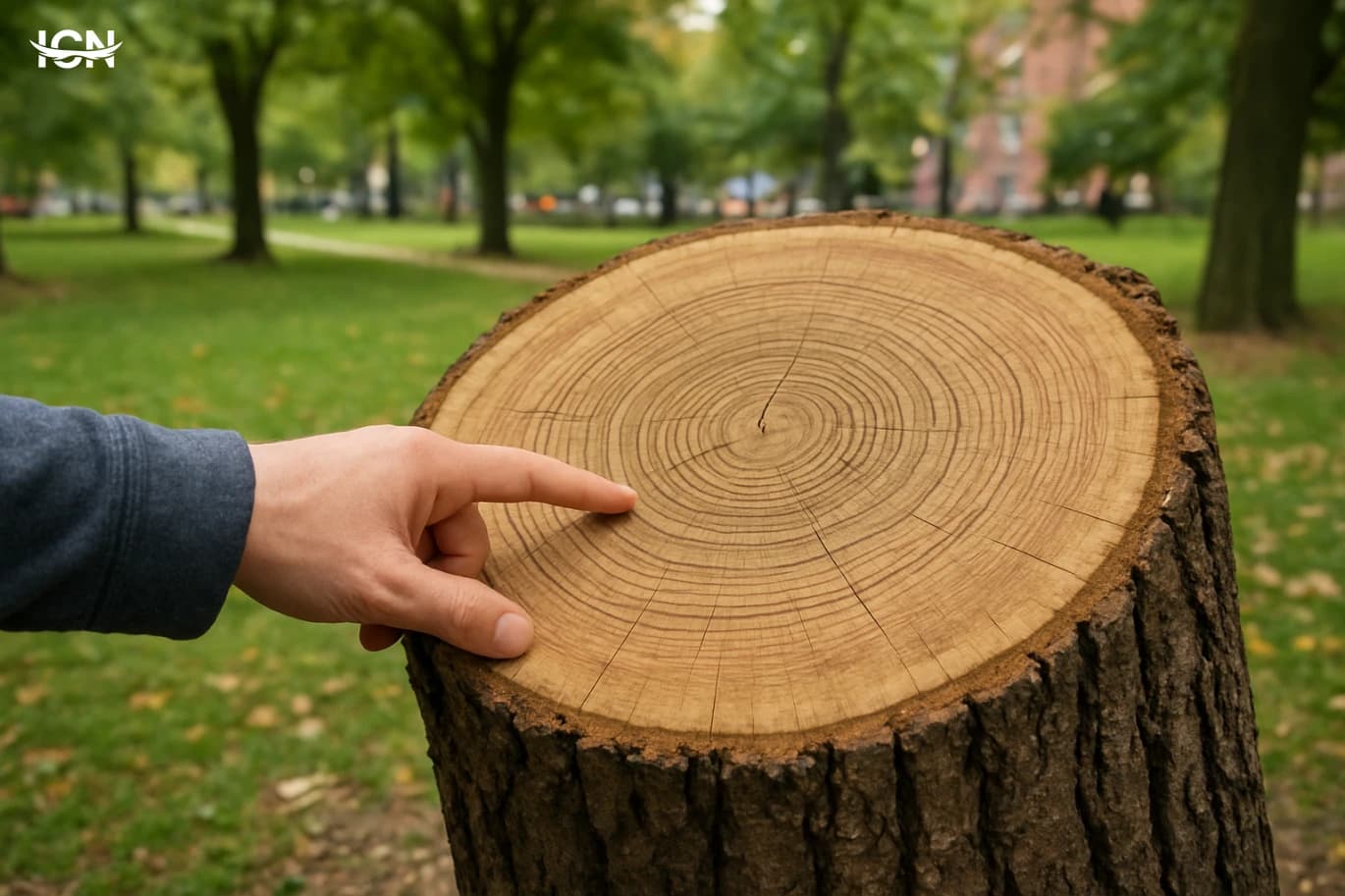
Tree rings are a practical record of how a tree grew year by year, and in city parks they can reveal how urban conditions shape living plants. Each ring generally represents one growing season, and its width reflects how favorable that season was for growth. In parks, the story is often influenced by irrigation schedules, compacted soil from foot traffic, heat from surrounding pavement, and pruning practices. A ring sequence can show periods of steady growth after a park renovation, or slowdowns during drought restrictions. For park managers and curious visitors, rings provide more than an age estimate. They can help explain why some trees thrive while others struggle in the same park. When combined with basic site information—such as changes in watering, nearby construction, or shifts in tree canopy cover—rings become a straightforward way to connect management decisions with long-term plant health. This makes tree rings a useful lens for understanding urban ecology without needing complex equipment.
Reading Trees Through Their Bark
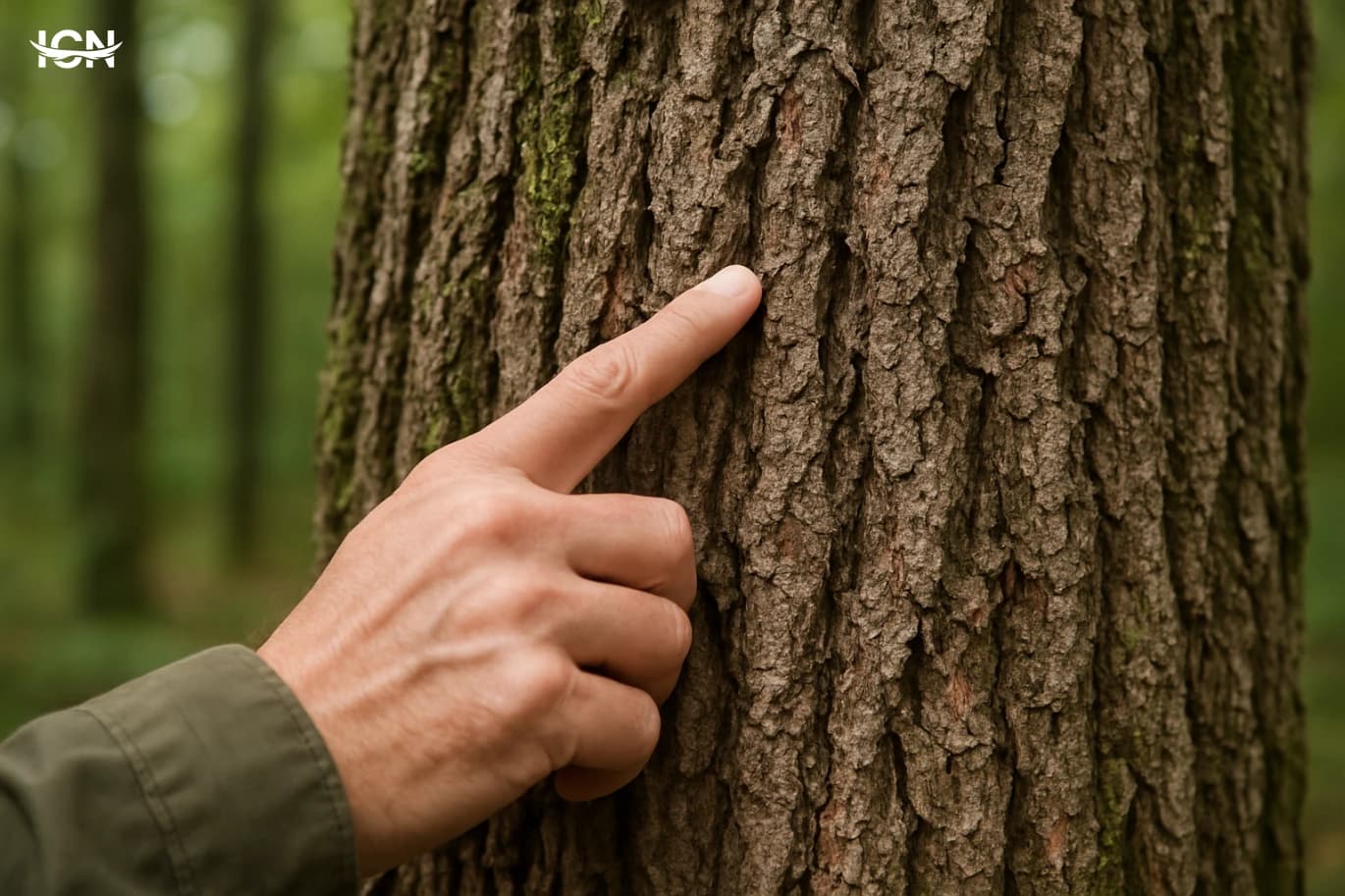
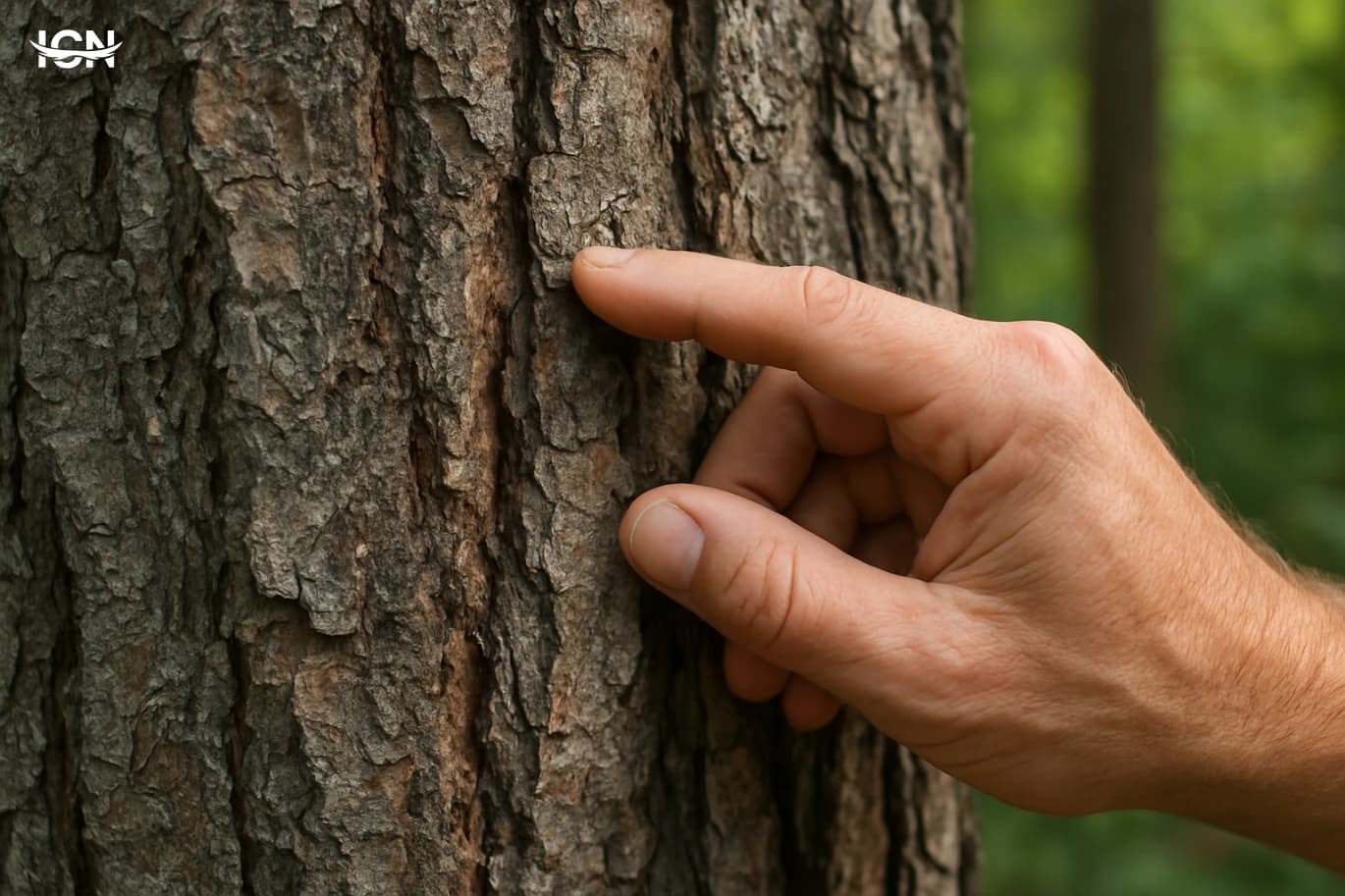
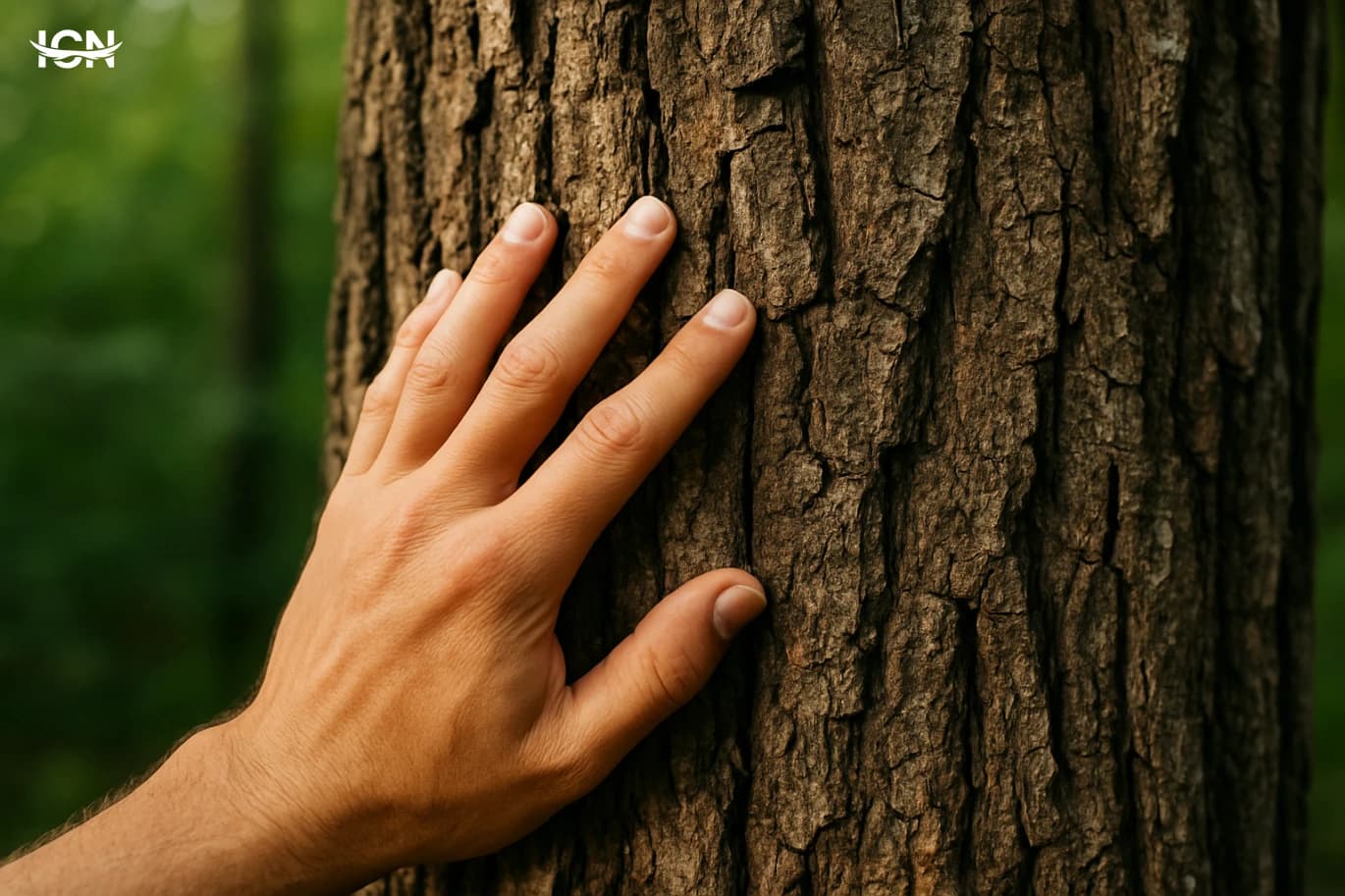
Bark is one of the most reliable features for identifying trees when leaves are out of reach, missing, or seasonal. In many parks and natural areas, you may only see the trunk and lower branches, especially in dense understory or along trails where pruning keeps canopies high. Bark also changes more slowly than foliage, so it can help you recognize a tree across different times of year. For beginners, it offers a practical entry point: you can compare textures, colors, and patterns without needing binoculars or a full botanical key. Beyond identification, bark tells a story about how a tree grows and copes with its environment. Thickness can hint at exposure to sun and heat, while deep fissures may reflect age and growth rate. Peeling layers can indicate a strategy for shedding lichens or parasites, and smooth bark can be linked to rapid growth or shade tolerance in certain species. Learning to “read” bark turns a walk into a structured observation exercise, and it builds skills that transfer to recognizing wild plants by stems, buds, and other non-flowering traits.
Reading Trees Through Their Bark
Bark is one of the most practical features for identifying trees when leaves are out of reach, missing, or seasonal. In parks, roadside plantings, and natural woodlands, the trunk is often the only part you can examine closely. Bark also stays visible year-round, which makes it useful in winter walks or in dry seasons when foliage is sparse. For beginners, learning bark patterns can turn a confusing stand of trees into a readable landscape. Beyond identification, bark tells you about how a tree grows and copes with its environment. Thickness, texture, and cracking patterns can reflect age, growth rate, and exposure to sun and wind. Some species develop deep furrows to accommodate expansion, while others keep smooth bark that sheds in thin sheets. Bark can also hint at stress: unusual peeling, dark wet patches, or extensive scarring may point to drought, mechanical damage, or disease pressure. This article focuses on practical observation methods you can use on a walk, without tools or lab tests.
Reading Tree Rings in Urban Parks
Tree rings are not just a forestry detail; in urban parks they act like a practical archive of local conditions. Each ring generally reflects one year of growth, and its width can hint at whether that year provided steady water, intense heat, or other stresses. In cities, trees face a mix of challenges that are different from forests: compacted soil from foot traffic, heat from pavement, irregular irrigation, and pruning schedules. When you learn what rings can and cannot tell you, you gain a grounded way to discuss how a park has changed over time. For residents, this matters because urban trees are part of public infrastructure. They cool streets, intercept rainfall, and improve air quality, but they also require planning and maintenance budgets. Ring patterns can support conversations about which parts of a park are chronically dry, where soil conditions limit growth, or how a change in watering practices affected tree health. The goal is not to turn every visitor into a dendrochronologist, but to use ring evidence as a clear, local story about climate, maintenance, and site design.
Reading Trees Through Their Bark
Bark is more than a rough outer layer. It is a working system that protects a tree from drying winds, sudden temperature swings, and everyday knocks. The outer bark shields the living tissues underneath, while the inner bark helps move sugars made in the leaves down to roots and growing tips. When you learn to notice bark patterns, you can often identify a tree even when it has no leaves, flowers, or fruit. That is especially useful in winter walks, dry seasons, or in places where trees shed leaves for long periods. Bark also records a tree’s history. Scars from old branch breaks, fire marks, insect activity, and healed wounds can remain visible for years. Some species form deep ridges as they age, while others keep a smooth surface that flakes in thin sheets. By paying attention to texture, color, and the way bark peels or cracks, you can make better observations about the tree’s health and the conditions it has lived through. This topic focuses on practical field cues that any careful walker can use, without needing lab tools or advanced botany.
Reading Tree Leaves Like a Field Guide
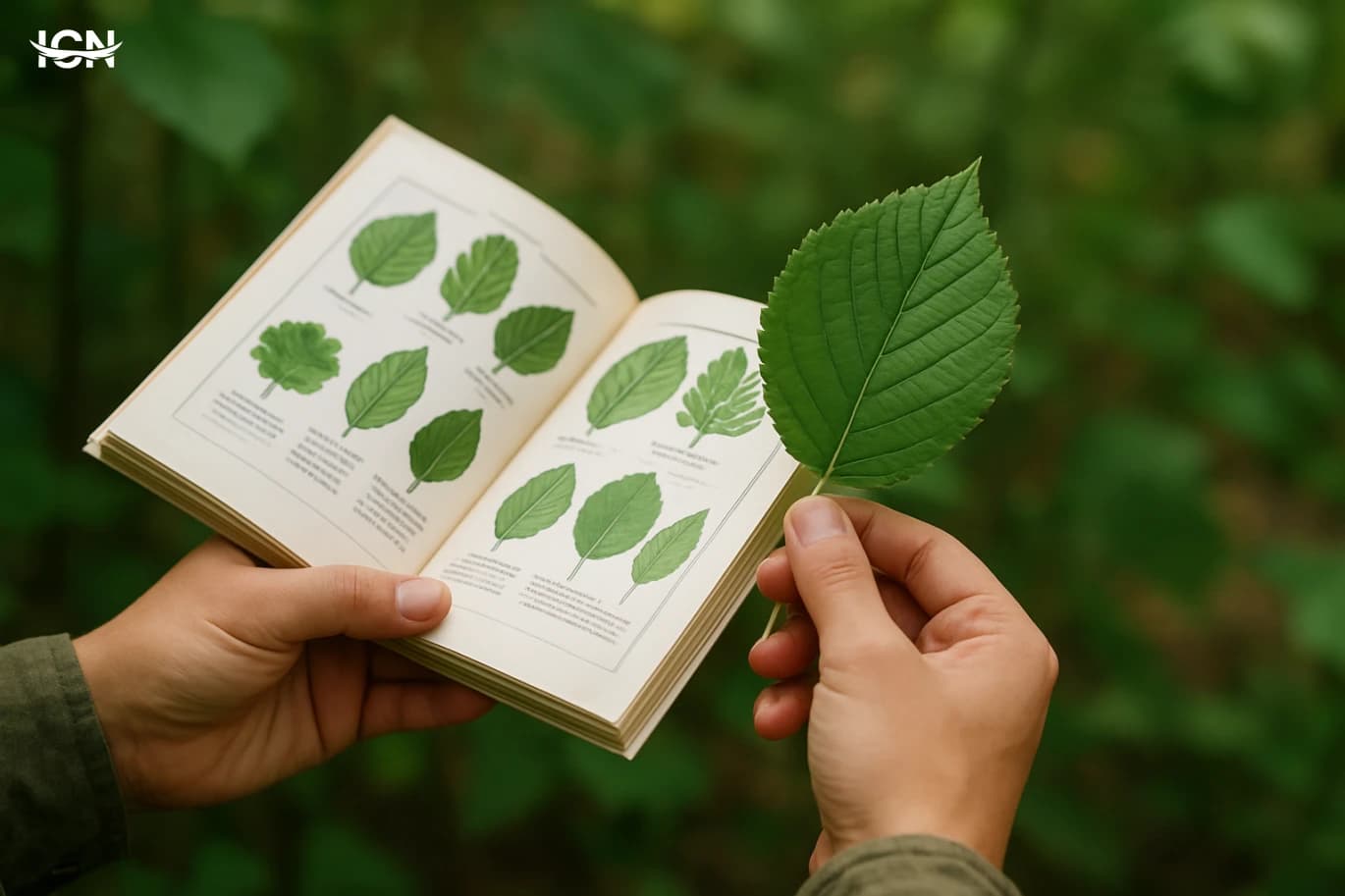
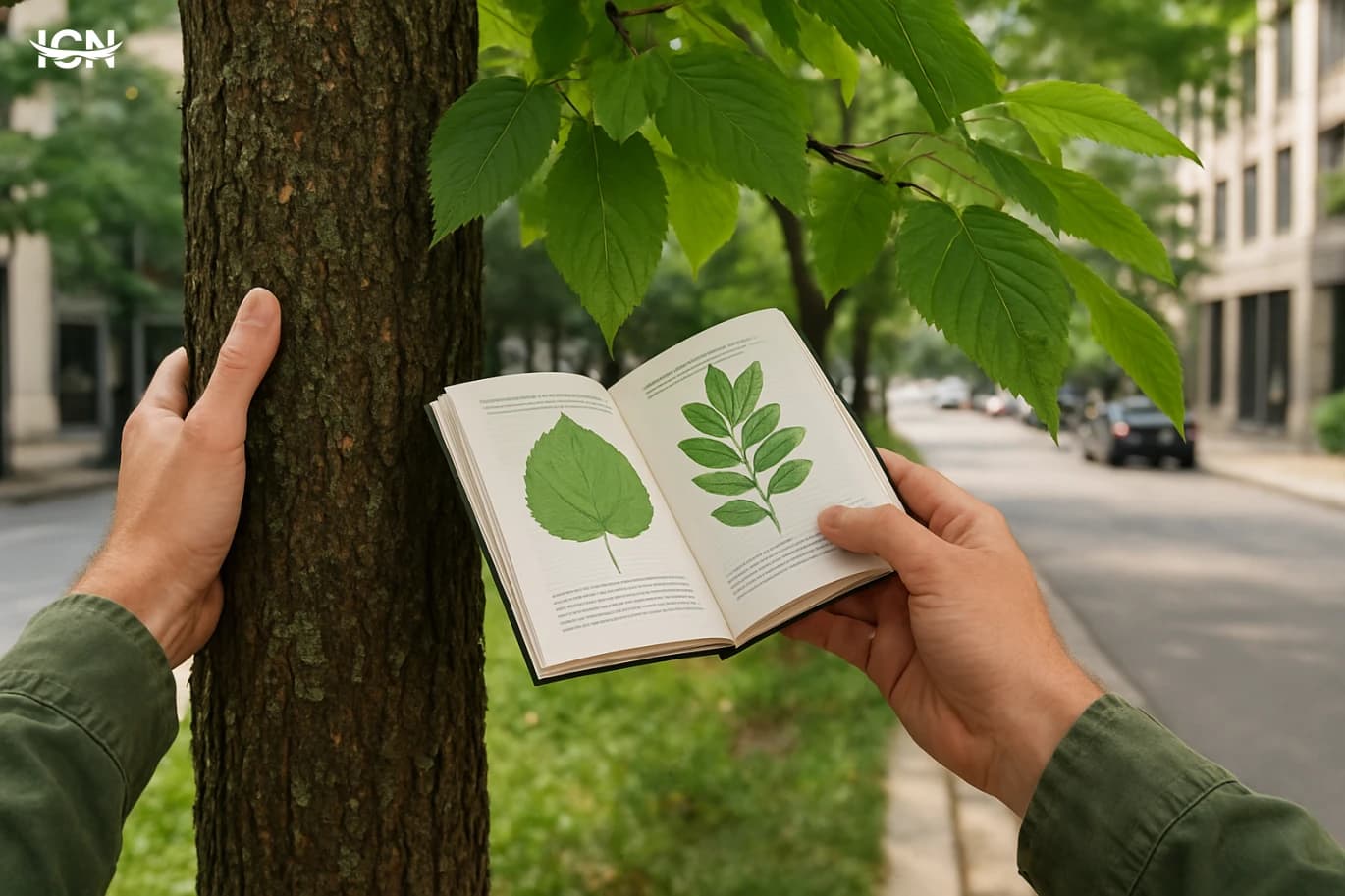
When you are trying to identify a tree or a wild shrub, leaves usually give you more usable information than bark, flowers, or fruit. Leaves are present for long stretches of the year in many regions, they are easy to reach, and they show consistent patterns that can be checked in seconds. A practical approach is to treat each leaf as a set of measurable features: how it attaches to the twig, whether it is a single blade or divided into leaflets, the overall outline, and the edge shape. This topic focuses on leaf-based identification that works for hikers, gardeners, students, and anyone who wants to name what they see without carrying a heavy reference book. It also helps you avoid common mistakes, like confusing a young sapling with a different species because the bark has not matured yet. By the end, you should be able to narrow many unknown trees to a family or genus using only a few observations and a phone photo for later confirmation.
Reading Tree Rings in Local Parks
Tree rings are not just a scientific curiosity; they are a practical record of how a tree has lived through changing conditions. Each ring generally represents one year of growth, and the width and texture of that ring reflect how favorable that year was. In a wet, mild season, many trees lay down a wider band of new wood; in a dry or stressful season, the ring can be noticeably thinner. This makes rings a useful way to understand local patterns such as drought years, unusually cool springs, or periods when a tree faced competition for light. For readers who spend time in city parks or community green spaces, ring stories can connect everyday landscapes to real environmental history. A mature oak or pine in a neighborhood park may have been growing through decades of heat waves, construction nearby, changes in irrigation, and shifts in air quality. When you learn what rings can reveal, you start seeing trees as long-term witnesses. The goal is not to turn a casual walk into a lab exercise, but to gain a grounded way to talk about resilience, stress, and stewardship in the places people actually visit.
Reading Forest Health Through Leaves
Leaves are the fastest, most visible indicator of what a tree is experiencing, often weeks before problems show up in growth rings or canopy loss. In the Trees & Wild Plants world, learning to “read” leaves is a practical skill for hikers, gardeners, landowners, and anyone who wants to understand local ecosystems without lab equipment. A single walk can reveal patterns: a cluster of pale leaves on one slope, scorched edges near a road, or unusual spotting after a humid spell. These clues are not just cosmetic; they reflect water stress, nutrient availability, air quality, soil conditions, and pest pressure. This topic focuses on field-ready observation rather than technical diagnosis. The goal is to help readers notice consistent signals, compare them across species, and avoid common misreads. Leaf symptoms can look similar even when causes differ, so context matters: season, recent weather, soil type, and the tree’s position in the landscape. By combining leaf appearance with simple site notes, you can build a reliable picture of plant health and make better decisions about care, conservation, or further investigation.
Reading City Trees Like a Field Guide
Urban trees are not just decoration; they are living records of planning choices, local climate, and everyday maintenance. A single street can contain species selected for shade, root behavior, salt tolerance, or resistance to pests. Learning to “read” these trees turns a routine walk into a practical field lesson: you can identify what thrives in compacted soil, which species cope with heat reflected from pavement, and how pruning styles affect long-term structure. This topic focuses on observation rather than specialized equipment. With a notebook and a phone camera, you can build a reliable habit of noticing bark, buds, leaves, and the space around the trunk. Over time, you will recognize patterns such as why some trees fail repeatedly in the same planting pits, or why certain neighborhoods have a consistent canopy type. The goal is to make tree knowledge usable for residents, students, and anyone who wants to understand the green infrastructure they pass every day.
Foraging Wild Herbs Safely in City Parks
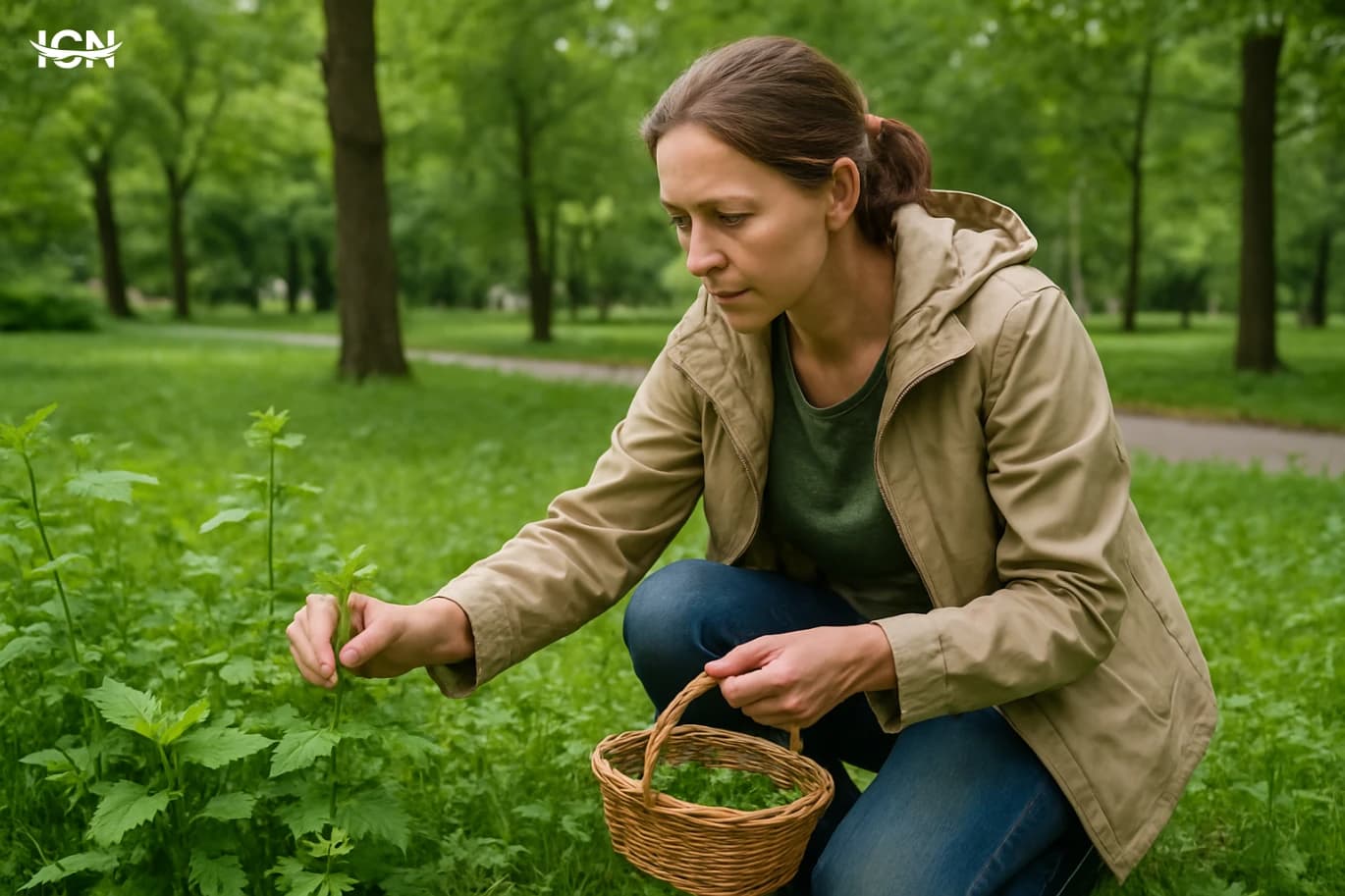
Urban foraging has moved from a niche hobby to a practical interest for many city residents. Rising food prices, curiosity about local biodiversity, and the popularity of seasonal cooking have pushed people to look at parks, riverbanks, and vacant lots differently. In many cities, you can find edible wild greens such as dandelion leaves, chickweed, and plantain, along with aromatic plants like wild mint, depending on climate and maintenance practices. At the same time, city landscapes are complex. A park can contain native trees, imported ornamentals, and spontaneous “weeds” growing in disturbed soil. That mix creates opportunities and risks: some plants are nutritious, others are toxic, and some are edible only at certain stages. A serious approach starts with understanding that urban foraging is not a shortcut to free food; it is a skill that requires identification, local knowledge, and respect for public spaces.
Urban Foraging Without Harming Wild Trees
Urban foraging has moved from a niche hobby to a mainstream interest in many cities, driven by rising food prices, curiosity about local ecosystems, and the popularity of seasonal cooking. In parks, along river paths, and even on quiet residential streets, people notice fruiting trees, edible weeds, and aromatic shrubs that were previously ignored. This trend also reflects a broader shift toward practical nature literacy: learning what grows nearby, when it appears, and how it fits into local biodiversity. However, city landscapes are not the same as remote forests. Urban trees and wild plants often grow in stressed conditions: compacted soils, limited water, heat islands, and frequent pruning. Many are also part of planned green infrastructure, meaning they serve public functions such as shade, stormwater management, and habitat. Foraging in these settings can be responsible and beneficial when done carefully, but it can also cause damage if people strip bark, break branches, or harvest too aggressively. A serious approach starts with understanding that the goal is not maximum yield; it is low-impact collection that respects public spaces and living trees.
By clicking the SUBSCRIBE button, you are agreeing to our Privacy & Cookie Policy If you want to unsubsribe the marketing email, please proceed to our privacy center.
© 2005-2026 ICN. All Rights Reserved.