Menopause symptoms

- Introduction to menopause
- Hormonal changes and their impact
- Common physical symptoms
- Psychological and emotional symptoms
- Symptoms associated with anemia and health changes
Introduction to menopause
A. Definition of menopause Menopause is the stage in which a woman stops menstruating, and it usually occurs between the mid-forties to the early fifties. This stage is considered a natural result of a woman's transition into old age, where hormones shift and physical changes begin. for. The importance of understanding the symptoms associated with it Understanding the symptoms that accompany menopause is crucial, because it helps women adapt to the changes they may face. Common symptoms include hot flashes, mood changes, and lack of energy. Awareness of these symptoms can contribute to reducing stress and improving quality of life.
Hormonal changes and their impact
A. Low levels of estrogen and progesterone The levels of the hormones estrogen and progesterone decrease significantly during menopause. This change affects the body's balance and leads to the appearance of a group of different symptoms. for. The effect of hormonal changes on the body Hormonal changes affect many aspects of health, such as the cardiovascular system, bone density, and skin health. Women may feel changes in weight and the body's response to stress. Therefore, it is important to understand these effects and consult doctors to get appropriate advice to support and adapt to this new phase.
Common physical symptoms
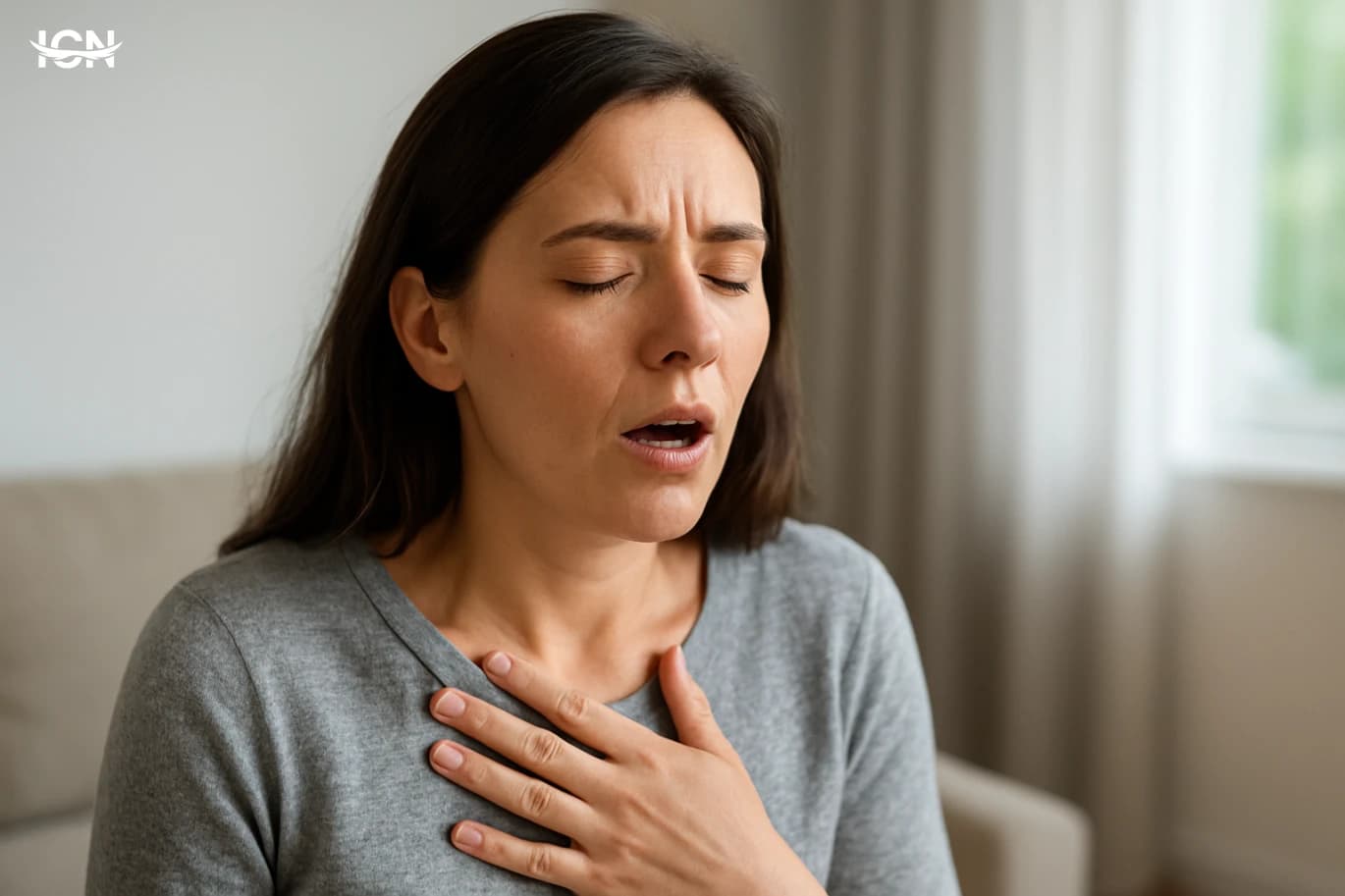
A. Hot flashes and night sweats Many women during menopause experience hot flashes and night sweats. These symptoms cause discomfort and affect sleep quality, making daily life more challenging. for. Vaginal dryness and pain during intercourse As hormone levels decrease, women may suffer from vaginal dryness, which leads to a feeling of discomfort during sexual intercourse. This could negatively affect the marital relationship. It is important to note that these symptoms are normal and appear commonly, but it is necessary to discuss them with specialists to obtain appropriate solutions and assistance.
Psychological and emotional symptoms
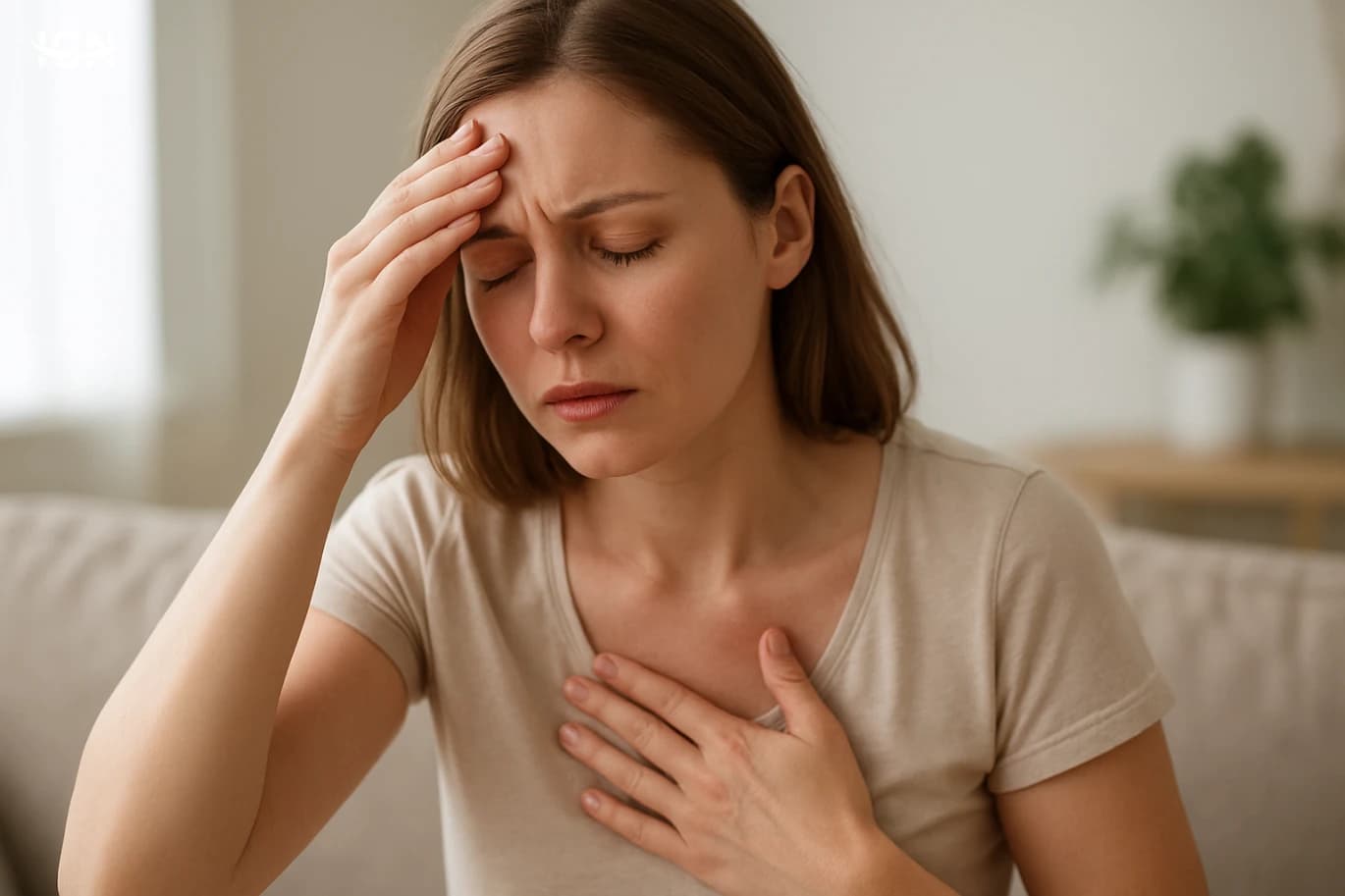
A. Mood swings and anxiety: Many women during menopause suffer from mood swings and anxiety. These symptoms reflect hormonal changes and may lead to feelings of sadness or stress. It is important for women to realize that these feelings are normal and that they are not alone in their experience. for. Sleep disturbances and the need for rest. Many women face difficulty sleeping due to the psychological and physical changes during this stage. This can lead to a constant feeling of fatigue and exhaustion. It is important to talk to specialists to get the support and advice needed to overcome these challenges.
Symptoms associated with anemia and health changes
A. Weak bones and increased fragility. Low levels of iron in the body can affect bone health. Many women suffer from osteoporosis, which increases the risk of fractures and injuries. Nutritional balance and adequate intake of nutrients can help promote bone health and reduce associated risks. for. Increased risk of heart disease Research suggests that poor iron levels may be associated with an increased risk of heart disease. Iron deficiency can affect cardiovascular health, as the body needs iron to produce hemoglobin. Therefore, it is recommended to maintain a healthy and balanced diet to reduce these risks.