App Logo

Download Our App

Shop your way

logologo
Image

Meat nail how to prevent and treat it

03/16/2025By: ICN
Meat nail how to prevent and treat it

Nail meat: definition and reasons

The definition of the meat nail nail is an abnormal bumper formed on the skin, and is often painful when pressed. They usually appear in frictional areas, such as heel or toes. The causes and contributing factors are the many causes of the appearance of meat nails, as it occurs as a result of frequent pressure on the skin, which leads to the formation of a thick layer of cells. Factors that contribute to this include wearing tight or inappropriate shoes, weight gain, as well as some medical conditions such as arthritis. People with this problem should consult a doctor to determine the appropriate treatment.

How to prevent meat nail

Hygiene and daily care, individuals should keep their feet smoothness by cleaning and moisturizing them constantly. It is also preferable to trim the nails regularly to avoid unnecessary pressure on the skin. Using shoe protectors can reduce the chances of the emergence of meat nails by using special shoes or supports, which help avoid excessive friction. It is also recommended to choose comfortable shoes with a suitable size to secure adequate support for the feet. In these ways, the feet healthy can be improved and the risk of developing a flesh of meat.

Treating the meat nail medically

Visit the doctor and the diagnosis, individuals with meat nail must visit a specialist to determine the cause of the problem. The necessary tests will be performed to accurately diagnose the condition, which helps in developing an appropriate treatment plan. Available therapeutic options include treatment options to remove meat nail using medical tools. The doctor can also prescribe medications to relieve pain and swelling. In some cases, physical therapy can be recommended to strengthen the muscles surrounding the feet. It is important to follow the directives of the doctor to improve the condition and avoid relapses.

Home remedies for a meat nail

Using natural remedies can experience some natural remedies, such as using olive oil or coconut oil to moisturize the affected area and relieve pain. Some herbs, such as aloe vera, may also help calm the skin and reduce inflammation. Simple therapeutic techniques at home can be practices such as soaking the feet in warm water with sea salt can contribute to relieving pain and improving the nail condition. Futured stone can also be used gently to excess skin, which helps prevent the problem from exacerbating. Keeping the feet clean and dry is an essential part of home care.

Possible complications for not treating the meat nail

Swelling and irritation The meat nail treatment can increase swelling and irritation in the region, causing a feeling of discomfort and constant pain. These symptoms are signs of exacerbation of the problem, which requires greater attention. Infection and healthy complications if the screw is left without treatment, this may lead to the possibility of infection. The germs may be transmitted to cracking skin, which leads to inflammatory signs and severe pain. In severe cases, health complications can develop and affect the ability to move naturally. Therefore, it is recommended to go to medical care when the symptoms of the meat nail appear.

* All articles published on this blog are sourced from various websites and are provided for informational purposes only. They should not be considered as confirmed studies or accurate information. Please verify the information independently before relying on it.

Similar ARTICLES

Luxury Jewelry as Couture’s Finishing Signature
In high fashion, the garment is rarely the final statement. Couture is built on precision: hours of handwork, controlled volumes, and fabrics chosen for how they move under light. Luxury jewelry completes that work by adding a second layer of design that sits closer to the viewer’s eye and often closer to the wearer’s identity. A dress can establish silhouette and mood, but jewelry sets the focal points: the line of the neck, the framing of the face, the rhythm of the wrists, and the balance between minimalism and spectacle. The relationship is practical as much as aesthetic. Couture ateliers plan fittings around how a neckline will accommodate a necklace, how a sleeve will allow a bracelet to sit without snagging, and how earrings will read in motion. Stylists and jewelry houses also consider the “camera reality” of modern fashion: runway lighting, editorial flash, and smartphone video. Stones and metals are selected not only for rarity but for how they reflect, absorb, or soften light. In this sense, luxury jewelry is not an accessory added at the end; it is a finishing signature that can refine, modernize, or even redirect the message of a couture look.
Metal or Paper Nail File Choice
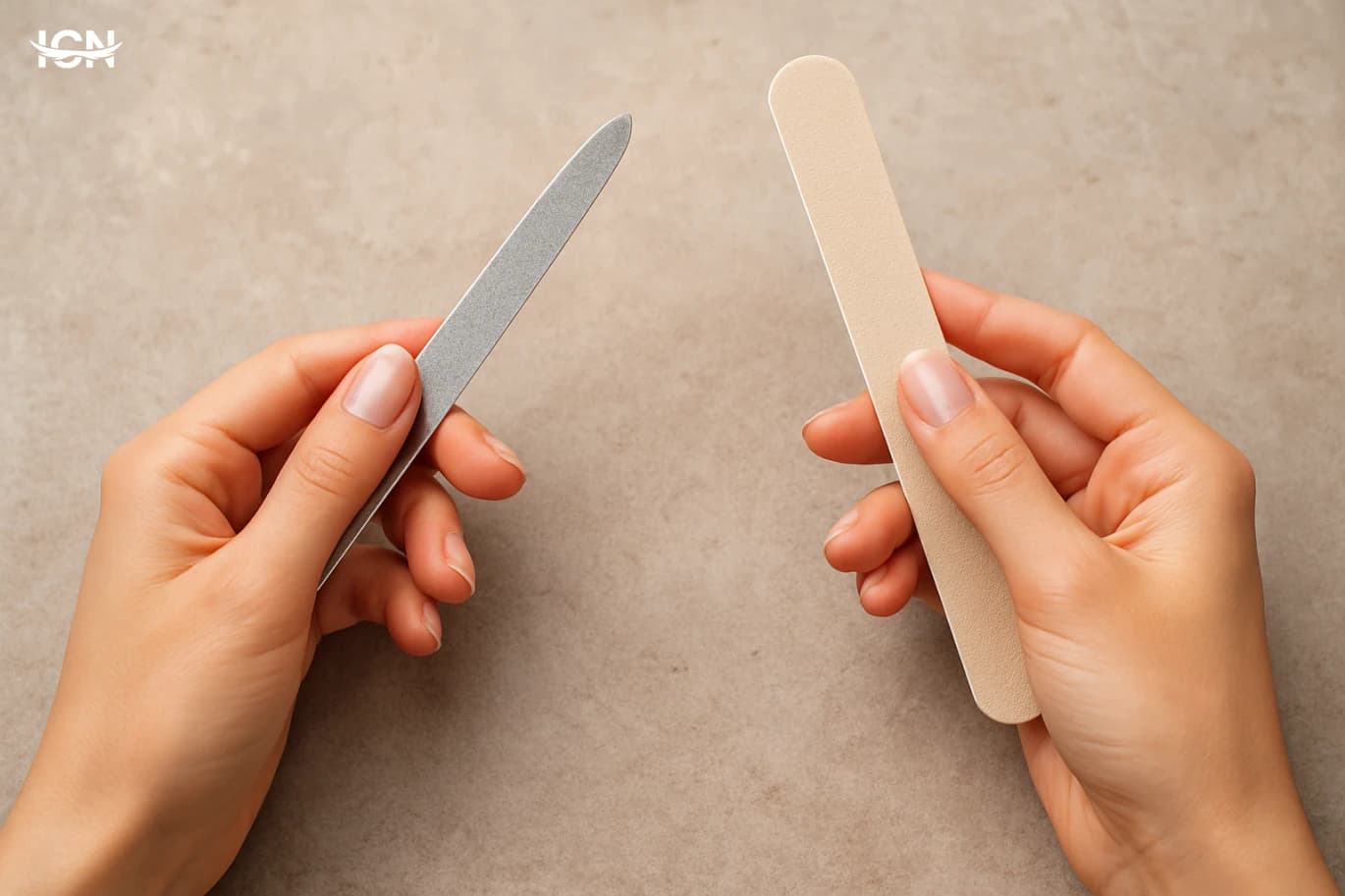
A nail file is not just for shortening length; it shapes the free edge and smooths tiny irregularities that can turn into splits. The difference between metal and paper files is mainly the surface structure and how it interacts with the nail plate. Nails are made of layered keratin. When the edge is filed with a surface that is too coarse or too rigid, those layers can lift slightly, creating a rough edge that catches on fabric and encourages peeling. A metal file is typically a rigid tool with etched grooves or a textured coating. It removes material quickly and keeps its shape over time. A paper file is usually an emery board: a flexible core with abrasive grit bonded to it. That flexibility matters because it can follow the curve of the nail and reduce pressure points. In practical terms, the “better” option depends less on brand and more on nail condition, filing technique, and how often you file.
Why Freckles Peak in Summer
Freckles often look darker and more numerous in summer because the skin is responding to a different environment, not because new “spots” are suddenly appearing from nowhere. The main shift is higher ultraviolet (UV) exposure from longer days, stronger sun angles, and more time outdoors. UV light stimulates melanocytes, the pigment-producing cells, to make more melanin as a protective response. In freckle-prone skin, that melanin tends to cluster in small, well-defined areas, so the contrast becomes more obvious. Heat and humidity also change how skin behaves. Higher temperatures increase blood flow and can make the skin look more flushed, which can make freckles stand out. Sweat and oil production rise, and many people cleanse more aggressively or use heavier products, which can irritate the skin barrier. When the barrier is stressed, the skin can become more reactive to sunlight and more likely to show uneven pigmentation. Summer routines also include activities that increase incidental UV exposure—driving with sunlight through windows, walking during midday, or sitting near reflective surfaces like water, sand, or light pavement. It is important to separate freckles from other pigment changes. Freckles are usually small, flat, and tan-to-brown, and they often fade in cooler months. Other marks, such as sunspots (lentigines) or post-inflammatory hyperpigmentation from acne, can persist year-round and may need different management. If spots change shape, color, or behavior, a professional skin check is the safest step.
How Men’s Cosmetic Surgery Reset Modern Handsomeness
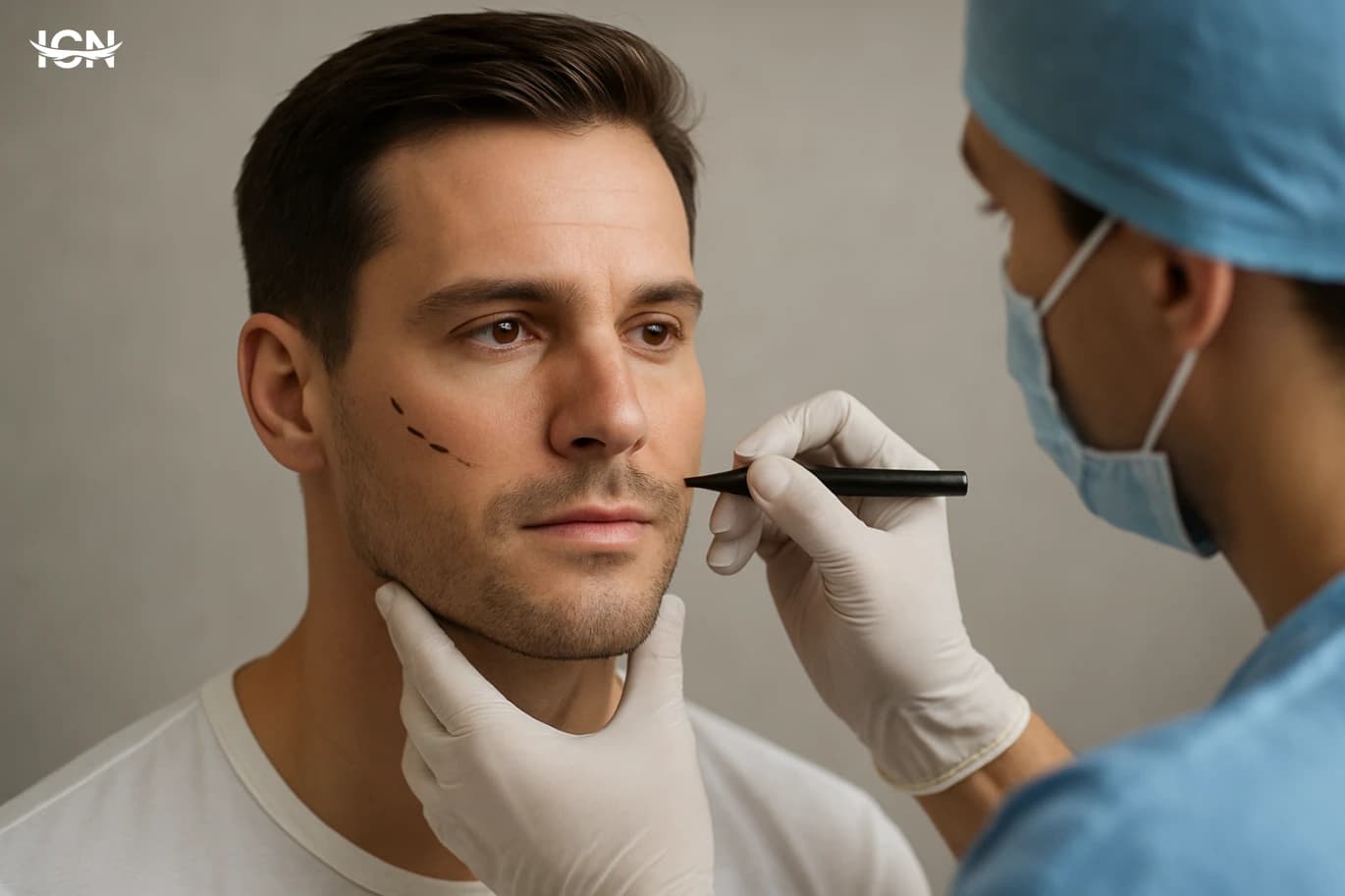
For decades, cosmetic procedures were marketed mainly to women, while men were expected to “age naturally” and treat grooming as a private matter. That boundary has shifted. In many cities, men now book consultations as routinely as they book dental cleanings or haircuts, and clinics increasingly design waiting rooms, websites, and aftercare instructions with male patients in mind. The change is not only about access; it has altered what people consider a “normal” level of facial symmetry, skin quality, and body definition for men. A key driver is visibility. Before-and-after images, influencer content, and celebrity interviews have normalized the idea that a sharper jawline or smoother under-eye area can be a planned outcome rather than luck or genetics. The result is a new baseline: a well-rested look, a defined profile, and a tidy hairline are increasingly treated as standard components of contemporary handsomeness. This does not mean every man wants surgery, but it does mean the reference points for “looking good” have moved closer to curated, clinic-assisted aesthetics.
Summer Heel Rescue in One Night
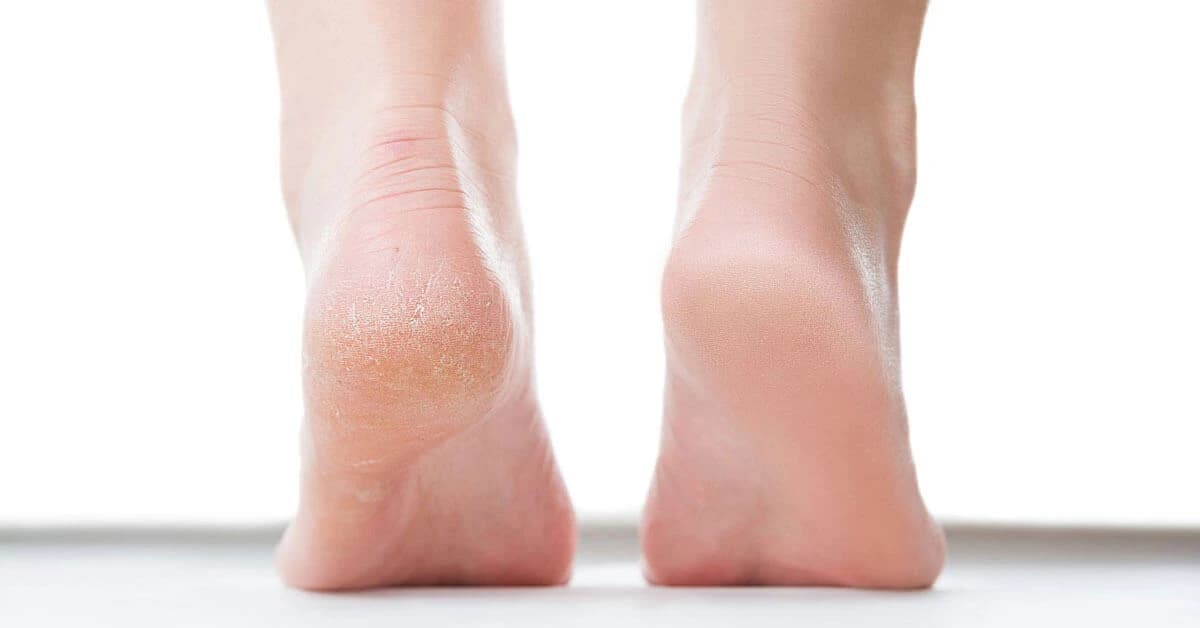
Heel cracks are rarely about “dry skin only.” In summer, several practical factors stack up: open-back shoes increase friction, sand and dust act like mild abrasives, and frequent showers or pool time can strip the skin’s protective oils. Add long walks on hot pavement and you get thicker, harder skin on the heel that loses flexibility. When that stiff layer bends with every step, it can split into visible lines and painful fissures. Another overlooked issue is how quickly feet dehydrate in heat. Sweat evaporates fast, and many people skip moisturizing because feet feel “already damp.” The result is a surface that looks fine during the day but becomes rough after it dries. If you also use harsh soaps, alcohol-based sanitizers, or very hot water, the skin barrier weakens further. The goal of any fast home remedy is therefore twofold: soften the thickened layer and lock water into the skin so it stays flexible.
More Care for Busy Families at Home
More Care is not about doing everything perfectly; it is about building small, reliable habits that protect health, reduce stress, and keep a household running smoothly. For busy families, care often breaks down in predictable places: rushed mornings, skipped meals, forgotten appointments, and clutter that makes simple tasks harder. A practical definition is “consistent attention to essentials,” such as sleep, hydration, basic nutrition, hygiene, and safe routines. When these are stable, families have more time and energy for work, school, and rest. A useful way to think about More Care is to separate urgent tasks from important routines. Urgent tasks are the ones that shout, like a late school form or an empty fridge. Important routines are quiet but powerful, like preparing tomorrow’s water bottles, keeping a simple first-aid kit stocked, or setting a weekly check-in for schedules. This topic focuses on realistic steps that fit into a normal week, including how to share responsibilities across adults and age-appropriate tasks for children. The goal is not a strict system; it is a flexible structure that makes care easier to deliver every day.
Sea Sand Skincare That Actually Works
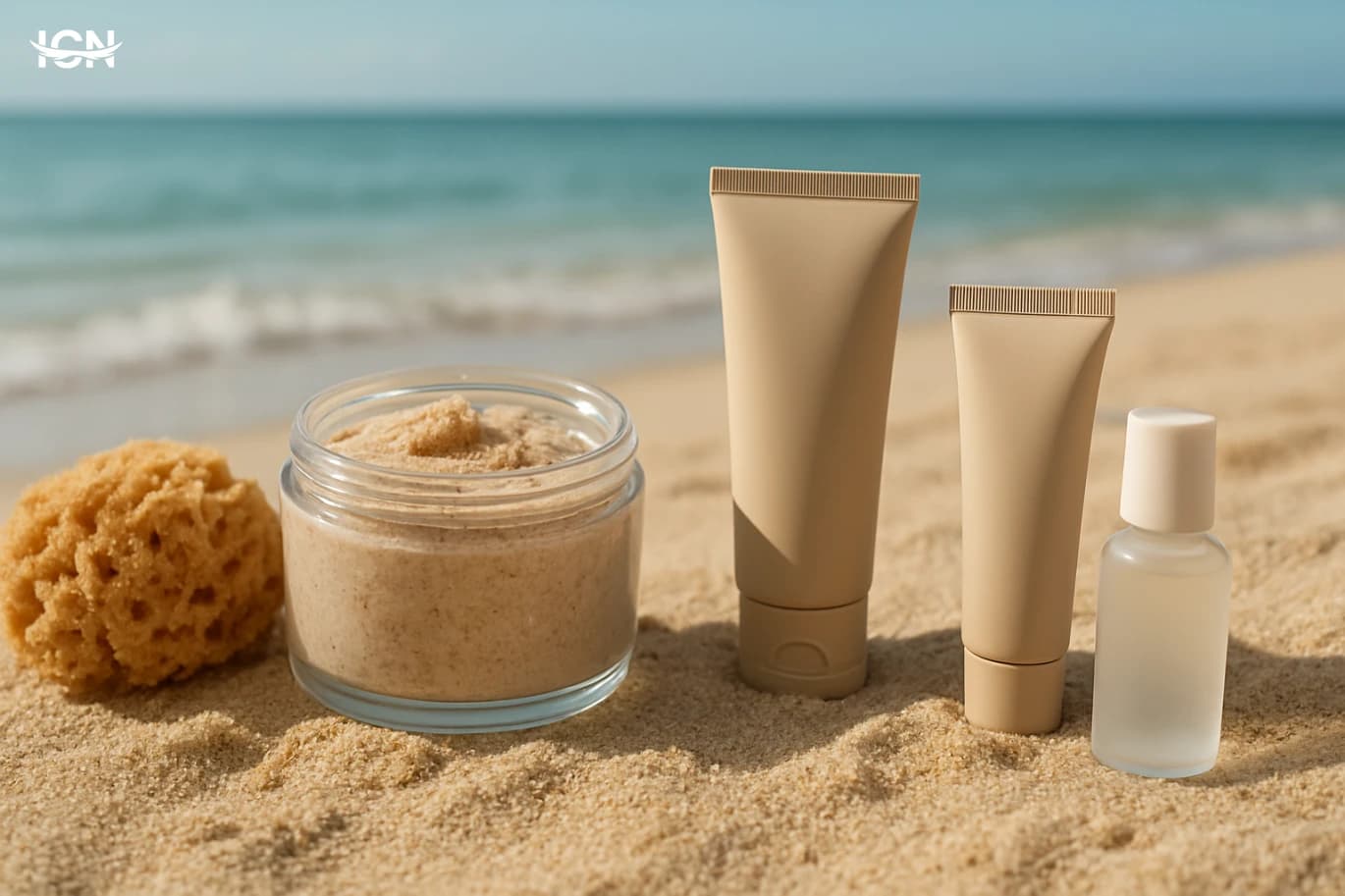
Sea sand is not a single material; it is a mix of tiny mineral grains shaped by waves and time. What makes it useful for skin is its physical texture: many grains are rounded enough to glide, while still providing gentle friction that can lift dull surface buildup. Compared with some harsh body scrubs made from large sugar crystals or sharp nut shells, fine beach sand can feel more even on the skin when used carefully and briefly. Another reason sea sand stands out is the environment around it. Sand at the waterline is naturally damp, which helps it spread and reduces scratchiness. The saltwater nearby also changes the experience: salt can help soften and loosen surface debris, while the cool temperature of wet sand can feel calming after sun exposure. The key is to treat sand as a short, controlled exfoliation step rather than a daily habit.
More Care for Everyday Medication Safety
Medication routines often look simple: a pill in the morning, a refill once a month, a pain reliever when needed. In practice, small gaps in attention can create avoidable problems such as missed doses, accidental double-dosing, or mixing products that should not be combined. More Care in this context means building a system that reduces reliance on memory and makes the safe choice the easy choice. Everyday risk points are predictable. Similar packaging can lead to mix-ups, especially when multiple family members keep medicines in the same drawer. Over-the-counter products can contain overlapping ingredients, such as acetaminophen, which increases the chance of exceeding the daily limit. Travel, schedule changes, and busy mornings can disrupt routines. A practical safety plan focuses on clear labeling, consistent storage, and a simple method to track what was taken and when.
The Wide Forehead Beauty Advantage
A wide forehead is often read as a clear, open facial area that gives the eyes and brows more visual space. In many beauty contexts, that extra space helps the face look brighter and more balanced, especially when the brow line is well-defined and the skin is even in tone. Photographers and makeup artists frequently note that a broader forehead can “carry” light well, which supports a clean, fresh look in both natural daylight and studio settings. From a proportions perspective, people tend to respond to faces that look harmonious rather than perfectly symmetrical. A wide forehead can contribute to that harmony by creating a smooth transition from hairline to brows, and by making the mid-face appear less crowded. This is one reason why certain hairstyles and editorial looks intentionally reveal more of the forehead: it can project confidence, clarity, and a modern aesthetic without needing heavy styling. Importantly, the wide-forehead look is not a single template. It can appear with straight, arched, or soft brows; with different hair textures; and across a wide range of face shapes. What makes it “beautiful” in practice is how it works with the rest of the features—skin quality, brow grooming, and styling choices—rather than the measurement itself.
Small Moles and Facial Charm
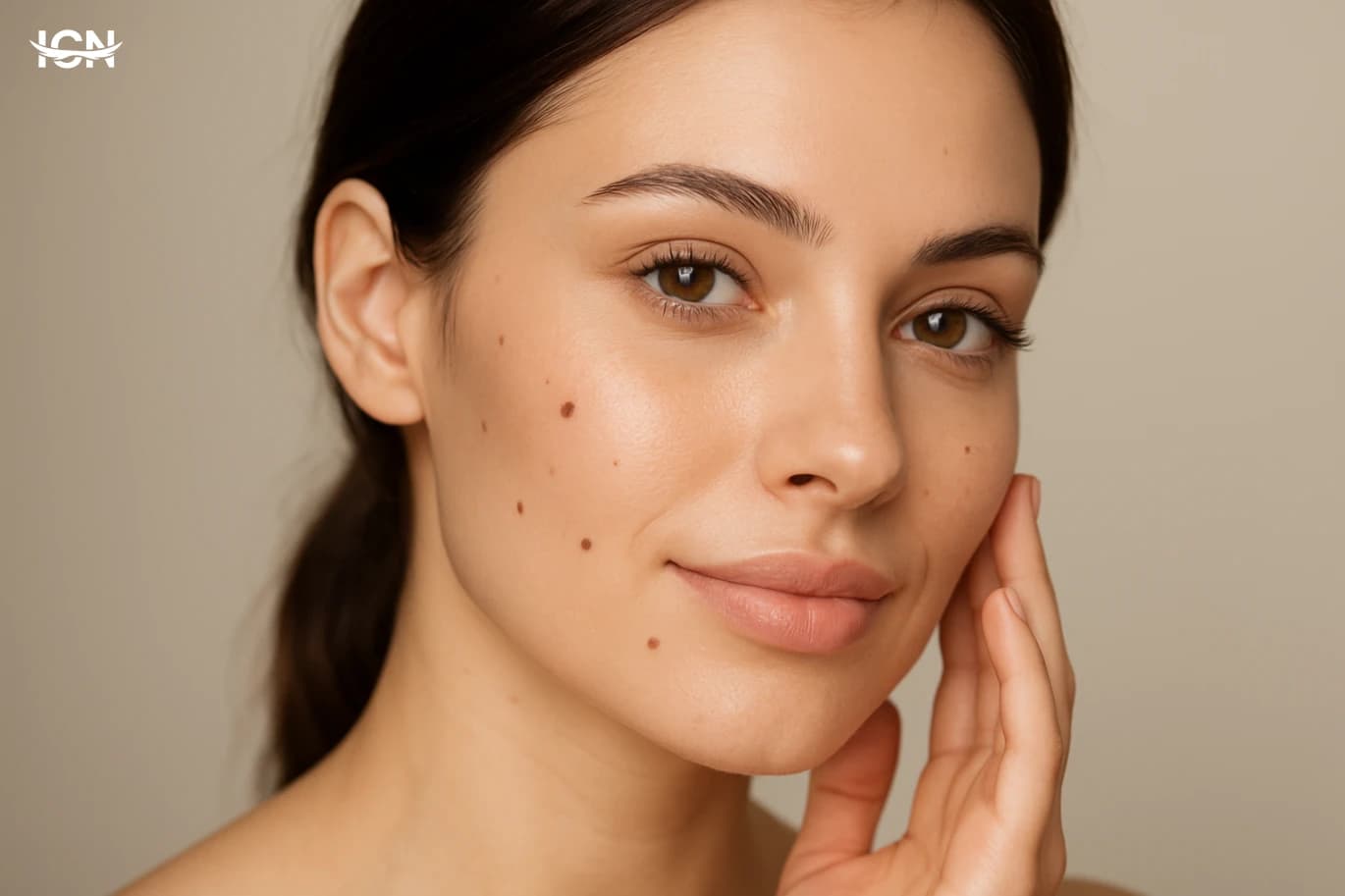
A small facial mole often draws attention because it creates a clear focal point on otherwise uniform skin. In visual terms, the eye naturally notices contrast, and a mole can act like a subtle marker that helps define the face’s overall composition. When it sits near the cheek, above the lip, or close to the eye, it can highlight nearby features by giving the viewer a reference point. This is one reason many people describe a “beauty mark” as memorable even when it is only a few millimeters wide. Cultural media has also shaped how people interpret these marks. In photography, cinema, and fashion, a distinct mole has been associated with individuality and recognizability. Viewers may remember a face more easily when there is a small, consistent detail that appears in every angle and expression. This does not mean a mole is required for attractiveness; rather, it shows how small details can influence perception, especially in close-up images and social media where faces are viewed repeatedly. Importantly, the appeal of a mole is not only about location. The overall harmony matters: skin tone, facial symmetry, and grooming choices can make a mole appear either prominent or barely noticeable. Many women who like their mole emphasize it with minimal makeup, while others prefer to soften it with coverage. Both approaches can look polished when they match the person’s style and when the skin around the mole is healthy and evenly cared for.
Pro Methods to Clean Makeup Sponges
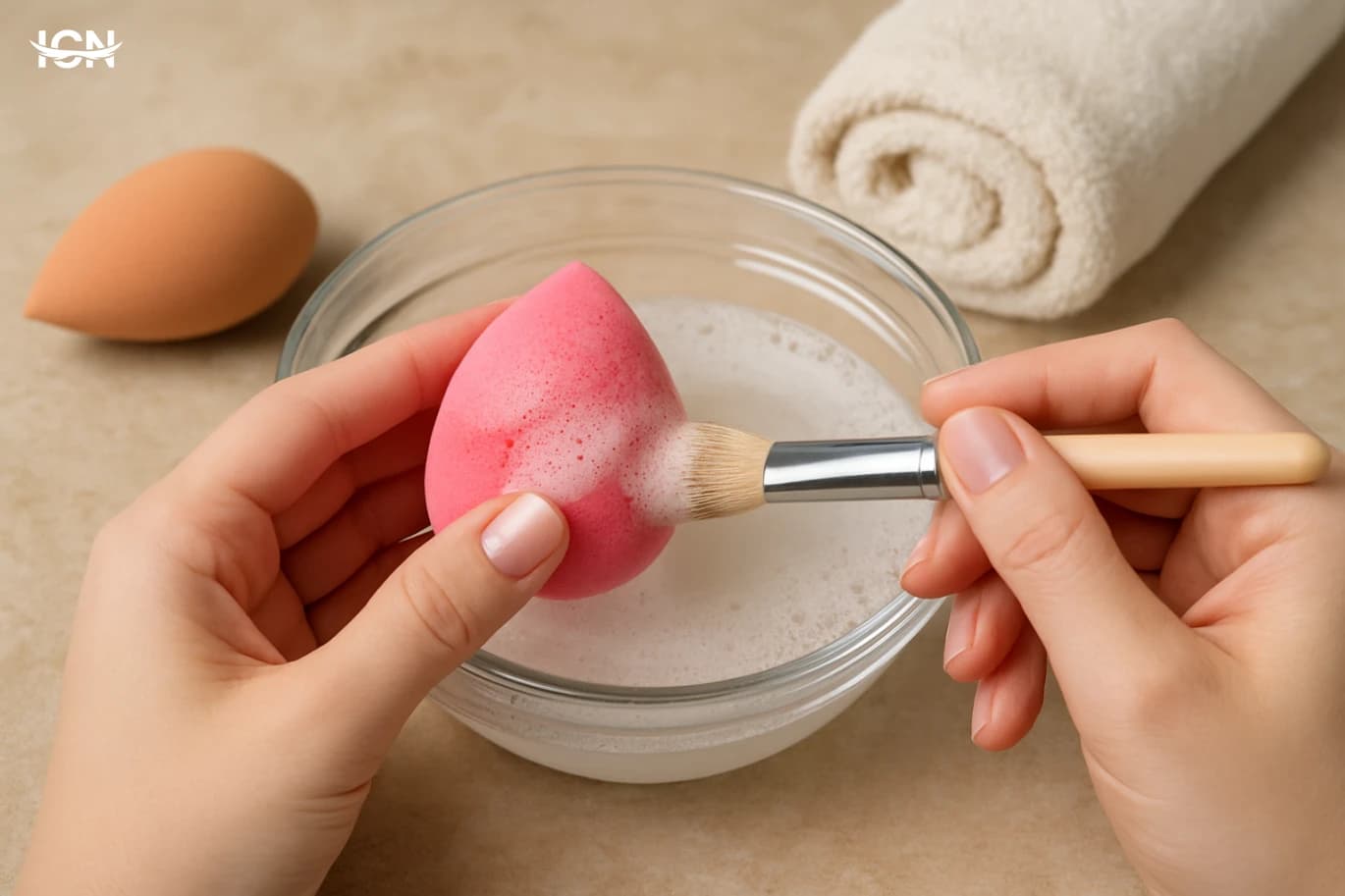
Makeup sponges sit at the intersection of moisture, skin oils, and product residue. That combination can quickly turn a soft tool into a surface that transfers old foundation back onto the face, dulls the finish, and shortens the sponge’s life. When a sponge stays damp for hours, it also becomes harder to fully rinse, because residue settles deeper into the pores. The result is often uneven blending, patchy coverage, and a “muddy” look that people mistakenly blame on the foundation itself. Professional artists treat sponges like consumables with a strict routine: frequent cleaning, thorough drying, and timely replacement. Hygiene is not only about cleanliness; it is also about performance. A clean sponge expands evenly when wet, bounces back faster, and distributes product in a controlled way. If you notice a persistent odor, discoloration that does not fade after washing, or a sponge that feels slimy even when rinsed, those are practical signs that your routine needs an upgrade.
Natural Sun Care for Hot Days
Many people look for “natural alternatives to sunscreen” to reduce chemical exposure, simplify routines, or use what is already available at home. It is important to set expectations: no kitchen ingredient reliably provides the broad, tested protection of a regulated sunscreen, especially against UVA, which contributes to long-term skin damage. Oils, butters, and plant extracts may reduce dryness, support the skin barrier, or offer mild antioxidant benefits, yet they do not replace a product with a verified SPF and UVA rating. A practical approach is to treat natural options as supportive measures and focus on proven heat and sun strategies: shade, timing, protective clothing, and smart reapplication when you do use sunscreen. If you choose to rely on home-based methods on low-exposure days, do it with clear limits: avoid peak sun hours, keep exposure short, and watch for early signs of redness or warmth. People with very fair skin, a history of sunburns, or pigment issues should be especially cautious. This article focuses on realistic, home-friendly steps that reduce sun load and help the skin cope with summer heat. It also highlights which “natural SPF” claims are unreliable, so you can avoid common mistakes that lead to burns and uneven tanning.
By clicking the SUBSCRIBE button, you are agreeing to our Privacy & Cookie Policy If you want to unsubsribe the marketing email, please proceed to our privacy center.
© 2005-2026 ICN. All Rights Reserved.