Helper T cells
- Introduction to helper T cells
- Structure and function of helper T cells
- Mechanism of activation of helper T cells
- The role of helper T cells in fighting diseases
- Helper T cells and their types
Introduction to helper T cells
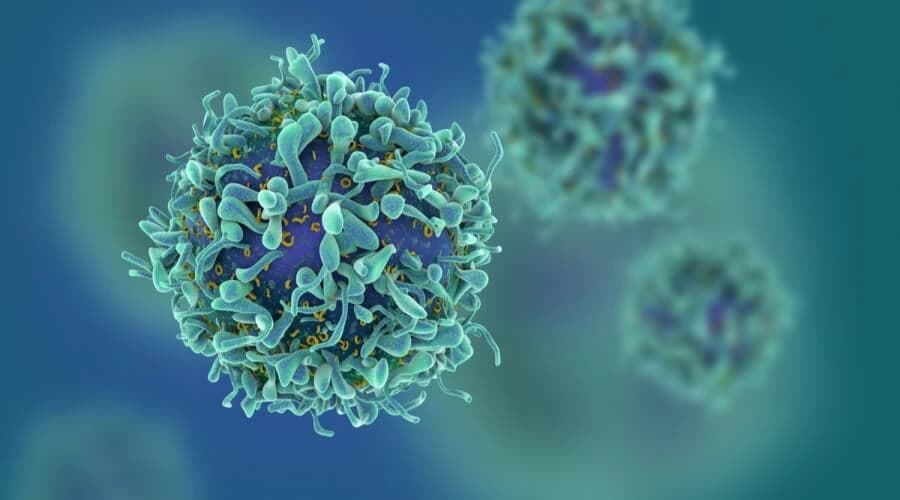
A. Definition of helper T cells Helper T cells are a type of white blood cell, and they play a crucial role in the immune system. These cells recognize antigens, that is, foreign substances that enter the body, and alert other immune cells to respond appropriately. for. The importance of their role in the immune system Helper T cells are considered essential for effective coordination between various immune cells. It stimulates B cells to produce antibodies and helps activate destruction cells, which enhances the ability to fight infection. By coordinating this immune response, helper T cells help protect the body from various diseases and infections.
Structure and function of helper T cells
A. Structural structure of cells Helper T cells are characterized by special structures that help them recognize antigens, as they contain surface receptors known as T-cell receptors, and these receptors enable them to interact with antigens bound to histocompatibility complex molecules. for. Their basic functions in the immune response Helper T cells regulate the immune system response by secreting cytokines that activate other immune cells, such as B cells and killer cells, which enhances the body's ability to confront infection. These cells contribute to immune memory, which helps provide a faster response when exposed to the same antigen in the future.
Mechanism of activation of helper T cells
A. Recognition of antigens The mechanism of activation of helper T cells begins when they recognize antigens attached to the surface of bud presenting cells. These receptors bind antigens and activate the cell, effectively activating it. for. Activation and Reproduction Processes After recognizing the antigen, helper T cells secrete cytokines that stimulate other immune cells. Helper T cells multiply to enhance the immune response and create memory T cells that help the body recognize antigens during future stages of infection.
The role of helper T cells in fighting diseases
A. In bacterial and viral infections, helper T cells are essential in fighting bacterial and viral infections. It coordinates the immune response, helping to activate B-egg cells that produce antibodies, which contributes to effectively fighting infection. for. In chronic immune responses During chronic immune responses, helper T cells enhance the immune system's ability to adapt to complex conditions. By stimulating other immune cells, these cells ensure the maintenance of an effective immune response, helping the body deal with chronic and persistent diseases more efficiently.
Helper T cells and their types
A. Th1 and Th2 cells Th1 cells specialize in fighting fungal and viral infections, while Th2 cells focus on responding to parasitic infections. Each of these cell types plays a limited but important role in the immune response, coordinating the body's response to various diseases. for. Th17 cells and regulatory cells Th17 cells are responsible for promoting chronic inflammation, while regulatory cells control the immune response and prevent autoimmune attacks. This diversity of helper T cells shows how the immune system reacts to a variety of health threats.