Drip Irrigation Upgrades for Small Vegetable Farms
- Why small farms are rethinking drip systems
- A quick field audit before spending money
- Filtration and water quality upgrades that matter
- Smarter scheduling with soil moisture and weather
- Low-cost hardware changes with high returns
- A practical upgrade plan for the next season
Why small farms are rethinking drip systems
Across small vegetable farms, drip irrigation is no longer treated as a one-time installation. Rising water prices, tighter pumping limits, and unpredictable heat waves are pushing growers to audit what their drip lines actually deliver at the plant level. Many systems were built gradually over years, mixing different tape diameters, emitter spacings, and filters. The result is uneven pressure, clogged emitters, and irrigation schedules that are based on habit rather than crop demand. Upgrades do not have to mean a full redesign. The most effective improvements usually start with measurement: checking pressure at the head and at the end of laterals, counting clogged emitters per bed, and comparing run times with soil moisture readings. Small farms also face practical constraints—limited labor, shared wells, and frequent crop rotations—so upgrades that simplify operation and reduce troubleshooting tend to pay back fastest. The goal is consistent wetting patterns, predictable fertigation, and fewer emergency repairs during peak harvest weeks.
A quick field audit before spending money
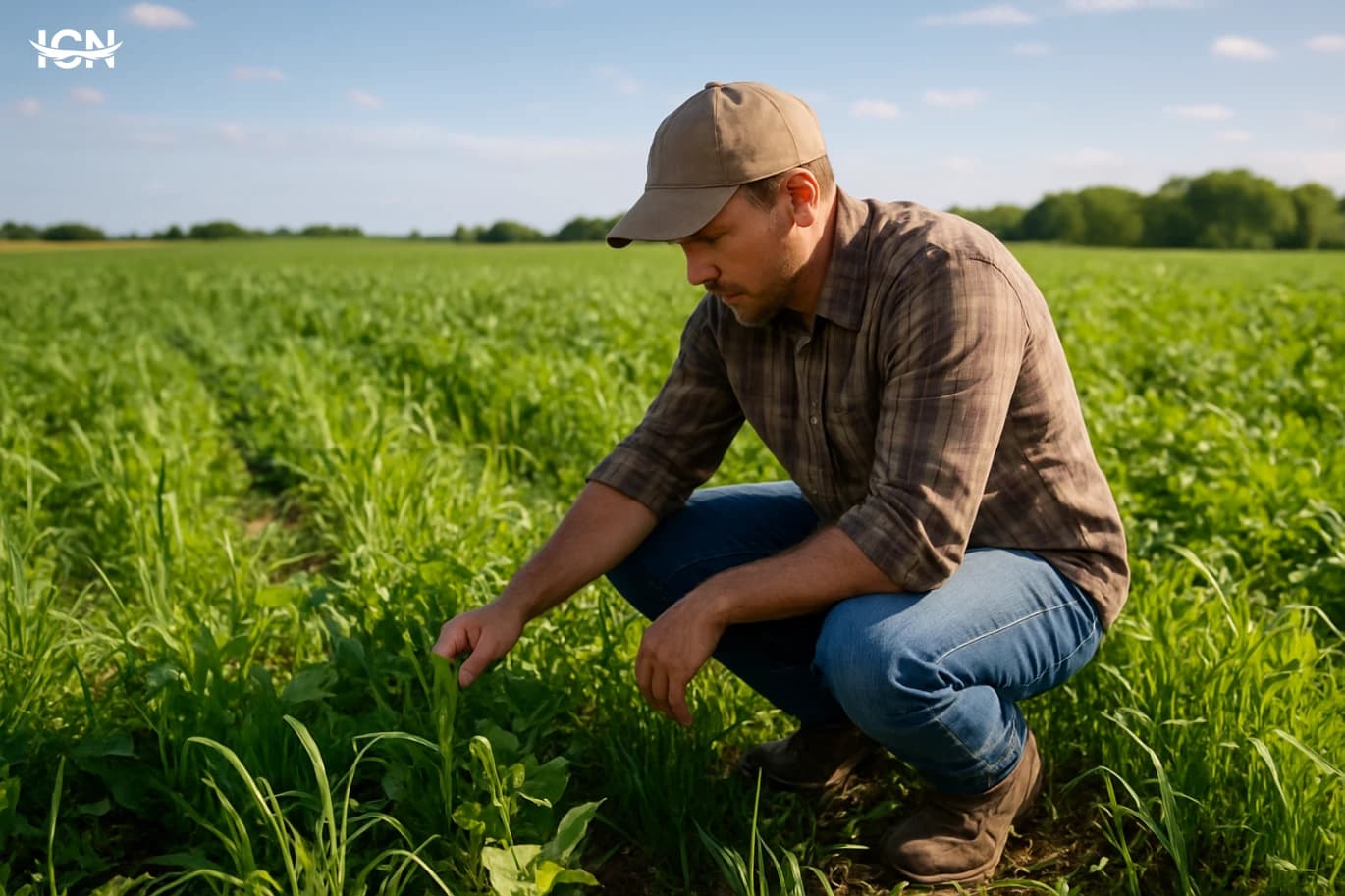
A practical audit can be done in one morning with basic tools: a pressure gauge, a bucket, a stopwatch, and a simple soil probe. Start by recording pump pressure and pressure after the filter, then measure at the far end of a representative lateral. A large drop often points to undersized mainlines, too many zones running at once, or partially blocked filters. Next, do a flow check: collect water from several emitters for a fixed time and compare volumes. Differences across the same bed indicate clogging or pressure variation. Soil checks make the audit meaningful. After a normal irrigation cycle, dig or probe at 10–20 cm depth to see if the wetting front reaches the root zone evenly. In sandy soils, short frequent cycles may be needed; in heavier soils, longer cycles with enough time for infiltration can reduce runoff and surface saturation. Documenting these observations helps prioritize upgrades: sometimes a better filter and a pressure regulator solve most issues; other times the layout needs zoning changes. Finally, review how fertigation is being done. If fertilizer is injected without a backflow preventer, check valve, and proper flushing routine, the system may be accumulating precipitates that later appear as “mystery clogs.” A small farm can avoid repeated tape replacement by addressing the cause rather than the symptom.
Filtration and water quality upgrades that matter
For drip irrigation, filtration is not a luxury; it is the difference between predictable irrigation and constant patchwork repairs. The right filter depends on the water source. Well water often carries fine sand and silt, while surface water can bring algae and organic debris. Many small farms use a single screen filter that is easy to clean but not always adequate for fine particles. A common upgrade is adding a media (sand) filter ahead of the screen filter for surface water, or switching to a higher-capacity disc filter for mixed loads. Water chemistry also drives clogging. High bicarbonates and hard water can cause calcium carbonate precipitation, especially when fertilizers change pH in the line. Iron and manganese can oxidize and form deposits that block emitters. A targeted approach starts with a basic water test and a seasonal maintenance plan: periodic acid flushing for carbonate issues, chlorination for biological growth, and consistent end-of-line flushing. These practices are inexpensive compared with replacing tape mid-season. Pressure regulation is part of water quality management because low pressure encourages sediment settling in lines. Installing pressure regulators at zone inlets and using pressure-compensating emitters in uneven terrain can stabilize flow. For small farms with sloped fields, this can be the single most noticeable improvement in crop uniformity, especially in leafy greens and short-cycle vegetables.
Smarter scheduling with soil moisture and weather
Many small farms still schedule drip irrigation by the clock: a fixed number of minutes per day or per week. That approach can work in stable weather, but it breaks down during heat spikes, windy periods, or when crop canopy changes quickly. A practical upgrade is to combine simple soil moisture monitoring with a weather-based reference. Even low-cost tensiometers or capacitance probes placed in two depths (for example 10 cm and 25 cm) can show whether water is staying in the active root zone. Weather data does not need to be complex. Local evapotranspiration (ET) estimates, temperature highs, and wind can guide adjustments. For example, a week of high ET may require shorter intervals between irrigations, while a cool period may allow longer gaps without stressing plants. The key is to avoid extremes: chronic overwatering reduces oxygen in the root zone and increases disease pressure; chronic underwatering reduces yield and can cause bitter taste in some vegetables. For farms practicing fertigation, scheduling upgrades also improve nutrient efficiency. Injecting fertilizer during the middle portion of an irrigation set, followed by a clean-water flush, reduces fertilizer loss and prevents salt accumulation near emitters. Keeping a simple log—date, run time, observed soil moisture, and crop stage—helps refine decisions without turning the farm into a data project.
Low-cost hardware changes with high returns
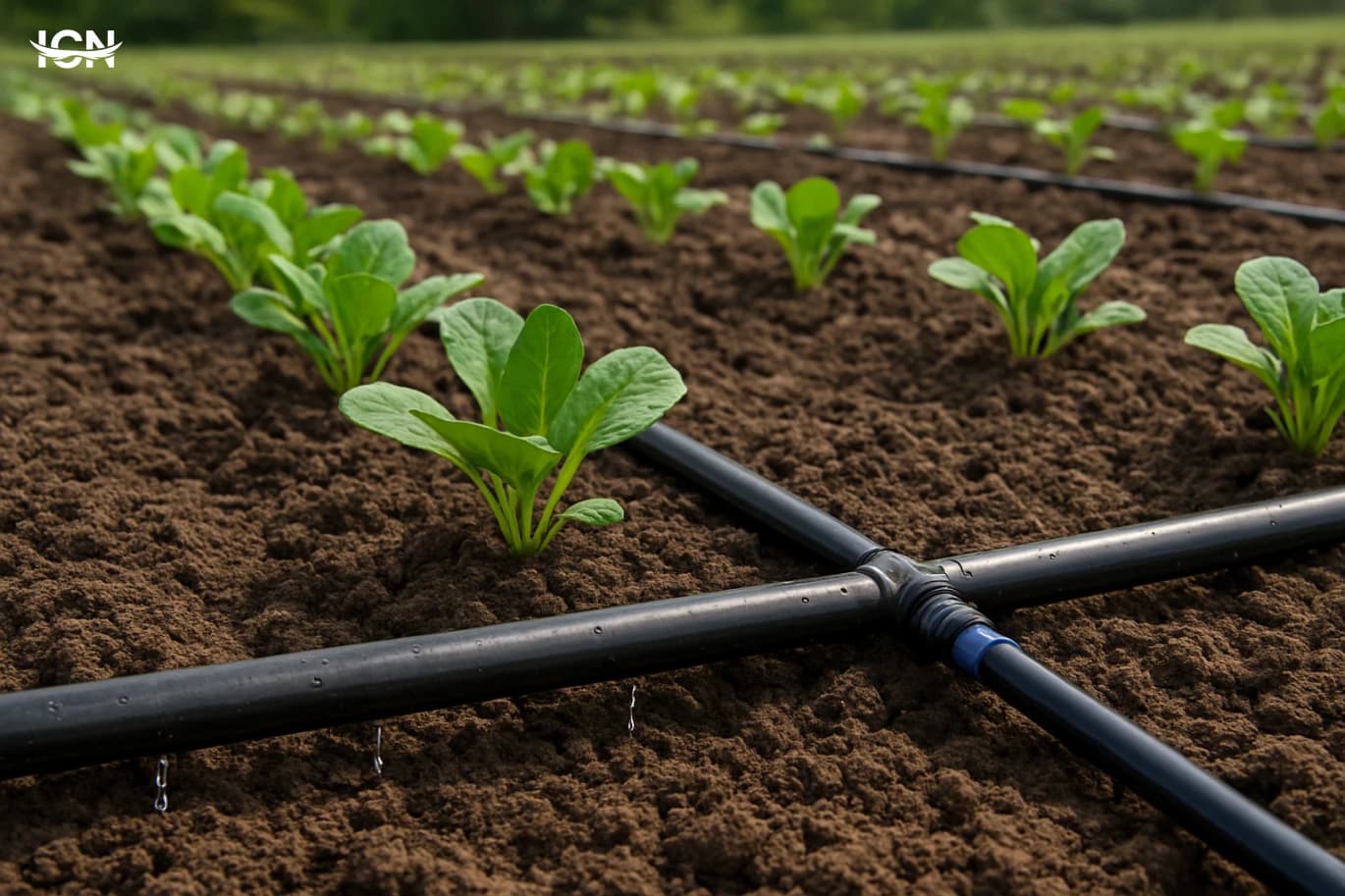
Some of the best drip upgrades cost little but remove chronic headaches. Installing air/vacuum relief valves at high points prevents suction that can pull soil into emitters when the system shuts off. Adding flush valves at the end of laterals makes routine flushing fast, which is critical after fertigation or when using surface water. Replacing worn pressure gauges and adding one gauge before and after the filter turns troubleshooting from guesswork into a two-minute check. Zoning is another area where small farms can gain efficiency. If one zone includes both short beds and long beds, the long beds may be under-watered while the short beds are over-watered. Splitting zones by similar lateral length and elevation improves uniformity without changing the whole layout. Where budgets allow, switching to pressure-compensating drip tape or emitters can reduce variability, especially in mixed terrain. Leak management also matters. Small leaks in mainlines and connectors can waste significant water over a season and reduce pressure at the far end. Keeping standardized fittings, using clamps where appropriate, and training one person to do weekly walk-through checks can prevent mid-season yield loss. These steps are operational upgrades as much as hardware upgrades, and they fit the realities of small teams.
A practical upgrade plan for the next season
A sensible plan starts with ranking problems by impact on yield and labor. First priority is always protecting the system: adequate filtration, reliable pressure regulation, and a flushing routine. Second is improving uniformity: zoning adjustments, fixing pressure drops, and addressing terrain effects. Third is efficiency: scheduling based on soil moisture and weather, and refining fertigation timing. For budgeting, small farms can treat upgrades as modular. Year one might focus on filtration and gauges, plus end-of-line flush valves. Year two can address zoning and pressure-compensating tape in the most problematic blocks. Year three can add basic sensors and a simple controller if it reduces labor. Each step should be evaluated with clear indicators: fewer clogged emitters, narrower moisture variation across beds, reduced run time without yield loss, and fewer emergency repairs. Finally, document the system. A hand-drawn map of zones, valve locations, filter type, tape specifications, and typical run times saves time when staff changes or when a problem appears during harvest. Small vegetable farms succeed when operations are repeatable. Drip irrigation upgrades are most valuable when they make water delivery predictable, measurable, and easy to manage under real field pressure.