App Logo

Download Our App

Shop your way

logologo
Image

Aqueous agriculture

03/09/2025By: ICN
Aqueous agriculture

the introduction

The definition of aquatic agriculture is a agricultural system that depends on planting plants in an aqueous solution that contains the necessary nutrients, without the need for soil. This system allows the possibility of planting plants in various environments, making it an ideal choice in limited soil areas. The importance of hydroponics has become a growing importance in today's world, as it provides effective food production. It reduces water consumption and increases space use efficiency, which makes them perfect for large cities. It also enhances sustainable agriculture, which contributes to protecting the environment and natural resources.

History of aquaculture

The traditional methods of aquatic agriculture belong to the origins of ancient civilizations, where the ancients used different methods of planting plants without soil. These methods relied on the use of water channels or ponds to secure the water component of the plants. As in the Aztec civilization, floating gardens were created above the lakes. Recent developments in the field of aquatic agriculture with the development of technology, innovative water agricultural systems have emerged that include vertical agriculture and hydrobon agriculture. These systems use accurate techniques to control the agricultural environment, which increases productivity and resource consumption efficiency. As it is now possible to produce crops throughout the year, which contributes to better meet the needs of the markets.

Types of aquatic agriculture

Agriculture by distillation The distillation is considered one of the techniques used in hydroponics, as it depends on the delivery of water and nutrients directly to the roots of plants through small tubes. This method helps to maintain moisture and provide nutrients effectively, which increases the growth of the plant faster. Aqueous agriculture agriculture with water analyzes, also known as hydroponic, depends on the use of a nutritional solution instead of soil to support plant growth. This method enhances the ability to control the nutrition and the environment surrounding the plants, which leads to the production of high -quality crops and with greater efficiency in water consumption.

Hydroponic systems

The components of the hydrobon agriculture system consist of hydroponic systems of several main components that include the water tank that contains the nutrient solution, water guidance pipes, and the roots of plants that need support. There are also lighting lamps and means of providing good ventilation. Benefits of hydroponic systems have many benefits, such as increasing water efficiency and reducing the use of pesticides. It also allows the ability to grow crops in unconventional environments, which contributes to providing food throughout the year. These systems also contain flexibility in design, allowing the effective regulation of agricultural spaces.

Choose the appropriate plants for hydroponics

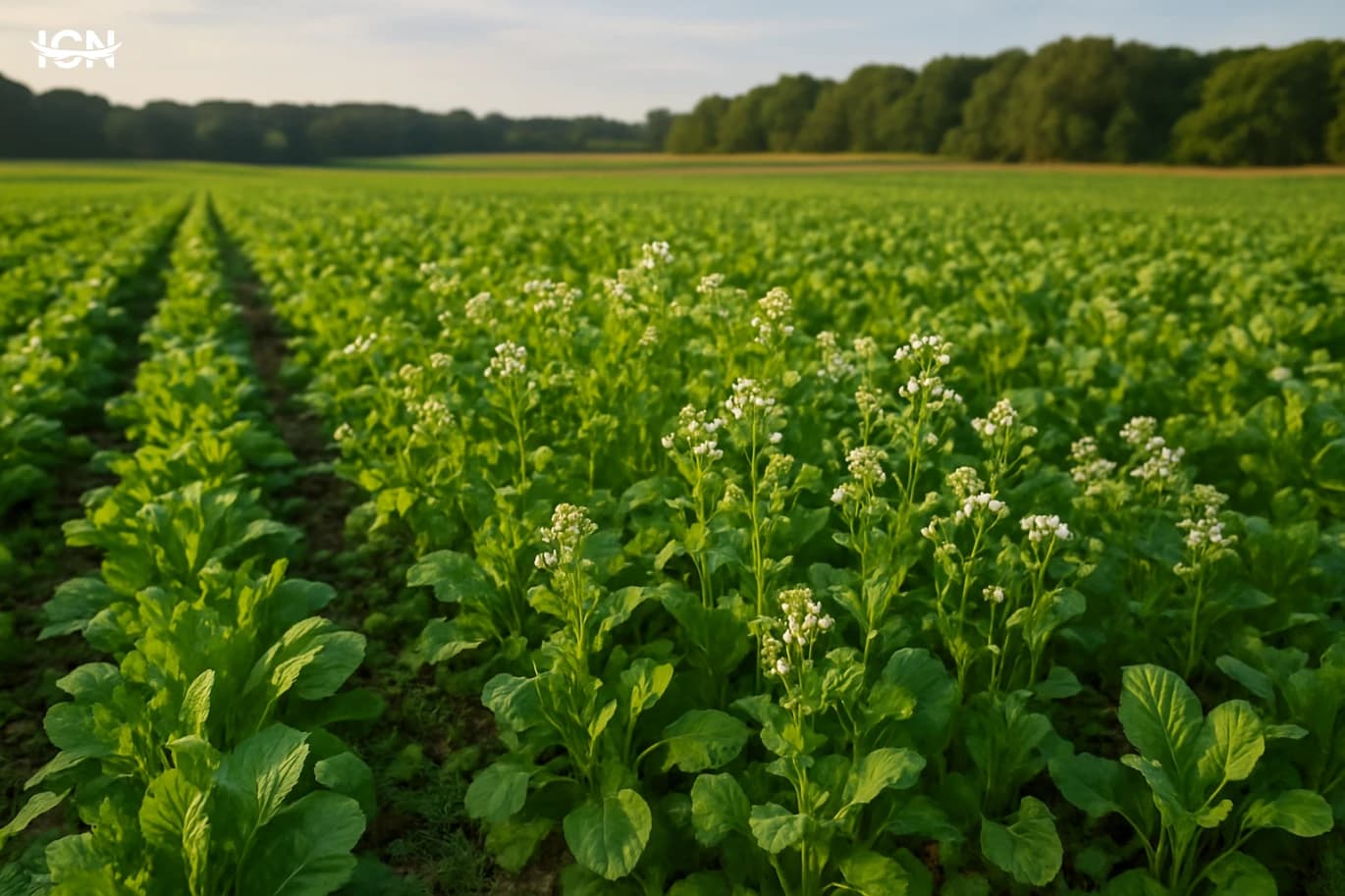
The factors that must be taken into account when choosing plants when choosing plants for hydroponics, several factors such as the needs of the plant should be taken into account, the level of humidity, and the temperature. The speed of plant growth and its ability to adapt to different environments must also be evaluated. Understanding these factors helps ensure the best results. Examples of plants suitable for hydroponics include some plants suitable for hydroponics, lettuce, spinach, and parsley, in addition to aromatic herbs such as basil. Tomatoes and strawberries can also be cultivated, as these plants give good results in hydrobon systems, which facilitates abundant and healthy crops.
* All articles published on this blog are sourced from various websites and are provided for informational purposes only. They should not be considered as confirmed studies or accurate information. Please verify the information independently before relying on it.

Similar ARTICLES

Regenerative Cover Crops for Healthier Fields
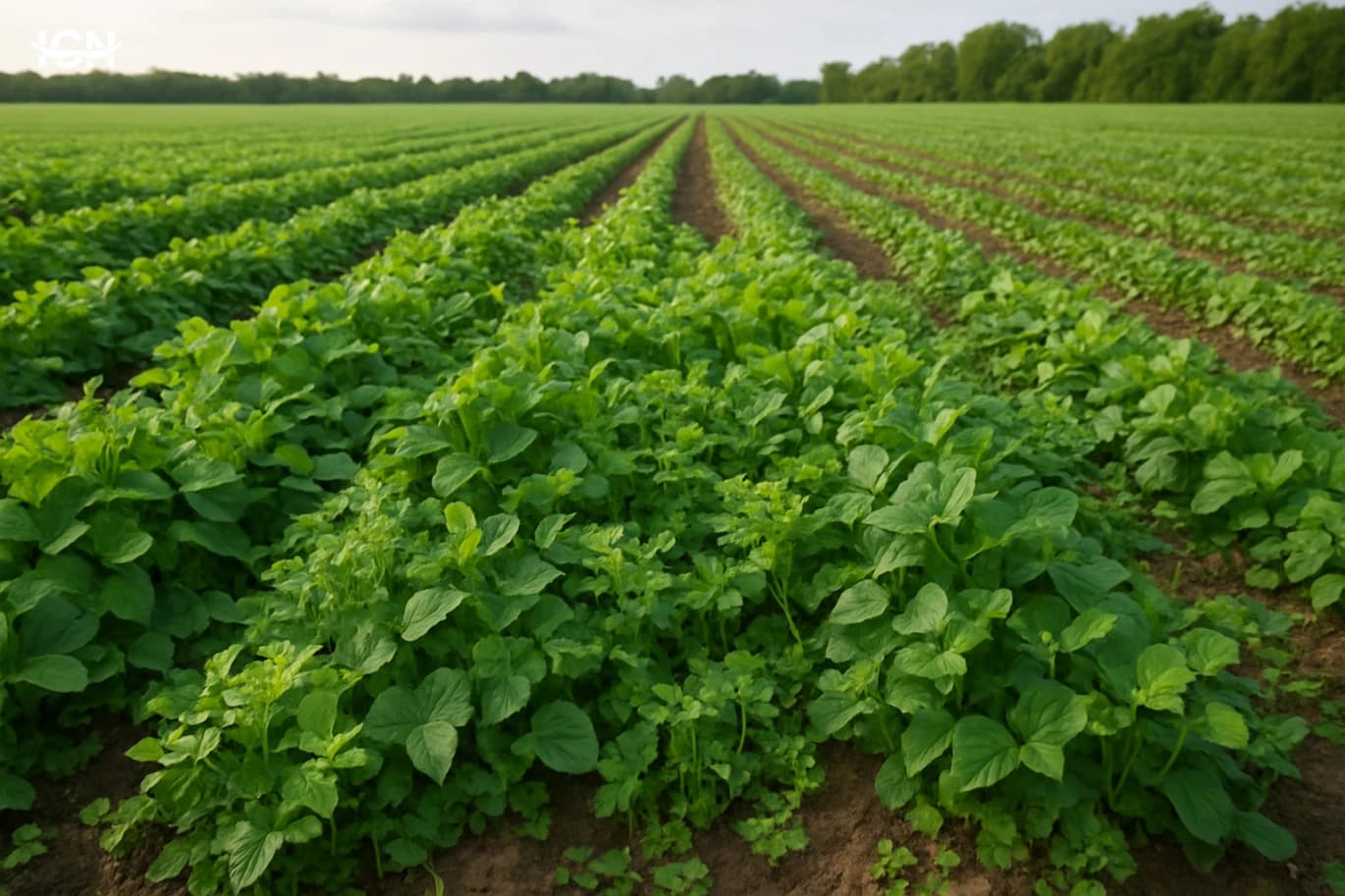
Cover crops are planted primarily to improve the field rather than to be harvested. They are returning to mainstream farm planning because input costs are rising, weather is less predictable, and many growers are looking for practical ways to protect yield stability. A well-chosen cover can reduce soil erosion from wind and heavy rain, keep nutrients from leaching during fall and winter, and build organic matter over time. In row-crop systems, they can also improve trafficability by strengthening soil structure, which matters during tight planting windows. The renewed interest is also driven by better equipment and clearer management playbooks. Farmers now have more options for seeding into standing crops, terminating covers efficiently, and measuring results with soil tests and field mapping. The topic is no longer “cover crops or not,” but “which species, what timing, and what goal.” This article focuses on making cover crops a repeatable, farm-ready practice, not a one-off experiment.
Building a Profitable Cover Crop Program
Cover crops are often discussed as a soil-health practice, but the strongest case for them is financial: they can reduce input costs and stabilize yields when weather swings. A well-planned program improves soil structure, which supports better infiltration and less surface crusting after heavy rain. That can translate into fewer replanting events and more consistent emergence in the cash crop. Many farms also see a gradual reduction in nitrogen losses and better nutrient cycling, which can lower fertilizer needs over time. The payoff depends on choosing species that match your rotation and your constraints. A cereal rye stand ahead of soybeans can suppress early-season weeds and reduce the number of passes needed for burndown or post-emergence control. A legume like crimson clover can contribute nitrogen ahead of corn, but only if it establishes well and is terminated at the right stage. The economic outcome is rarely immediate in year one; it is usually a two- to four-year curve where management improves and soil benefits accumulate. The key is to treat cover crops as a managed crop with a budget, not as a leftover seeding decision after harvest.
Cover Crops That Pay Back
Cover crops are often presented as a soil-health trend, but on many farms they function as a measurable business tool. The core idea is simple: keep living roots in the ground between cash crops to protect soil, capture nutrients, and reduce erosion. The payoff shows up in fewer passes for weed control, better trafficability after rain, and more stable yields in dry spells. For row-crop operations, the question is not whether cover crops are “good,” but whether the system can be designed to return value within one to three seasons. A practical way to frame the decision is to list the farm’s most expensive recurring problems: nitrogen loss after harvest, spring fieldwork delays, herbicide-resistant weeds, compaction, or poor water infiltration. Different cover species address different costs. A cereal rye stand can suppress early weeds and reduce nitrate leaching; a legume like crimson clover can contribute nitrogen; a brassica like radish can help open surface compaction and improve infiltration. The economics improve when the cover crop is matched to a specific constraint and managed with clear targets, such as reducing spring herbicide rates, cutting one tillage pass, or improving stand establishment in the next crop.
Biochar for Healthier Soils and Higher Yields
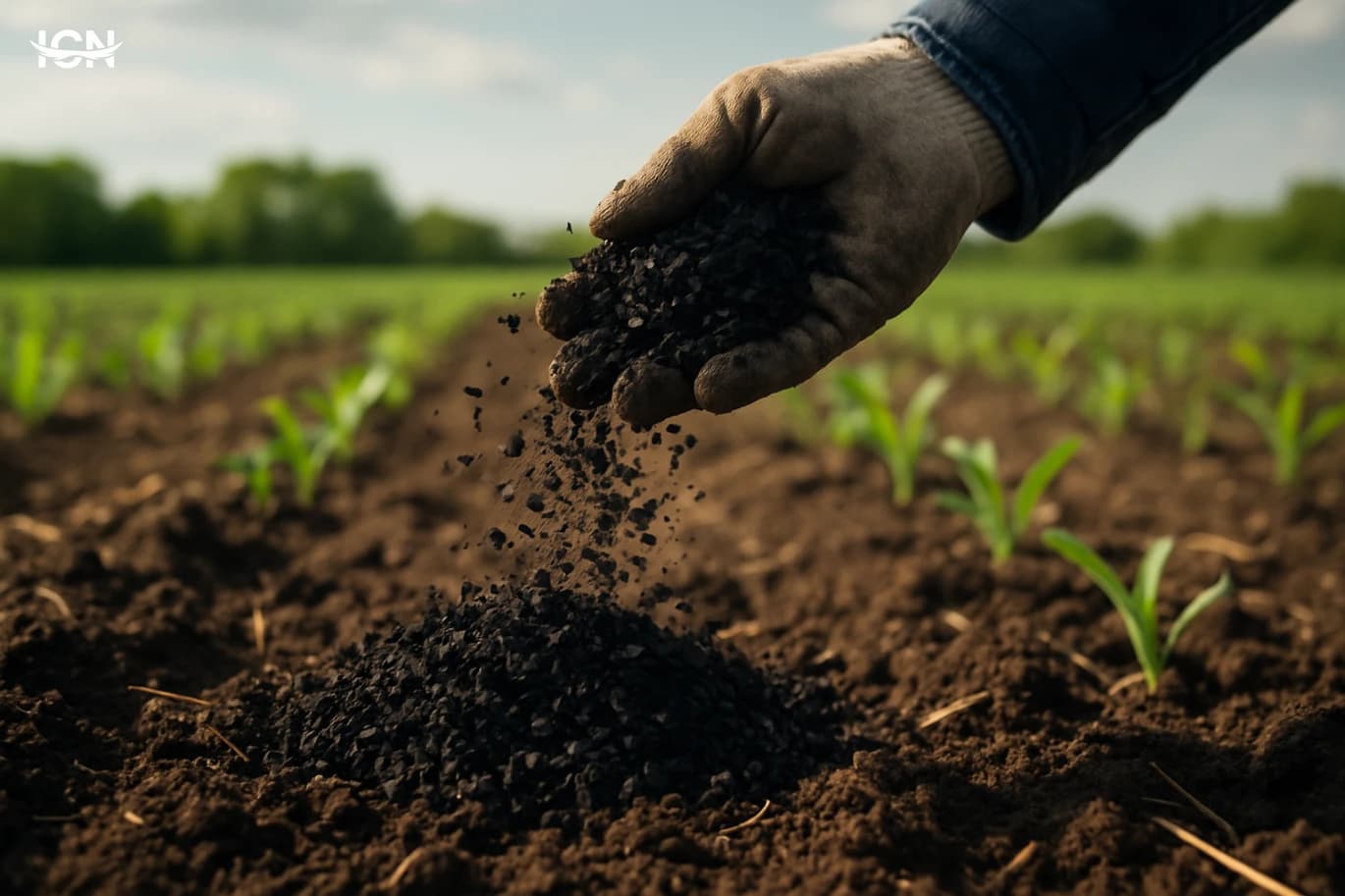
Biochar is a carbon-rich material made by heating crop residues or woody biomass in low-oxygen conditions. Farmers are revisiting it because it addresses several everyday problems at once: weak soil structure, low nutrient efficiency, and inconsistent water retention. Unlike raw residues that break down quickly, biochar is stable in soil for years, so the benefits can persist across multiple seasons. It is not a fertilizer on its own; it works more like a long-lasting soil conditioner that improves how soil holds nutrients and moisture. Interest is also driven by practical economics. Many farms already have biomass streams—corn stover, rice husks, pruning waste—that cost money to manage. Converting part of that material into biochar can reduce disposal pressure and create a product that can be applied back to fields. The key is to treat biochar as a management tool that must be matched to soil type, crop needs, and application method, rather than a one-size-fits-all input.
Cover Crops That Pay Back in One Season
Cover crops are often presented as a long-term soil-health practice, but many farms can capture measurable benefits within a single season if the choice and timing are practical. The immediate payback usually shows up in three places: reduced erosion after heavy rain, better trafficability during wet periods, and fewer weed flushes before the next cash crop. These outcomes translate into fewer rework passes, less soil moved off-field, and more predictable planting windows. The key is to treat cover crops like any other input: define the goal, estimate the cost, and set a simple measurement plan. For example, a farm can track the number of pre-plant herbicide passes, the hours spent repairing ruts, or the amount of residue cover after storms. Even without lab tests, these operational indicators can show whether the cover crop is paying back quickly. This topic focuses on cover crop options and management steps that are realistic for grain, vegetable, and mixed farms, especially where labor and equipment time are tight. The emphasis is on species that establish fast, are easy to terminate, and fit into common rotations without delaying planting.
Drip Irrigation Upgrades for Small Vegetable Farms
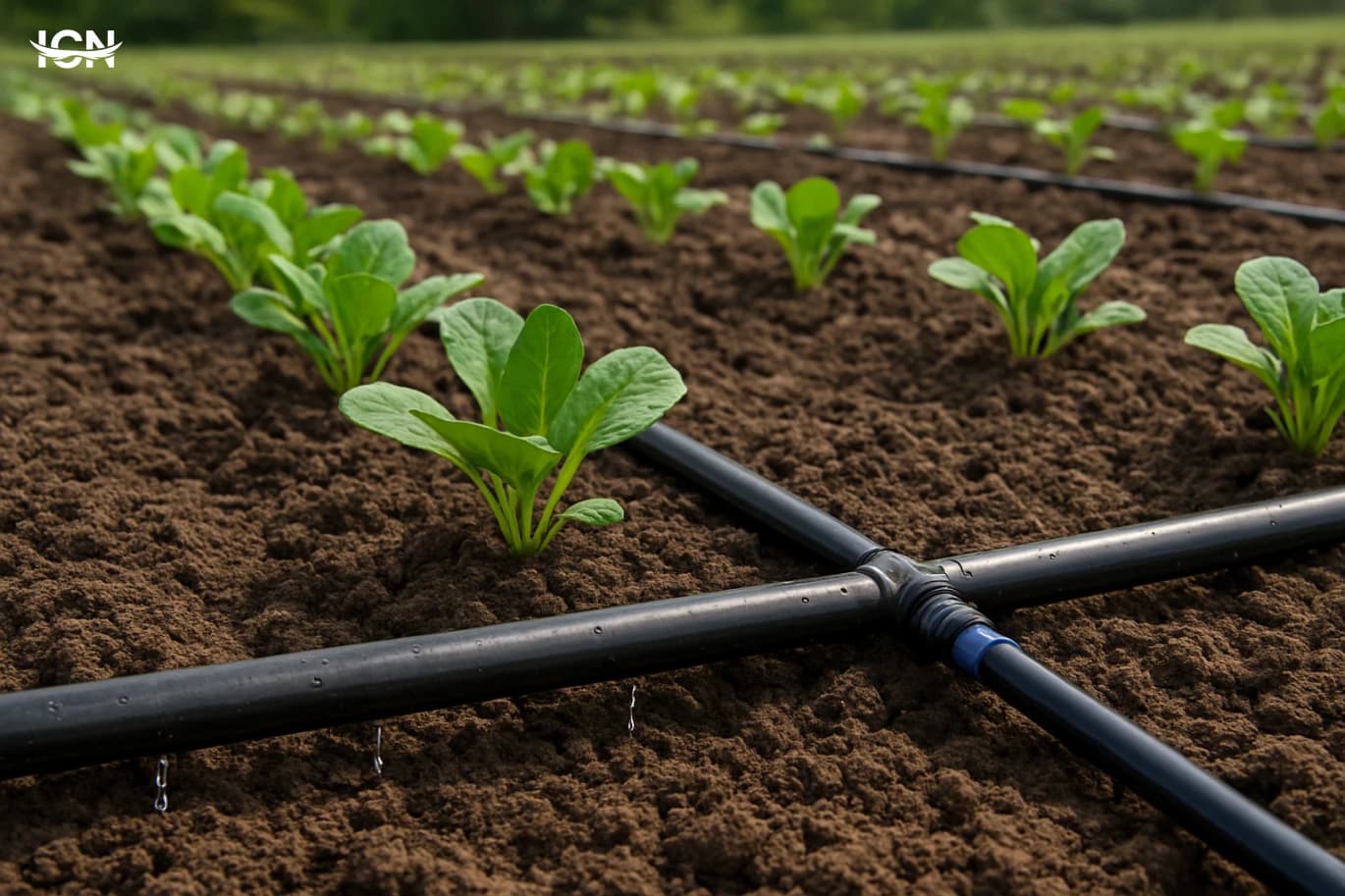
Across small vegetable farms, drip irrigation is no longer treated as a one-time installation. Rising water prices, tighter pumping limits, and unpredictable heat waves are pushing growers to audit what their drip lines actually deliver at the plant level. Many systems were built gradually over years, mixing different tape diameters, emitter spacings, and filters. The result is uneven pressure, clogged emitters, and irrigation schedules that are based on habit rather than crop demand. Upgrades do not have to mean a full redesign. The most effective improvements usually start with measurement: checking pressure at the head and at the end of laterals, counting clogged emitters per bed, and comparing run times with soil moisture readings. Small farms also face practical constraints—limited labor, shared wells, and frequent crop rotations—so upgrades that simplify operation and reduce troubleshooting tend to pay back fastest. The goal is consistent wetting patterns, predictable fertigation, and fewer emergency repairs during peak harvest weeks.
Heatwaves, Rice Export Curbs, and the New Rush for Climate-Smart Crops: What Farmers Are Talking About This Week
In the last seven days, farming conversations have been dominated by a tight cluster of issues that are hitting at the same time: renewed heat alerts in multiple regions, fresh headlines about rice and grain trade controls, and viral discussions about how quickly crop calendars are shifting. Search interest has spiked around “heat-tolerant varieties,” “irrigation scheduling,” “rice export restrictions,” and “crop insurance claims,” not because these are abstract topics, but because they are decisions farmers must make before the next irrigation turn, the next fertilizer pass, or the next procurement deadline. What makes this moment feel urgent is the way weather stress and market stress are reinforcing each other. When heat pushes yields down, buyers become more nervous; when trade restrictions tighten supply, input and food prices react; and when prices jump, farmers face pressure to plant what the market wants even if the climate is warning them otherwise. Across farming groups and local radio call-ins, the same question keeps coming up: how do you protect yield and cash flow without locking yourself into a crop that will fail under the next extreme week? This week’s trend is not a single gadget or a single crop. It’s a practical shift in mindset: farmers are actively comparing “climate-smart” options—short-duration varieties, heat-tolerant hybrids, drought-resilient pulses, and water-saving methods—while also tracking policy signals that can change farmgate prices overnight. The result is a fast-moving, highly shared set of checklists, field photos, and side-by-side trial results that are shaping planting and management decisions right now.
The agricultural market in West Asia
The importance of the agricultural market in West Asia is the agricultural market in West Asia is one of the most important regional markets due to the diversity of agricultural crops and the growing population needs. This market contributes to enhancing the local economy and provides job opportunities for many individuals. It also plays a vital role in achieving food security in the region, as many countries depend on agricultural products for local consumption and export purposes. Challenges facing the agricultural market in the region, however, the agricultural market faces several challenges, such as a lack of water resources and climate change, in addition to the need to improve agricultural technologies. Farmers are having difficulty adapting to these challenges, which affects productivity. Strategic steps should be taken to ensure the sustainability of this vital market in the future.
Risks threatening to increase the prices of agricultural crops globally
In recent years, the prices of agricultural crops have witnessed a remarkable increase, which greatly affected the global and local markets. This increase raises questions about the reasons behind this change and the effects that may result from it. The main reasons for the high prices of agricultural crops are the multiple reasons that prevented the stability of crops, as they include unexpected climate changes, increased demand for agricultural products, and problems in supplies as a result of conflicts or epidemics. These factors combined reduce the supply and thus high prices. The impact of the high prices of crops on the global economy. The rise in crop prices directly affects the costs of production and consumer prices, which may lead to economic inflation. Consumers face greater financial pressure, which negatively affects consumer and investment activities, which may cause the global economy to slow down.
By clicking the SUBSCRIBE button, you are agreeing to our Privacy & Cookie Policy If you want to unsubsribe the marketing email, please proceed to our privacy center.
© 2005-2026 ICN. All Rights Reserved.