Cover Crops That Pay Back in One Season
- Why cover crops are a business decision
- Pick one goal and match the species
- Timing and seeding methods that actually work
- Termination without losing planting time
- What to measure to prove the payoff
- A one-season plan for different farm types
Why cover crops are a business decision
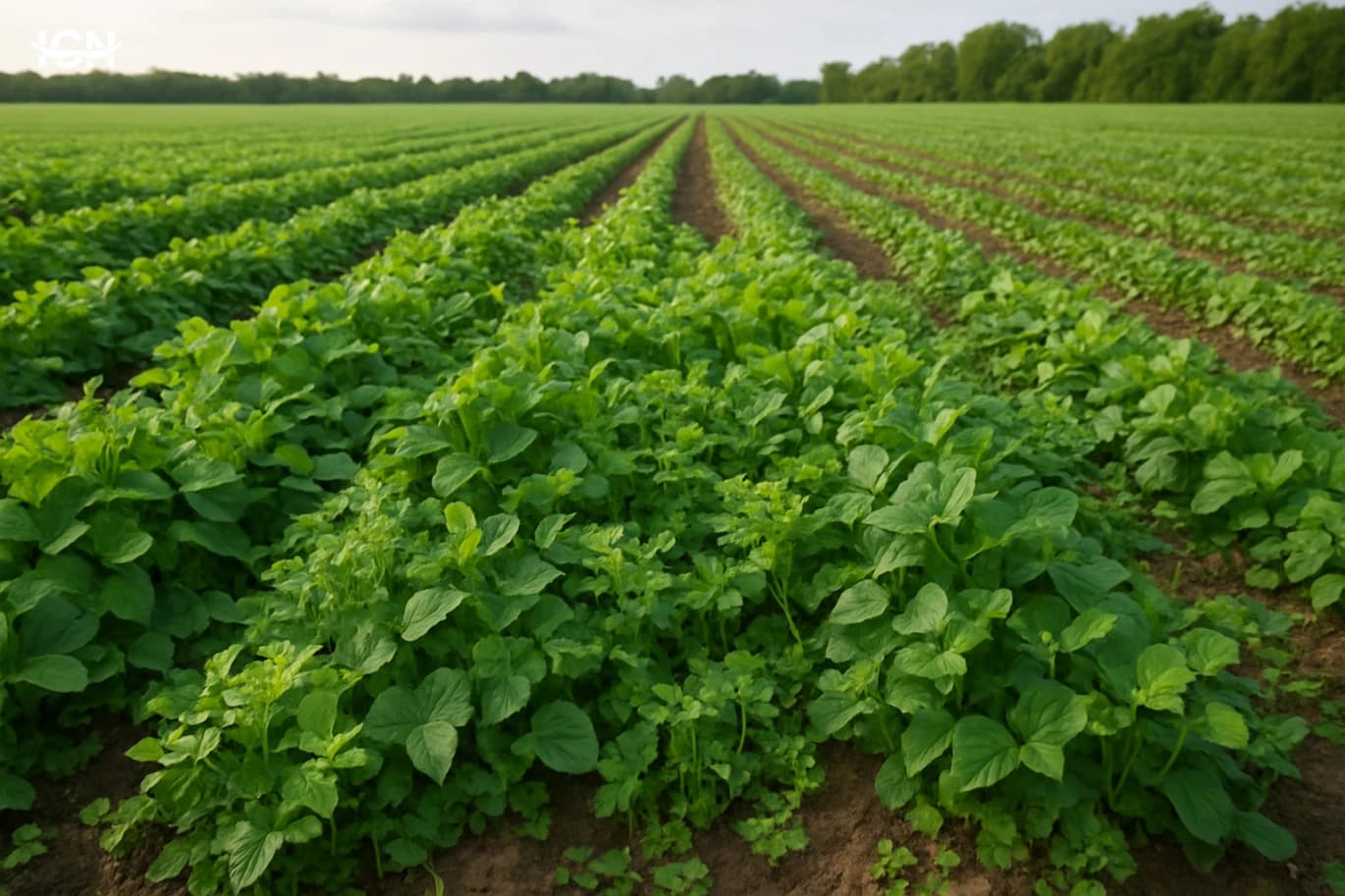
Cover crops are often presented as a long-term soil-health practice, but many farms can capture measurable benefits within a single season if the choice and timing are practical. The immediate payback usually shows up in three places: reduced erosion after heavy rain, better trafficability during wet periods, and fewer weed flushes before the next cash crop. These outcomes translate into fewer rework passes, less soil moved off-field, and more predictable planting windows. The key is to treat cover crops like any other input: define the goal, estimate the cost, and set a simple measurement plan. For example, a farm can track the number of pre-plant herbicide passes, the hours spent repairing ruts, or the amount of residue cover after storms. Even without lab tests, these operational indicators can show whether the cover crop is paying back quickly. This topic focuses on cover crop options and management steps that are realistic for grain, vegetable, and mixed farms, especially where labor and equipment time are tight. The emphasis is on species that establish fast, are easy to terminate, and fit into common rotations without delaying planting.
Pick one goal and match the species
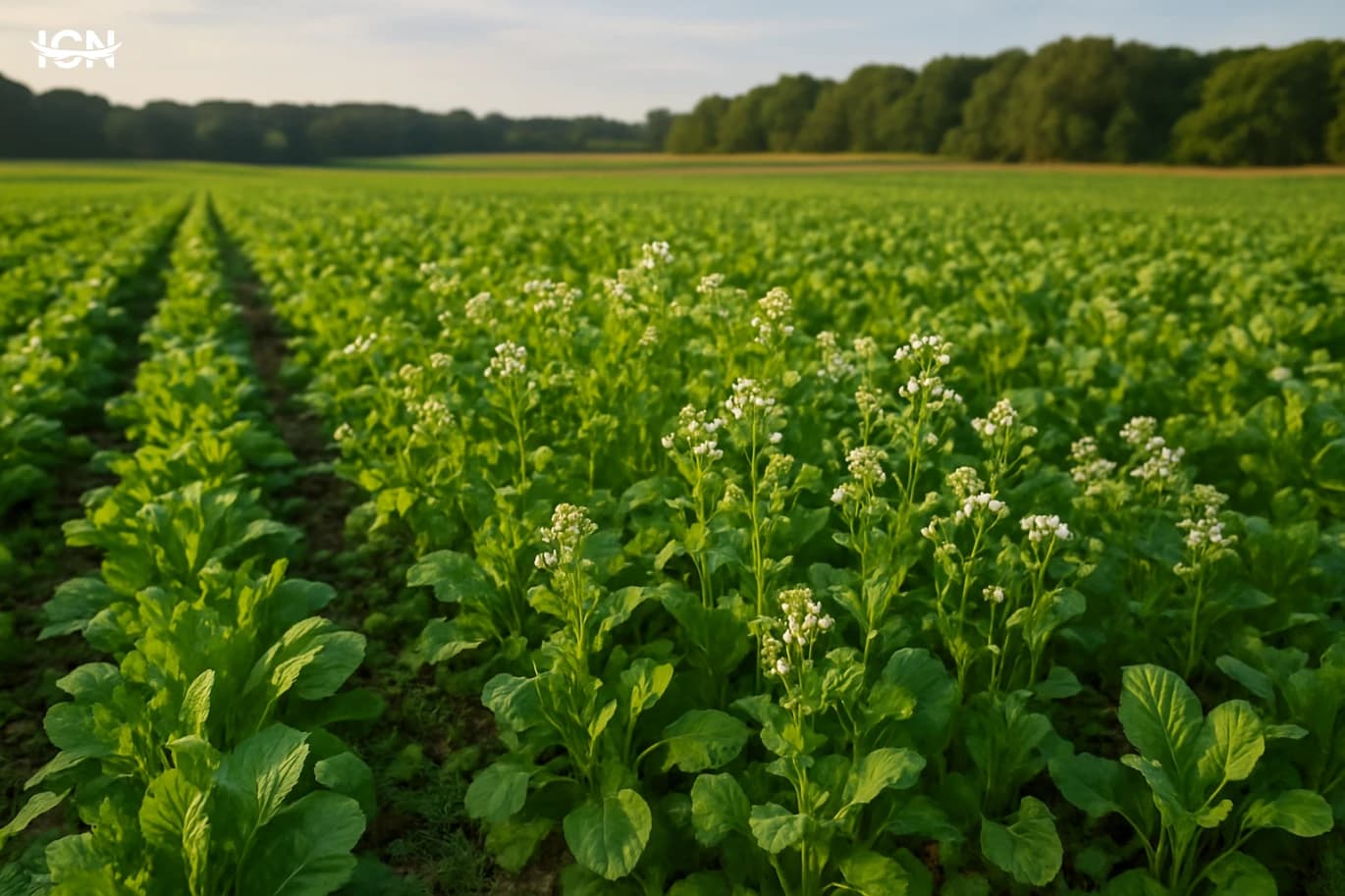
Fast payback starts with a single primary goal. If the goal is rapid ground cover to protect soil and suppress weeds, cereal rye, oats, and triticale are common choices because they establish quickly and produce reliable biomass. Oats are especially useful where winter-kill is preferred to simplify spring management. If the goal is nitrogen contribution for the next crop, legumes such as hairy vetch, crimson clover, or field peas can help, but they require good establishment conditions and careful termination timing. For compaction and infiltration, deep-rooted species like tillage radish or certain mustards can create channels that improve water movement. These are most effective when seeded early enough to build root mass before cold weather. In vegetable systems, mixes can work, but a simple two-species blend often performs better than a complex cocktail when the farm needs predictable results. A practical selection checklist includes: planting window after harvest, expected first frost date, available seeding method (drill, broadcast, aerial), and termination tools (roller-crimper, mowing, grazing, herbicide where allowed). The best species is the one that fits the calendar and equipment, not the one with the most claims on a seed tag.
Timing and seeding methods that actually work
For one-season returns, establishment is everything. Seeding immediately after harvest is the most reliable approach because soil moisture and residual warmth support quick germination. Where harvest is late, overseeding into a standing crop can extend the window. For example, broadcasting oats or clover into corn or soybeans before leaf drop can work if rainfall is expected soon after application. Seeding rate and seed-to-soil contact determine whether the cover crop becomes a uniform mat or a patchy stand that invites weeds. Drilling is typically the most consistent method, especially for small-seeded legumes that need shallow placement. Broadcasting can be effective when followed by light incorporation or a timely rain, but it carries more risk in dry conditions. A farm aiming for quick weed suppression should prioritize even coverage over exotic species. Calibrating equipment, checking depth, and doing a simple stand count 10–14 days after seeding can prevent a season of disappointment. If emergence is uneven, the farm can still adjust by mowing earlier, increasing residue retention, or planning a more aggressive termination to avoid seed set in the cover crop itself.
Termination without losing planting time
Termination is where many cover crop plans fail economically, because delays can erase the benefits. The right termination method depends on the species and the next crop. Winter-killed covers like oats reduce spring workload, but they may leave less residue by planting time. For overwintering cereals, termination 10–21 days before planting can reduce moisture competition and make seedbed preparation easier, especially in dry springs. Mechanical options include mowing and roller-crimping, which can be effective when the cover crop is at the right growth stage. Roller-crimping works best when cereals are at flowering, creating a mulch layer that suppresses weeds. Chemical termination, where permitted and appropriate, can be timely and consistent, but it still requires attention to weather, coverage, and label restrictions. A practical approach is to plan termination as a scheduled field operation with a backup date, just like planting. Farms can also designate “high-risk” fields—heavy soils, poor drainage, or fields with tight planting windows—and choose simpler cover crops there. The goal is not maximum biomass; it is a predictable transition into the cash crop with minimal extra passes.
What to measure to prove the payoff
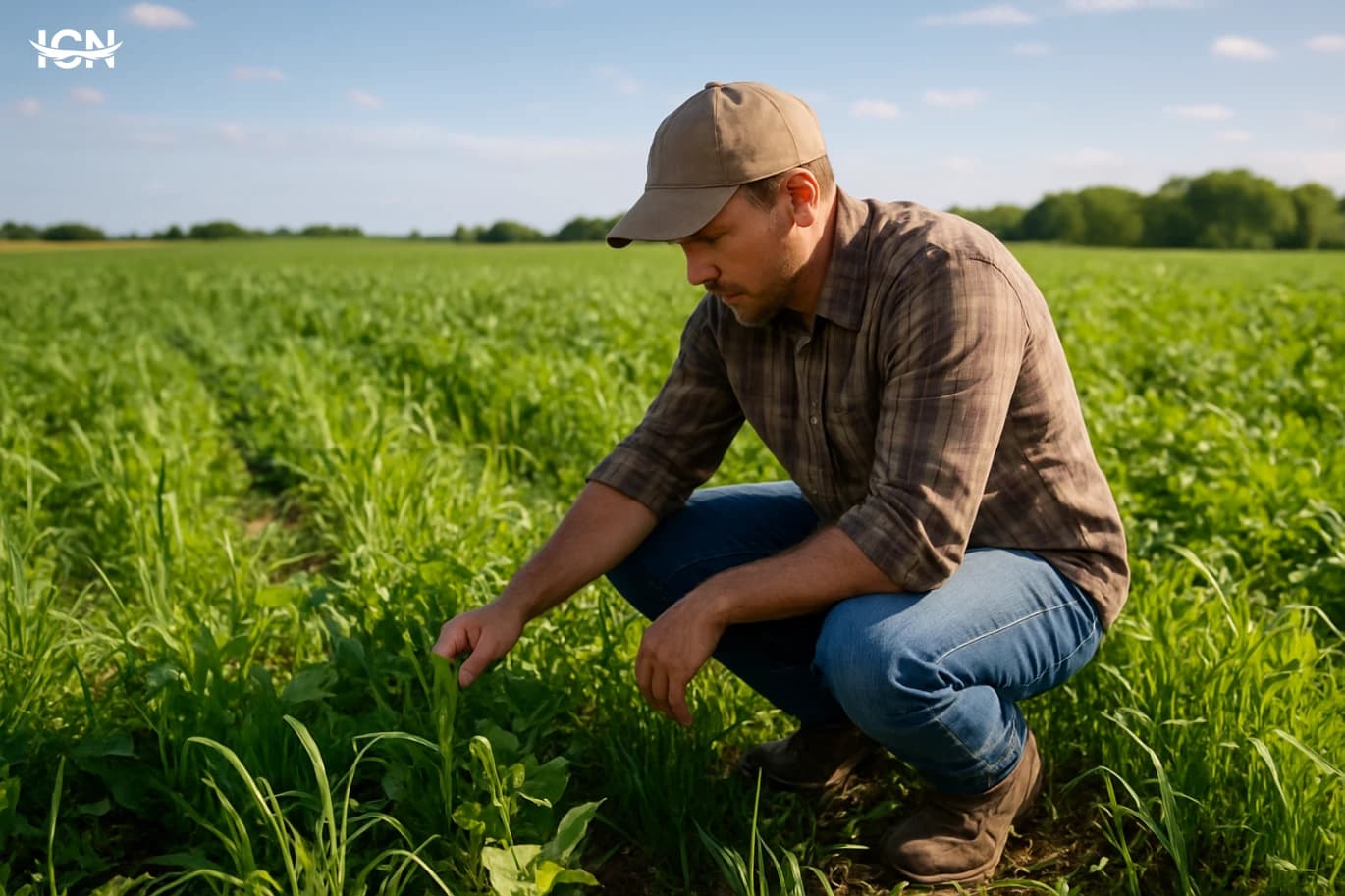
To keep cover crops from becoming a vague sustainability project, farms should measure a few indicators tied to costs and field performance. Start with weed pressure: record the dominant weeds and estimate density in a few fixed spots before termination and again before planting. If the cover crop reduces early-season weeds, the farm may be able to adjust herbicide rate, cultivation frequency, or hand-weeding hours. Next, track soil protection and trafficability. After major rain events, note whether water runs off, ponds, or infiltrates, and whether residue remains in place. During spring operations, record whether equipment leaves ruts and how many hours are spent fixing them. These are direct operational costs that can be compared year over year. Finally, capture yield-related signals without overpromising. In the first season, yield changes may be small or variable, but stand uniformity, emergence speed, and mid-season crop color can indicate whether nitrogen tie-up or moisture competition occurred. Keeping a simple field log with dates, seeding rates, termination method, and weather notes is often enough to identify what worked and what should change next season.
A one-season plan for different farm types
Grain farms with corn–soy rotations can target quick returns by using oats after early-harvest fields to create fall cover that winter-kills, or cereal rye ahead of soybeans where spring weed suppression is valuable. The operational focus should be on seeding immediately after harvest and terminating on a fixed schedule to protect planting dates. Vegetable farms often need flexibility and clean seedbeds. Buckwheat can be a fast summer cover between plantings, while oats plus a small amount of clover can protect soil after late-summer harvests. Because vegetable planting windows are tight, choosing covers that are easy to incorporate or reliably winter-kill can prevent delays. Mixed and livestock-integrated farms can add grazing to improve the economics, but the plan still needs clear rules: entry height, exit height, and soil moisture limits to avoid compaction. Even without grazing, a one-season cover crop program can be profitable when it reduces field repairs, stabilizes planting schedules, and lowers early weed management pressure. The most consistent results come from starting small—one or two fields—then scaling after the farm has a termination routine that works every time.