Building a Safe Weekend Cycling Routine

- Why weekend cycling works
- Choose the right route and timing
- Gear checklist that prevents problems
- A simple 4-week progression plan
- Technique and safety habits on the road
- Recovery, maintenance, and staying motivated
Why weekend cycling works
Weekend cycling is one of the easiest ways to stay active without reorganizing your entire week. A two- to three-hour ride can deliver steady cardiovascular work, low-impact joint loading, and a clear sense of progress because distance and time are simple to track. It also fits different fitness levels: beginners can ride on flat paths at a conversational pace, while experienced riders can add hills or structured intervals. The key is consistency. A single long ride every few weeks rarely builds fitness or confidence. A predictable weekend routine, even if it is modest, improves endurance, bike handling, and comfort in the saddle. It also reduces the chance of overdoing it, because you can plan recovery and gradually increase volume. Treat weekend cycling as a repeatable habit, not an occasional challenge.
Choose the right route and timing
A safe routine starts with route selection. For beginners, prioritize separated bike paths, quiet residential streets, or park loops with predictable traffic patterns. Look for routes with frequent exit points so you can shorten the ride if weather changes or fatigue builds. If you ride on roads, choose wide shoulders, lower speed limits, and intersections with clear sightlines. Timing matters as much as distance. Early morning often brings cooler temperatures and lighter traffic, while mid-day can be better for visibility but hotter and busier. Check local wind patterns; a strong headwind on the way home can turn an easy ride into a struggle. Plan a loop so the hardest segment is not at the end, and keep a “Plan B” route that stays closer to home. Use mapping tools to estimate elevation gain and surface type. A short route with steep climbs can be more demanding than a longer flat ride. If you are building a routine, keep the first month simple: one primary route you know well, plus one alternative for variety.
Gear checklist that prevents problems
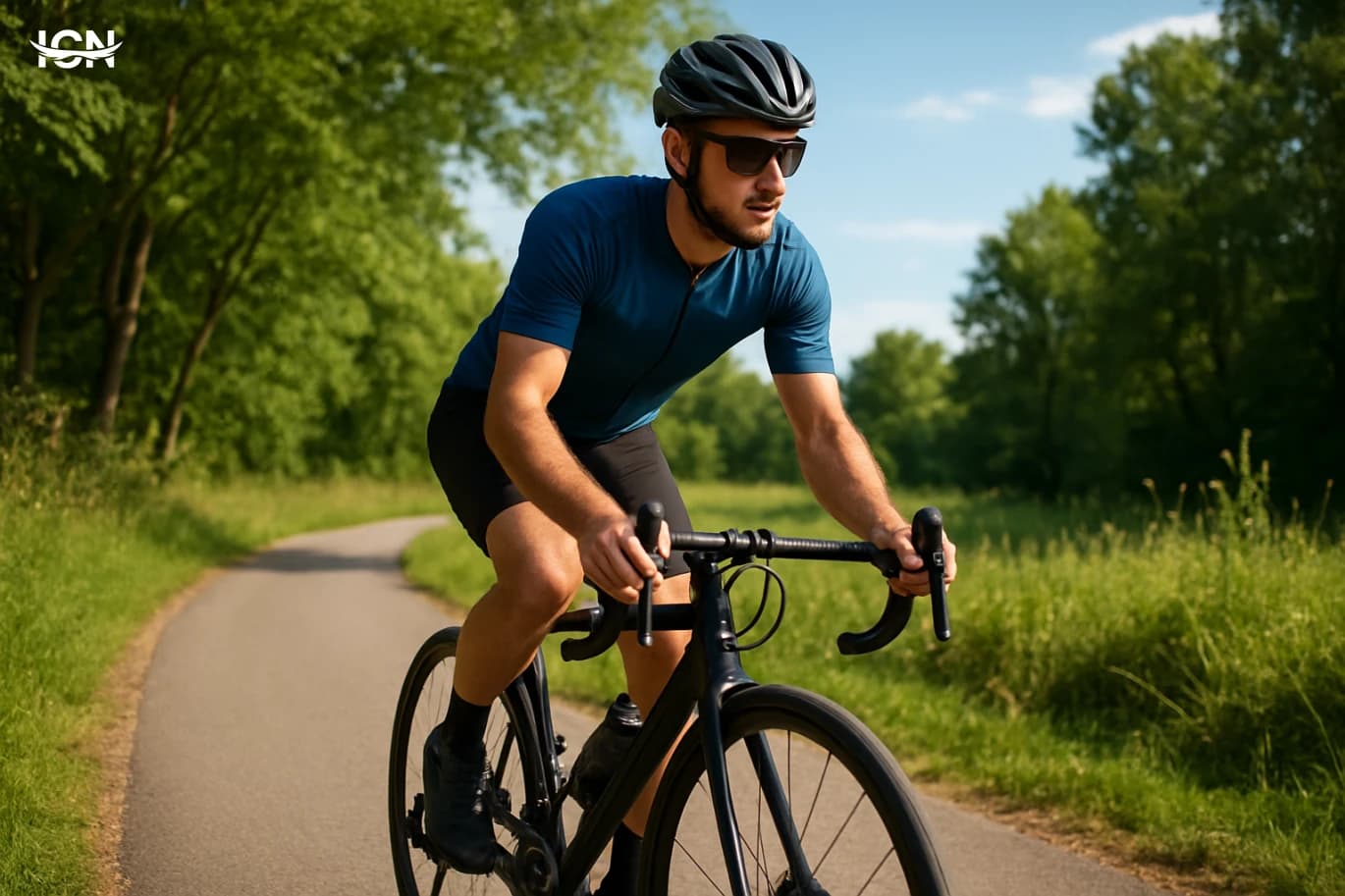
You do not need expensive equipment, but you do need reliable basics. Start with a properly fitted helmet, front and rear lights (even in daylight for visibility), and a bell or audible alert where appropriate. Wear bright or reflective elements, especially if you ride near traffic. For the bike, focus on the items that most often end rides early: tire pressure, brakes, and chain condition. Inflate tires to a pressure range suited to your tire width and rider weight; underinflated tires increase puncture risk and feel sluggish. Test brakes before leaving, and make sure the levers do not pull to the handlebar. A clean, lightly lubricated chain shifts better and reduces wear. Carry a small kit: spare tube (or patch kit), tire levers, a mini pump or CO2 inflator, and a multi-tool with the common hex sizes for your bike. Add a simple first-aid item like antiseptic wipes and a couple of bandages. Bring water and a snack that you can eat while stopped, such as a banana or an energy bar. If you ride longer than 90 minutes, plan for 30–60 grams of carbohydrates per hour, adjusting for intensity and heat.
A simple 4-week progression plan
A weekend routine improves fastest when it progresses gradually. Here is a practical four-week structure that works for many riders. Week 1: ride 60–75 minutes at an easy pace where you can speak in full sentences. Focus on smooth pedaling and relaxed shoulders. Week 2: ride 75–90 minutes, keeping the same easy intensity, and add 10 minutes of slightly faster riding in the middle. Week 3: ride 90–120 minutes. Include two short efforts of 5 minutes each at a “comfortably hard” pace, separated by easy riding. This introduces intensity without turning the ride into a race. Week 4: choose either a longer steady ride of 120–150 minutes or repeat Week 3 if you felt overly tired. The goal is to finish feeling like you could do a little more, not completely depleted. If you can add a short midweek session, keep it light: 30–45 minutes easy spinning or a skills-focused ride in a safe area. That extra frequency helps your body adapt, but the weekend ride remains the anchor. Track only a few metrics at first: total time, perceived effort, and how you felt the next day.
Technique and safety habits on the road
Good technique reduces fatigue and improves safety. Keep a steady cadence rather than pushing a heavy gear; many riders find 80–95 revolutions per minute comfortable on flat ground. Look ahead, not down at the front wheel, and scan for surface changes like gravel, potholes, or wet leaves. When braking, apply both brakes smoothly and earlier than you think you need, especially on descents. Positioning and communication matter. Ride predictably in a straight line, avoid weaving around parked cars, and leave space for doors to open. Use clear hand signals for turns and slowing, and make eye contact with drivers at intersections when possible. If you ride with others, keep a safe following distance and avoid overlapping wheels, which can cause sudden falls. Weather planning is part of safety. In heat, reduce intensity, drink more frequently, and consider electrolytes. In cooler conditions, dress in layers and protect hands, because numb fingers reduce braking control. If visibility is poor, prioritize lights and reflective gear, and choose simpler routes with fewer complex intersections.
Recovery, maintenance, and staying motivated
A weekend routine lasts when recovery and maintenance are built in. After the ride, eat a balanced meal with carbohydrates and protein within a couple of hours, and rehydrate until urine color is pale. Light stretching can help you notice tight areas, but sleep is the biggest performance tool. If you feel persistent knee pain, numb hands, or lower-back discomfort, consider a basic bike fit adjustment: saddle height, saddle tilt, and handlebar reach are common fixes. Maintenance does not need to be complicated. Once a week, wipe the chain and add a small amount of lubricant, then remove excess to avoid attracting dirt. Check tire tread for embedded debris and inspect sidewalls for cuts. Every month, confirm bolts are snug, brakes are responsive, and shifting is smooth. These small checks prevent most roadside issues. Motivation improves when goals are specific and realistic. Choose one measurable target for the next month, such as completing a 30 km loop comfortably or riding a local hill without stopping. Keep a simple log and note one thing that went well each ride, like steadier pacing or better cornering. If you want variety, alternate between a scenic route and a performance-focused route, but keep the start time and preparation routine consistent so the habit stays easy to repeat.