Best Time to Eat Dates
- Why timing matters
- Morning and breakfast options
- Before and after exercise
- With meals for digestion and satiety
- Evening intake and sleep considerations
- How to choose your best time
Why timing matters
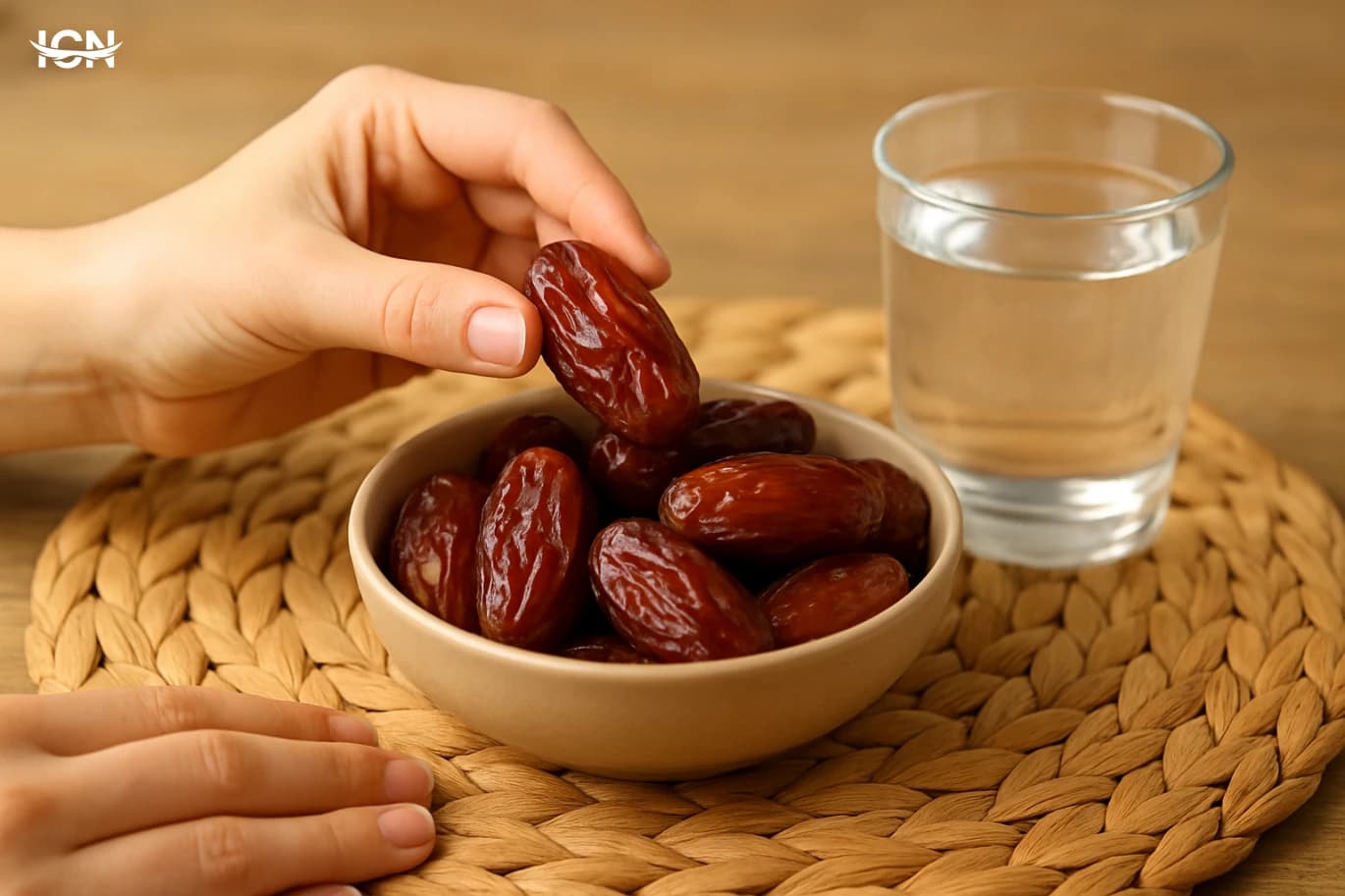
Dates are a concentrated source of carbohydrates, mostly natural sugars such as glucose and fructose, plus fiber, potassium, magnesium, and small amounts of B vitamins. Because they digest relatively quickly compared with foods rich in fat or protein, the time you eat them can influence how you feel afterward, especially in terms of energy, appetite, and digestive comfort. A small portion can provide a noticeable lift in energy, while a larger portion may raise blood sugar more sharply and feel heavy for some people. Timing also interacts with what you eat alongside dates. Pairing dates with protein or healthy fats, such as yogurt, nuts, or tahini, tends to slow digestion and reduce rapid spikes in blood sugar. Eating them alone on an empty stomach may be convenient, but it can be too intense for people who are sensitive to quick sugar absorption. The “best time” is therefore not a single universal hour; it depends on your daily routine, physical activity, and digestive tolerance. Portion size is the practical starting point. For many adults, 2–4 medium dates is a reasonable snack portion, while 1–2 may be better if you are watching calories or blood sugar. If you regularly feel bloated, gassy, or overly full after dates, the issue is often quantity, speed of eating, or pairing, rather than the fruit itself.
Morning and breakfast options
Eating dates in the morning can work well for people who need quick, practical energy, especially if breakfast is light or delayed. A couple of dates can raise blood glucose and replenish liver glycogen after an overnight fast, which may help concentration and reduce the urge for highly processed sweets later in the day. However, for those who experience a “sugar rush,” it is usually better to avoid eating dates alone. A balanced breakfast approach is to combine dates with protein and fiber. Examples include chopped dates mixed into plain yogurt with oats, or a small smoothie that includes dates plus milk or a protein source. Another option is to eat 1–2 dates after a savory breakfast rather than before it. This sequence can be gentler on blood sugar and may reduce stomach discomfort. If you have a sensitive stomach in the morning, start with a smaller portion and drink water. Dates are naturally high in fiber; increasing fiber suddenly can cause bloating. Gradual intake and pairing with other foods often improves tolerance. People who drink coffee early may also notice that coffee plus dates can feel stimulating; if you get jittery, shift dates to mid-morning instead.
Before and after exercise
For physical activity, dates can be a convenient carbohydrate source. Before exercise, they are often best 30–60 minutes ahead, especially for moderate workouts, because they provide easily available sugars. A practical pre-workout snack is 1–3 dates with a small handful of nuts or a glass of milk, depending on your tolerance. If you are doing high-intensity training and have a sensitive gut, keep the portion smaller to avoid stomach heaviness. After exercise, dates can help replenish glycogen, particularly when paired with protein. Many people benefit from eating 2–4 dates within an hour after training along with yogurt, a protein shake, or a meal that includes eggs, chicken, legumes, or dairy. This combination supports recovery and keeps hunger under control. Hydration matters. Dates contain minerals like potassium, but they do not replace fluids. If you use dates around workouts, drink water and consider overall electrolyte intake, especially in hot weather. Also note that “more” is not always better; large amounts can add significant calories quickly and may crowd out other nutrient-dense foods.
With meals for digestion and satiety
If your goal is digestive comfort and steadier energy, eating dates with or after a meal is often a smart choice. Fiber in dates can support regular bowel movements, but when eaten in large amounts on an empty stomach it may cause gas or cramping in some people. Taking dates as part of a mixed meal slows the overall digestion rate and can feel more comfortable. A common approach is to treat dates as a dessert replacement after lunch. Two dates after a meal can satisfy sweet cravings while keeping portions controlled. Another option is to add chopped dates to salads or grain bowls, where the sweetness balances savory flavors and the meal includes protein and fats that moderate absorption. People who are prone to reflux or heartburn may prefer earlier timing rather than late evening, and they may do better with smaller portions. If you notice symptoms, test different timings: with lunch versus with dinner, and alone versus paired with yogurt or nuts. Keep a simple log for a week to identify what works best for your digestion.
Evening intake and sleep considerations
Eating dates in the evening is not automatically harmful, but it depends on your total daily intake and how close it is to bedtime. Because dates are energy-dense, a large portion late at night can add calories without much opportunity to use them, and it may worsen reflux in susceptible individuals. On the other hand, a small portion can be a reasonable snack if it replaces less nutritious sweets. If you want dates at night, keep it modest and pair it wisely. One or two dates with warm milk or plain yogurt can feel satisfying and may prevent late-night grazing. Avoid combining dates with large, heavy meals right before sleep. Give yourself at least 2–3 hours between a substantial dinner and bedtime to reduce digestive discomfort. People with blood sugar concerns should be especially cautious with late-night dates, since glucose control can be less favorable during sleep hours for some. If you monitor glucose, compare readings on nights with dates versus without, and discuss patterns with a healthcare professional if needed.
How to choose your best time
The best time to eat dates is the time that supports your energy needs without causing digestive discomfort or excessive sugar intake. Start by defining your goal: quick energy, appetite control, or a healthier sweet option. Then choose a timing strategy. For quick energy, mid-morning or pre-workout works well. For appetite control, have dates after lunch or as an afternoon snack paired with protein. For a dessert replacement, keep it to 1–2 dates after a balanced meal. Pay attention to personal signals. If you feel sleepy after dates, reduce the portion or pair them with protein and move them earlier in the day. If you get bloated, spread intake across the week rather than eating many at once, and drink water. If you are managing weight, remember that dates are nutritious but calorie-dense; measure portions instead of eating directly from a large container. Finally, consider special situations. People with diabetes, prediabetes, or those using glucose-lowering medications should individualize portions and timing and seek medical advice. Children can enjoy dates, but portions should be small and part of a varied diet. In all cases, the most reliable approach is consistency: a small, planned portion at a predictable time is usually better than large, irregular intake.