App Logo

Download Our App

Shop your way

logologo
Image

basketball

07/29/2025By: ICN
basketball

the introduction

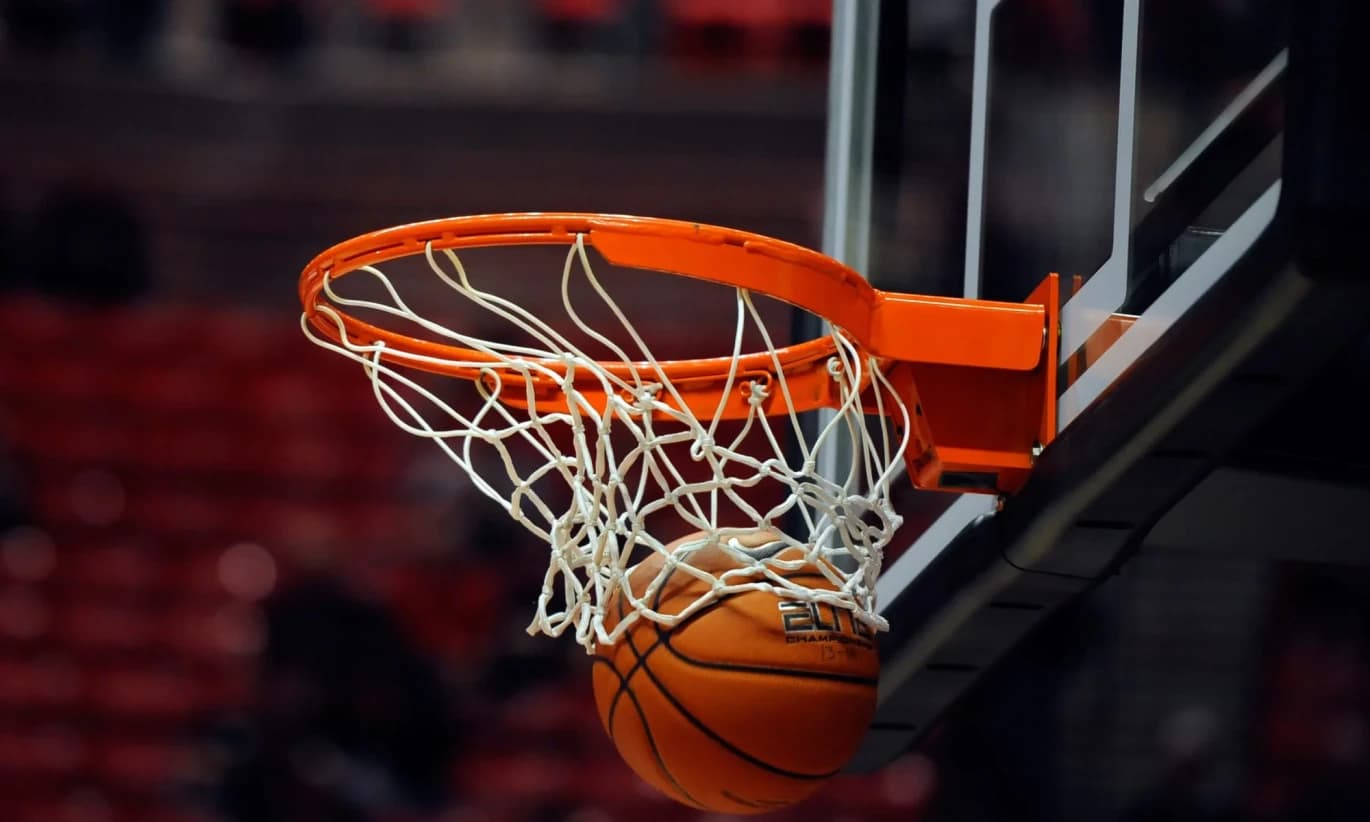
Basketball history was established in 1891 by Dr. James Naismith, who laid the rules of the original game in Springfield, Massachusetts. The game started as a way to maintain student activity during the winter season, and then developed into a global sport. Many countries are participating in national and international championships, which increased the popularity of the game. The rules of the game consists of a basketball game of two teams that compete to score the largest number of points by inserting the ball into the opponent basket. Players should take into account a set of rules, such as not walking in the ball and not using physical strength excessively. The game requires coordination, speed, and the ability to work to achieve success.

Basic basic basketball

The basketball basketball field is a rectangular area that is determined in certain dimensions, where the twos are located at the ends of the stadium. Special lines are used to determine the throwing areas, as well as the triple area, which affects how to record points. The design of the stadium is an important factor that affects the way of playing, as the shape and lines play a big role in the team's strategy. The tools necessary to play the game to enjoy the basketball game, players need a set of basic tools. The ball is the most important element, and it must be in high quality. Besides, the presence of appropriate sports shoes that provide support and stability while playing is necessary to ensure good performance and avoid injuries.

Play techniques and skills

Passing the ball is the skill of passing the ball is one of the basic skills in basketball. It takes accuracy and speed in the implementation of passes, as the pass type plays an important role in opening spaces for colleagues. Various passes such as short and long passes are used according to the position. Throwing the ball to achieve points, the players need to find the throwing skill. The throw should be accurate and strong, and depends on correct techniques to ensure the ball reach the basket. This skill requires continuous training to improve performance and registration in the match.

The positions and roles in the team

The attackers play the attackers a pivotal role in achieving points for the team. They are characterized by speed and ability to move flexibly. Their basic task is to use opportunities to register, whether by triple pomegranate or storming to the basket. The attackers are continuously working to understand the movements of defenders and determine the best ways to reach the basket. Defenders are the first line of defense in front of the opponent's attacks. They aim to prevent competitors from paying and causes chaos in attacks. Defenders should be focused and able to read toys, enabling them to make quick decisions and effectively direct colleagues on the field.

Play strategies

Offensive tactics are essential to score points and win. The attackers depend on good coordination between the team members, as this includes the continuous movement without a ball, and the exploitation of the available spaces, in addition to implementing immediate moves to create registration opportunities. Collective action also plays an important role in complex attacks that include exchanging pass and moving towards the basket. Defense tactics focus the defensive tactics on organizing the team in the face of the opponent's attacks. Defenders use methods such as pressure on the ball holders and prevent passes, which enhances the chances of restoring the ball. The defense must be flexible and able to adapt to the rival playing style, which contributes to creating a safe environment for the team during the match.
* All articles published on this blog are sourced from various websites and are provided for informational purposes only. They should not be considered as confirmed studies or accurate information. Please verify the information independently before relying on it.

Similar ARTICLES

Pickleball Skills for Busy Beginners
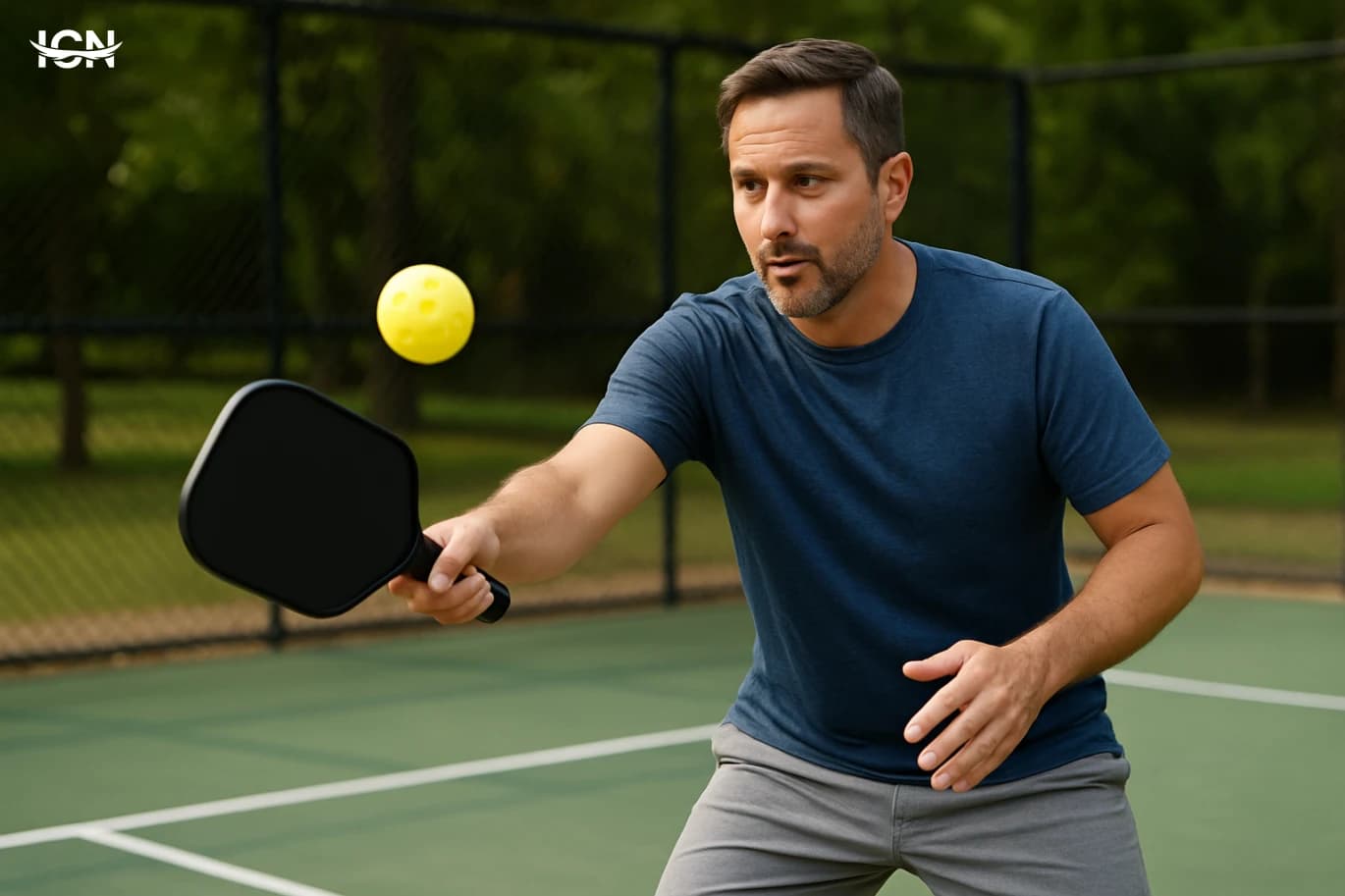
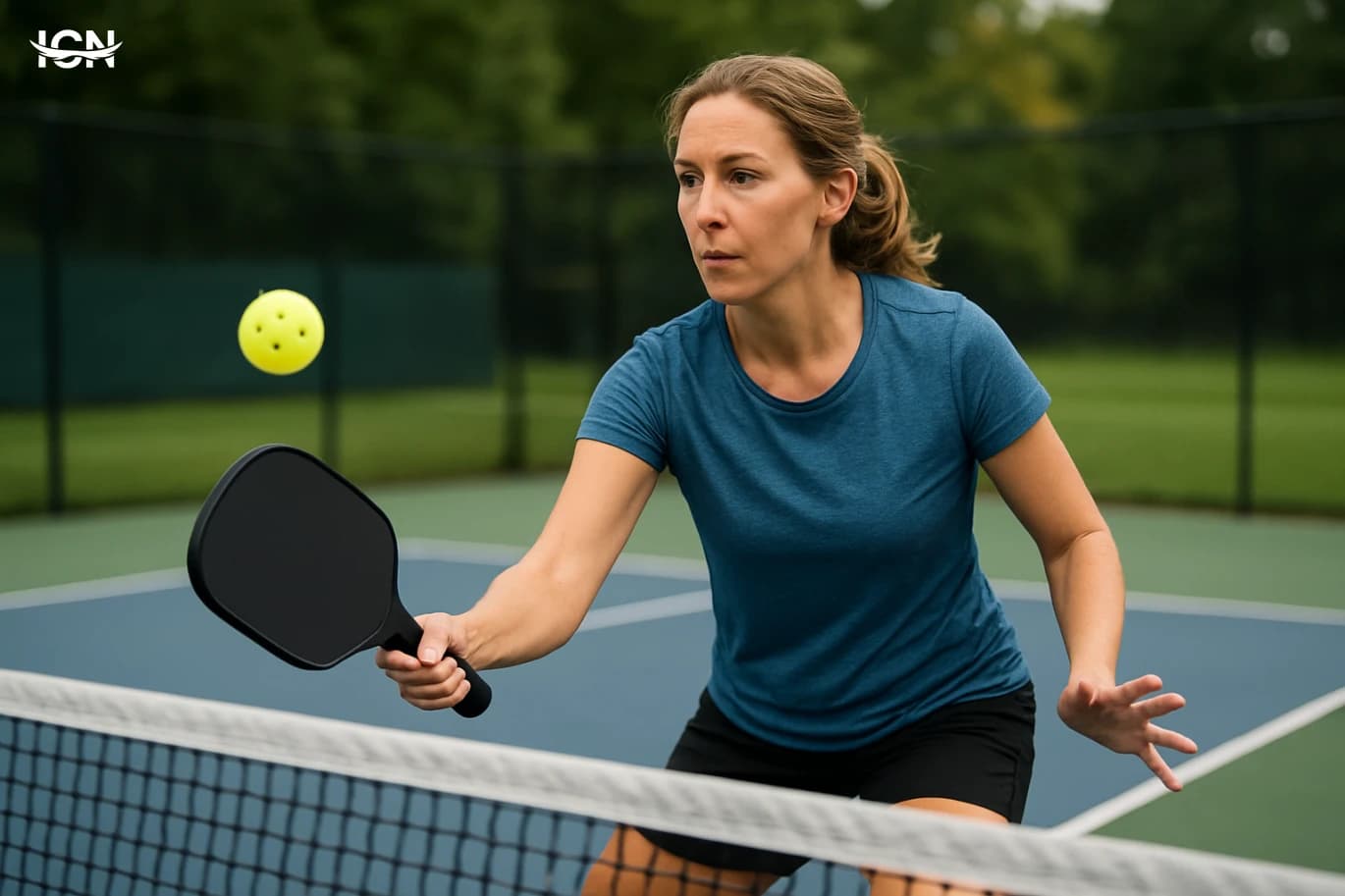
Pickleball has become one of the fastest-growing recreational sports because it is easy to start, social, and time-efficient. A typical game to 11 points can finish in 10–20 minutes, which makes it realistic to play before work, during a lunch break, or after dinner. Courts are smaller than tennis courts, so you cover less ground and can still get a solid workout without needing long training sessions. Many community centers and parks run open-play blocks where you can rotate in quickly, meet partners, and leave when your time is up. For beginners with limited time, the learning curve is friendly. The paddle is light, the ball moves slower than a tennis ball, and the rules are straightforward once you understand the non-volley zone near the net. Because doubles is common, you can share court coverage and focus on positioning rather than constant sprinting. The sport also rewards smart shot selection and consistency more than raw power, which helps new players feel progress within a few sessions. If you can commit to two short practices per week, you can build reliable fundamentals without turning your calendar upside down.
Pickleball Skills for Busy Beginners
Pickleball is one of the easiest racket sports to start because the court is small, rallies begin quickly, and you can get a full workout in a short session. A typical game to 11 points often takes 10–20 minutes, so you can play two or three games and still be done within an hour. The learning curve is friendly: the underhand serve reduces the barrier for new players, and the slower ball speed compared with tennis gives you more time to react. It is also a social sport that does not require a large group. Many community centers and clubs run open play blocks where you rotate partners, which means you can show up alone and still get quality games. For busy beginners, that matters: you do not need to coordinate schedules with three other people every time. Because the equipment is simple and durable, the ongoing costs are low, and you can keep a paddle and balls in your car or work bag for spontaneous sessions.
Building a Smart Weekly Running Routine
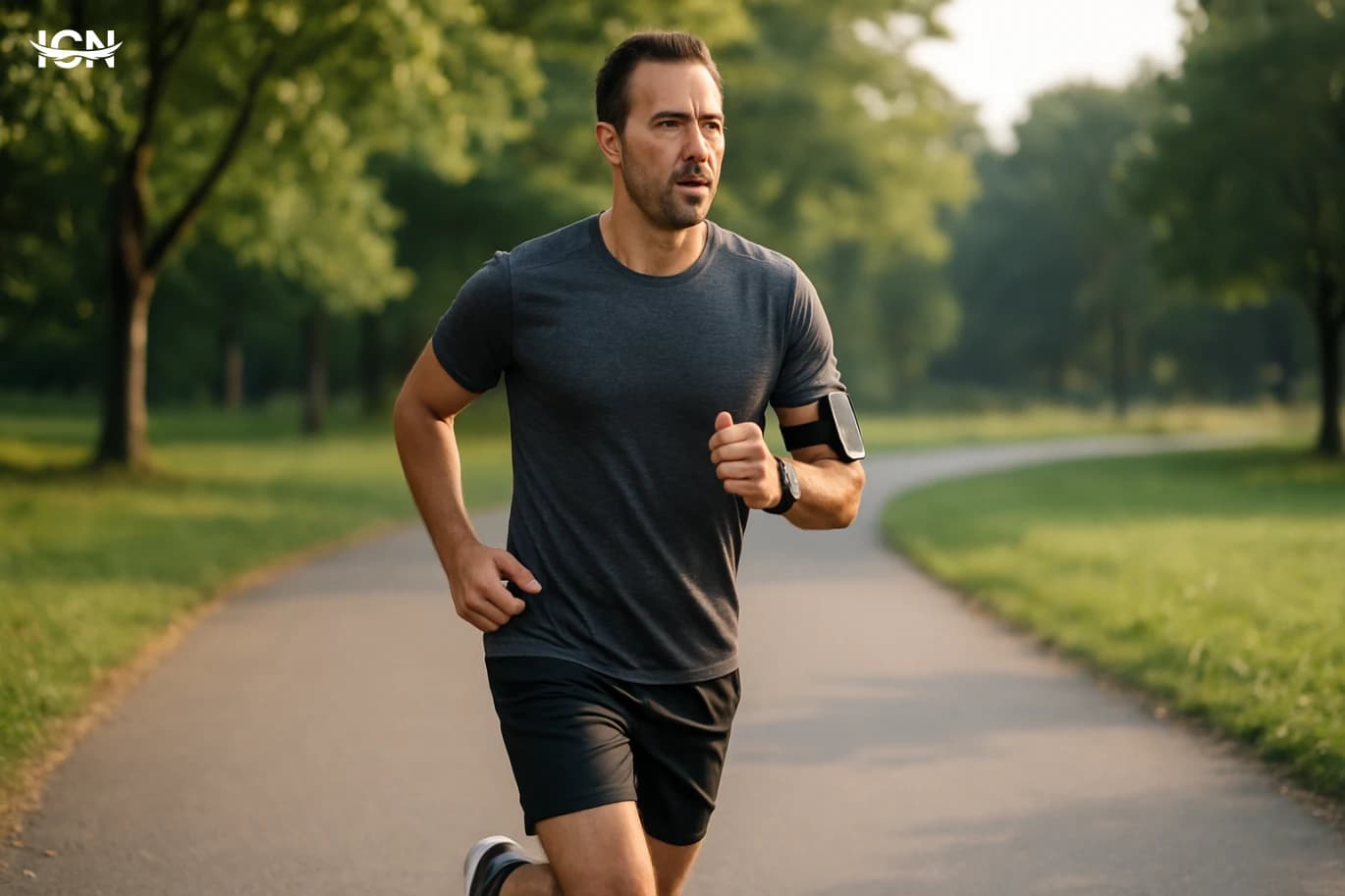
Many new runners start with enthusiasm and then stall because their training is unstructured. A weekly plan gives your body predictable stress and predictable recovery, which is how fitness improves without constant soreness. Instead of running hard whenever you feel motivated, you assign each day a purpose: easy effort to build aerobic capacity, a slightly faster session to improve efficiency, and rest or cross-training to protect joints. This approach also makes progress measurable. You can track how many minutes you ran, how you felt, and whether your breathing stayed controlled, then adjust the next week accordingly. A plan also reduces injury risk by limiting sudden spikes in volume. The most common mistake is increasing distance too quickly, especially when early improvements make running feel easy. A weekly routine sets boundaries: a maximum number of running days, a cap on the longest run, and at least one full rest day. It helps you fit running into real life, too. When you know which days are short and which day is longer, you can plan around work, family schedules, and sleep. Consistency becomes a habit rather than a daily decision.
Pickleball Skills for Busy Beginners
Pickleball has become one of the fastest-growing recreational sports because it delivers a real workout without demanding long sessions or expensive gear. A typical game runs 10–15 minutes, and you can play multiple games in an hour, making it easy to fit into a lunch break or a short evening slot. Courts are smaller than tennis courts, so you spend less time chasing the ball and more time practicing purposeful movement, which helps beginners improve quickly. For busy adults, the biggest advantage is the low barrier to entry. You only need a paddle, a few balls, and court shoes with good lateral support. Many community centers and parks offer open play with loaner paddles, so you can try the sport before buying anything. The rules are simple enough to learn in one session, yet the sport still rewards skill development, especially in touch shots and positioning. Pickleball also supports consistent habits. Because the learning curve is friendly, you can set small weekly goals, such as improving your serve placement or reducing unforced errors, and see progress quickly. That sense of momentum matters when time is limited. With a clear plan, two short sessions per week can be enough to build fundamentals and enjoy competitive games with friends.
Building a Safe 10K Plan for Busy Adults
A 10K is long enough to feel like a real achievement but short enough to prepare for without reorganizing your entire life. For many adults with full schedules, it offers a clear goal that can be reached with three to four runs per week, plus a small amount of strength and mobility work. Unlike a marathon build, the weekly time commitment is manageable, and the recovery demands are lower, which matters if you sit at a desk all day or travel often. From a fitness perspective, 10K training improves aerobic capacity, running economy, and pacing skills without requiring extreme mileage. It also gives you a measurable benchmark: you can track progress through a weekly long run, a short faster session, and a steady “comfortably hard” effort. The key is to treat the distance as a structured project, not a test of willpower. A plan that respects sleep, work stress, and gradual progression is what keeps you consistent and reduces the risk of overuse injuries.
Weekend Paddleboarding for Real Fitness Gains
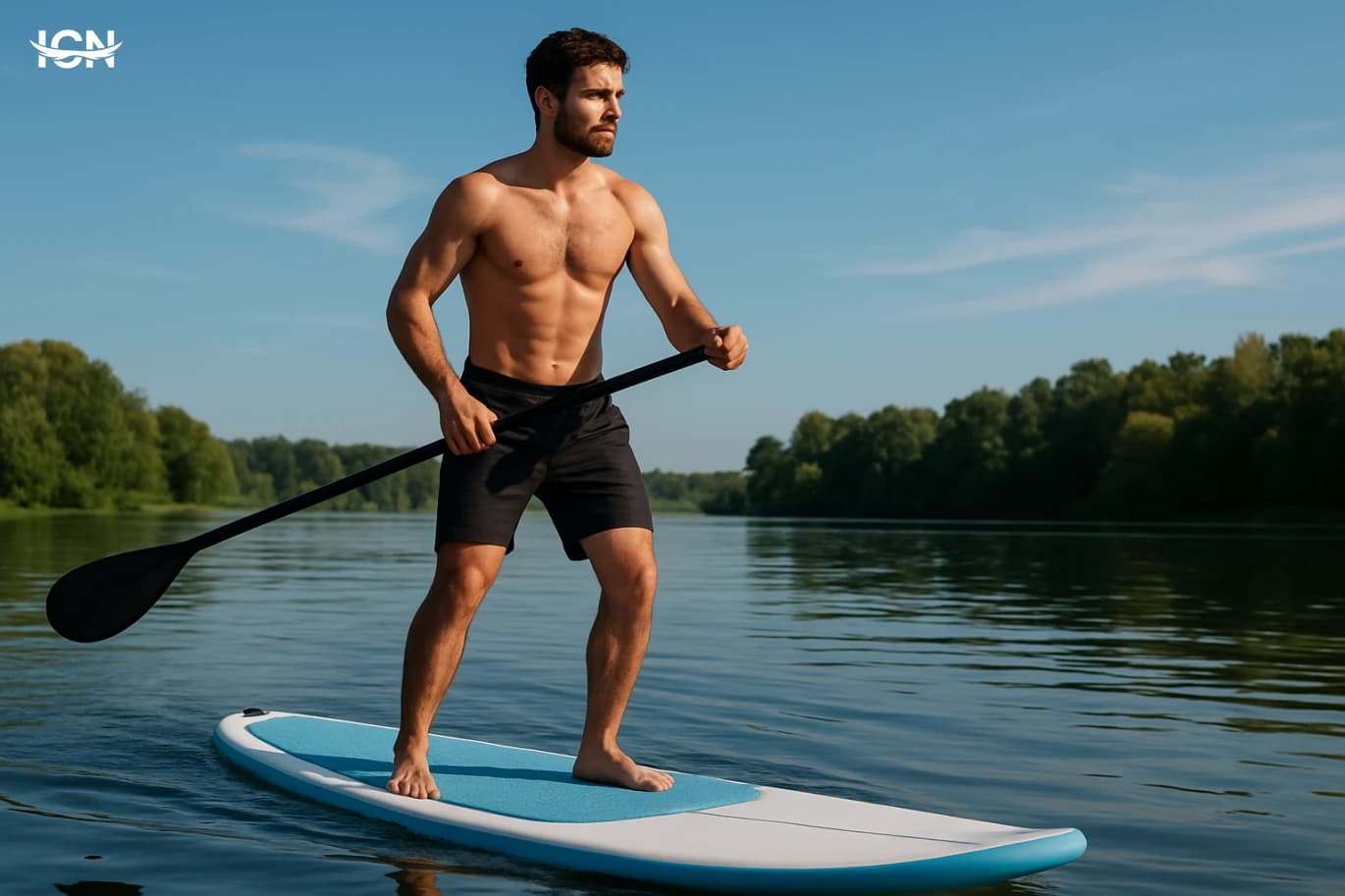
Stand-up paddleboarding (SUP) looks relaxed from the shore, but it can deliver measurable fitness benefits when you approach it with a plan. The board is an unstable platform, so your body constantly makes small corrections through the ankles, hips, and trunk. That steady demand recruits core stabilizers and improves balance in a way that many gym routines miss. At the same time, each paddle stroke uses the lats, shoulders, upper back, and arms, while the legs stay engaged to keep you centered. Even a short session can feel like full-body work because you are combining movement with stability. For weekend athletes, SUP is also practical. It is low-impact compared with running, and you can scale intensity by changing stroke rate, distance, and conditions. Flat water can be a steady endurance session, while light wind or small chop adds a balance challenge without requiring advanced skills. The key is to treat it as training rather than a casual float: set a goal for time, distance, or technique, and track it across weekends.
Building a Smart Weekly Running Routine
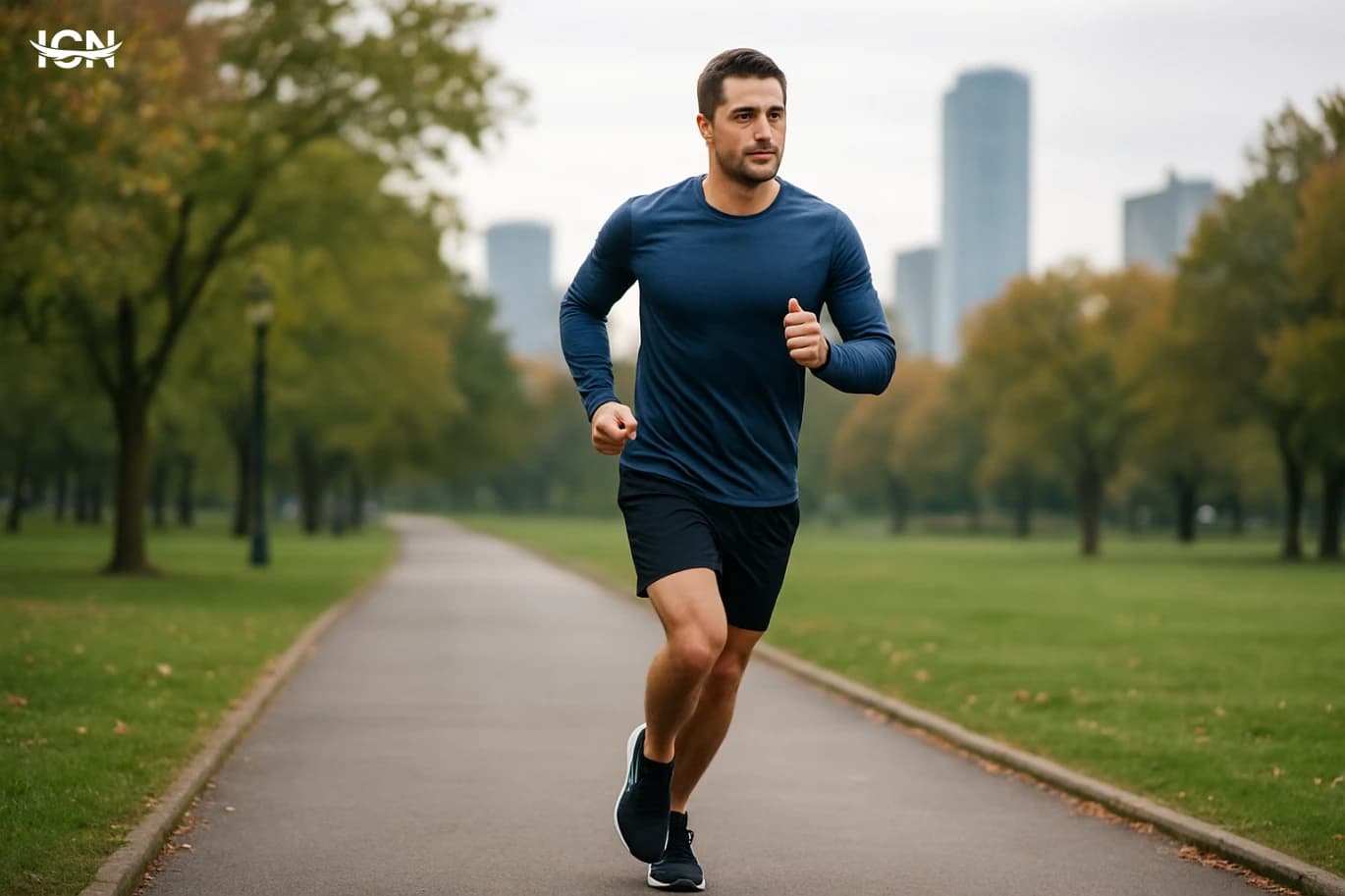
Many people start running with high motivation and then hit a wall within a few weeks. The most common reason is not “lack of willpower,” but a routine that is too intense, too frequent, or too random. Beginners often run every session at the same hard effort, which makes recovery impossible and turns each run into a test instead of training. Another frequent issue is skipping warm-ups and cool-downs, which increases soreness and makes the next session feel worse. A smart weekly routine solves these problems by giving each run a clear purpose. Some sessions build aerobic capacity at an easy pace, others develop speed safely, and at least one day is reserved for rest or low-impact activity. Consistency matters more than heroic workouts. A plan that you can repeat for eight to twelve weeks will outperform an aggressive plan that you abandon after ten days. The goal is to finish most runs feeling like you could do a little more, not like you barely survived.
Pickleball Skills for Busy Beginners
Pickleball has become a practical option for people who want a real sport without the time demands of long practices or complex equipment. A typical game is played on a smaller court than tennis, which reduces running distance and makes sessions feel productive even when you only have 45–60 minutes. Many community centers and multi-use courts offer open play blocks where you can arrive, rotate into games, and leave without committing to a full league season. For beginners, the learning curve is friendly because the paddle is easy to control and the ball travels slower than a tennis ball. That means you can build rallies quickly, which is important when your weekly training time is limited. The sport also supports social play: you can improve while playing doubles, where positioning and communication matter as much as raw speed. If you are trying to stay active between work, family, and errands, pickleball’s short games and accessible venues make it easier to keep a consistent routine.
Building a Safe First 5K Plan
A 5K is long enough to feel like a real event but short enough to prepare for without turning your life upside down. For most beginners, it can be trained for in 8–10 weeks with three focused sessions per week, plus optional light movement on other days. The distance also gives you a clear way to measure progress: you can track how long you can run continuously, how your breathing feels, and how quickly you recover the next day. The key is to treat the first 5K as a consistency project, not a speed project. Many new runners start too fast, get sore, and then stop for a week, which resets momentum. A safer approach is to build time on your feet gradually, keep most runs easy, and accept that the early weeks are about habit and technique. If you can finish a 5K comfortably, you can later choose to get faster, add longer distances, or simply maintain a healthy routine.
Weekend Cycling Plan for Real Progress
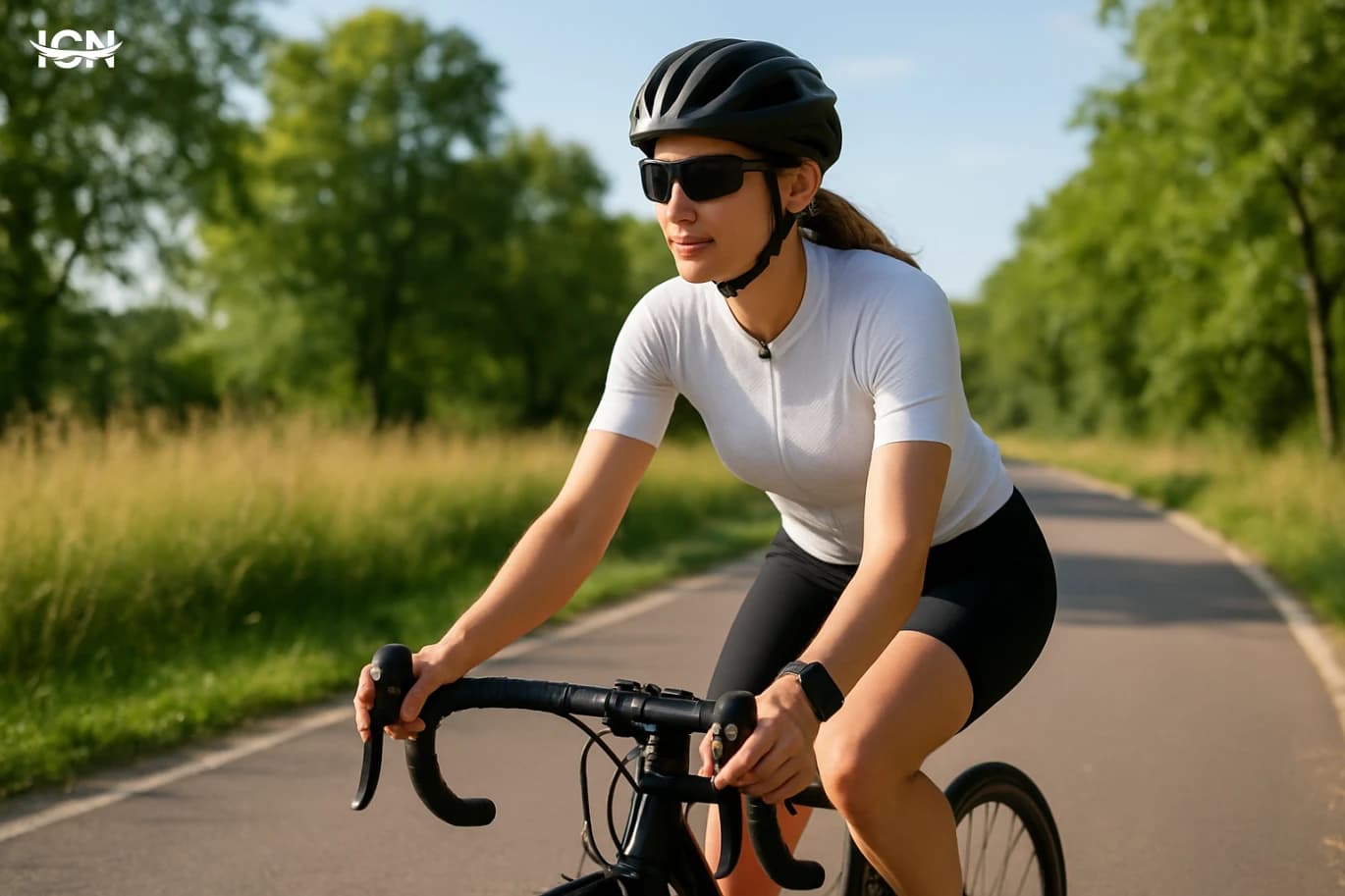
Many recreational cyclists ride only on weekends, then wonder why their speed and stamina plateau. The weekend can still deliver measurable progress if you treat it as a structured training window rather than two random rides. The key is to balance one ride that builds endurance with another that improves efficiency, while keeping recovery realistic for a busy schedule. A practical weekend plan also reduces the risk of overdoing it after a sedentary workweek. Instead of chasing distance every Saturday, you can use simple targets such as time in the saddle, steady pacing, and a few controlled efforts. This approach helps you improve cardiovascular fitness and leg strength without needing midweek sessions. It also makes your rides more enjoyable because you know exactly what you are trying to achieve.
Pickleball Skills for Busy Beginners
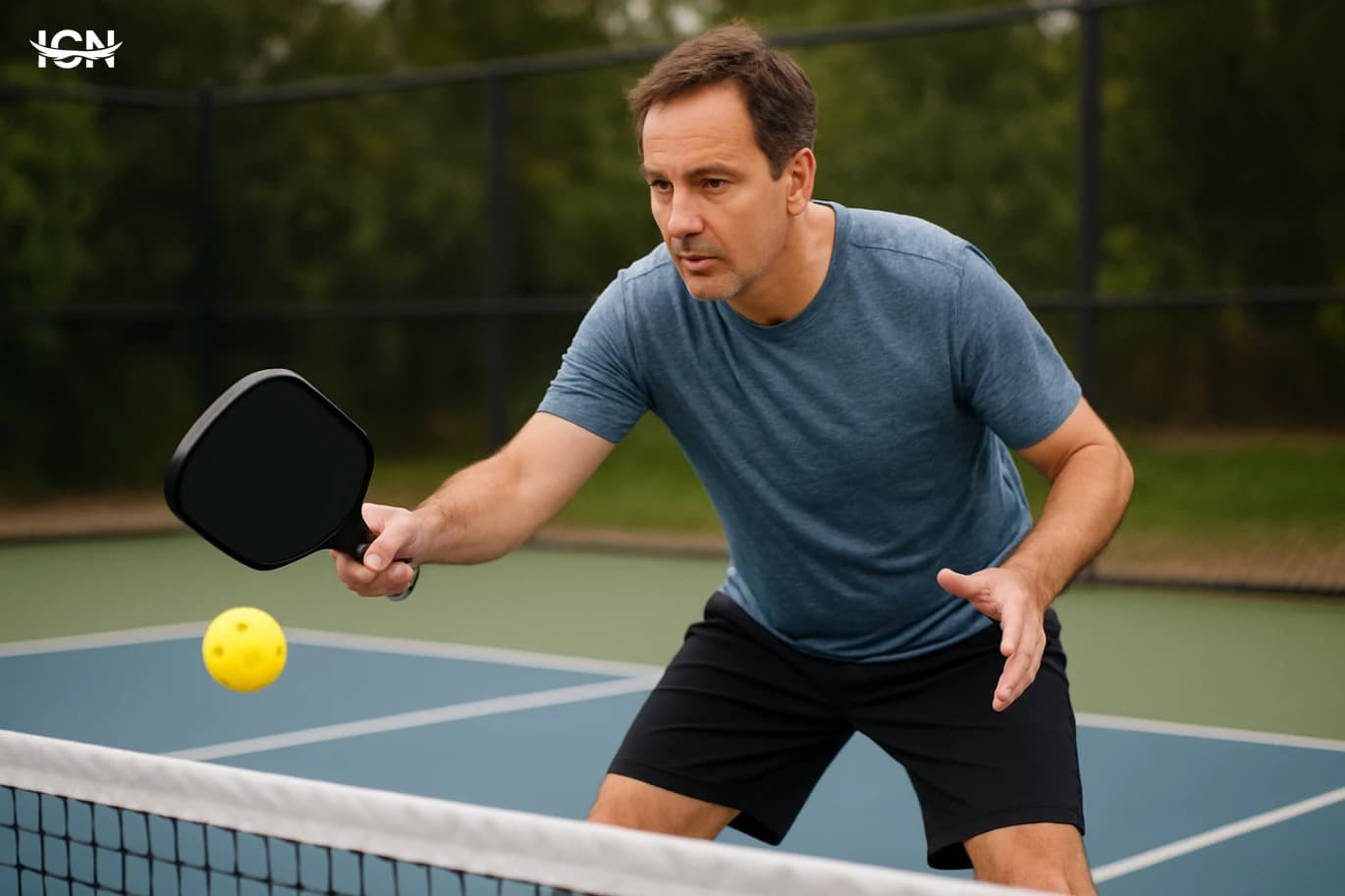
Pickleball is one of the easiest racket sports to start when time is limited. The court is smaller than tennis, games are typically played to 11 points, and most community sessions run in short blocks that fit into a lunch break or an evening hour. Because the paddle is solid and the ball is slower than a tennis ball, beginners can rally sooner, which makes each session feel productive even if you only play once or twice a week. Another reason it works for busy people is the social format. Many clubs use open play where you rotate partners and opponents every game. That means you can arrive, play two or three games, and leave without organizing a full group. For fitness, the sport delivers steady movement, quick changes of direction, and repeated short bursts, but it is generally lower impact than full-court running sports. With a simple plan, you can build skills and conditioning without long training sessions.
Building a Safe Weekend Cycling Routine
A weekend cycling routine is one of the easiest ways to stay consistent without reorganizing your entire week. Two planned rides can deliver measurable fitness gains, improve bike handling, and reduce stress, especially when the sessions have clear goals. The key is to treat the weekend like a small training block: one ride focused on endurance and one ride focused on technique or controlled intensity. This structure helps you avoid the common pattern of riding hard every time, which often leads to fatigue, sore knees, and skipped weeks. For most recreational riders, the weekend also offers safer conditions: more daylight, more time to choose routes, and less pressure to rush. That extra margin matters because cycling safety is often about decisions made before you roll out—route choice, timing, equipment checks, and hydration planning. A routine turns those decisions into habits. Over a month, the difference is noticeable: steadier pace, fewer mechanical issues, and better confidence in traffic and on mixed surfaces.
Building a Smart Weekly Running Routine
Many recreational runners rely on motivation and squeeze in a run whenever time appears. That approach often produces the same cycle: a hard effort after a long break, sore legs, then another break. A weekly plan reduces that volatility by setting a predictable rhythm for your body and schedule. It also makes progress measurable, because you can compare week to week rather than guessing based on a single “good” run. A practical weekly routine balances three needs: building aerobic fitness, protecting joints and tendons, and fitting real life. Instead of chasing distance every time, you assign each run a purpose. One day is easy and conversational, another is slightly faster, and one is longer but controlled. When each session has a role, you can improve without turning every outing into a test. A plan also helps you manage recovery. Most running improvements happen between runs, not during them. By placing easier days after harder ones and keeping at least one rest or cross-training day, you reduce the risk of overuse issues. The goal is not perfection; it is consistency across months, which is what actually changes fitness.
By clicking the SUBSCRIBE button, you are agreeing to our Privacy & Cookie Policy If you want to unsubsribe the marketing email, please proceed to our privacy center.
© 2005-2026 ICN. All Rights Reserved.