Ankaya tree
- Introduction to the Ankaya tree
- Natural description of the Ankaya tree
- Traditional uses of the Ankaya tree
- Health and therapeutic benefits
- Methods of planting and caring for the Ankaya tree
Introduction to the Ankaya tree
A. Introduction to the Ankaya Tree The Ankaya tree, also known as the “magic fruit tree”, is a type of tree that is widely grown in tropical regions. This tree is considered one of the most famous tree species in the world due to its health and environmental benefits. for. History and Origins The Ancaya tree is native to the tropical regions of Central and South America, where it has been used for centuries by indigenous people. Traces of this tree have been found in many archaeological studies, which indicates that it was considered an important and valuable food source.
Natural description of the Ankaya tree
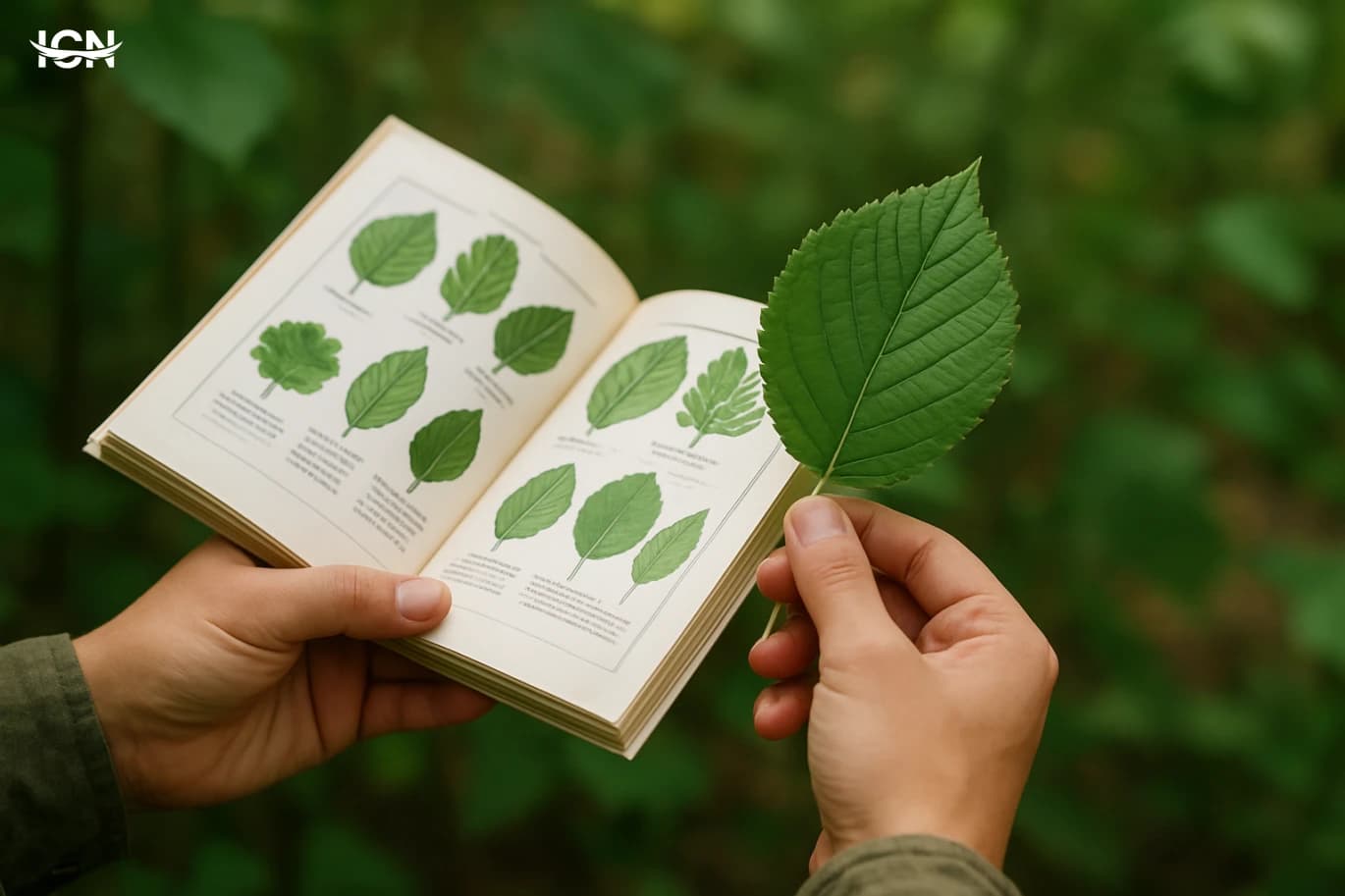
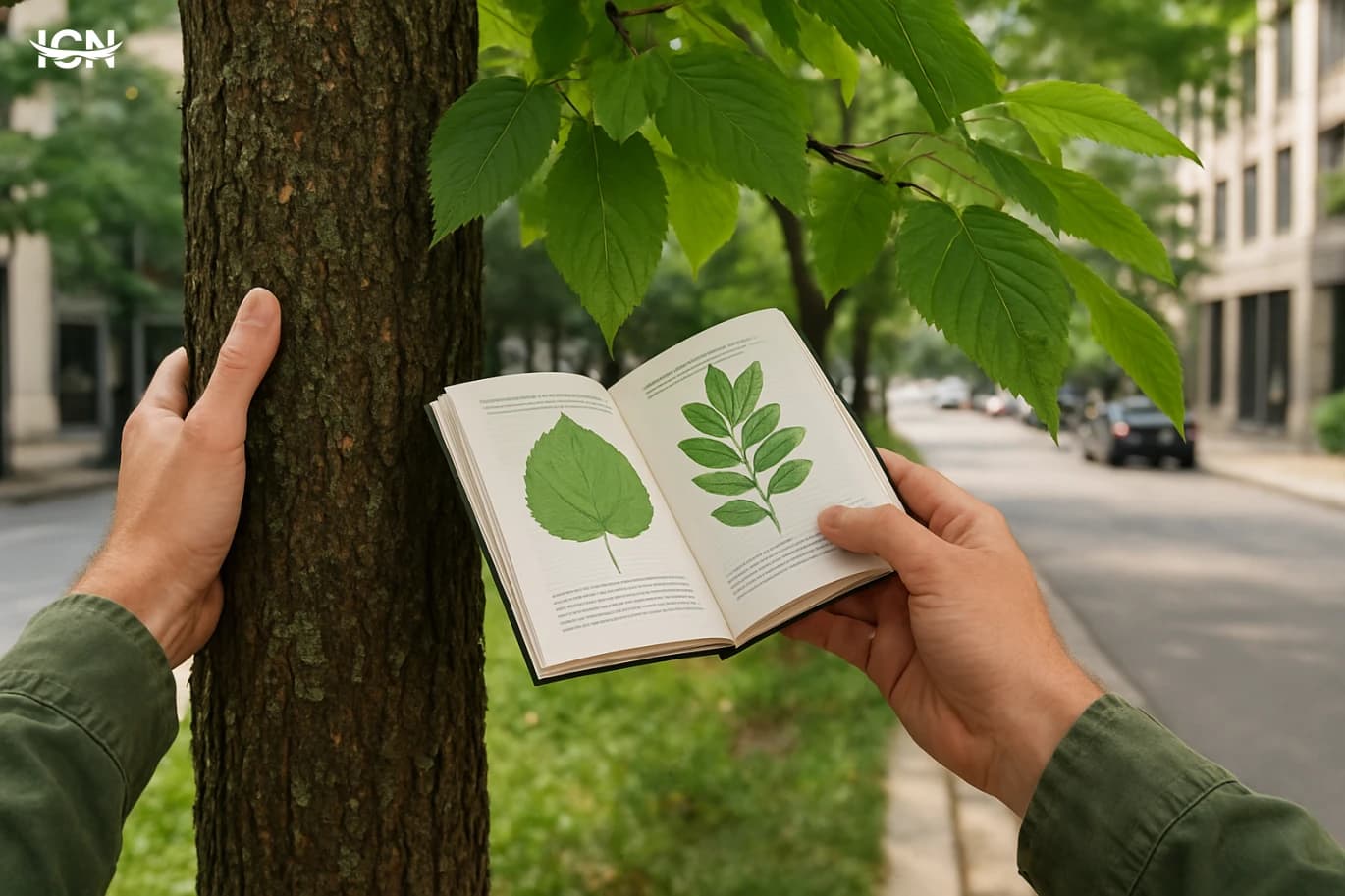
A. Botanical specifications: The Ankaya tree is an evergreen tree, reaching a height of about 10 meters. It is characterized by its large, shiny leaves and beautiful flowers that bloom in bright colors, making it a wonderful ornamental tree. Its fruits are rich in nutrients, and contain a high percentage of vitamins and minerals. for. Environment and Growing Habitat The Ankaya tree prefers humid and tropical areas, where it grows best in fertile soil that has good drainage. It thrives in temperatures ranging from 20 to 30 degrees Celsius, and needs direct sunlight for healthy growth. The tree is suitable for cultivation in home gardens and commercial farms, which enhances its economic benefits.
Traditional uses of the Ankaya tree
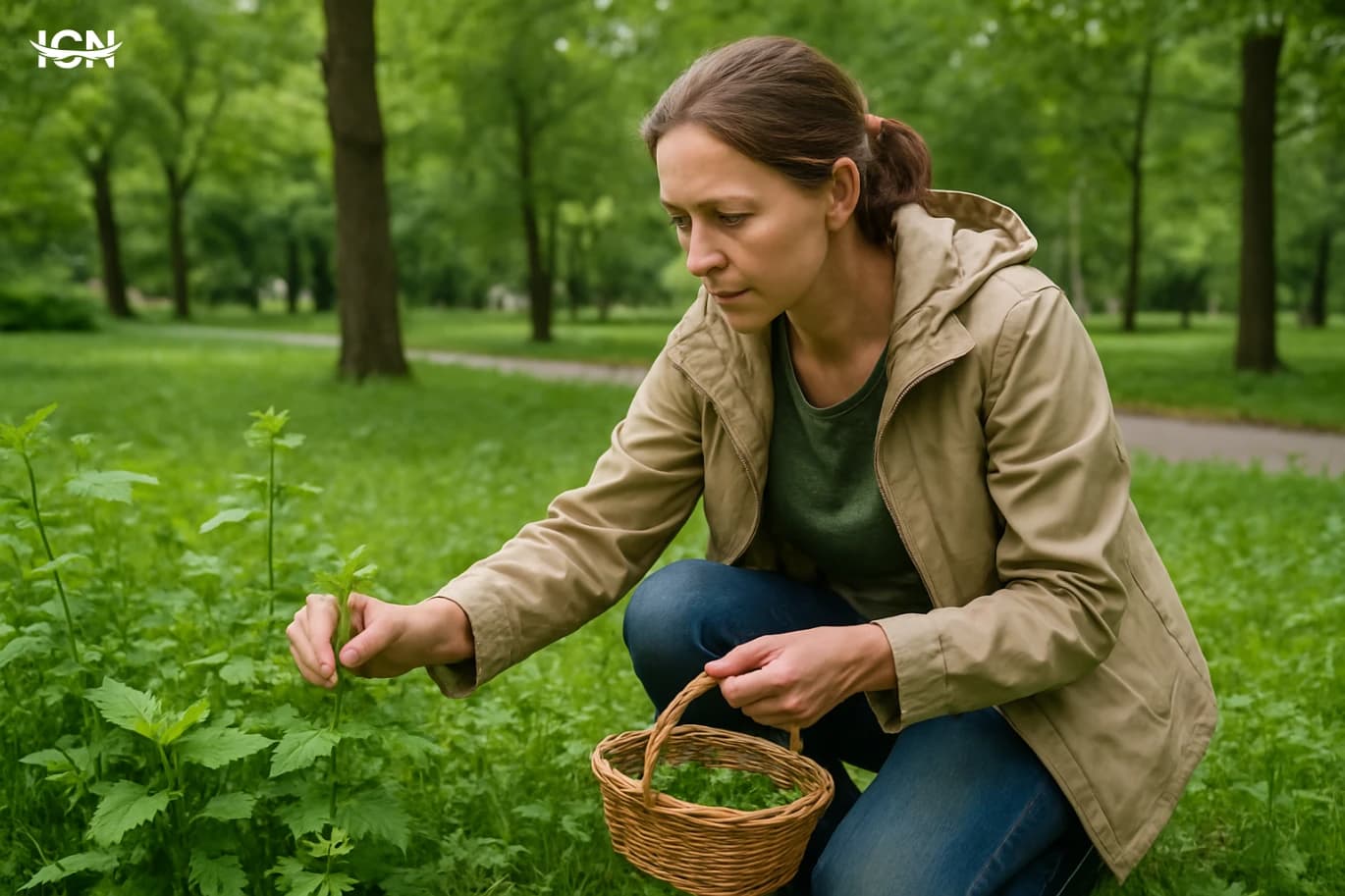
A. Folk Medicine The Ankaya tree is used in folk medicine to treat a variety of health conditions. Its leaves are believed to contain anti-inflammatory properties, making them useful in relieving pain and swelling. In addition, its roots are used to prepare some natural preparations that help boost immunity and improve general health. for. Industrial Uses Ankaya is an important source of a range of raw materials. Its wood is used in the manufacture of furniture due to its quality and durability, and its oils are used in the production of cosmetics. This use constitutes a distinctive economic aspect, as the tree contributes to strengthening local industries and improving the livelihoods of farmers.
Health and therapeutic benefits
A. Active Compounds in the Tree The Ankaya tree contains a range of active compounds such as flavonoids and polyphenols, to which many health properties are attributed. These compounds contribute to enhancing public health and providing protection against chronic diseases. for. Modern Therapeutic Applications Modern research is using Ankaya tree extracts in developing new medicines to treat infections and skin diseases. Some studies have proven the effectiveness of these extracts in reducing allergy symptoms and improving chronic health conditions. This indicates broad possibilities for benefiting from the tree in modern medicine.
Methods of planting and caring for the Ankaya tree
A. Planting Conditions The Ankaya tree needs well-drained soil and direct sunlight to thrive. It is preferable to plant it in areas with a warm and humid climate to ensure its proper growth. Growers should choose a location away from strong winds to maintain the tree's health. for. Care and pruning To maintain the health of the Ankaya tree, it must be pruned regularly to remove dead or diseased branches. It is encouraged to water the tree regularly and ensure it is provided with the necessary nutrients. Regular care leads to enhanced growth and increased healthy productivity.