App Logo

Download Our App

Shop your way

logologo
Image

Colors Winter 2025

11/04/2024By: ICN
Colors Winter 2025

entrance

Introducing the Winter Color Season 2025 The Winter Color Season 2025 is the perfect opportunity to showcase the beauty of unique fashion and designs. As winter approaches, designers are looking to present collections that reflect the cold weather and are characterized by diversity and innovation. Dark colors such as royal blue and dark gray will be very popular, along with warm colors such as burnt orange and blood red. The importance of colors in winter fashion shows Colors play an important role in attracting the audience’s attention and giving a new spirit to designs. Choosing the right colors reflects the brand’s personality and enhances the appeal of the clothes on display. In the winter season, colors create a balance between warmth and elegance, helping consumers choose the clothes that suit their taste and mood.

Main directions

Trending Colors for Winter 2025 Colors such as dark green and light blue are expected to be among the trending colors in winter 2025, adding a touch of freshness to the winter look. In addition, metallic colors such as gold and silver will be popular, adding luxury to the designs. The optimal color combination in winter fashion to achieve the desired effect, warm colors should be combined with cool colors, resulting in a balanced look that attracts attention. Vibrant colors can be used as a basic element, with neutral touches added to achieve harmony. This combination reflects a modern style and expresses luxury and comfort.

Psychological effects of colors

How Colors Affect Our Mood in Winter The colors chosen in winter greatly influence how people feel. For example, warm colors such as red and orange boost energy and activity, while cool colors such as blue and green contribute to calmness and relaxation. Strategies for Using Winter Colors in Daily Life Individuals can incorporate their favorite colors into their clothing and home decor to boost their mood. It is also recommended to choose colors according to specific occasions, such as using warm colors in social events to enhance positivity.

Using colors in interior design

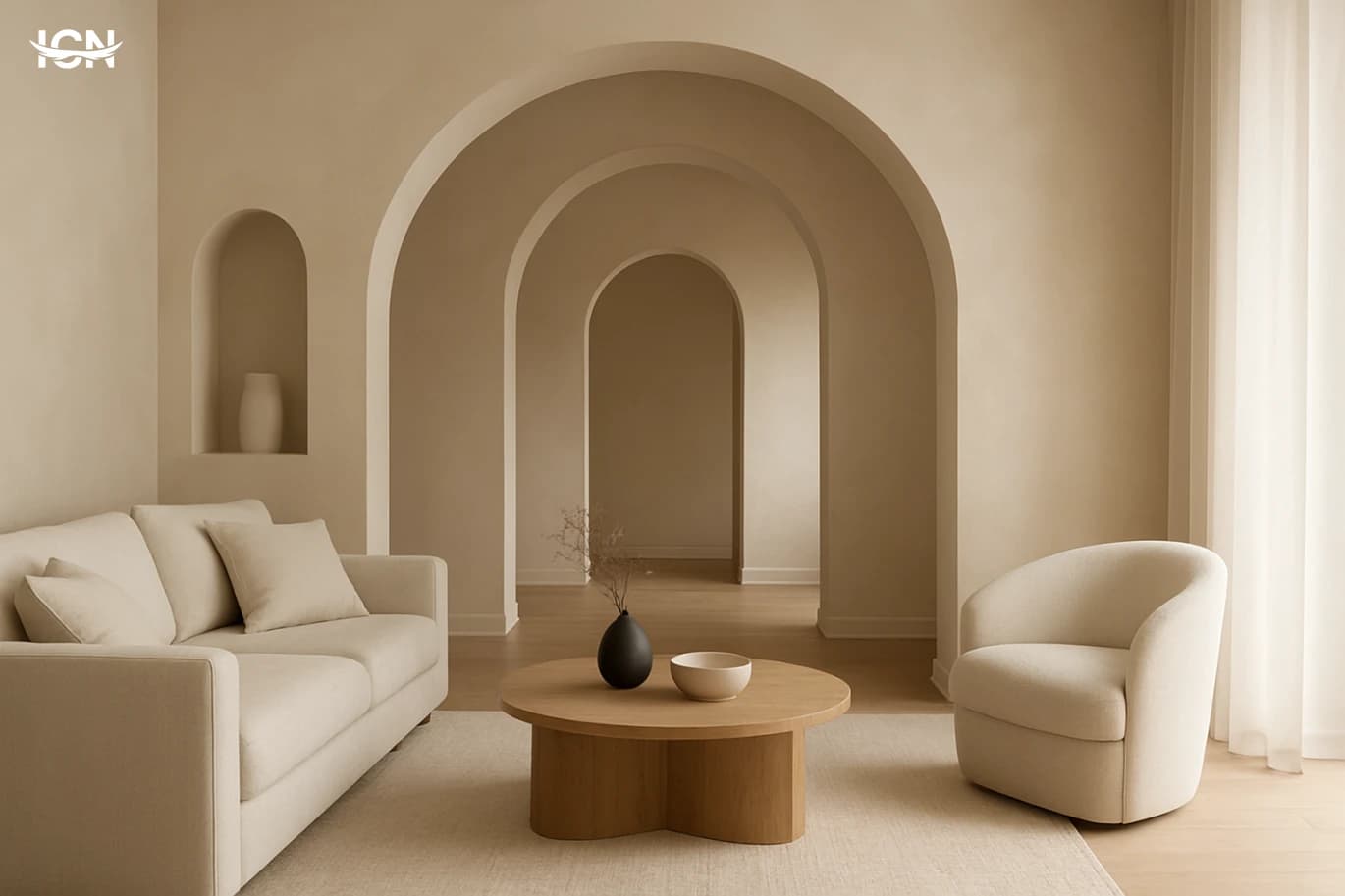
Ways to Use Winter Colors in Your Home Individuals can use winter colors in their home design in different ways. For example, curtains and rugs can be chosen in warm colors to enhance the atmosphere of the home. Small pillows in bold colors can also be added to add a touch of vitality to the rooms. The best color shades to make your home warm in winter Colors such as clay and light brown are ideal choices to give a sense of warmth. In addition, combining touches of warm colors with neutral colors enhances balance and comfort in interior spaces, making individuals feel reassured during the winter.

Winter fashion

Latest Fashion Color Trends for Winter 2025 As the winter season begins, new trends emerge in the fashion world, with warm colors such as deep red, royal blue, and dark green at the forefront of choices. These colors are ideal for adding a modern and attractive touch to winter looks. How to Incorporate Winter Colors into Your Wardrobe Individuals can incorporate winter colors into their wardrobe by choosing basic pieces that feature warm tones. Accessories, such as shawls and shoes, can be used to add colorful touches, which contribute to creating a unified and balanced look. Through these strategies, they can express their personal style in fashion.


* All articles published on this blog are sourced from various websites and are provided for informational purposes only. They should not be considered as confirmed studies or accurate information. Please verify the information independently before relying on it.

Similar ARTICLES

Fringe Decor Ideas for 2026 Homes
Fringe is returning to interiors because it solves a very current design problem: many homes look clean but flat. After years of smooth, minimal surfaces, designers are reintroducing tactile details that add depth without adding clutter. Fringe does that in a controlled way. It creates movement, softens hard edges, and brings a sense of craft that photographs well in natural light. The 2026 version is not the heavy, ornate fringe people remember from older living rooms. Today’s fringe is lighter, more graphic, and used in smaller doses. You see it paired with matte paints, pale woods, and simple silhouettes. It also fits the renewed interest in repairable, long-lasting décor: a fringe trim can refresh a cushion, a lamp shade, or a cabinet front without replacing the whole item. Another reason is material innovation. Cotton and viscose are still common, but recycled polyester, linen blends, and performance yarns are now used to reduce shedding and improve durability. That makes fringe more practical for everyday spaces like entryways and family rooms. The key is to treat fringe as a finishing detail, not the main event, and to choose a scale that matches the room’s proportions.
Early Mornings Without Energy Crash
If you wake up early for work, family, or study, the goal is not to “push through” fatigue but to create a predictable baseline your body can repeat. Start by choosing a fixed wake-up window you can keep at least five days a week, even if it is not perfect on weekends. A consistent wake time anchors your internal clock more effectively than a strict bedtime, because it stabilizes light exposure, meal timing, and movement. Track three simple signals for one week: the time you naturally feel hungry, the time you feel your first real dip in focus, and the time you feel sleepy. These markers help you plan breakfast size, caffeine timing, and the best slot for demanding tasks. Many people treat early waking as a willpower problem, but it is often a scheduling problem: energy drops are predictable when meals are delayed, hydration is low, or the first hour is spent in low light. Build a “minimum viable morning” routine that takes 20–30 minutes and includes water, light, and movement. Drink a full glass of water soon after waking, open curtains or step outside for daylight, and do 5–8 minutes of gentle mobility or a short walk. This combination reduces grogginess and supports alertness without requiring a full workout. When your baseline is stable, you can add extras like journaling or longer exercise without risking burnout.
Realistic Home Bookshelves That Still Look Good
Before moving a single book, decide what the shelves are for in your home, not what they should look like in photos. A living-room shelf used daily needs quick access and clear sightlines; a hallway shelf can be more decorative; a bedroom shelf may prioritize calm and low visual noise. Write down three actions you do around the shelves: grabbing a book at night, storing school materials, displaying a few objects, or keeping chargers and notebooks nearby. This short list becomes your rulebook. Next, measure the shelf heights and depths and note any awkward zones: the top shelf that is hard to reach, the bottom shelf that collects dust, or the corner that blocks tall books. Assign each zone a realistic role. High shelves can hold rarely used items and lightweight paperbacks; middle shelves should carry the books you pull most; low shelves can take heavier art books or baskets for overflow. This approach removes the pressure to make every shelf “perfect” and replaces it with a plan that matches your routines.
Why Your Home Still Smells Stale
Many homes look spotless yet still smell “used” because cleaning targets visible dirt while odors often come from invisible residues and trapped air. A quick mop with a scented product can mask smells for an hour, but it may not remove the source. Odors are typically carried by tiny particles and gases that settle into fabrics, porous surfaces, and ventilation paths. If those areas are not addressed, the smell returns as soon as the fragrance fades. Another common issue is using too much product. Excess detergent, floor cleaner, or fabric softener can leave a film that holds onto odors and attracts more grime. This is especially noticeable on tile grout, laminate seams, and washable rugs. The home then develops a persistent “chemical-clean” note mixed with stale air, which many people interpret as an unclean smell even after thorough scrubbing. A practical shift is to separate “soil removal” from “odor removal.” Soil removal means lifting grease and dirt; odor removal means neutralizing or extracting odor sources. That often requires different steps: rinsing after cleaning, washing textiles at the right temperature, and ensuring air exchange. When these are treated as two different tasks, results become more consistent and the home smells genuinely fresh rather than temporarily perfumed.
Gold Jewelry Care That Actually Works
Gold is chemically stable, but most jewelry is not pure gold. Common pieces are 18K or 14K, meaning they include alloys such as copper, silver, nickel, or zinc to improve hardness. Those added metals can react with sweat, cosmetics, and household chemicals, creating a dull film that makes the surface look tired even when the gold itself is fine. Another frequent cause is simple buildup: sunscreen, hand cream, soap residue, and dust collect in settings and along chain links, scattering light and reducing sparkle. Daily wear also creates micro-scratches. They are usually invisible individually, but over time they turn a mirror-like finish into a softer, hazier reflection. Rings and bracelets show this fastest because they rub against desks, bags, and other jewelry. Finally, gemstones and pearls set in gold can change how the whole piece looks; a cloudy stone or dirty prongs can make the gold appear less bright. Understanding these causes helps you choose the right cleaning method and avoid damage from overly aggressive products.
A Daily Park Half Hour Reset
Thirty minutes is long enough to shift your body out of “desk mode” and into a more balanced rhythm without needing a full workout plan. In that window, your heart rate can rise modestly with an easy walk, your breathing becomes deeper, and your eyes get a break from close-up focus. Research on everyday movement consistently shows that short, regular bouts of activity can improve energy levels and reduce the sluggishness that builds up from long sitting. A park adds something a treadmill or indoor corridor does not: varied surfaces, natural light, and a changing scene that keeps you moving without feeling like you are “training.” Even a slow loop that includes a few gentle inclines, steps, or uneven paths asks more of your stabilizing muscles than flat indoor floors. Over weeks, that can translate into better balance and fewer aches from stiffness. The key is consistency. A single visit can lift mood for a few hours, but the bigger health shift comes when the 30 minutes becomes a reliable appointment in your week. Think of it as a small daily reset that keeps your baseline healthier rather than a dramatic one-time fix.
First Year Momentum for University Success
The first university year is less about proving you are “smart” and more about building repeatable habits under new conditions: larger classes, different grading styles, and more independent time management. Encouraging phrases work best when they point to an action you can take today, not a vague promise about the future. In this year, your biggest advantage is consistency: attending, reviewing, asking questions early, and keeping deadlines visible. A useful mindset is to treat every week as a small semester, with a clear plan for lectures, reading, practice, and rest. Use encouragement as a practical tool: a short sentence you repeat before a lecture, an exam, or a difficult assignment. The goal is to reduce hesitation and start the next step. When you link a phrase to a routine—like opening your notes for 20 minutes after class—you train your brain to move from motivation to execution. The first year rewards students who start tasks early, learn how professors assess, and adjust quickly when a method does not work.
Your First Year University Advantage
The first university year is the easiest time to build habits because your schedule is still flexible and expectations are being set. Treat the semester like a project with clear inputs and outputs. In week one, map your fixed commitments (lectures, labs, commute, work hours) and then assign protected blocks for studying, health, and administration. A practical baseline is two focused study blocks for every lecture-heavy day, plus one weekly block for catching up on readings and assignments. Define three measurable outcomes for the term: an academic target (for example, a GPA range or passing all core courses without retakes), a skill target (such as improving academic writing, Excel, public speaking, or coding basics), and a network target (meeting a specific number of faculty, advisors, or peers). Keep the outcomes small enough to track weekly. Use a simple dashboard: a checklist for deadlines, a weekly review every Friday, and a monthly adjustment based on what actually worked. This approach turns “I’ll try harder” into a system you can manage.
Keep Your Aroma Diffuser Performing
Aroma diffusers look simple, but performance depends on a few sensitive parts: the water tank, the ultrasonic plate (or wick in some models), the air outlet, and the lid seals. When essential oils evaporate, they leave behind oily residues that cling to plastic and silicone. Over time, that film can dull the scent, change the aroma profile, and make the mist feel weaker because the device is pushing water through a surface that is no longer clean. Mineral scale is the other common issue. If you use tap water, calcium and magnesium can build up on the ultrasonic plate and inside the tank. That layer interferes with vibration and can create a faint “wet” smell that competes with your oils. Cleaning is not only about hygiene; it is a maintenance step that keeps diffusion consistent, prevents clogging around the air path, and reduces the chance of leaks caused by residue on gaskets.
How to Remove Lingering Pillow Odors
Pillows absorb far more than most people expect. Night after night, moisture from sweat and damp hair migrates into the filling, while skin oils and residues from hair products settle into the fabric. Add a warm bedroom and limited airflow, and you get a stable environment for odor to persist. Even when pillowcases are washed regularly, the pillow itself can hold onto smells because the core dries slowly and is rarely cleaned. Common odor sources include body perspiration, saliva, leftover shampoo or styling products, and environmental particles such as cooking fumes or smoke from outside. In humid climates, pillows can also pick up a musty smell if they stay slightly damp for long periods. Over time, these layers of residue can make the pillow smell “stale,” even if it looks clean. The key is to treat the pillow as a washable item with its own maintenance schedule, not as a permanent insert hidden under a fresh case.
Bathroom Washing Machine Done Right
In many apartments, the bathroom becomes the default place for a washing machine because it already has water supply, drainage, and a floor that tolerates occasional splashes. In older buildings, kitchens may lack a dedicated drain or enough clearance for a full-size unit, while bathrooms often have a flexible corner near the sink or shower. For renters, moving plumbing is usually not an option, so the bathroom placement is less a design choice and more a practical compromise. The decision also reflects daily routines. Laundry is closely tied to bathing and changing clothes, and some households prefer to keep wet items away from food preparation areas. The downside is that bathrooms are typically the smallest rooms, and adding a bulky appliance can disrupt circulation, storage, and the visual calm people want in a personal space. Treating the placement as a design problem—rather than a mistake—opens the door to solutions that protect comfort and function.
When Crowds Still Feel Distant
Feeling like an outsider in a familiar crowd is often less about the number of people around you and more about a mismatch in pace, interests, or expectations. You can be at a family gathering, a workplace meeting, or a café with friends and still sense that you are “not quite in sync.” This sensation tends to show up when the conversation topics feel repetitive, when humor doesn’t land the same way for you, or when you notice you are monitoring yourself more than participating. In everyday life, social settings come with unwritten rules: how much to talk, what to share, when to laugh, and how to show agreement. When your natural style differs from the group’s style, you may start to feel like you are performing rather than connecting. That performance can be subtle—choosing safe answers, avoiding certain opinions, or staying quiet to prevent misunderstanding. Over time, the gap between what you show and what you feel can make the room feel distant, even if people are friendly.
Escaping the Trap of Fake Perfection
Fake perfection is not the healthy desire to improve. It is the habit of treating “flawless” as the only acceptable standard, then hiding anything that does not match it. In daily life it shows up as over-editing your work until deadlines slip, refusing to share ideas until they feel “complete,” or avoiding new experiences because you might look inexperienced. It also appears in personal routines: strict plans that collapse after one missed day, or constant comparison with curated images of other people’s lives. A key sign is that the goal keeps moving. You finish a task and feel brief relief, then immediately notice what is still not ideal. Another sign is the cost: sleep, focus, relationships, and enjoyment shrink because the mind is busy scanning for mistakes. Over time, fake perfection becomes a social mask. You may present a version of yourself that seems always in control, while privately feeling anxious, behind, or not good enough. Understanding this pattern matters because it is often mislabeled as “high standards.” High standards can be motivating and flexible; fake perfection is rigid and punishing. The difference is simple: high standards help you learn, while fake perfection makes you hide.