A Week of Micro Surprises That Feel Personal

- Why micro surprises work better than big gestures
- Plan the week in 20 minutes
- Seven-day micro surprise menu
- Make it feel personal without overspending
- Delivery tactics and timing that increase impact
- Bookmark
Why micro surprises work better than big gestures
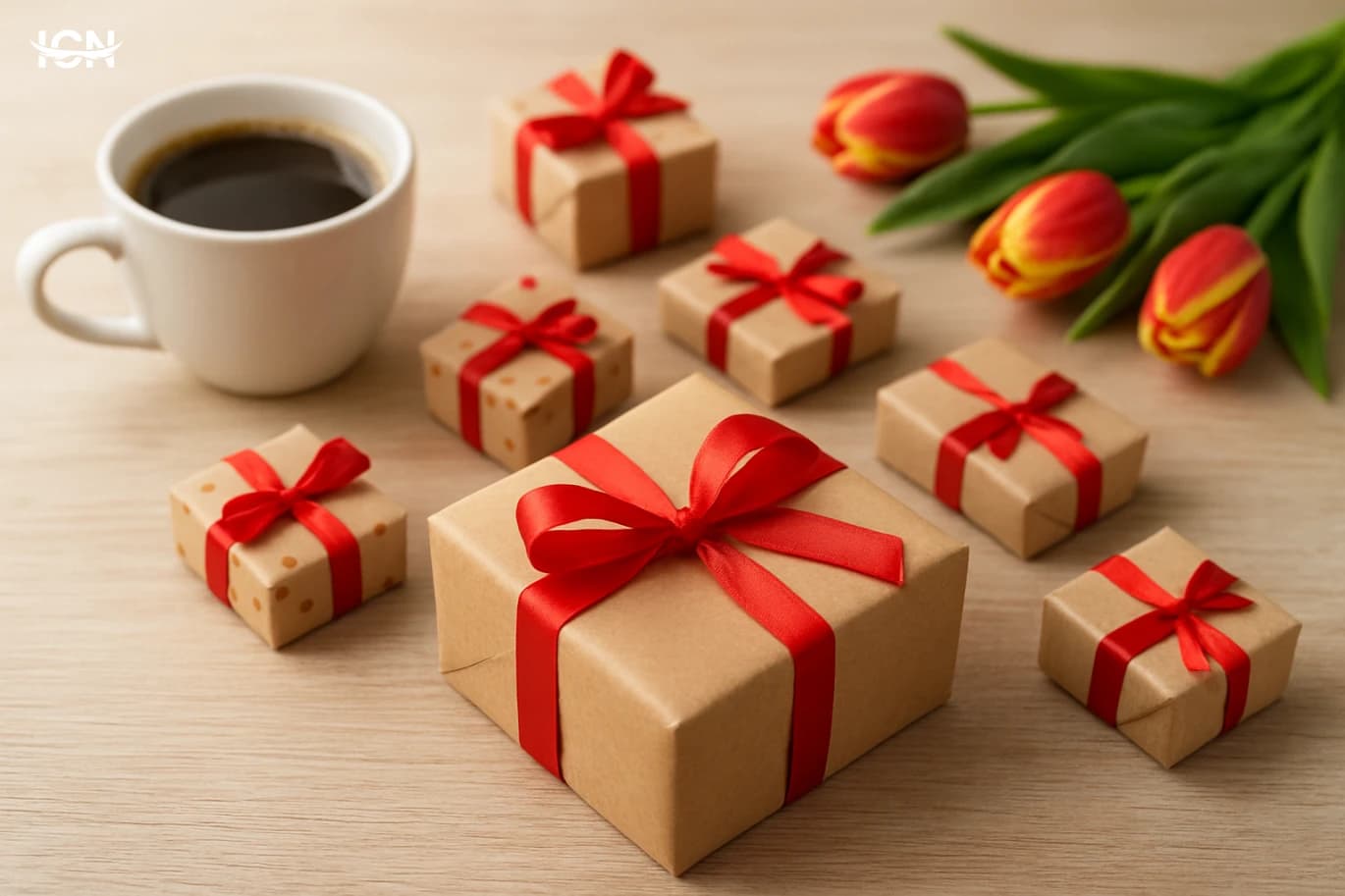
A single expensive gift can be memorable, but it often turns into a one-time moment. Micro surprises, delivered across a week, create repeated points of attention that feel more personal and harder to forget. They also reduce pressure: you are not trying to “win” the occasion with one perfect item, you are showing consistent care through small, specific choices. This approach fits real life budgets and schedules. Each surprise can take 5–15 minutes to prepare, and most can be sourced locally or made from items you already have. The key is relevance: the surprise should connect to something the person actually does, likes, or needs this week. When the gift is tied to a detail—an inside joke, a daily routine, a small problem they mentioned—it reads as thoughtful rather than performative. Micro surprises also allow course correction. If you notice a reaction that is lukewarm, you can adjust the next day without wasting a large budget. Over seven days, you can mix practical items with emotional touches and experiences, creating a balanced “gift story” that feels intentional rather than random.
Plan the week in 20 minutes
Start with a quick profile of the recipient. Write three columns: routines (coffee, commute, gym, bedtime), current stress points (deadlines, fatigue, clutter), and small joys (a snack, a show, a hobby). Then decide on a theme for the week so the surprises feel connected. Themes that work well include “comfort week,” “productivity boost,” “nostalgia,” or “local treats.” Set a realistic budget cap for the entire week, not per day. Many successful weeks land between $25 and $80 total, depending on location and what you can DIY. Next, choose delivery moments. Morning surprises feel energizing, midday surprises break up work, and evening surprises are best for calm, reflective gestures. Pick four to seven moments you can reliably execute. Finally, prepare two items in advance: a small stack of notes and a simple packaging system. Notes can be index cards, sticky notes, or a mini letter set. Packaging can be paper bags, envelopes, or reusable pouches. Consistent packaging makes even inexpensive items look intentional. Keep one “backup surprise” ready—like a favorite snack or a digital gift card—so you can still deliver something if the day gets chaotic.
Seven-day micro surprise menu
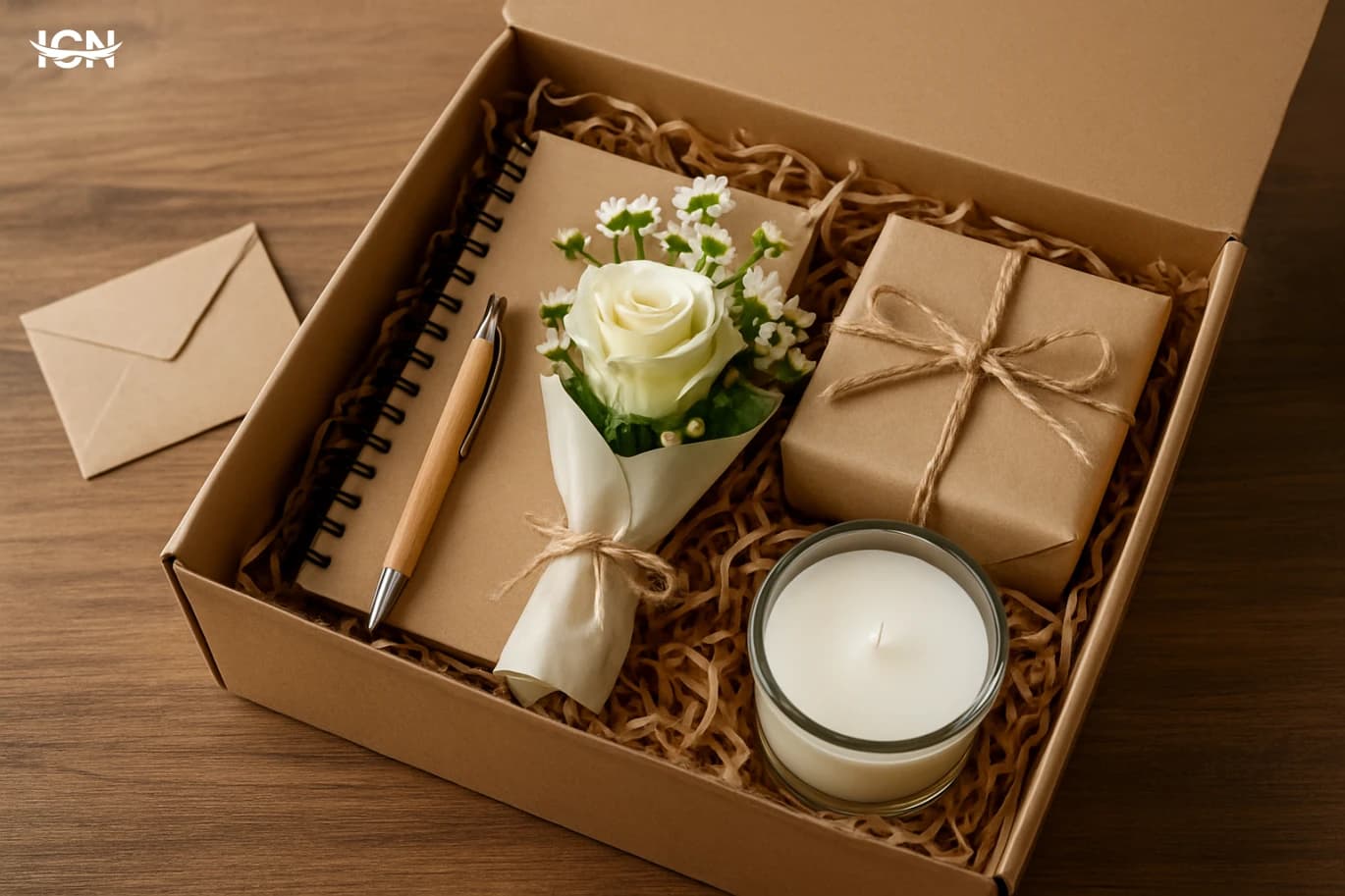
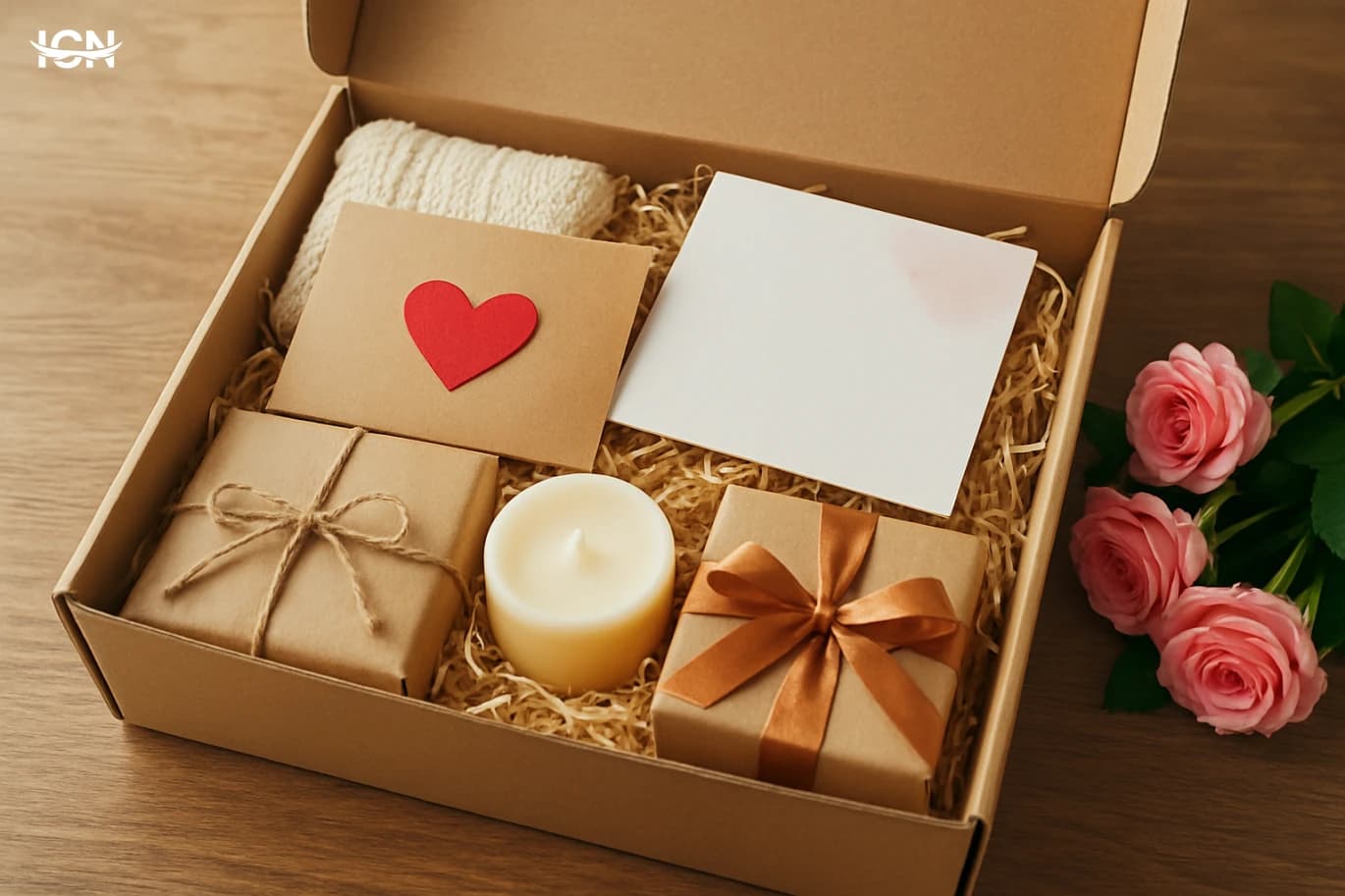
Day 1: A note that proves you listen. Leave a short message referencing a specific detail they mentioned recently, plus one practical item for the day: a new pen, a phone grip, or a small hand cream. Day 2: A “better morning” upgrade. Bring their preferred coffee or tea, or prep a grab-and-go breakfast with a label that includes the date and a one-line wish. Day 3: A friction remover. Fix a small annoyance without making it a lecture: replace a worn charging cable, organize a messy drawer into two categories, or refill something they always forget. Add a note that frames it as support, not correction. Day 4: A local treat. Choose something from a nearby bakery or market that matches their taste, and include a mini “review” card with why you picked it. Day 5: A memory trigger. Print one photo, or send a curated mini album of 5–8 pictures with captions. Keep it specific: one trip, one event, one season. Day 6: A small experience. It can be a 30-minute walk with a playlist you made, a home movie night with a pre-selected film, or a short class video you watch together. Day 7: A personalized bundle. Combine two small items that match their week: a snack plus a book chapter printout, or a bath soak plus a candle, or a desk plant plus a funny sticker set. The rule across all seven days is clarity. Each surprise should answer: what is it, why is it for you, and when should you use it. That clarity is what makes small items feel personal rather than random.
Make it feel personal without overspending
Personal does not mean expensive; it means specific. Use the person’s language. If they always say “I need a reset,” write that phrase on the note and pair it with a small reset tool: a face mask, a short guided meditation link, or a tidy desk setup. If they are detail-oriented, include a tiny checklist. If they are playful, include a mini riddle that leads to the item. Lean on customization that costs little: a printed label with their name, a playlist cover image, a bookmark made from a photo, or a “coupon” for a task you will do (laundry, dishes, a grocery run). Food surprises are high impact when they match preferences and restrictions; always consider allergies, dietary choices, and timing so the treat is actually usable. Avoid common mistakes that make micro surprises feel generic: buying random trinkets, repeating the same snack daily, or writing vague notes like “you’re the best.” Replace vague praise with concrete observation: “You handled that call calmly,” “You kept going even when you were tired,” or “I noticed you’ve been taking care of everyone this week.” Specificity is the difference between a cute gesture and a meaningful one.
Delivery tactics and timing that increase impact
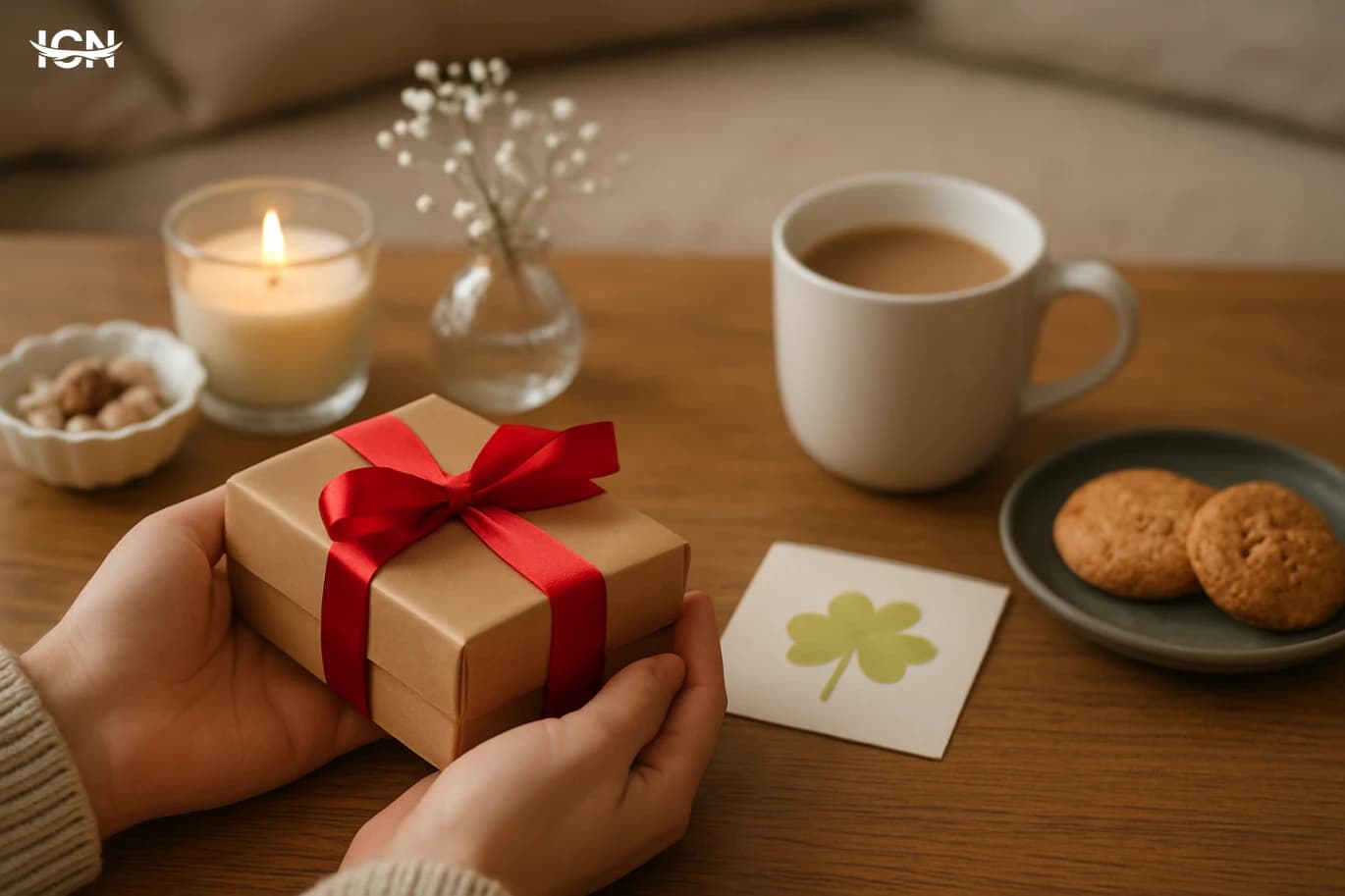
How you deliver the surprise matters as much as what it is. Use “found moments” where the person naturally pauses: next to the kettle, inside a laptop sleeve, on the car dashboard, or taped to the bathroom mirror. Keep placement respectful and private; avoid anything that could embarrass them at work or in front of guests. Timing should match energy levels. If they have a tough meeting on Tuesday, place the most supportive item that morning. If evenings are their decompression time, schedule the experience-based surprise then. For couples or roommates, coordinate so the surprise does not create extra chores. For example, if you bring a treat, also handle cleanup. If you set up a movie night, pre-test the streaming and volume. Use a simple tracking note on your phone: what you gave, where you placed it, and their reaction. This is not manipulation; it is feedback. It helps you avoid repeating items and lets you learn what actually lands. The goal is to make the week feel smooth, not like a series of interruptions.
Bookmark
Use this quick checklist to run a full week of micro surprises without overthinking. Choose a theme, set a total budget, and pick 4–7 delivery moments you can realistically keep. Mix categories: one practical fix, one local treat, one memory item, one small shared experience, and at least two notes that reference specific details. Before you start, prepare: 7 small notes, 3 simple packaging options, and 1 backup surprise. During the week, keep surprises clear and usable: label when to use them and why you chose them. After day seven, close the loop with a short message that summarizes what you enjoyed about the week and one thing you learned about their preferences. That final line turns a set of small gifts into a coherent, personal story.