A Surprise Day Plan Built Around Their Routine

- Why Routine-Based Surprises Work
- Step 1 Map Their Day in Five Anchors
- Morning Micro-Surprises That Feel Premium
- Midday Upgrade Without Disrupting Work
- The Main Moment Choose One Meaningful Highlight
- Evening Wrap-Up and a Keepsake That Lasts
Why Routine-Based Surprises Work
A strong surprise does not have to be expensive or loud. The most reliable approach is to design it around what the person already does every day, then upgrade those moments in small, thoughtful ways. Routine-based surprises feel personal because they show you noticed details: the exact time they take coffee, the route they walk, the playlist they use while working, or the snack they buy on the way home. That attention is the real “wow” factor. This format also reduces risk. You are not forcing a new activity that might clash with their schedule, energy level, or preferences. Instead, you are adding comfort, convenience, and delight to familiar touchpoints. It is easier to plan, easier to execute, and easier for the recipient to enjoy without feeling pressured. For busy people, that matters. In this article topic, the gift idea is not a single item. It is a structured day plan with a sequence of micro-surprises that fit into their normal day. Each section can be adapted for a partner, friend, parent, colleague, or roommate, and it works for birthdays, promotions, exam milestones, or “just because” moments.
Step 1 Map Their Day in Five Anchors
Start by mapping the day into five anchors: morning start, commute or first movement, midday break, late-afternoon slump, and evening wind-down. You do not need surveillance-level detail. A simple note on what they usually do at each anchor is enough. For example: 7:30 coffee at home, 9:00 desk setup, 1:00 lunch near the office, 4:30 snack and short walk, 8:00 streaming show. Then choose one “primary anchor” where you will place the biggest surprise, and keep the rest as lighter touches. This prevents the day from feeling overproduced. A primary anchor could be a reserved seat at a small workshop they would actually enjoy, a pre-booked massage at a quiet place, or a planned meet-up with two friends they miss. The other anchors can be upgrades: a better version of their usual coffee, a handwritten note, or a small item that solves a daily annoyance. To keep it practical, set a budget range for each anchor. Many successful routine surprises stay under a modest total because they replace spending on random items with spending on targeted improvements. The planning itself becomes the gift: it shows intent, not just purchase power.
Morning Micro-Surprises That Feel Premium
Morning is the easiest place to add value because small upgrades are immediately felt. If they make coffee, swap in a high-quality bag of beans or a specialty tea they would not buy for themselves, plus a simple note explaining why you chose it. If they eat a quick breakfast, prepare a “grab-and-go” box with two items they actually like, not a generic assortment. Include something practical such as a new insulated cup, a tidy cable organizer, or a compact hand cream for dry office air. Timing matters. Place the surprise where they will naturally see it: next to the kettle, inside the lunch bag, or on top of the laptop. Avoid clutter. One well-chosen item and one short message is stronger than five random items. If you live with them, you can also handle a routine task they dislike, such as taking out recycling or refilling the car with fuel, and leave a note saying it is done. For an extra layer, add a “day pass” card: a small printed card that says they have a day of small upgrades coming, with a simple schedule like “Check your bag at lunch.” This builds anticipation without revealing everything.
Midday Upgrade Without Disrupting Work
Midday is where many surprises fail because they demand time. The routine-based approach respects the workday. If they usually buy lunch, pre-arrange a delivery to arrive at their normal break time, choosing a dish they already like but from a better place. If they bring lunch, add a dessert or fruit they prefer, plus a short audio message they can listen to privately. You can also create a “two-minute reset” kit: a small pouch with mints, a mini notebook, a quality pen, and a single-use face wipe. These are not glamorous, but they are useful and feel considerate. Another option is a digital surprise that costs little: a curated playlist titled with an inside reference, a short list of three articles on a hobby they follow, or a voucher for an audiobook credit. If you want a social element, keep it controlled. Arrange a quick coffee drop-in with one close friend at a nearby café, with a strict 20–30 minute window. The goal is to brighten the day, not to hijack it. The best midday surprises end on time and leave the person feeling supported, not rushed.
The Main Moment Choose One Meaningful Highlight
Your primary anchor should match a real interest, not a generic “treat.” Choose one highlight that feels like a clear upgrade to their life. Examples: a short class in something they already dabble in (bread baking, photography basics, pottery), a ticket to a small local event aligned with their taste, or a pre-booked appointment that removes friction (bike tune-up, wardrobe tailoring, or a professional car wash if they care about their vehicle). The key is specificity. If they like cooking, do not book a random restaurant; book a tasting menu only if they enjoy that style, or a market tour if they like ingredients and learning. If they are stressed, do not plan a packed itinerary; plan one calm activity and protect the time around it. Provide all logistics in one message: time, location, what to bring, and how long it will take. If there is any dress code or payment detail, handle it. Add a small physical “proof” of the plan: a printed confirmation, a simple envelope, or a card with the schedule. People trust surprises more when they can see the plan is organized. That reduces anxiety and increases enjoyment.
Evening Wrap-Up and a Keepsake That Lasts
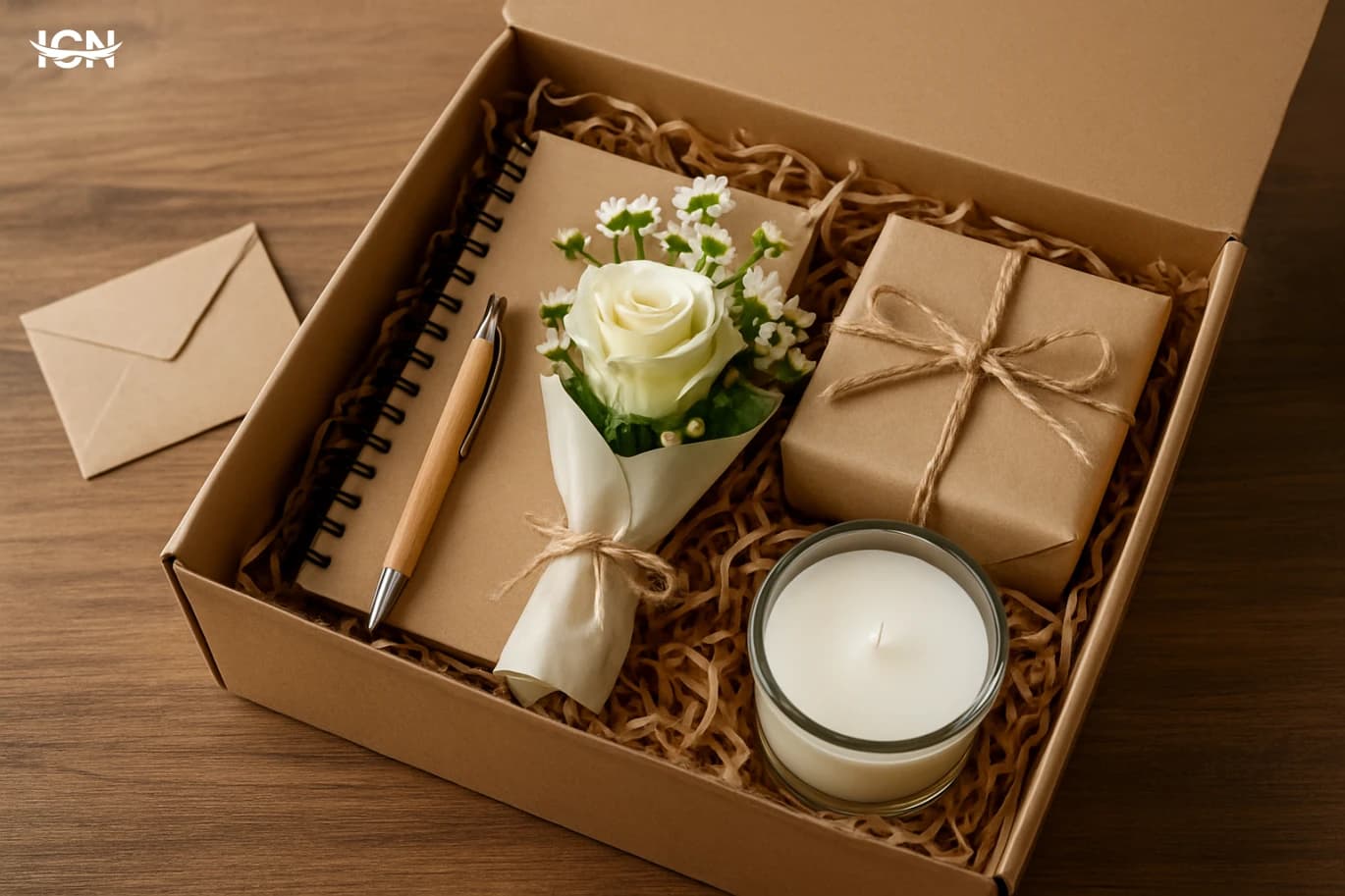
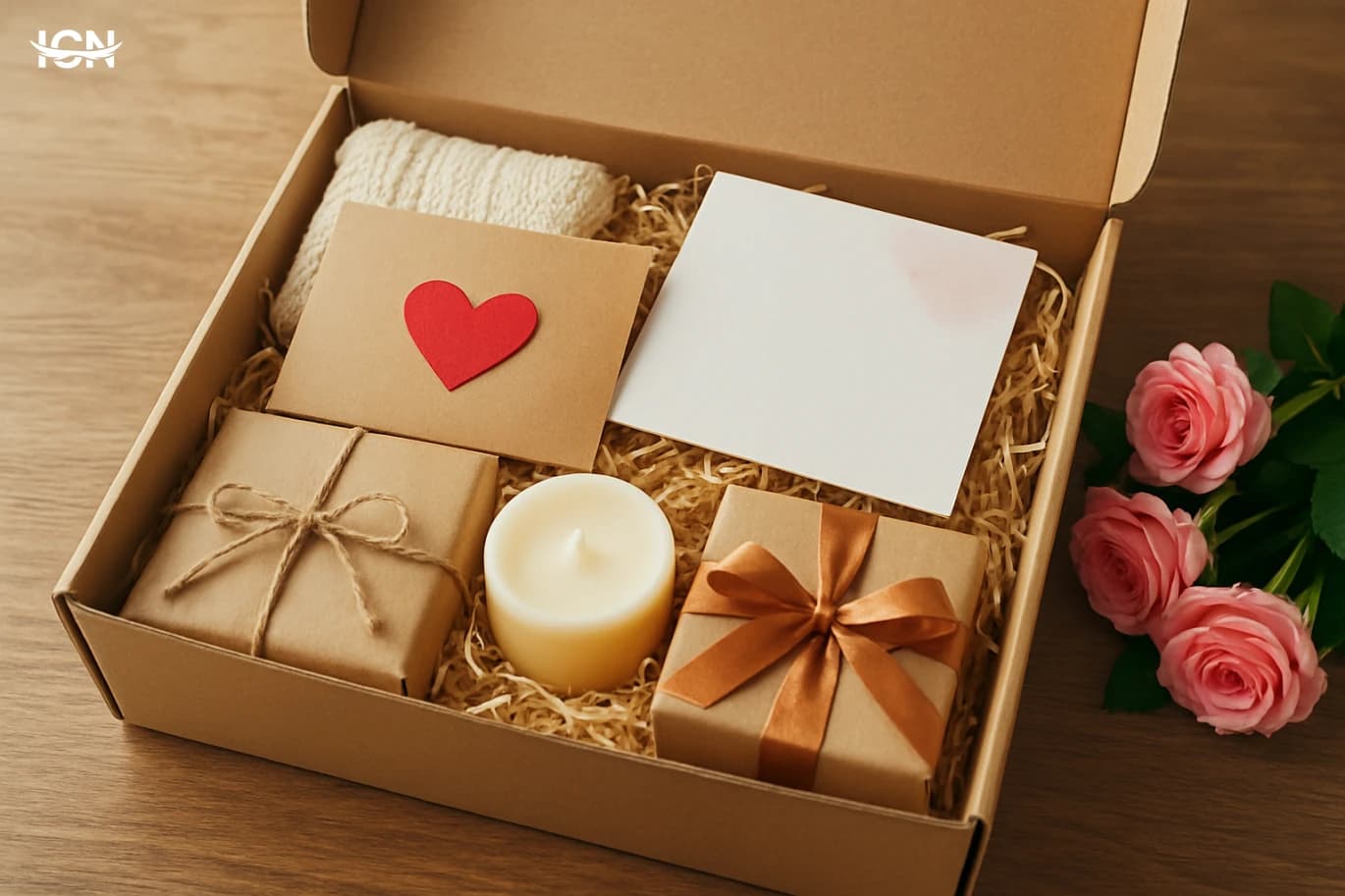
End the day with something that helps them remember it without adding clutter. A good wrap-up is calm: a favorite snack waiting at home, a simple dinner you prepared, or a “no chores tonight” note with the kitchen already reset. If you are not together in person, schedule a short call at a time they normally relax, and keep it focused: ask what the best moment was and what made it feel easy. For a keepsake, avoid generic souvenirs. Choose one item tied to the day’s theme: a small photo print from a shared moment, a notebook labeled with the date and a first page already written, or a compact box containing the day’s cards and notes. If the highlight was a class, the keepsake can be the tool they will use next time, such as a quality whisk, a basic camera strap, or a pottery trimming tool, depending on the activity. Close with a practical follow-up: one message the next morning with a link to the playlist, the class notes, or the place you visited. This extends the surprise into a useful resource and makes the gift feel complete rather than fleeting.