A Surprise Day Kit for New Neighbors

- Why a Neighbor Welcome Surprise Works
- Build the Kit Around Everyday Needs
- Add Local Info Without Being Overbearing
- Make the Surprise Feel Polite and Safe
- Budget Options and Upgrade Ideas
- Follow-Up Without Pressure
Why a Neighbor Welcome Surprise Works
A thoughtful surprise for new neighbors is one of the few gift ideas that can improve daily life for both sides without requiring a close relationship. Moving is expensive and exhausting, and people often spend the first week searching for basics, learning building rules, and figuring out local services. A small, well-planned “surprise day kit” helps them settle faster and signals that your home is a safe, respectful place to ask questions. The key is to keep it practical, neutral, and easy to accept. Instead of a single big present, the kit is a set of small items and information that reduces friction: where to park, which trash day applies, how deliveries work, and what nearby options exist for groceries or repairs. This approach avoids guessing personal taste and focuses on convenience. It also lowers the pressure on the recipient because they can use the items gradually. This topic is especially relevant for apartment buildings and new housing developments where people may not know anyone. A well-designed kit can be delivered with a short note and no expectation of a long conversation. It is a surprise that respects privacy while still being genuinely helpful, which is why it tends to be remembered positively.
Build the Kit Around Everyday Needs
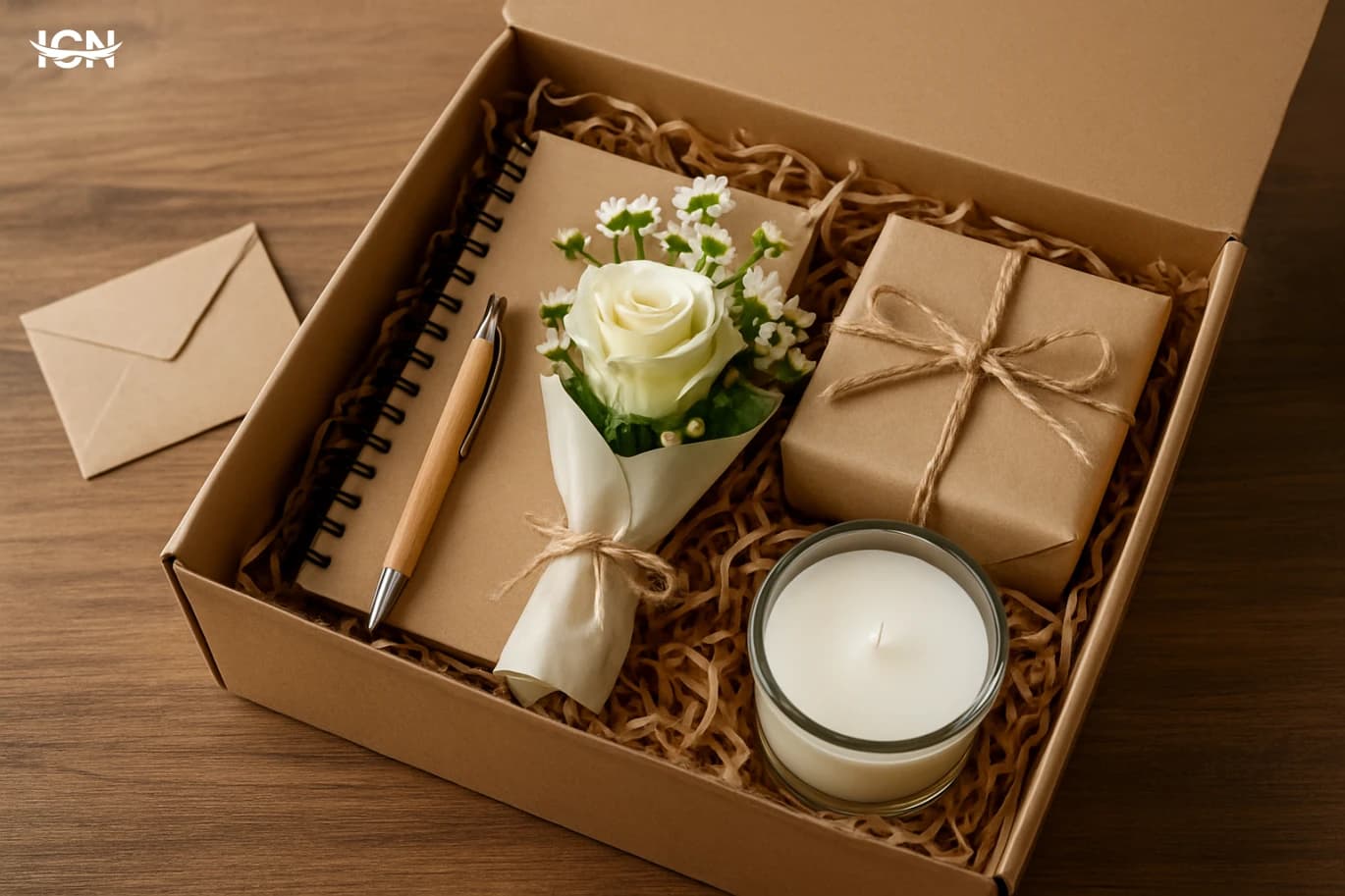
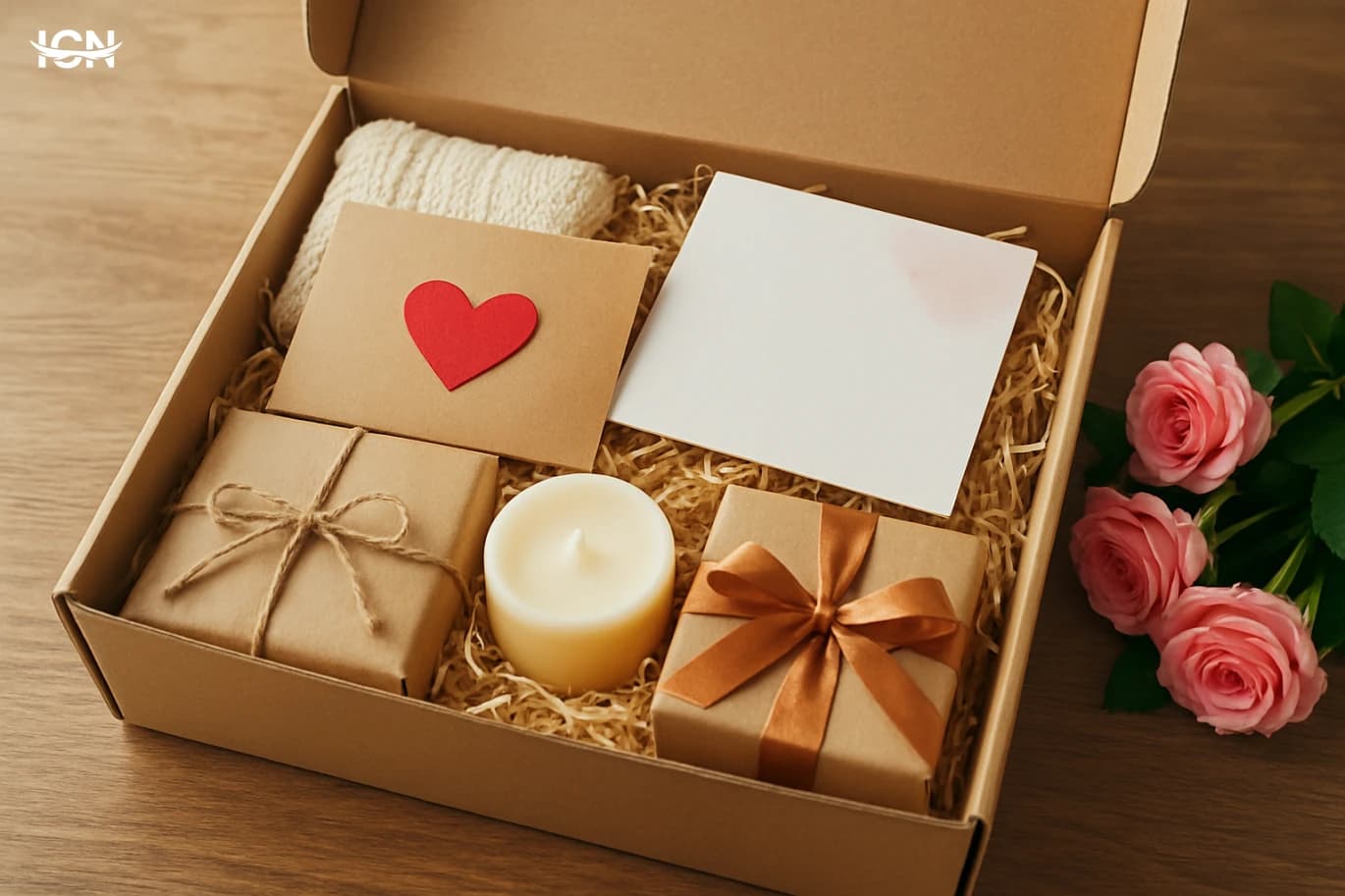
Start with a small tote bag or a medium gift bag that looks clean and simple. The contents should solve common “first week” problems. Include two or three household basics that are universally useful: a roll of strong trash bags, a small pack of multi-surface wipes, and a compact box of tissues. If you want to add one food item, choose something shelf-stable and widely accepted, such as a box of tea bags, instant coffee sticks, or a small jar of honey. Add a “quick fix” mini set: a couple of adhesive hooks, a small measuring tape, and a pack of batteries. These are inexpensive but often needed immediately when people are setting up lights, remotes, or basic storage. If the building has shared facilities, include a small laundry item like stain remover wipes or a few laundry pods in a sealed pouch. Keep scents and highly personal items out of the kit. Avoid perfumes, strong air fresheners, and skincare products because preferences vary and allergies are common. Also avoid anything that creates obligation, such as expensive gift cards. The goal is to be helpful, not to make the recipient feel they must “pay you back.” Finally, include a simple inventory list on a small card so they can see what’s inside at a glance.
Add Local Info Without Being Overbearing
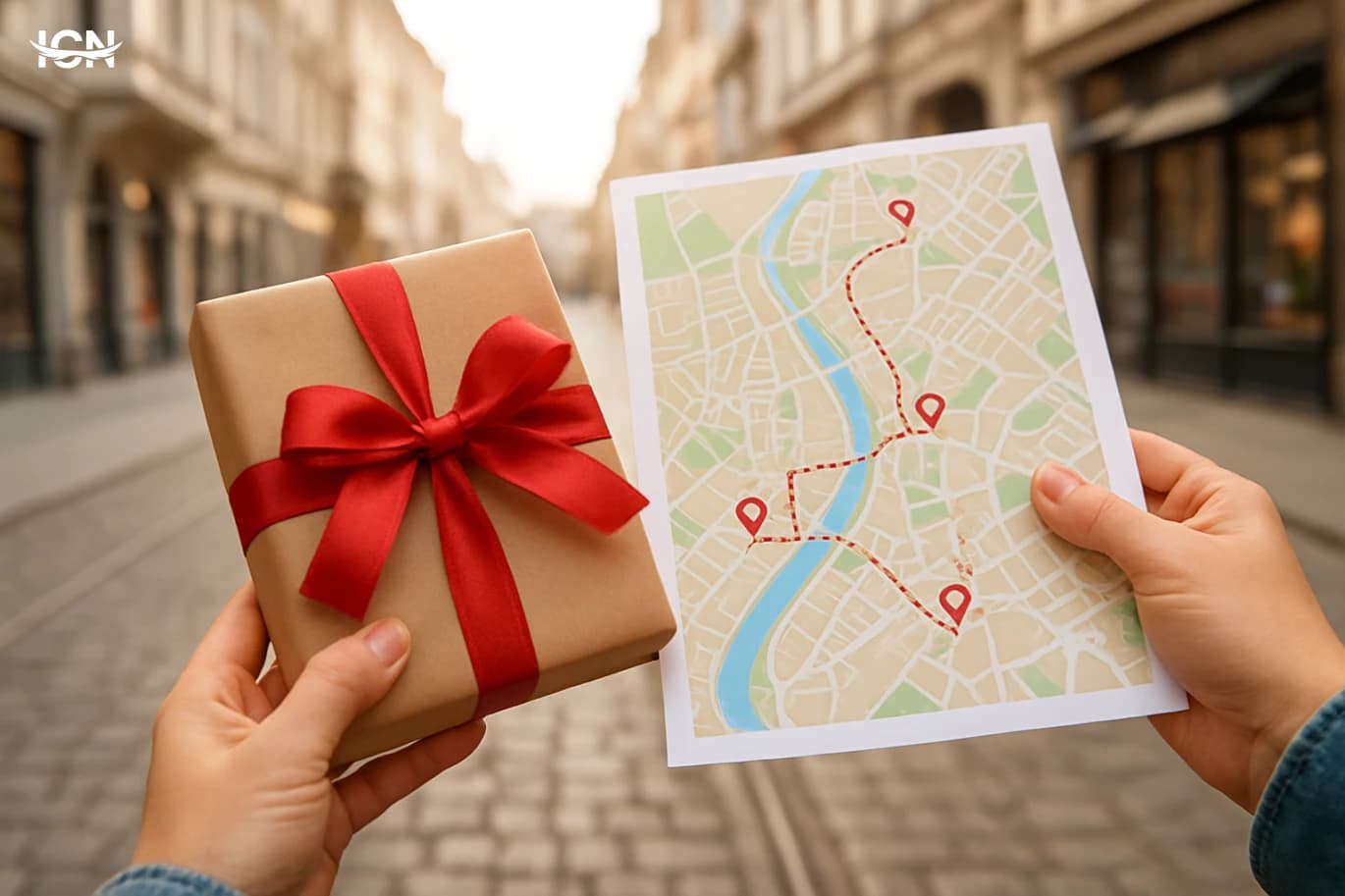
The most valuable part of a neighbor welcome kit is often the information. Create a one-page “local cheat sheet” that saves time. Keep it factual and short. Include practical items like: the nearest grocery store and its opening hours, the closest pharmacy, a reliable hardware store, and one or two delivery-friendly restaurants. If you know them, list building-specific details such as quiet hours, where recycling goes, and how to book shared amenities. Make the sheet easy to read. Use bullet points and clear headings. Avoid personal opinions like “the best place in town,” and avoid sharing private details about other neighbors. If you want to include service providers, keep it to categories and publicly available contacts, such as the building management number, municipal service hotline, or a widely used taxi app. You can also add a small neighborhood map printout with three or four marked points. This is especially helpful for people who are new to the city or do not drive. If you live in a gated community, a note about visitor access procedures can prevent awkward situations at the gate. The goal is to reduce confusion, not to tell them how to live.
Make the Surprise Feel Polite and Safe
Presentation matters because new neighbors may be cautious. Keep the note short and professional. A good message includes your first name, apartment or house number, and a simple line like: “Welcome to the building. Here are a few basics and local tips in case they help.” Avoid asking personal questions or requesting a visit. Timing also matters. Deliver the kit during daytime hours and avoid late evenings. If you are unsure about their schedule, you can leave it at the door only if your building is secure and packages are generally safe. Otherwise, a quick knock and a brief handover is better. If they do not answer, do not keep trying; leave a note offering to drop it at a convenient time. Choose packaging that looks clean and tamper-evident. Sealed items are preferable, especially for food. If you include anything homemade, label it clearly and consider skipping it altogether if you do not know their preferences. The safest approach is store-bought, sealed, and clearly dated items. This builds trust and ensures the surprise is received as intended.
Budget Options and Upgrade Ideas
You can build an effective kit on a modest budget by focusing on fewer, higher-utility items. A low-cost version might include: trash bags, wipes, tissues, batteries, and the local cheat sheet. This already covers cleaning, basic setup, and information. If you want a mid-range upgrade, add a small reusable water bottle, a compact phone stand, or a simple doorstop—items that help during unpacking and daily routines. For a higher-end version, keep it tasteful and still practical. Consider a small emergency flashlight, a quality multi-tool (basic, non-specialized), or a voucher for a nearby coffee shop with a modest value. If you include a voucher, make it optional and clearly framed as a convenience, not a statement. No matter the budget, avoid clutter. Too many items can feel like a random bundle rather than a curated welcome. A good rule is 6–10 items plus the information sheet. Also consider sustainability: choose reusable packaging, avoid excessive plastic, and pick items that are likely to be used rather than thrown away. This makes the surprise feel modern and considerate.
Follow-Up Without Pressure
A welcome surprise is most effective when it opens a door without forcing interaction. After a few days, a simple greeting in the hallway is enough. If they mention a need—like finding a plumber or understanding parking rules—offer one clear tip and keep it brief. This builds a helpful reputation without becoming intrusive. If you want a structured follow-up, you can leave a second small note a week later with one useful update, such as: “Trash pickup is on Tuesday night,” or “Management office hours are 5–7 pm.” Do this only once; repeated messages can feel like monitoring. In many cases, the best follow-up is simply being consistent and respectful in shared spaces. Over time, the kit becomes more than a gift. It sets a standard for neighborly behavior: practical help, clear boundaries, and a calm tone. That combination is what turns a small surprise into a lasting positive first impression, which is exactly what most people want when they arrive in a new place.