App Logo

Download Our App

Shop your way

logologo
Image

A Surprise Day Plan Built Around Small Gifts
04/17/2026By: ICN Writer
A Surprise Day Plan Built Around Small Gifts

Why small gifts create bigger surprises

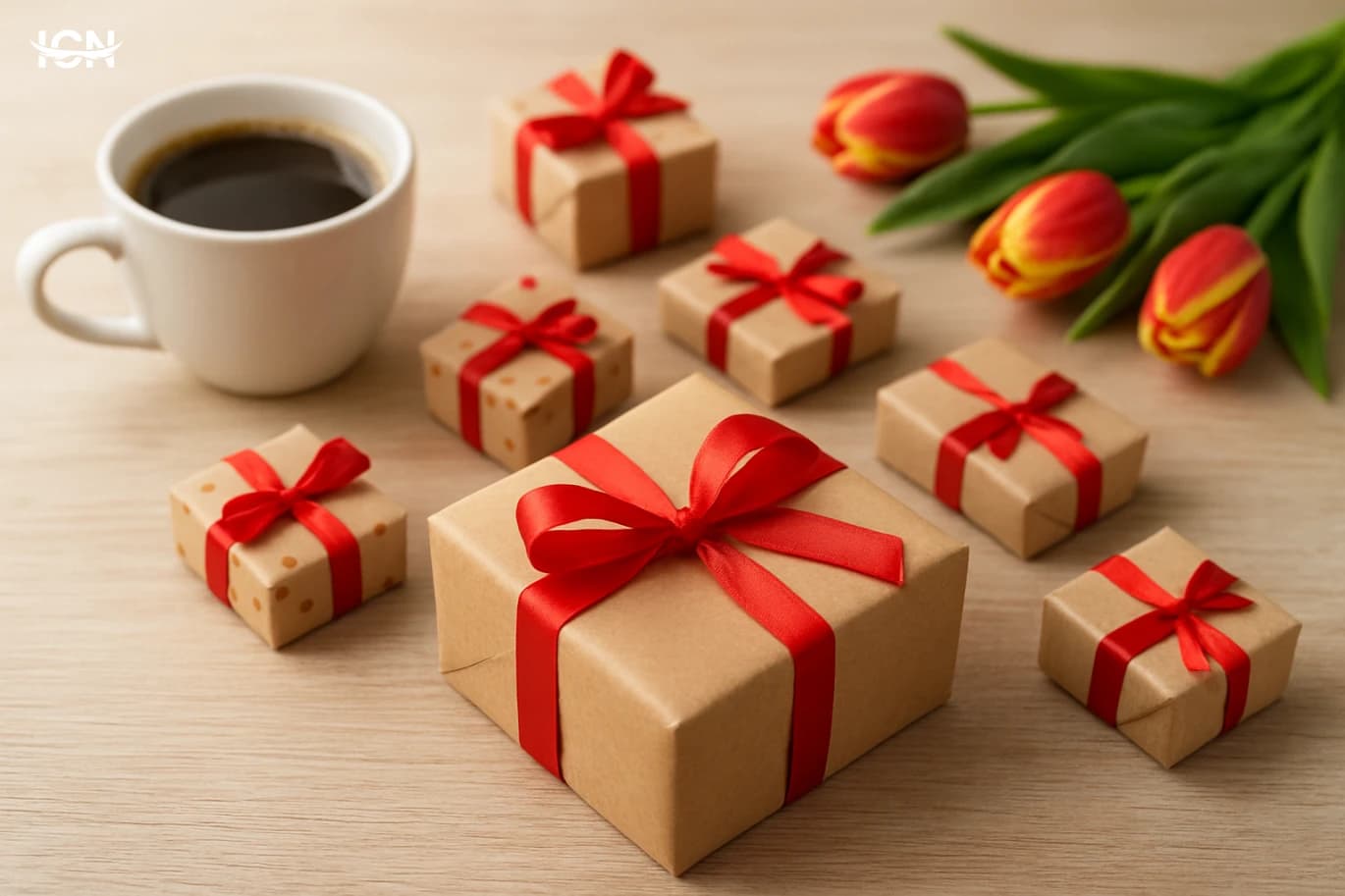
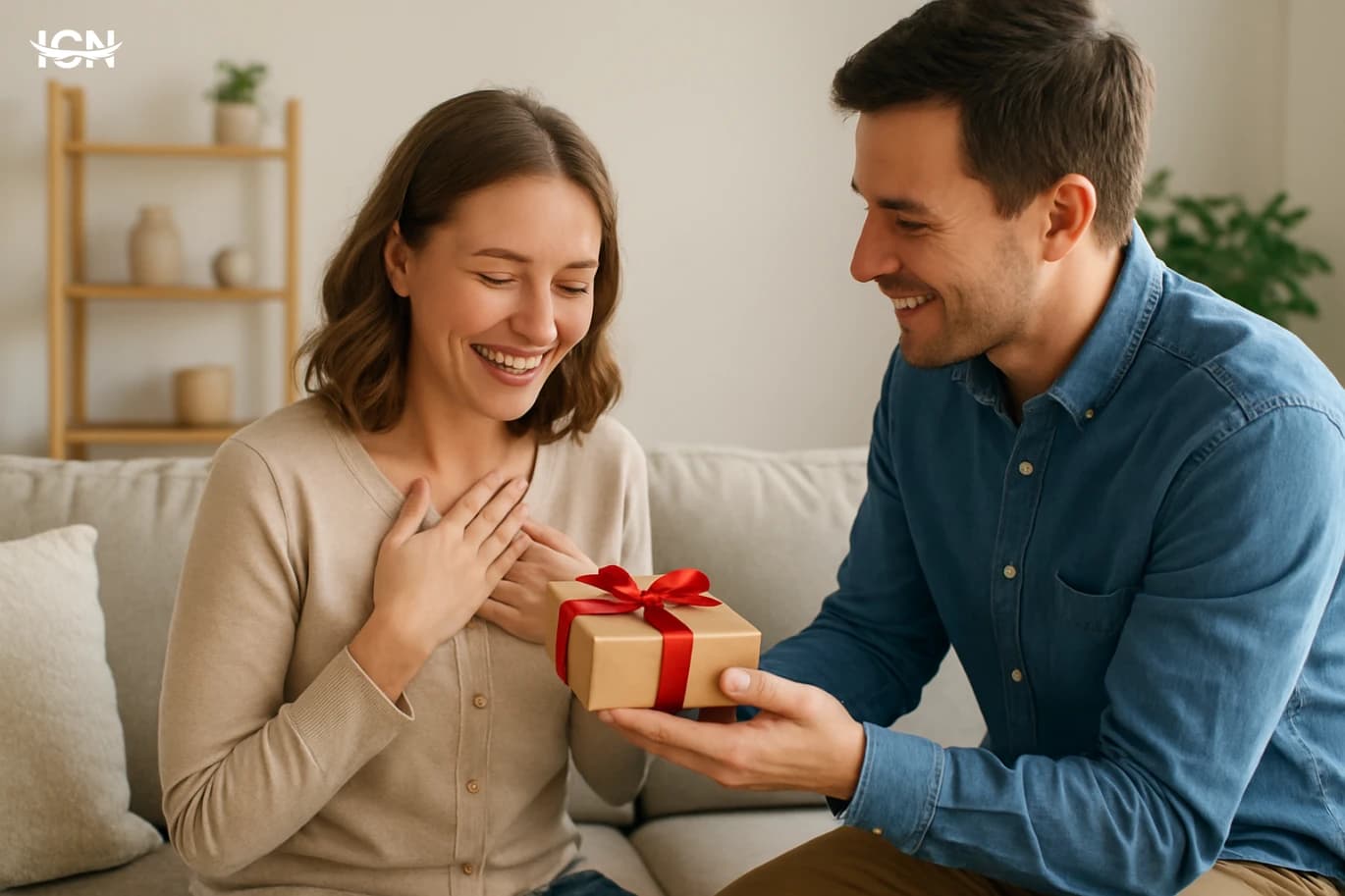
A single expensive present can be memorable, but a sequence of small, well-timed gifts often feels more personal and engaging. The surprise comes from pacing: each item is a clue, a comfort, or a practical help that fits the recipient’s day. This approach also reduces pressure, because you are not betting everything on one perfect choice. Instead, you build a story through several moments. Small gifts work best when they match real habits. A commuter appreciates a travel mug that fits the car cup holder, while a home worker values a desk organizer that clears visual clutter. The goal is not novelty; it is usefulness plus thoughtfulness. When each gift solves a small problem or adds a small pleasure, the recipient notices the attention to detail. This topic focuses on designing a full “surprise day” with 6–10 mini-gifts, each under a set budget, delivered across morning, midday, and evening. The result is a structured plan you can repeat for birthdays, promotions, graduations, or “just because” days without relying on generic gift baskets.

Set a budget and choose a theme

Start with a total budget and divide it into tiers. For example, allocate 40% for one “anchor” gift, 40% for four to six small items, and 20% for presentation and delivery. The anchor gift is not necessarily expensive; it is simply the most central item, such as a quality water bottle, a compact Bluetooth speaker, or a cookbook the person has mentioned. Next, choose a theme that guides every choice. Themes keep the day coherent and prevent random shopping. Practical themes include “better mornings,” “desk upgrade,” “weekend reset,” “fitness starter,” or “cozy home.” A theme also helps you write short notes that connect each gift to the next. Finally, decide the delivery method. If you live together, you can stage gifts in places the person naturally visits: next to the kettle, inside a work bag, or on the driver’s seat. If you are apart, you can schedule deliveries: a morning coffee voucher by message, a midday courier drop, and an evening digital gift card. The plan should feel smooth, not disruptive, and it should respect the recipient’s schedule.

Morning surprises that feel effortless

Morning is the best time for low-friction gifts: items that are used immediately and improve the first hour of the day. Start with a short note that sets expectations without revealing everything, such as “Today has a few stops for you.” Keep it simple and specific. Gift ideas that work well in the morning include a premium coffee or tea sampler, a small jar of local honey, a breakfast voucher, or a reusable lunch container that hints at later plans. If the recipient commutes, add a phone grip, a compact hand cream, or a pack of tissues in a nicer case. If they work from home, consider a desk coaster, a cable organizer, or a small plant that fits on a shelf. Presentation matters more than price. Use one consistent color for wrapping or a single type of tag. Attach each gift to a card that explains why you chose it: “You always forget to drink water before noon, so this bottle is your new reminder.” These micro-explanations turn ordinary items into personal surprises and reduce the risk of the gifts feeling generic.

Midday gifts that solve real problems

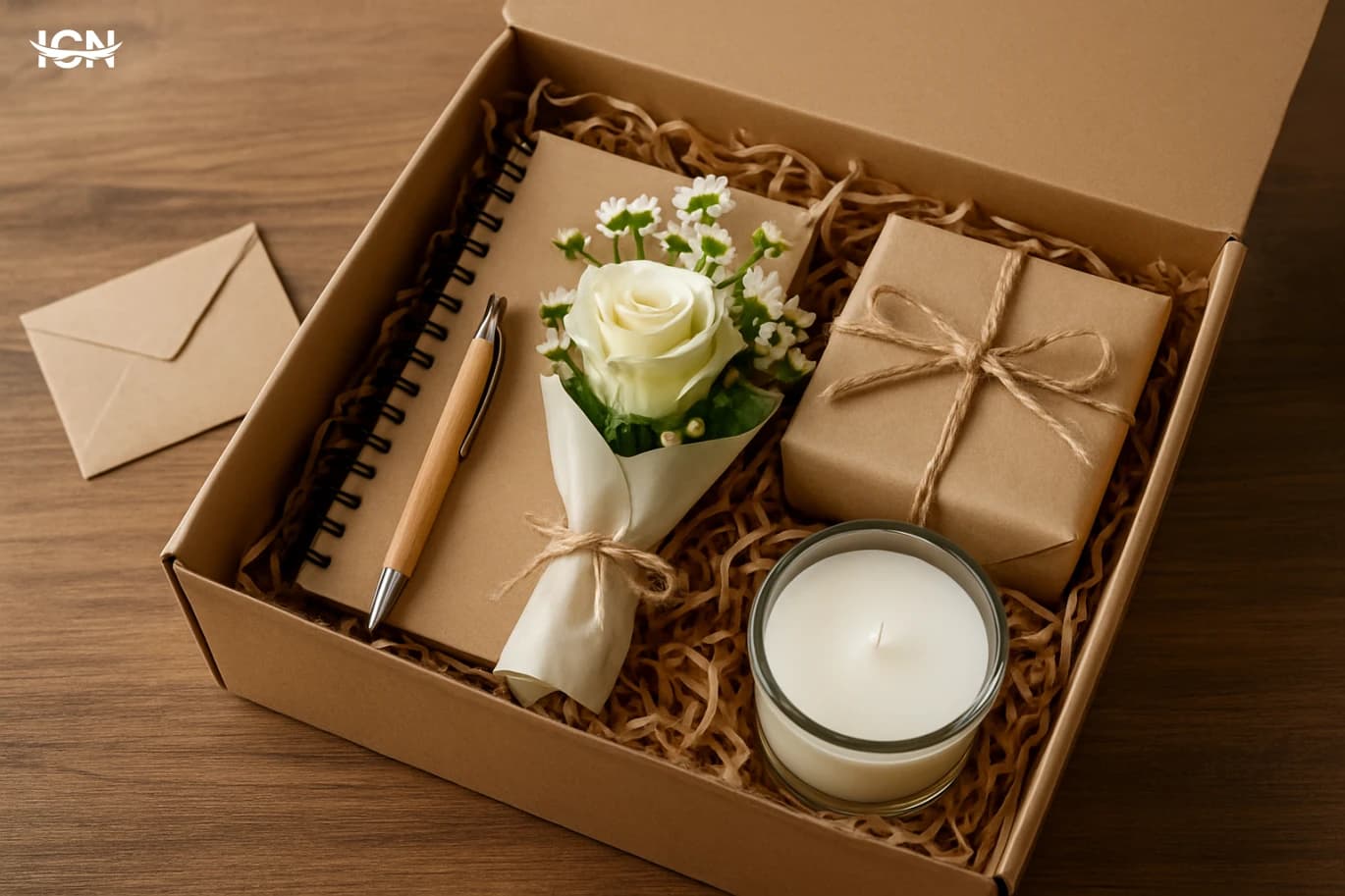
Midday is where practicality shines. The recipient has already experienced one or two surprises, so the next gifts should feel useful rather than decorative. Think about common midday pain points: low energy, messy workspace, forgotten lunch, or a long list of errands. A strong midday mini-gift is a “fix.” Examples include a compact power bank, a quality pen and notepad set, a refillable water flavor drop, or a small snack box with clear ingredients. If the person is often in meetings, a slim notebook or a set of sticky notes in a clean design can be surprisingly appreciated. If they travel between locations, a foldable tote bag or a key organizer reduces daily friction. To keep the surprise engaging, add a simple task or clue. Place the gift with a note like “Open this after your next meeting” or “This one is for the 3 p.m. slump.” The timing makes the gift feel tailored. If you are coordinating from a distance, schedule a delivery window and send a message that matches the moment. The goal is to create a sense that you are present in the day, even if you are not physically there.

Evening finale without overspending

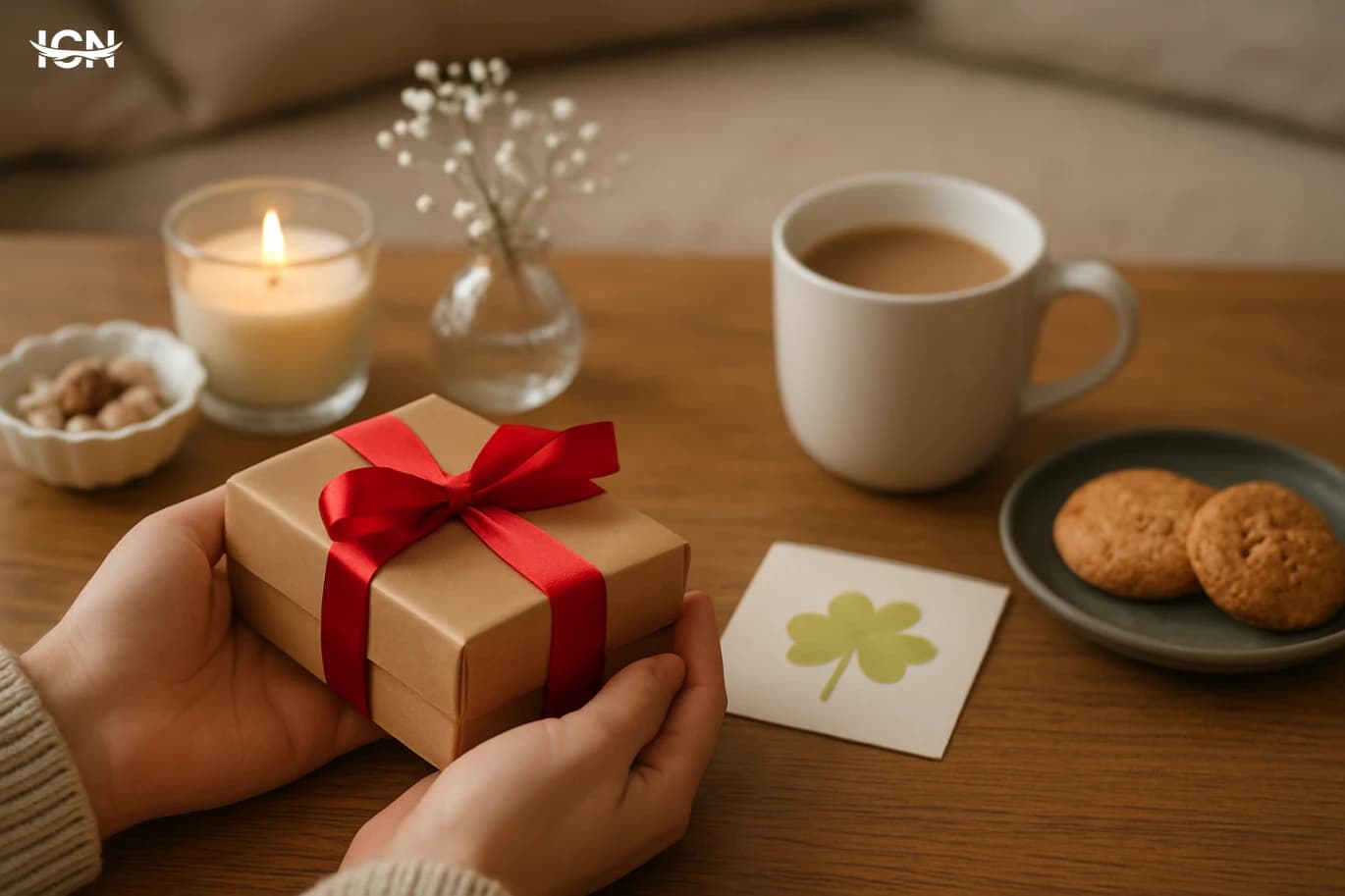
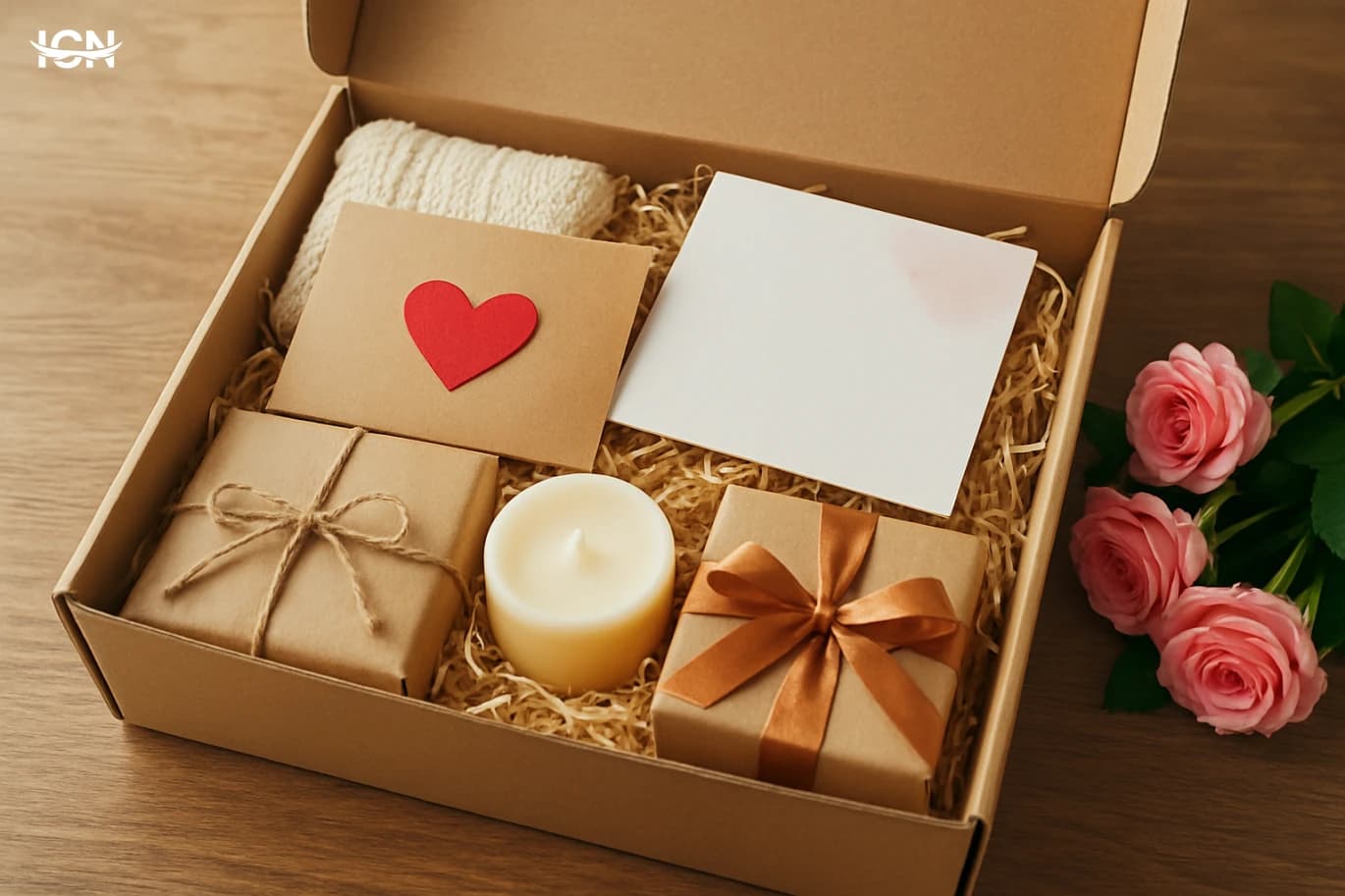
The evening gift should close the loop and feel like a reward. It can be the anchor gift if you want a clear finale, or it can be an experience that uses items from earlier in the day. The key is to avoid turning the ending into a shopping contest. A well-planned, modest finale often feels more thoughtful than a last-minute expensive purchase. Low-cost evening finales include a home movie kit (snacks plus a rented film), a simple cooking plan using the morning ingredients, or a “reset hour” package with a face towel set, a calming candle, and a playlist link. If you want a bigger anchor, choose something that will be used repeatedly: a quality backpack, a small kitchen appliance they actually need, or a subscription that matches their routine. Add a final note that connects the day: summarize two or three observations about what you appreciate, tied to specific moments. For example, mention how they handled a busy schedule or how they always make time for others. Keep it factual and concrete. This is also the best moment to include a photo print from a shared memory or a small framed picture, because it feels like a closing statement rather than a random add-on.

Checklist and common mistakes to avoid

Before you start buying, write a one-page checklist. Include the theme, the number of gifts, the delivery times, and the total budget. List any constraints: allergies, workplace rules, preferred colors, and what the person already owns. This prevents duplicates and awkward situations. Common mistakes are predictable. The first is choosing items you personally like rather than what the recipient uses. The second is overloading the day with too many gifts, which turns surprise into fatigue. A third mistake is ignoring logistics: gifts that require assembly, charging, or special storage can create stress. Another issue is unclear notes; if the recipient cannot tell when to open something, the pacing collapses. A practical checklist for the day: confirm addresses and delivery windows; prepare all cards in advance; keep receipts organized; test any tech item quickly; and pack a small “backup” gift such as a favorite snack or a simple gift card in case a delivery is delayed. When the structure is solid, the surprises feel spontaneous even though they are carefully planned, which is exactly the effect you want.

* All articles published on this blog are sourced from various websites and are provided for informational purposes only. They should not be considered as confirmed studies or accurate information. Please verify the information independently before relying on it.

Similar ARTICLES

A Surprise Day Plan Built Around Their Routine
A strong surprise does not have to be expensive or loud. The most reliable approach is to design it around what the person already does every day, then upgrade those moments in small, thoughtful ways. Routine-based surprises feel personal because they show you noticed details: the exact time they take coffee, the route they walk, the playlist they use while working, or the snack they buy on the way home. That attention is the real “wow” factor. This format also reduces risk. You are not forcing a new activity that might clash with their schedule, energy level, or preferences. Instead, you are adding comfort, convenience, and delight to familiar touchpoints. It is easier to plan, easier to execute, and easier for the recipient to enjoy without feeling pressured. For busy people, that matters. In this article topic, the gift idea is not a single item. It is a structured day plan with a sequence of micro-surprises that fit into their normal day. Each section can be adapted for a partner, friend, parent, colleague, or roommate, and it works for birthdays, promotions, exam milestones, or “just because” moments.
A Surprise Day Kit for New Neighbors
A thoughtful surprise for new neighbors is one of the few gift ideas that can improve daily life for both sides without requiring a close relationship. Moving is expensive and exhausting, and people often spend the first week searching for basics, learning building rules, and figuring out local services. A small, well-planned “surprise day kit” helps them settle faster and signals that your home is a safe, respectful place to ask questions. The key is to keep it practical, neutral, and easy to accept. Instead of a single big present, the kit is a set of small items and information that reduces friction: where to park, which trash day applies, how deliveries work, and what nearby options exist for groceries or repairs. This approach avoids guessing personal taste and focuses on convenience. It also lowers the pressure on the recipient because they can use the items gradually. This topic is especially relevant for apartment buildings and new housing developments where people may not know anyone. A well-designed kit can be delivered with a short note and no expectation of a long conversation. It is a surprise that respects privacy while still being genuinely helpful, which is why it tends to be remembered positively.
First Meeting Gifts for Your Fiancée
A first meeting gift should feel thoughtful, not heavy. Start by deciding what you want the gift to communicate: respect, attention to detail, and genuine excitement to meet. Keep the budget moderate so it doesn’t create pressure or look like you are trying to compensate for a lack of connection. In most cases, a small-to-medium gift that can be carried easily is the safest choice. Use what you already know. If you have spoken about her favorite colors, a hobby, a preferred scent family, or a book genre, build the gift around that. If you do not know much yet, choose neutral, practical items with a clean presentation. Avoid gifts that require exact sizing, strong personal assumptions, or a long-term commitment. The first meeting is about comfort and good conversation, so the gift should support that atmosphere rather than dominate it.
A Week of Micro-Surprises Gift Plan
Big gifts can be memorable, but they often happen once and then the moment passes. A week of micro-surprises turns gifting into a steady experience: seven small, thoughtful touches that fit into real schedules and budgets. The goal is not to spend more, but to show attention through timing and relevance. Each surprise should connect to something the person actually uses, enjoys, or needs this week, not a generic “gift idea.” Micro-surprises also reduce the pressure of finding one perfect item. Instead, you spread the impact across multiple days, mixing practical and fun. This approach works well for birthdays, anniversaries, exam weeks, a new job, moving homes, or simply to lift someone’s routine. It is especially effective when you cannot meet in person every day, because several surprises can be delivered digitally or left as small drop-offs.
A One-Day Surprise City Trail Gift
A one-day surprise city trail is a gift that feels personal without requiring a big budget. Instead of handing over an item, you design a short route with 4–6 stops that match the recipient’s interests: a bakery they always mention, a small gallery, a quiet park bench with a view, a specialty coffee bar, or a bookstore with a strong local section. The value comes from attention to detail and the feeling of being understood. This format also solves a common gifting problem: people often have enough “stuff,” but they still appreciate thoughtful time and novelty. A city trail can be planned for a weekend morning or an early evening, and it can be adapted for different energy levels. You can keep it low-key and walkable, or include one short ride segment. Because it is time-bound, it feels like an event, not an obligation. Most importantly, it is easy to make it a surprise while staying practical. You can reveal only the first stop and keep the rest sealed in envelopes or on a simple printed card. That structure creates anticipation without being complicated, and it keeps the day moving smoothly.
A Month of Micro Surprises at Home
Big gifts can be memorable, but they also raise expectations and often require time, budget, and planning. Micro surprises are different: they are small, frequent, and designed around daily routines. The impact comes from consistency and relevance, not price. A handwritten note placed where it will be found during a normal task, a favorite snack restocked before it runs out, or a playlist made for a commute can feel personal because it shows attention to details. A month-long plan also reduces decision fatigue. Instead of scrambling for one “perfect” surprise, you set a simple structure: 30 days, each with a small action that takes 5–15 minutes and a modest budget. This approach is practical for families, roommates, and couples, but it also works for colleagues if you keep it professional and appropriate. The key is to match the surprise to the person’s habits: what they drink in the morning, how they organize their desk, what they watch at night, and what they worry about during busy weeks.
A Week of Micro Surprises at Home
Big gifts can be memorable, but they also raise expectations and often require time, shipping, and a larger budget. Micro surprises are different: they are small, frequent, and designed to fit into normal routines without turning the week into a production. The impact comes from consistency and relevance, not price. A handwritten note placed where someone will definitely see it, a favorite snack restocked without being asked, or a playlist made for a commute can feel surprisingly personal because it shows attention to everyday details. Micro surprises also reduce the risk of getting it wrong. Instead of betting everything on one large present, you spread the effort across several small moments and learn what lands well. This approach is practical for busy households because each surprise can be prepared in 5–20 minutes, often using items you already have. It is also easier to keep discreet, which helps preserve the element of surprise. The goal is not to overwhelm someone with stuff, but to create a week that feels thoughtfully curated around their preferences and schedule.
A Thoughtful Surprise Week in a Box
A “surprise week in a box” is a gift built around seven small, scheduled moments instead of one big reveal. It works because it extends attention over time and turns ordinary days into planned highlights. The recipient gets a clear structure—one item or note per day—while still feeling genuine spontaneity because each day’s theme is different. This format also reduces pressure on budget and perfection: you can mix low-cost items, homemade touches, and one or two higher-value pieces without the gift feeling uneven. This idea is especially effective for busy people who appreciate practical support as much as fun. You can include items that solve daily friction—like a pre-paid coffee card, a compact phone stand, or a set of snack packs—alongside personal notes that show you noticed their routines. The result is a gift that feels tailored, not generic, because it reflects how they live and what they actually use. It also creates multiple opportunities for connection: a quick message each morning, a short call after they open the day’s envelope, or a shared photo of the item in use.
A Thoughtful Surprise Week in a Box
A “surprise week in a box” is a gift format built around seven small, coordinated surprises—one for each day—rather than a single big present. It works because it extends the feeling of being remembered across multiple moments, and it gives you room to mix practical items with emotional touches. This approach is especially useful when you want to celebrate a birthday, a new job, graduation, a move, or a personal milestone without guessing one perfect item. The key is consistency: each day should feel connected to the recipient’s routines and preferences. A coffee lover might get a new blend, a reusable cup sleeve, and a café voucher across different days, while someone who enjoys organization might receive a pocket notebook, a desk tray, and a set of labels. The week format also reduces risk—if one item is not a perfect match, the overall experience still feels generous and well planned. To keep it serious and polished, treat it like a mini editorial project: define the theme, set a budget, and plan the pacing. The result is a gift that feels intentional, not random, and it can be assembled with widely available items and simple packaging.
Elegant Baby Favors That Feel Effortless
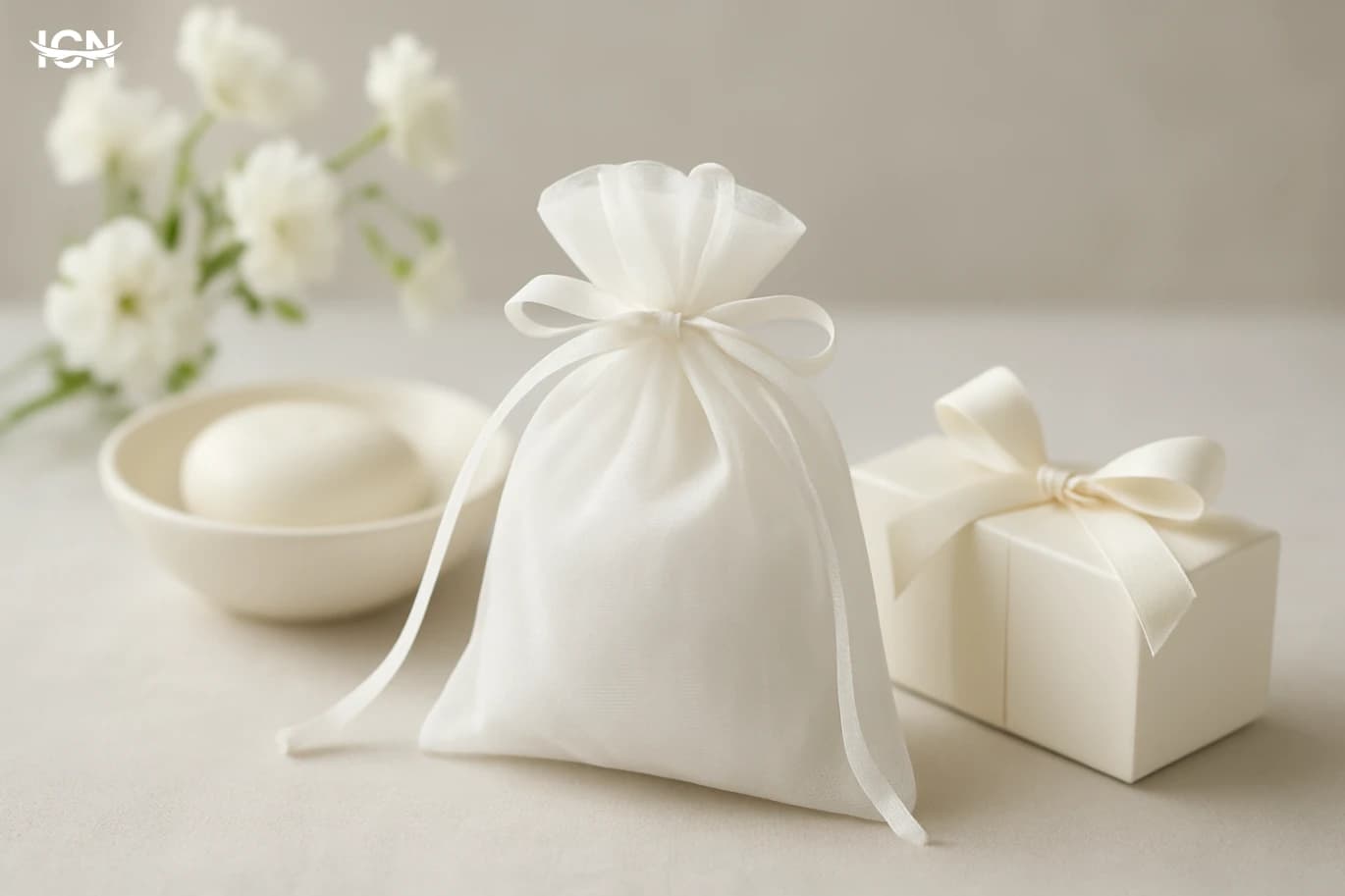
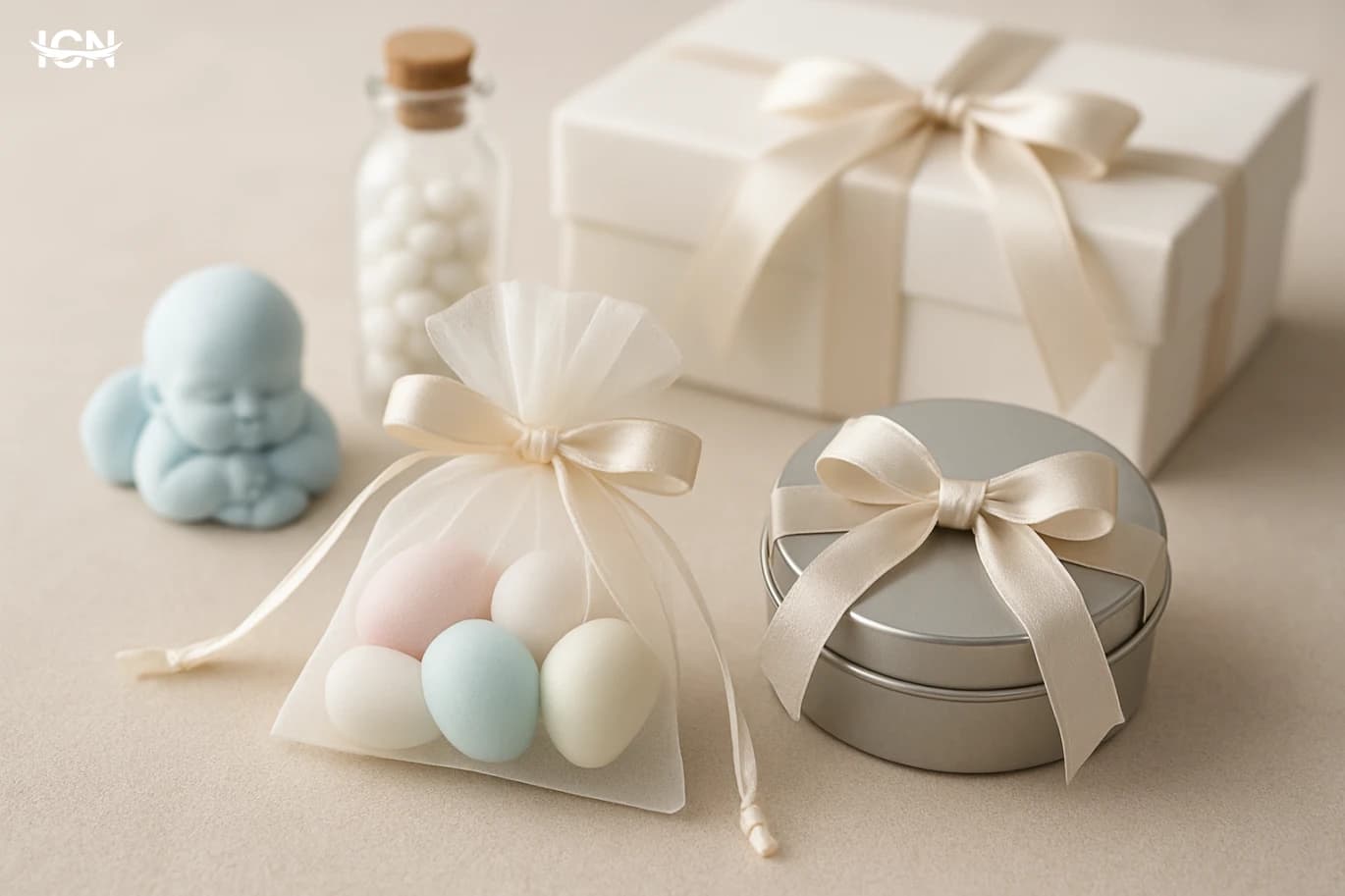
A baby favor becomes “talk of the gathering” when it looks intentional, feels practical, and matches the tone of the celebration. Start by choosing one clear theme: soft neutrals, modern monochrome, or a gentle pastel palette. Limiting the palette to two main colors plus one accent instantly makes even simple items look premium. Keep the design consistent across the tag, ribbon, and packaging so guests notice the cohesion. Practicality matters more than many hosts expect. Guests remember favors they can use the same day: a small hand cream, a mini candle, or a neatly packed treat that travels well. Avoid overly fragile packaging or items that melt easily. If the event includes families, choose something safe and clean to handle, and consider offering two versions—one sweet and one non-food—so everyone feels included. Finally, personalization should be subtle. A short baby name tag and the date are enough. Oversized photos or long messages can feel heavy and distract from the elegant look. A clean font, a small icon (like a star or tiny leaf), and a well-tied ribbon often deliver a more refined impression than complex printing.
Love Roses and What They Reveal
Roses remain one of the clearest “gift signals” because they are rarely chosen by accident. In everyday life, a man can show care through time, help, or attention, but roses add a public, recognizable message: “I want you to feel special.” That is why the same bouquet can feel different depending on when it arrives, how it is presented, and what accompanies it. In the context of Gifts & Surprises Ideas, roses are useful because they combine emotion with planning. Buying flowers requires a decision, a budget, and a moment of delivery. Those steps often reflect intent. A last-minute bouquet from a supermarket can still be sincere, but it usually communicates something different from a carefully selected arrangement from a florist with a note and a preferred color. This does not mean roses are a perfect test of love. Some men are expressive gift-givers; others show commitment in quieter ways. The most accurate reading comes from patterns: how often he chooses meaningful gestures, whether he learns what you like, and whether his actions match the message the roses seem to carry.
Simple Gifts That Truly Delight Kids
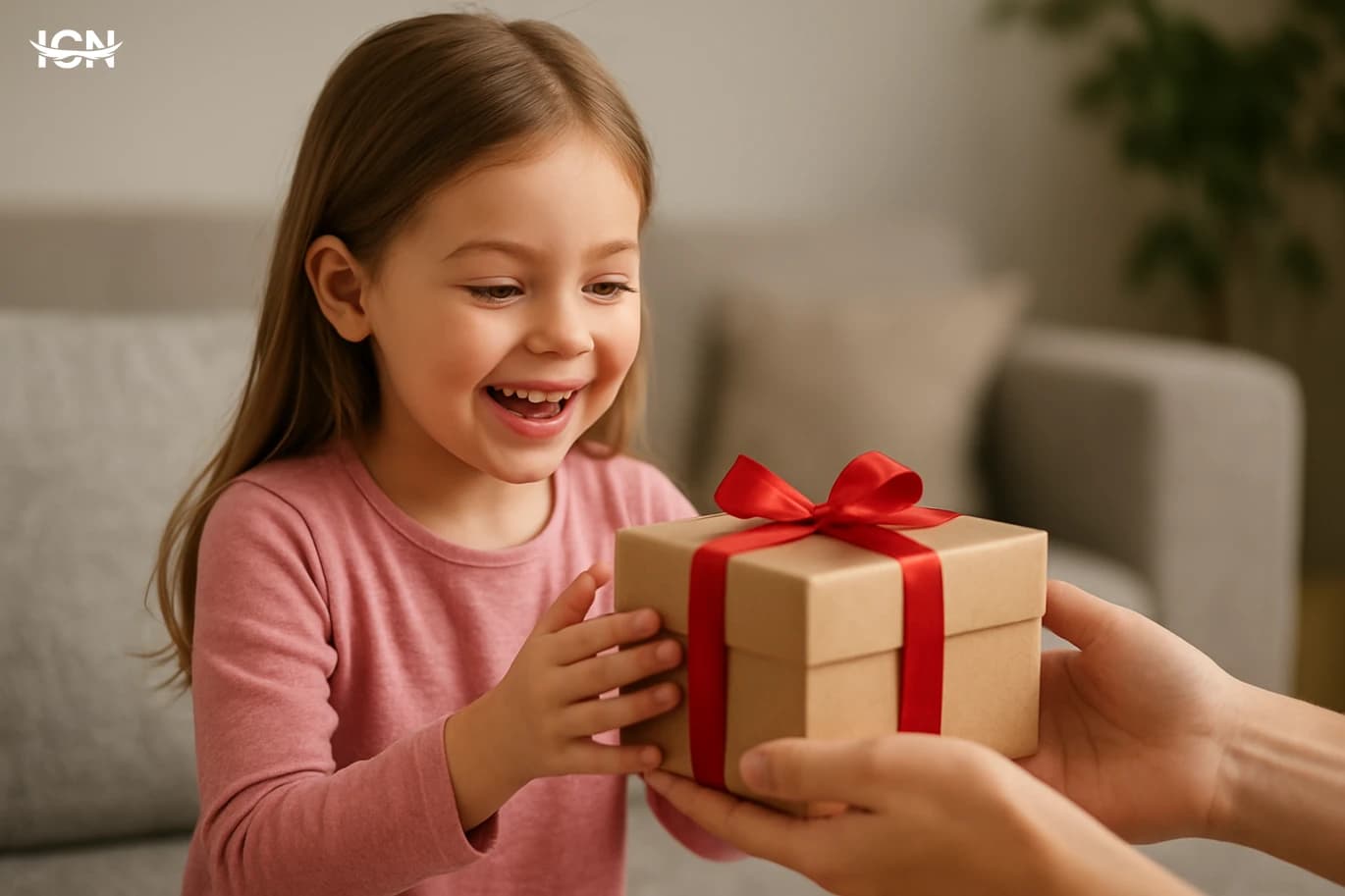
A simple gift can feel big when it matches a child’s daily interests and fits their age. Before buying anything, note what the child talks about at home or school: drawing, building, animals, sports, stories, or music. A good rule is to choose something they can use within the first hour, without complicated setup or extra purchases. For younger kids, prioritize safe materials, large pieces, and clear instructions. For older kids, look for small challenges, personalization, or items that support a hobby. Budget-friendly gifts work best when they create repeat use. Consumables like stickers or craft supplies can be great if they come in a tidy set and encourage multiple sessions. Durable items like a ball, a water bottle, or a simple board game can last longer if they are sized correctly and easy to store. Also consider the household context: if space is limited, choose compact gifts; if parents prefer low-mess options, avoid glitter-heavy kits and pick washable markers or reusable activities. Finally, presentation matters even for small items. A short handwritten note, a simple gift bag, or a small box can make the moment feel special. If you can, include one sentence that connects the gift to the child’s interest, such as “I remembered you love dinosaurs,” or “This is for your drawing time.” That connection often matters more than price.
Baby Favor Ideas That Suit Every Guest
Choosing baby favors becomes much easier when you treat it like a guest-experience plan, not a shopping task. Begin by listing who will actually attend: close family, friends, colleagues, neighbors, and any children. Note the mix of ages and whether guests are traveling, because bulky items can be inconvenient to carry. If the gathering includes both men and women, avoid favors that feel overly specific to one group; aim for neutral designs and practical use. Next, consider dietary and lifestyle needs. If you plan edible favors, assume that at least a few guests may avoid sugar, nuts, dairy, or gluten. You do not need to label every ingredient like a commercial product, but it helps to choose options that are naturally inclusive, such as sealed date bites without nuts, mini honey jars, or herbal tea sachets. For non-edible favors, think about allergies to strong fragrances and choose mild scents or unscented items. Finally, decide how many pieces you need. A common approach is one favor per adult plus a small extra buffer for last-minute visitors. If children are attending, you can either give them the same favor or a simpler kid-friendly version. Planning quantities early prevents rushed purchases and helps you keep the design consistent across all packages.
By clicking the SUBSCRIBE button, you are agreeing to our Privacy & Cookie Policy If you want to unsubsribe the marketing email, please proceed to our privacy center.
© 2005-2026 ICN. All Rights Reserved.