A Week of Micro Surprises at Home

- Why Micro Surprises Work
- Set the Rules and Budget
- Day-by-Day Surprise Plan
- Presentation Without Overdoing It
- Common Mistakes and How to Avoid Them
- Make It Repeatable All Year
Why Micro Surprises Work
Big gifts can be memorable, but they also raise expectations and often require time, travel, and a larger budget. Micro surprises are different: they are small, frequent, and designed to fit into normal routines without disrupting them. The impact comes from consistency and attention to detail, not price. A seven-day plan creates momentum because the recipient starts noticing the pattern and becomes more present in everyday moments. Micro surprises also reduce decision fatigue for the giver. Instead of searching for one “perfect” gift, you prepare a set of simple actions and items that are easy to source locally. This approach works for partners, parents, roommates, close friends, or colleagues you know well. It is also flexible: you can scale it up with one premium item or keep it entirely low-cost. The key is to connect each surprise to something the person actually uses, enjoys, or needs this week.
Set the Rules and Budget
Before you start, set three practical rules. First, keep each day’s surprise under a fixed amount, such as $5–$15, so the week stays sustainable. Second, limit the time required: aim for 10–20 minutes of preparation per day, with one longer prep session on the weekend. Third, avoid clutter. Choose consumables, experiences, or upgrades to items they already use. Create a short profile of the recipient: their morning routine, favorite snack, preferred music or podcasts, typical stress points, and one small goal they have this month. This profile becomes your filter. If an idea does not match the profile, skip it. Also decide how visible you want the surprises to be. Some people enjoy a playful “hunt,” while others prefer straightforward gestures. Finally, plan the week so it alternates between practical and fun: for example, a useful item on Monday, a playful note on Tuesday, a comfort upgrade on Wednesday, and a mini experience on Thursday.
Day-by-Day Surprise Plan
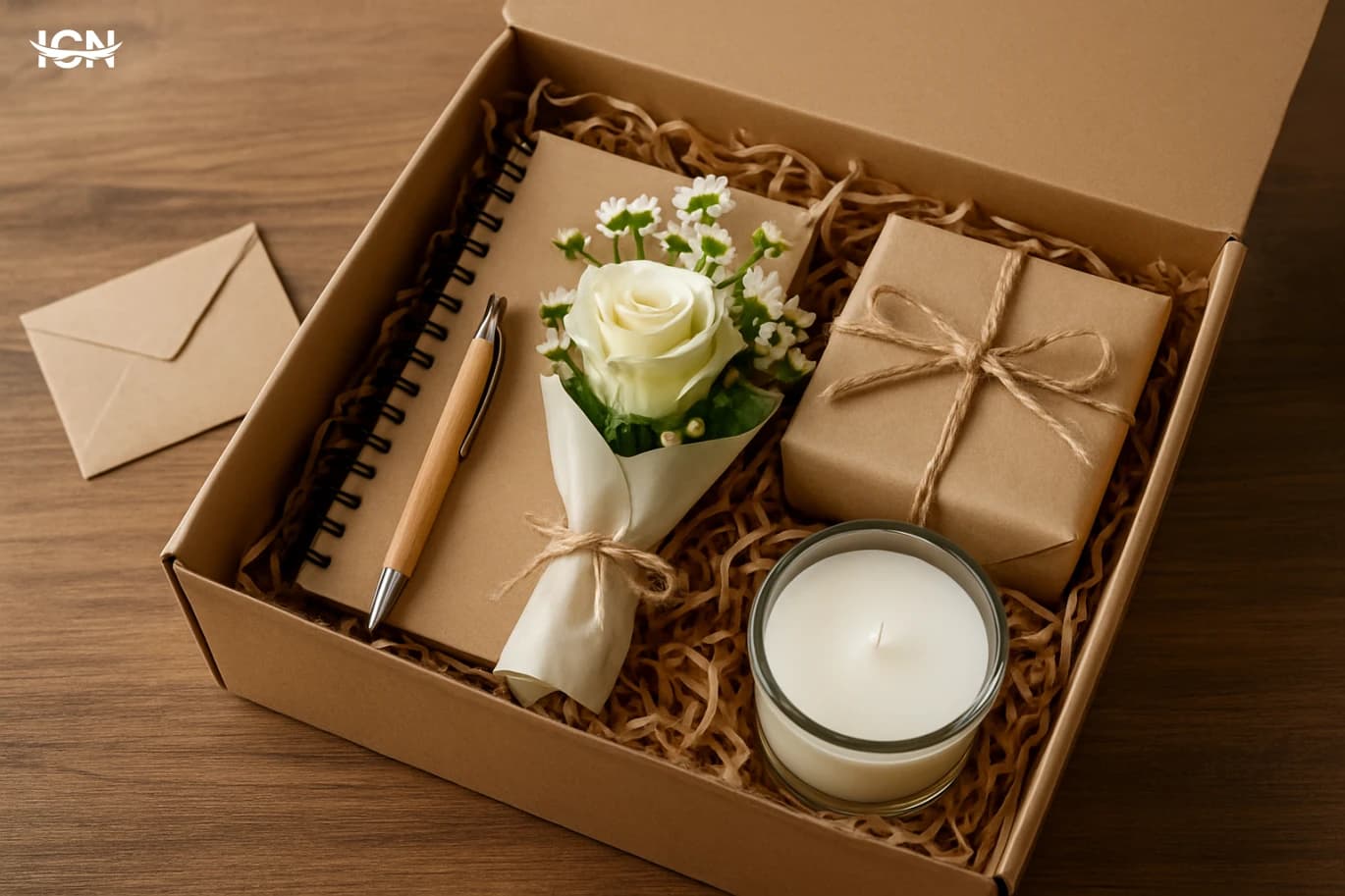
Day 1: Morning upgrade. Replace one everyday item with a better version: a quality coffee, a fresh juice, a new pen, or a small desk organizer. Add a short note that explains why you chose it, such as “for your busiest mornings.” Day 2: Snack and signal. Leave a favorite snack where they will find it naturally—by the keys, in the work bag, or next to the laptop. Pair it with a simple “today’s win” card: one sentence naming something they do well. Day 3: Convenience coupon. Create a homemade coupon that saves them time: you handle a chore, prep a simple meal, or take over an errand. Make it specific (“I’ll do the grocery run tonight”) so it feels real. Day 4: Mini experience at home. Set up a 20–30 minute activity that matches their taste: a tasting of two teas, a short playlist session, a quick board game, or a guided stretching routine. Keep it short and scheduled. Day 5: Personal upgrade. Improve something they already own: replace worn phone cable, add a small plant for the desk, refresh a water bottle with a new filter, or print a photo for a frame they already have. Day 6: Social proof without publicity. Write a private message to someone they respect—like a family member or close friend—sharing a specific appreciation, then show the recipient the reply if it’s positive. Keep it discreet and respectful. Day 7: The wrap-up gift. End with a small bundle that ties the week together: a handwritten summary of the best moments, plus one practical item they will use next week. The goal is closure and continuity, not a grand finale.
Presentation Without Overdoing It
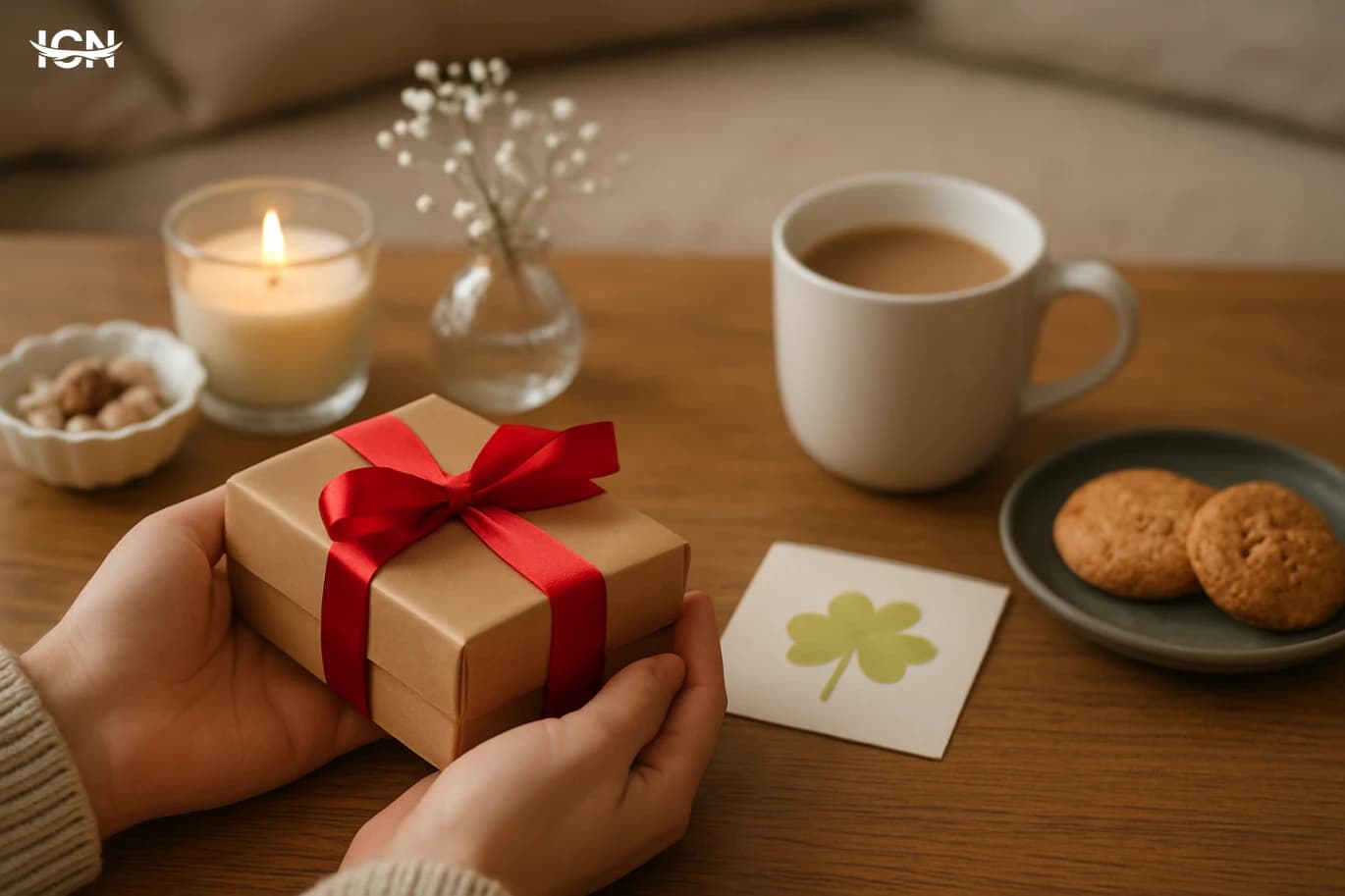
Micro surprises rely on delivery. Use consistent, simple packaging: the same small envelope, sticky note color, or ribbon for the whole week. This creates a recognizable “series” and makes the recipient curious without feeling overwhelmed. Keep messages short and specific. One concrete sentence is stronger than a long paragraph. Choose discovery points that match their routine. If they always make tea at 7 a.m., place the note near the kettle. If they start work at a desk, place it under the keyboard. Avoid hiding items in ways that create stress or waste time. Also consider timing: a surprise right before a busy meeting can feel like pressure, while one placed after lunch can feel like a reset. If you live together, coordinate so the surprises do not interfere with shared responsibilities. If you do not, use low-friction delivery: a small bag left with a doorman, a pre-arranged pickup, or a short visit with a clear end time. The goal is to add ease, not logistics.
Common Mistakes and How to Avoid Them
The first mistake is making the surprises about your taste, not theirs. A “cute” item that does not match their habits becomes clutter. Use the profile you wrote and prioritize what they already like. The second mistake is escalating too fast. If day one is expensive, the rest of the week feels like a decline. Keep the value consistent and let the meaning build. A third mistake is turning the week into a test: “Did you notice?” or “Did you like it?” This creates pressure. Let the surprises speak for themselves and accept quiet appreciation. The fourth mistake is over-scheduling. If you plan a long activity every day, it becomes a commitment. Keep most days lightweight and reserve one short experience. Finally, avoid surprises that create extra work: complicated packaging, items that require assembly, or gifts that demand immediate decisions. Micro surprises should reduce friction. If an idea adds tasks, simplify it or replace it with something that saves time, improves comfort, or supports a small goal.
Make It Repeatable All Year
To keep this idea fresh, treat it as a template you can reuse every few months with new details. Maintain a running list on your phone of small preferences you notice: a snack they mention, a brand they trust, a song they replay, or a minor annoyance they face. These notes become future micro surprises. You can also theme the week without increasing cost: “comfort week” (cozy socks, warm drink, tidy space), “focus week” (desk upgrade, noise reduction, short walk), or “reset week” (simple meal prep, early night, fresh stationery). If you want a measurable outcome, align the surprises with one practical goal, such as better hydration, smoother mornings, or less screen time after dinner. The best part is that micro surprises build a habit of paying attention. Over time, the recipient associates home with small improvements and reliable support. That is a strong gift concept because it is practical, repeatable, and grounded in daily life rather than one-time spending.