Why Sleep Triggers Pain for Millions

- The night pain paradox
- Posture, mattresses, and pressure points
- Inflammation, stiffness, and daily load
- Nerves, circulation, and hidden triggers
- Sleep quality and the pain amplification loop
- Practical steps and when to seek care
The night pain paradox
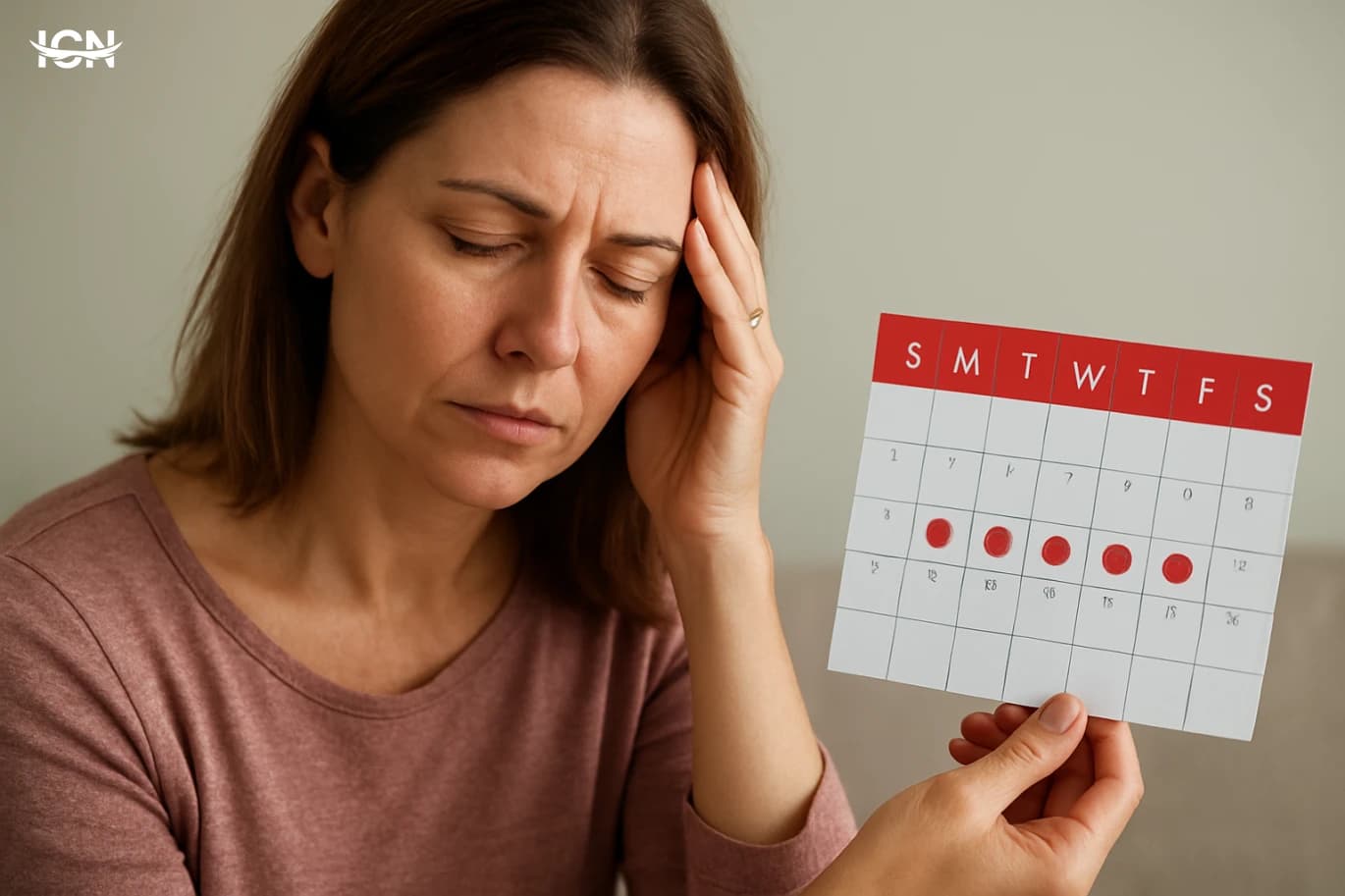
For many people, bedtime is supposed to be a reset. Yet millions report that pain becomes more noticeable once they lie down, or they wake up sore after what seemed like a normal night. This is not a single condition; it is a pattern created by how the body behaves during rest. When movement stops, joints and soft tissues can stiffen, circulation patterns shift, and small irritations that were masked by daytime activity become easier to feel. The quiet of the night also removes distractions, so the brain pays more attention to signals coming from the back, neck, shoulders, hips, or hands. Sleep itself changes pain processing. During deeper stages, the nervous system recalibrates, but fragmented sleep can lower pain tolerance the next day and make discomfort feel sharper at night. People who toss and turn may create a cycle: pain disrupts sleep, and poor sleep amplifies pain. Understanding this paradox helps explain why someone can feel “fine” while busy, then feel worse as soon as they settle into bed.
Posture, mattresses, and pressure points
A common driver of nighttime pain is mechanical: how the body is positioned for hours. Side sleeping can compress the shoulder and hip, especially on a firm surface, while stomach sleeping often forces the neck into rotation and increases lower-back strain. Back sleeping may be comfortable for some, but if the pelvis tilts or the mattress sags, the lumbar spine can be held in an awkward curve. Even a good mattress can become a problem if it no longer supports the body evenly or if the pillow height pushes the neck out of neutral alignment. Pressure points matter because tissues under constant load receive less blood flow and become irritated. People may wake with numb hands from wrist flexion, tingling arms from shoulder compression, or heel pain from prolonged pressure. Small adjustments can reduce these triggers: a pillow between the knees for side sleepers, a thin pillow under the knees for back sleepers, or switching away from stomach sleeping when possible. The goal is not a perfect posture but a stable, neutral position that reduces strain on the spine and avoids prolonged compression of joints and nerves.
Inflammation, stiffness, and daily load
Not all pain at night is about the bed. Many conditions produce stiffness after periods of stillness. People with arthritis, tendon irritation, or chronic back issues often feel worse after lying down because joints and surrounding tissues cool and stiffen. During the day, frequent movement keeps tissues lubricated and muscles warm. At night, reduced movement can make the first turn in bed or the first steps in the morning feel painful. Daily load also accumulates. Long hours at a desk can tighten hip flexors and strain the neck and upper back. Jobs that involve repetitive lifting or standing can irritate the lower back, knees, and feet, and symptoms may peak when the body finally rests. Hydration, salt intake, and hormonal cycles can influence fluid retention, which may worsen swelling in hands or legs and increase discomfort at night. For some, gentle stretching, a short walk after dinner, or a warm shower can reduce stiffness before bed by improving circulation and relaxing muscle tone.
Nerves, circulation, and hidden triggers
Nighttime can reveal nerve-related pain. When a nerve is irritated or compressed, certain positions may trigger burning, tingling, or shooting sensations that become obvious in bed. Examples include symptoms consistent with carpal tunnel irritation in the wrist, ulnar nerve irritation at the elbow, or sciatica-like pain from the lower back or hip region. Because people stay in one position longer during sleep, even mild compression can build up and wake them. Circulation can also play a role. Leg discomfort that worsens at night may be linked to muscle fatigue, poor venous return after long standing, or sensitivity to fluid shifts. Some people notice cramps that appear after dehydration, heavy exercise, or low intake of certain minerals. Others experience headaches that are influenced by jaw clenching, neck tension, or nasal congestion that changes with lying down. These triggers are often “hidden” because they are not dramatic during the day, but they become clear when the body is still and the environment is quiet.
Sleep quality and the pain amplification loop
Pain is not only a signal from tissues; it is also shaped by sleep quality. Fragmented sleep can increase sensitivity to discomfort, reduce coping capacity, and make minor aches feel more intense. Stressful schedules, late caffeine, irregular bedtimes, and excessive screen exposure can reduce deep sleep, leaving the nervous system less able to dampen pain signals. Snoring and breathing disturbances can also fragment sleep without the person fully realizing it, leading to morning headaches, sore muscles, and daytime fatigue that worsens pain perception. This creates a feedback loop that is common in real life: pain delays sleep onset, light sleep increases pain sensitivity, and the next day’s fatigue leads to less activity and poorer posture, which then feeds back into nighttime discomfort. Breaking the loop often requires addressing both sides: practical pain triggers (position, workload, stiffness) and sleep hygiene (consistent schedule, cooler dark room, limiting alcohol and late heavy meals, and a wind-down routine).
Practical steps and when to seek care
Several low-risk changes can reduce pain associated with sleep. Start with a simple audit: note where the pain is, what position you fall asleep in, and what wakes you. Check pillow height and mattress support; if the mattress sags or creates pressure points, adding a supportive topper or replacing it may help. Use positioning aids such as a knee pillow for side sleeping or a small cushion to support the lower back. Keep the bedroom cool, and aim for a consistent sleep window to reduce fragmentation. During the day, address contributors that show up at night. Break up long sitting with short standing or walking intervals, and add gentle mobility work for the neck, hips, and thoracic spine. If cramps are common, review hydration and consider discussing nutrition with a clinician, especially if you take medications that affect fluid balance. If jaw tension is suspected, a dental evaluation for nighttime clenching may be useful. Seek medical advice promptly if pain is severe, persistent, or progressively worsening, or if it is accompanied by unexplained weight loss, fever, significant weakness, new numbness, or loss of bladder or bowel control. Also consider evaluation if pain consistently wakes you from sleep for weeks, or if you suspect sleep breathing problems due to loud snoring, choking sensations, or extreme daytime sleepiness. Night pain is common, but it should not be normalized when it disrupts function; targeted assessment can identify treatable causes and prevent long-term decline.