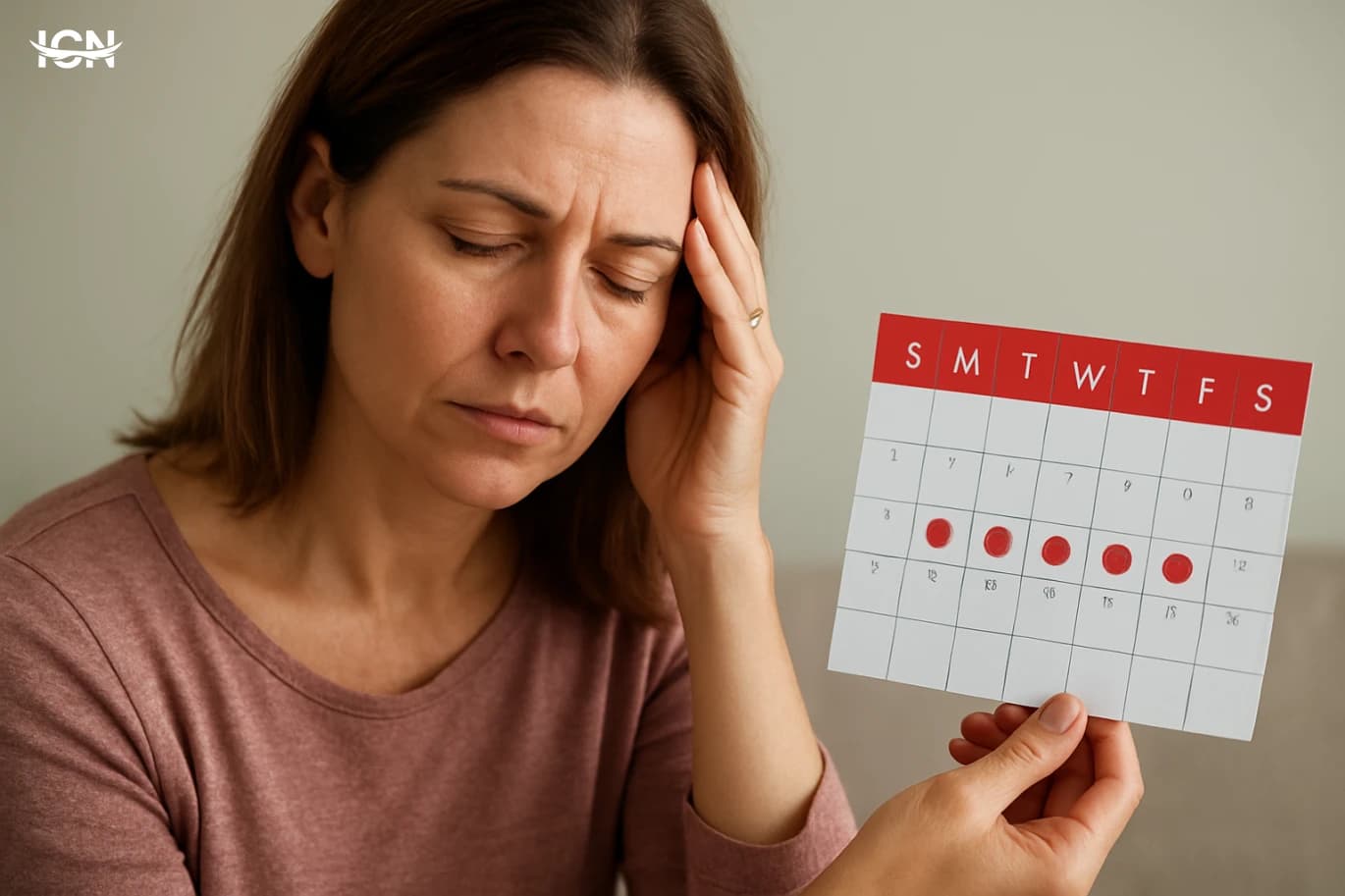
Why Does Your Mood Suddenly Shift?

- Understanding Mood Swings
- Psychological Factors
- Biological Influences
- Lifestyle Factors
- Coping Strategies
- Seeking Professional Help
Understanding Mood Swings
Mood swings are sudden and intense changes in emotional state. They often occur without a clear trigger and can range from happiness to sadness, or anger to calmness, in a short time. These shifts can be perplexing and may impact daily life.
Psychological Factors
Psychological factors such as stress, anxiety, or depression can significantly contribute to mood swings. Unresolved emotional conflicts or traumatic experiences may resurface unexpectedly, resulting in abrupt mood changes.
Biological Influences
Biological factors including hormonal fluctuations, especially during puberty, menstruation, pregnancy, or menopause, can cause sudden mood changes. Neurotransmitter imbalances in the brain also play a role in how emotions are regulated.
Lifestyle Factors
Lifestyle choices like diet, sleep, and physical activity impact mood stability. Poor sleep patterns, unhealthy eating habits, and sedentary behavior can exacerbate mood swings. Establishing a balanced lifestyle may mitigate these effects.
Coping Strategies
Developing healthy coping strategies is essential for managing mood swings. Techniques such as mindfulness, regular exercise, and seeking support from friends or professionals can provide stability and reduce emotional volatility.
Seeking Professional Help
If mood swings become overwhelming or interfere with daily functioning, it may be time to seek professional help. Therapists or counselors can offer guidance and therapeutic approaches to better understand and manage these shifts.