Why do women feel colder than men?

- What people notice in daily life
- Body composition and heat loss
- Metabolism, hormones, and the menstrual cycle
- Blood flow and cold hands and feet
- How buildings are set up for comfort
- When cold intolerance may signal a health issue
What people notice in daily life
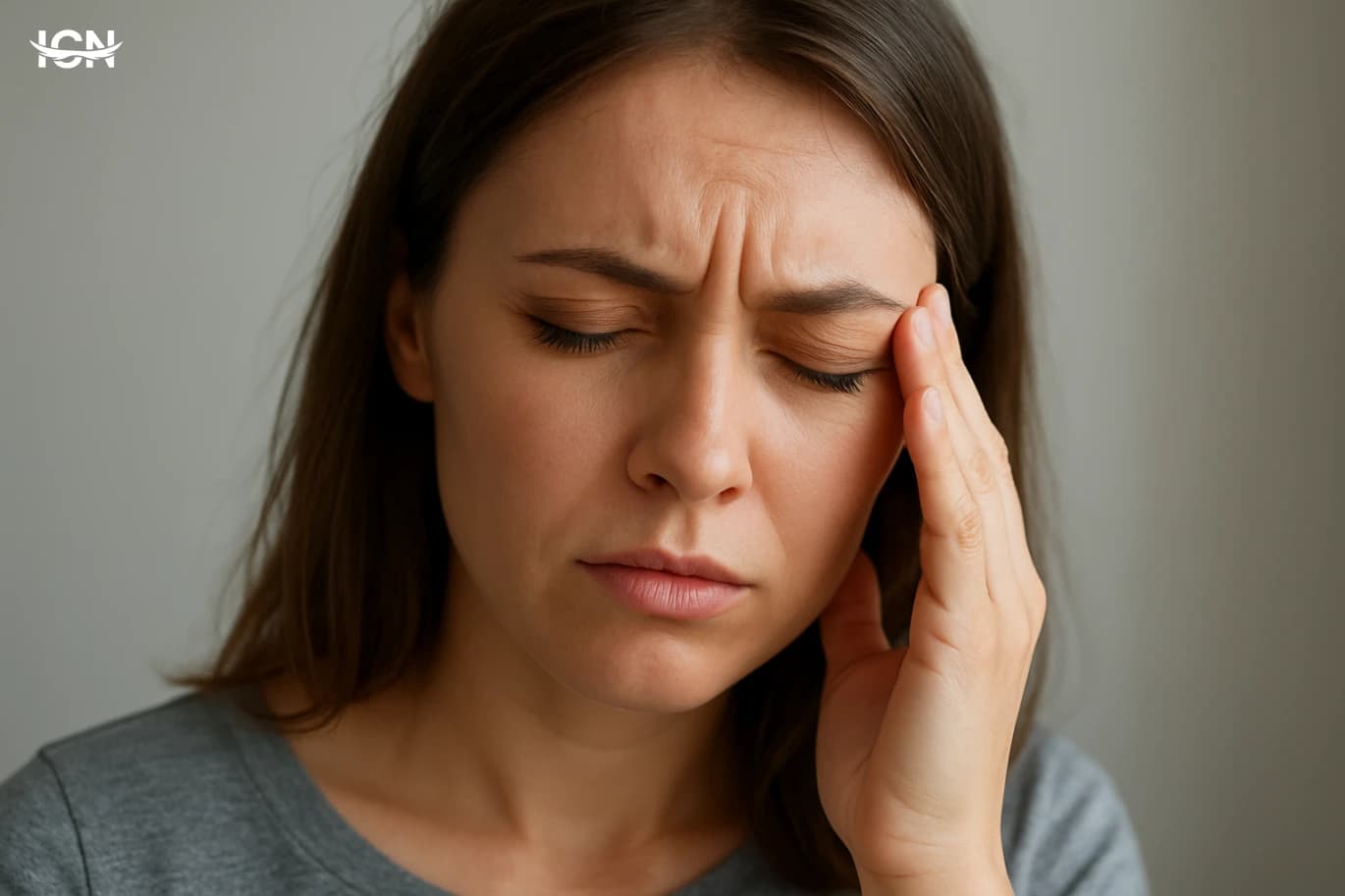
In offices, classrooms, and public transport, it is common to see women reaching for a sweater while men remain comfortable. Surveys on thermal comfort repeatedly show that women report feeling cold more often, especially in air-conditioned indoor spaces. This is not simply a matter of preference or “being sensitive.” It reflects a mix of biology, body composition, and the way buildings are designed and operated. The experience also varies by context. Many women feel fine outdoors when moving, yet feel chilled when sitting still at a desk. Others notice cold hands and feet even when the room temperature seems moderate. Understanding the main drivers helps explain why the same thermostat setting can feel neutral to one person and uncomfortable to another, and it can guide practical changes at home and work.
Body composition and heat loss
One major factor is average differences in body composition. Men, on average, have more lean muscle mass, while women tend to have a higher percentage of body fat. Muscle tissue generates more heat at rest because it has higher metabolic activity. With less muscle mass, the body may produce slightly less heat when sitting quietly, which is exactly the situation in many indoor environments. Body size and surface area also matter. Smaller bodies generally have a higher surface-area-to-mass ratio, which can increase heat loss to the surrounding air. Even when body fat provides some insulation, the distribution of fat and the thickness of tissue in the hands, feet, and face can leave extremities more exposed to cooling. This is why some people feel “fine” in the core but still have cold fingers. Clothing norms can amplify the difference. In many workplaces, men’s typical attire includes thicker fabrics, long sleeves, and layers, while women’s professional clothing may be lighter or offer less coverage. When the indoor temperature is set for a standard clothing assumption, small differences in insulation can translate into noticeable discomfort.
Metabolism, hormones, and the menstrual cycle
Resting metabolic rate influences how much heat the body produces. Because muscle mass contributes to metabolic rate, average differences can affect baseline warmth. But hormones also play an important role, and they can change over time. Across the menstrual cycle, progesterone rises after ovulation and tends to increase core body temperature slightly. Many women notice they feel warmer in the luteal phase and cooler around menstruation, when hormone levels shift. These changes are not dramatic for everyone, but they can be enough to change comfort in a strongly air-conditioned room. Hormonal transitions such as pregnancy, postpartum changes, and perimenopause can also affect temperature perception. For example, vasomotor symptoms in perimenopause can cause hot flashes followed by chills. Thyroid hormones are another key regulator of metabolism; hypothyroidism can increase cold intolerance in any person, and it is more common in women. The main point is that temperature comfort is not fixed, and for many women it varies with hormonal patterns and health status.
Blood flow and cold hands and feet
A frequent complaint is that hands and feet feel cold even when the rest of the body is comfortable. This is often linked to how the body regulates blood flow. When the environment is cool, blood vessels in the skin can constrict to reduce heat loss. If this response is stronger in the extremities, fingers and toes can cool quickly. Some research suggests women may have more pronounced peripheral vasoconstriction in certain conditions, which can contribute to colder hands. Conditions such as Raynaud’s phenomenon, where fingers or toes change color and become painful in response to cold or stress, are also more common in women. Even without a diagnosed condition, low movement, prolonged sitting, and stress can reduce circulation to the extremities. Practical factors matter: a desk near an air vent, cold floors, or working with hands exposed can make the problem worse. Small interventions—warm socks, insulated footwear, fingerless gloves, or moving the workstation away from direct airflow—often improve comfort more than changing the thermostat for everyone.
How buildings are set up for comfort
Indoor temperature standards and HVAC practices have historically been based on assumptions about the “average” occupant, including clothing and metabolic rate. Many widely used comfort models were developed using data that overrepresented men and assumed office work with a certain level of heat production. If the baseline assumes a higher metabolic rate, the resulting recommended temperature can feel too cold for people who produce less heat at rest. Air conditioning also cools unevenly. Vent placement, ceiling height, window exposure, and building insulation create microclimates where one desk is comfortable and another is chilly. Open-plan offices can worsen this because people cannot control their immediate environment. In addition, humidity and air movement affect perceived temperature; a strong draft can make a room feel several degrees colder. From a management perspective, the goal is not to pick a single “correct” temperature but to reduce extremes and give occupants options. Zoned controls, adjustable vents, desk-level heaters that meet safety rules, and flexible dress codes are practical strategies that address comfort without compromising energy efficiency.
When cold intolerance may signal a health issue
Feeling cold more often can be normal, but persistent or sudden cold intolerance deserves attention, especially if it is new for a person. Possible contributors include anemia (low hemoglobin), undernutrition, low body weight, hypothyroidism, and circulation problems. Certain medications and chronic conditions can also affect temperature regulation. Warning signs include fatigue that is out of proportion, unexplained weight change, hair loss, frequent dizziness, shortness of breath on mild exertion, numbness or color changes in fingers and toes, or symptoms that interfere with daily functioning. In these situations, a clinician may consider checking a complete blood count, iron status, thyroid function, and other tests based on the full history. For everyday management, the most effective steps are often targeted: wearing layers, keeping feet insulated, taking short movement breaks to improve circulation, drinking warm fluids, and reducing direct exposure to cold airflow. If workplace temperatures are consistently uncomfortable, documenting patterns—time of day, location, vent direction—can help facilities teams make adjustments that improve comfort for more people.