Weeknight Sheet Pan Chicken and Veggies
- Why sheet pan dinners work
- The core ingredient list
- A 30-minute game plan
- Flavor variations that feel new
- Common mistakes and quick fixes
- Meal prep and leftovers strategy
Why sheet pan dinners work
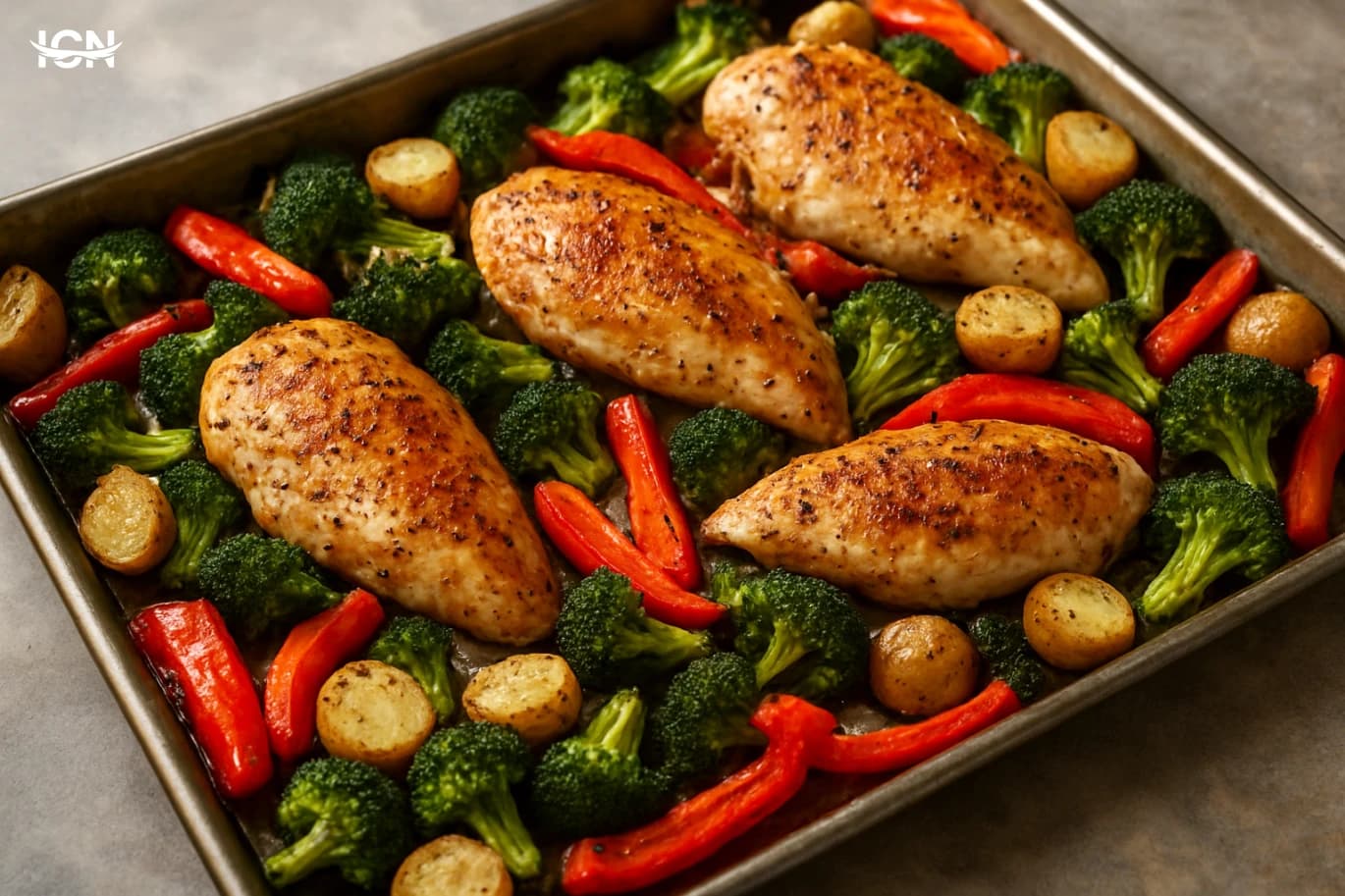
Sheet pan meals are built for busy nights because they reduce decisions, dishes, and cooking steps. One tray handles the main protein and the vegetables at the same time, so you are not juggling multiple pans or timing separate sides. The method is also forgiving: if you choose vegetables that roast at similar speeds and cut them to consistent sizes, you get reliable results even when you are tired. From a practical standpoint, the biggest advantage is workflow. You can preheat the oven, line a tray, toss everything with oil and seasoning, and let the heat do the rest. Cleanup is often limited to a cutting board, a knife, and the tray. For households trying to cook more at home without spending an hour in the kitchen, this approach is one of the simplest ways to produce a complete dinner with minimal effort.
The core ingredient list
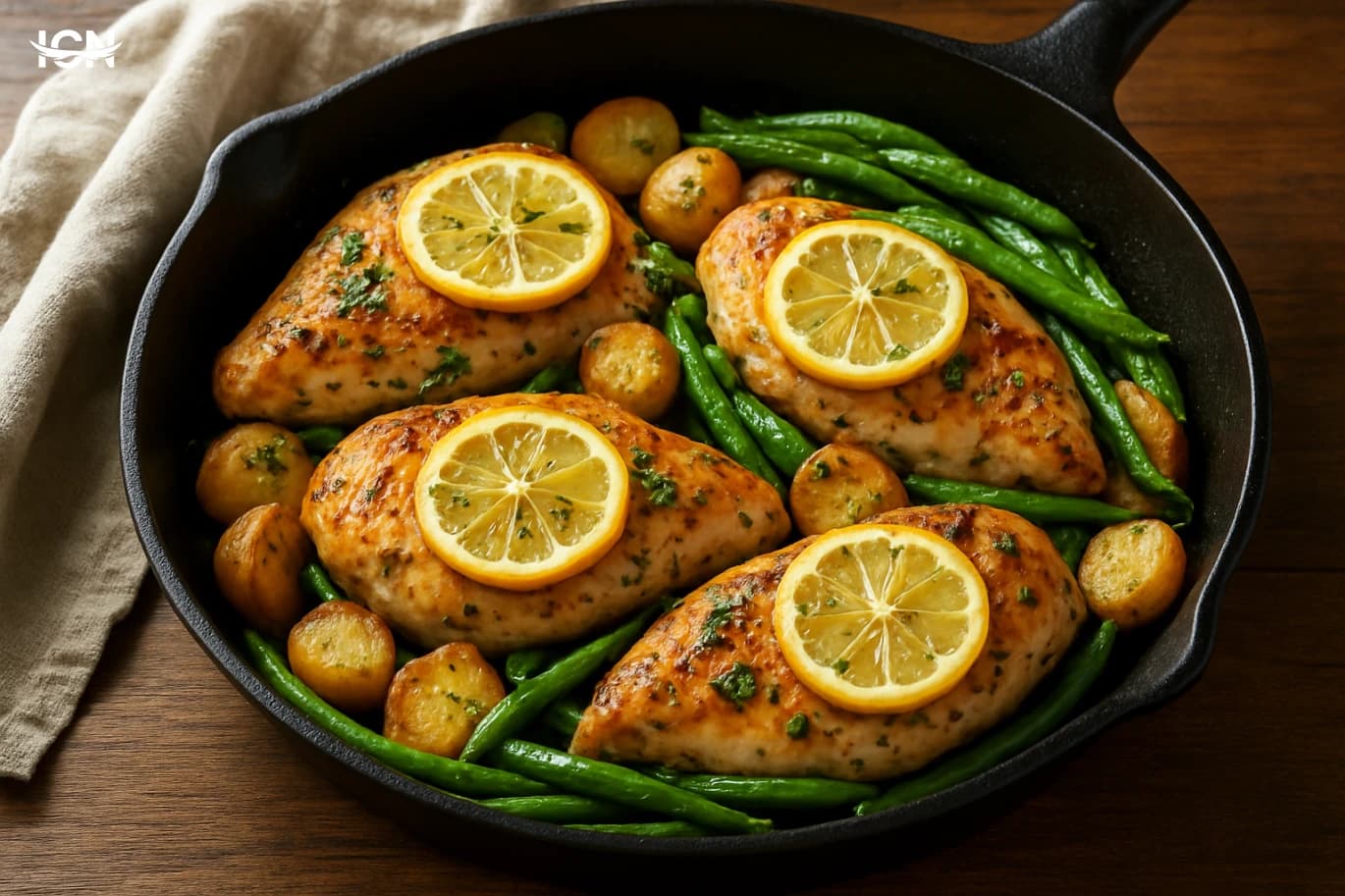
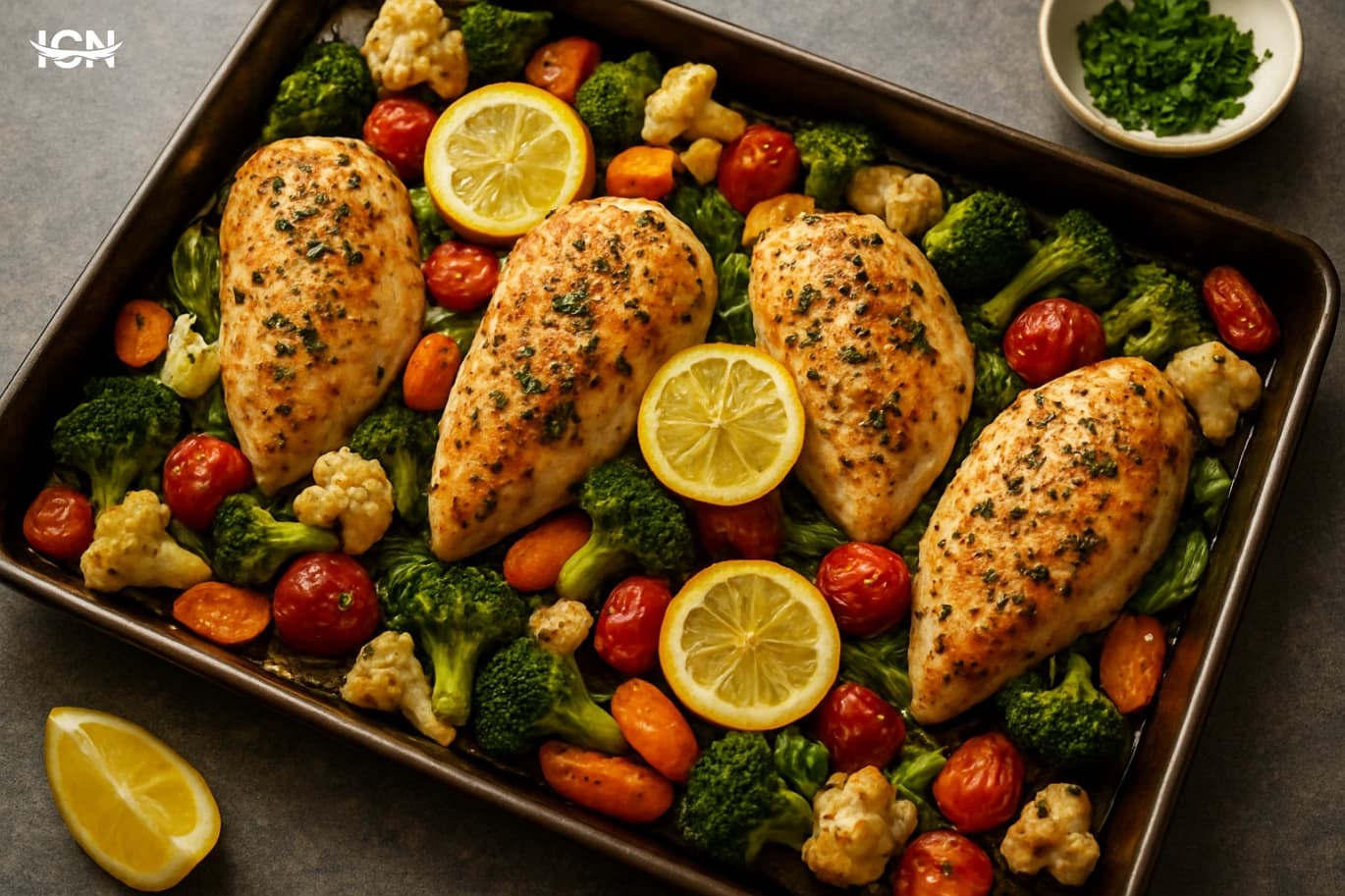
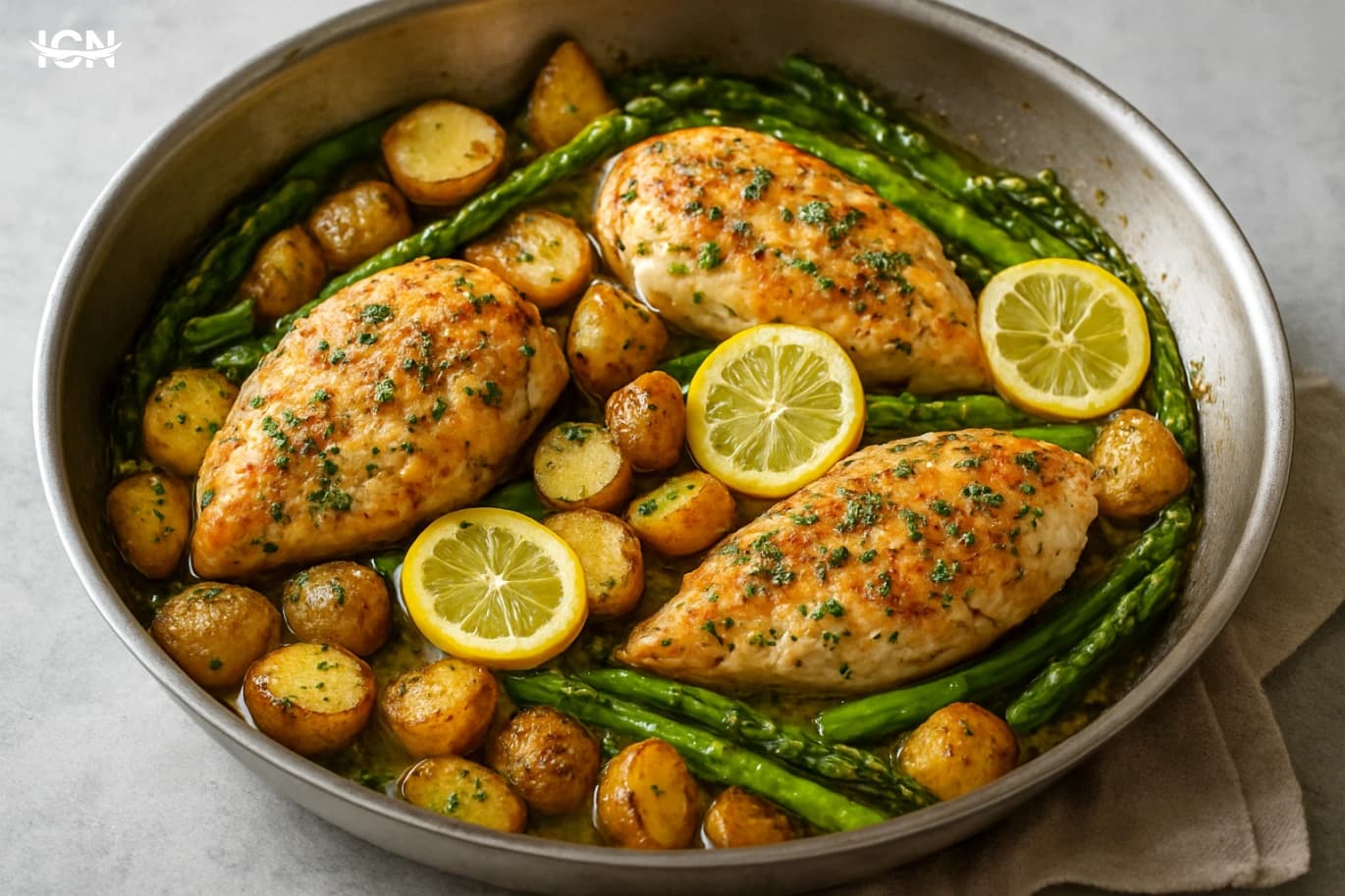
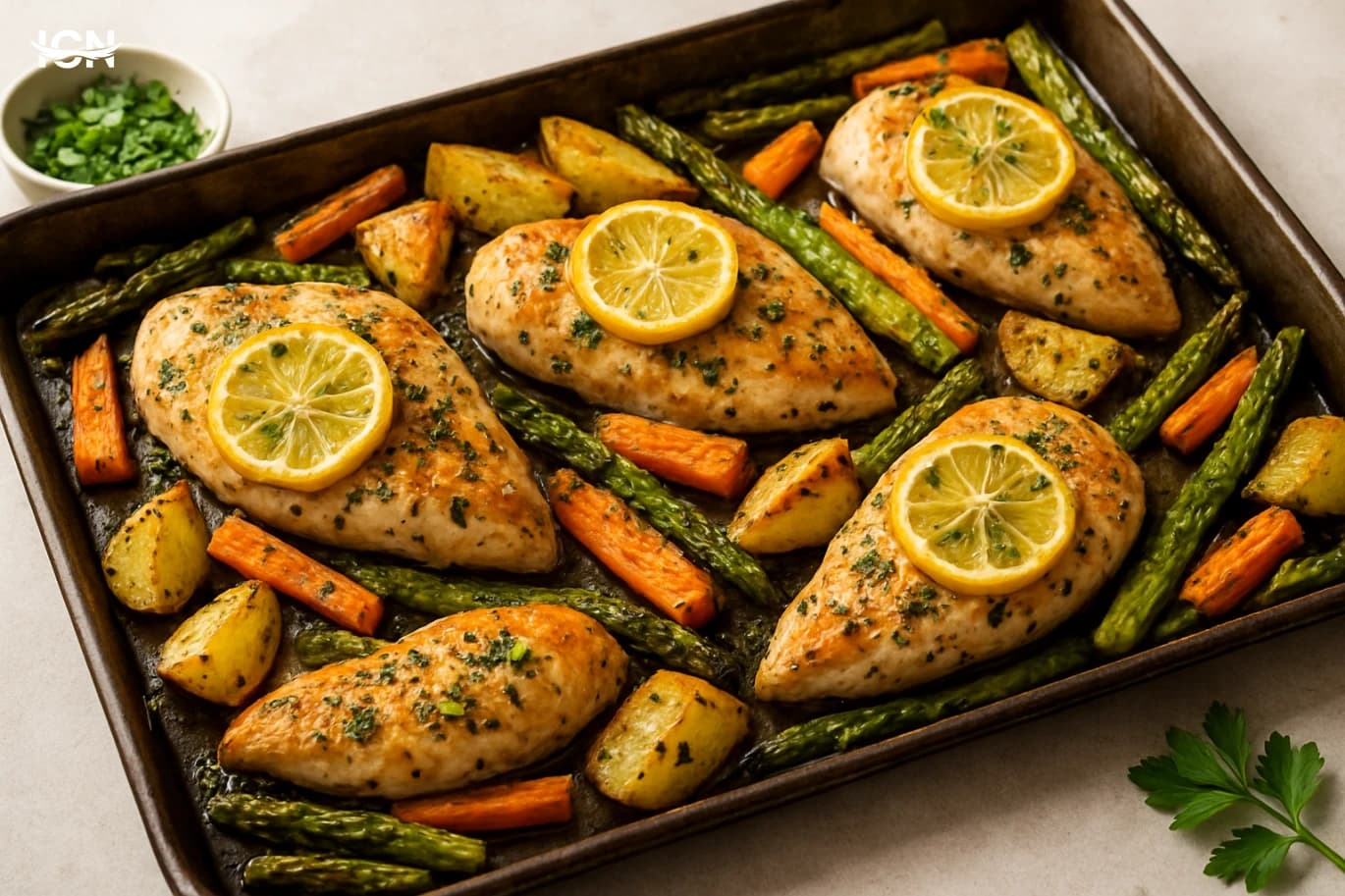
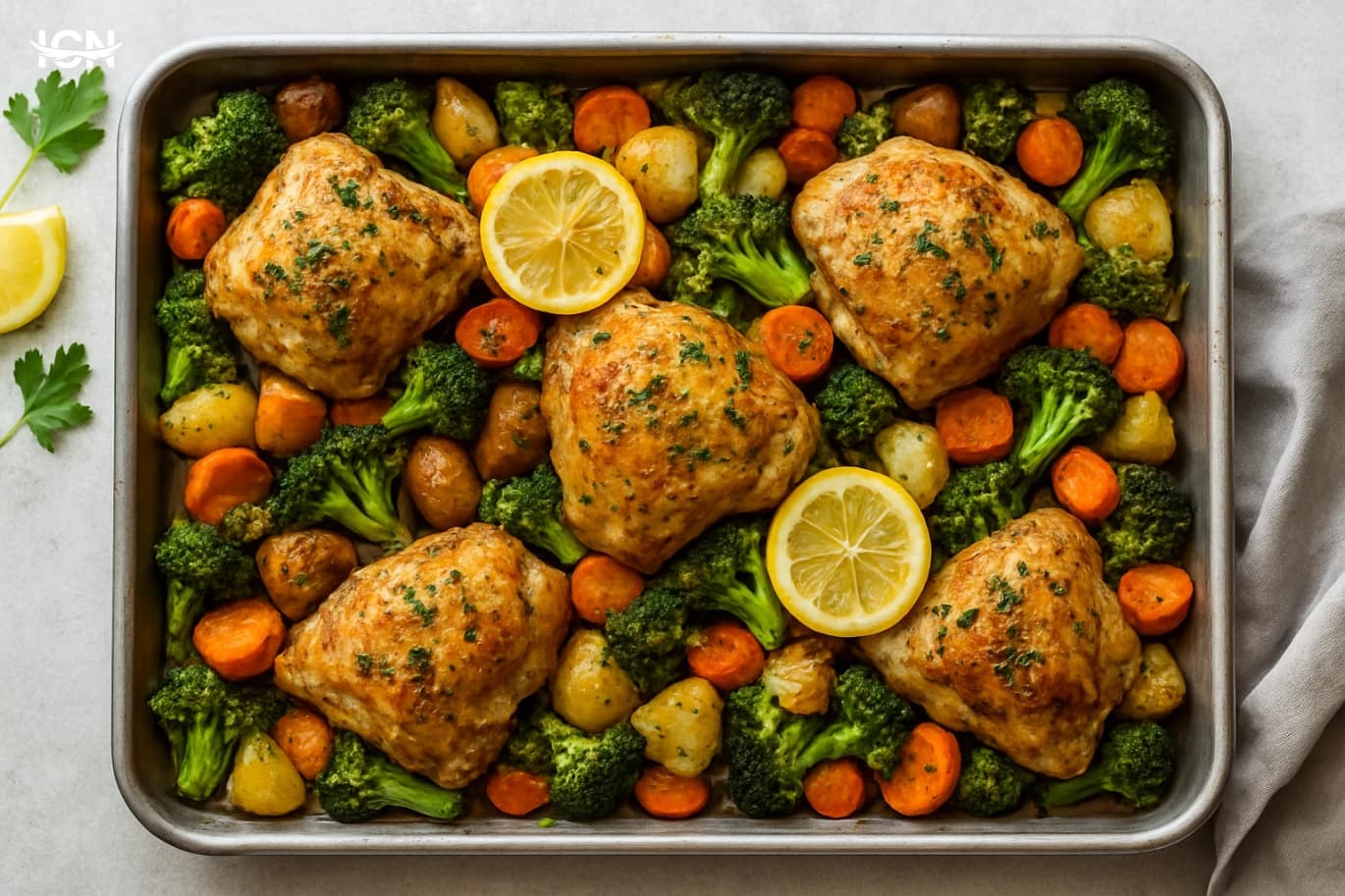
For a dependable weeknight version, use boneless, skinless chicken thighs because they stay juicy and tolerate a few extra minutes in the oven. Chicken breast works too, but it benefits from careful timing. Plan for about 1.5 to 2 pounds of chicken for four servings. For vegetables, choose a mix that roasts well: bell peppers, red onion, zucchini, broccoli florets, and baby potatoes or sweet potatoes. If you include potatoes, cut them small so they finish with the chicken. A simple seasoning base is olive oil, salt, black pepper, garlic powder, and smoked paprika. Add dried oregano or Italian seasoning for a familiar profile, or cumin and coriander for a warmer flavor. A quick sauce or finishing element makes the meal feel intentional. Options include lemon wedges, a spoon of plain yogurt mixed with garlic, a drizzle of tahini-lemon sauce, or store-bought pesto. Keep one of these in the fridge and the same tray dinner can taste different each week.
A 30-minute game plan
Start by heating the oven to 425°F (220°C). High heat is key for browning and for cooking vegetables quickly without turning them soft. Line a large sheet pan with parchment paper or foil for easier cleanup. While the oven heats, cut vegetables into even pieces. If using potatoes, cut them into 1-inch cubes and give them a two-minute head start in the microwave with a splash of water, then drain; this small trick helps them finish on time without extra oven time. Pat the chicken dry with paper towels so it browns instead of steaming. In a large bowl, toss chicken and vegetables with 2 to 3 tablespoons of olive oil, 1 to 1.5 teaspoons of salt (adjust to taste), black pepper, garlic powder, and paprika. Spread everything on the tray in a single layer. Crowding causes steaming, so use two trays if needed. Roast for 18 to 22 minutes, flipping vegetables once if you have time. Check chicken for doneness; thighs are typically ready at 175°F (80°C) internal temperature, while breasts are best around 165°F (74°C). Finish with a squeeze of lemon and a quick sauce on the side. From prep to plate, the routine can stay under 30 minutes once you know your oven.
Flavor variations that feel new
The same sheet pan structure can produce very different dinners by changing the seasoning and the finishing sauce. For a Mediterranean direction, use oregano, lemon zest, and a small handful of olives added in the last five minutes. Serve with a yogurt-garlic sauce and chopped cucumber. For a Middle Eastern-inspired version, season with cumin, coriander, paprika, and a pinch of cinnamon. Add red onion wedges and bell peppers, then finish with parsley and a drizzle of tahini-lemon sauce. If you have sumac, sprinkle it at the end for a bright, tangy note. For a spicy-sweet profile, mix a tablespoon of honey with a teaspoon of chili flakes and a splash of soy sauce, then toss with the chicken before roasting. Pair with broccoli and carrots for a classic combination. If you want a crispier finish, switch the oven to broil for the last one to two minutes, watching closely to avoid burning.
Common mistakes and quick fixes
The most common issue is soggy vegetables. This usually happens when the pan is overcrowded or the oven temperature is too low. Fix it by using a larger tray, splitting into two pans, and roasting at 425°F (220°C). Another frequent problem is uneven cooking, especially when potatoes are large and chicken pieces vary in size. Keep cuts consistent and place denser vegetables like potatoes closer to the edges of the pan where heat is stronger. Dry chicken is typically a timing issue. If you use chicken breast, pull it as soon as it reaches 165°F (74°C) and let it rest for five minutes. Thighs are more forgiving, but they still benefit from resting. Also, do not skip drying the chicken before seasoning; moisture prevents browning. Finally, bland results usually come from under-salting or skipping an acidic finish. Salt the food before roasting and add lemon juice, vinegar-based sauce, or a tangy yogurt topping at the end. That final step can make a simple tray dinner taste like a planned meal rather than a compromise.
Meal prep and leftovers strategy
This dish is efficient for meal prep because the components hold up well for three to four days in the refrigerator. Roast a double batch on two trays, then portion into containers with a simple grain like couscous, rice, or quinoa. Keep the sauce separate so the vegetables stay roasted rather than soft. Leftovers can be repurposed without feeling repetitive. Chop the chicken and vegetables and fold them into a wrap with lettuce and yogurt sauce. Turn them into a quick salad bowl with greens, chickpeas, and a lemony dressing. You can also reheat and top with a fried egg for a fast lunch. For reheating, use a hot skillet or the oven at 400°F (205°C) for a few minutes to bring back some crisp edges. The microwave is fine for speed, but it softens the vegetables. With a small plan for storage and reheating, one sheet pan dinner can cover two meals with almost no extra work.