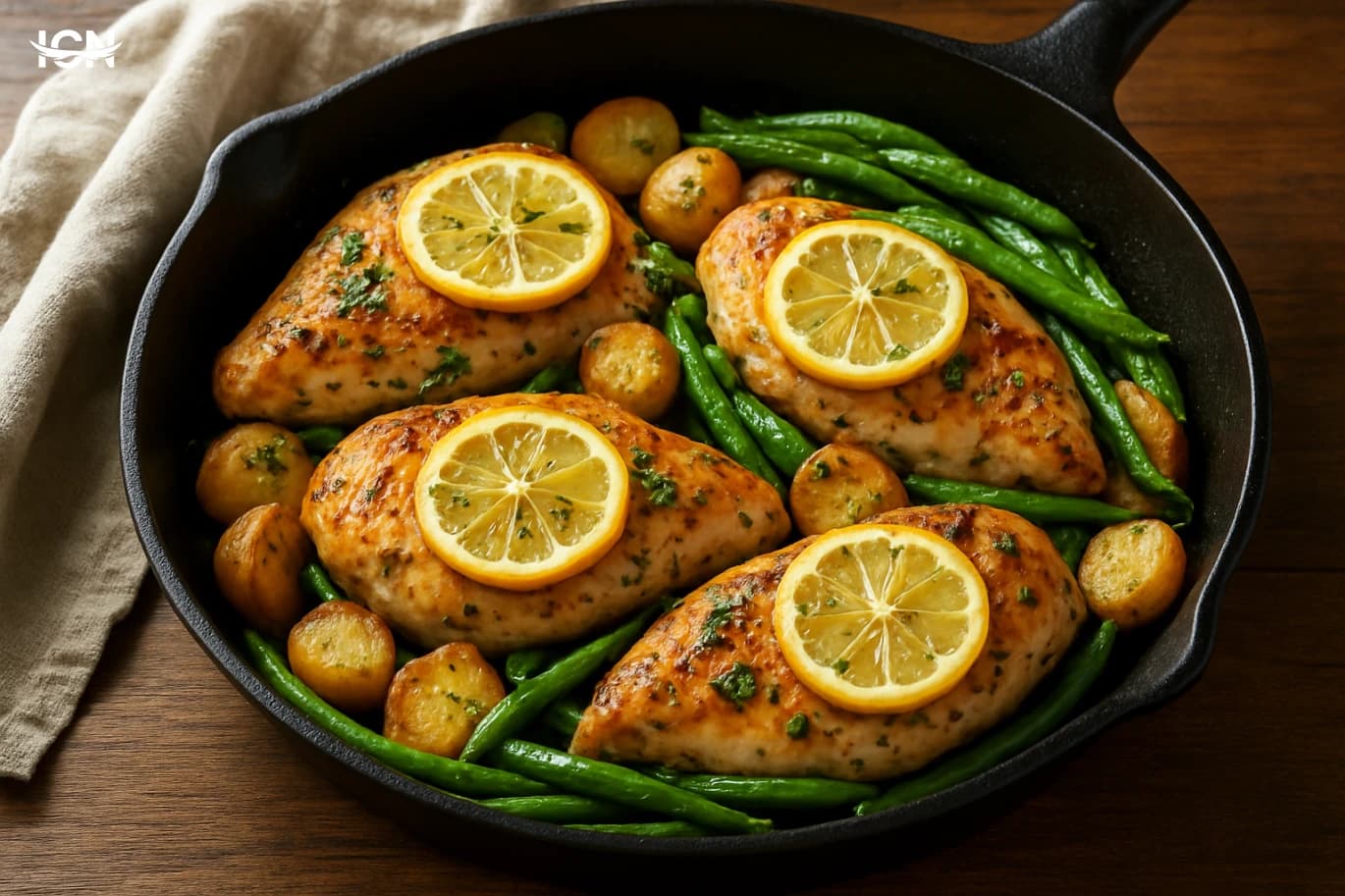
One Pan Lemon Herb Chicken Dinner
- Why this one-pan dinner works
- Ingredients that cook at the same pace
- Prep in 10 minutes with a clear order
- Roasting timeline and doneness checks
- Flavor upgrades without extra work
- bookmark
Why this one-pan dinner works
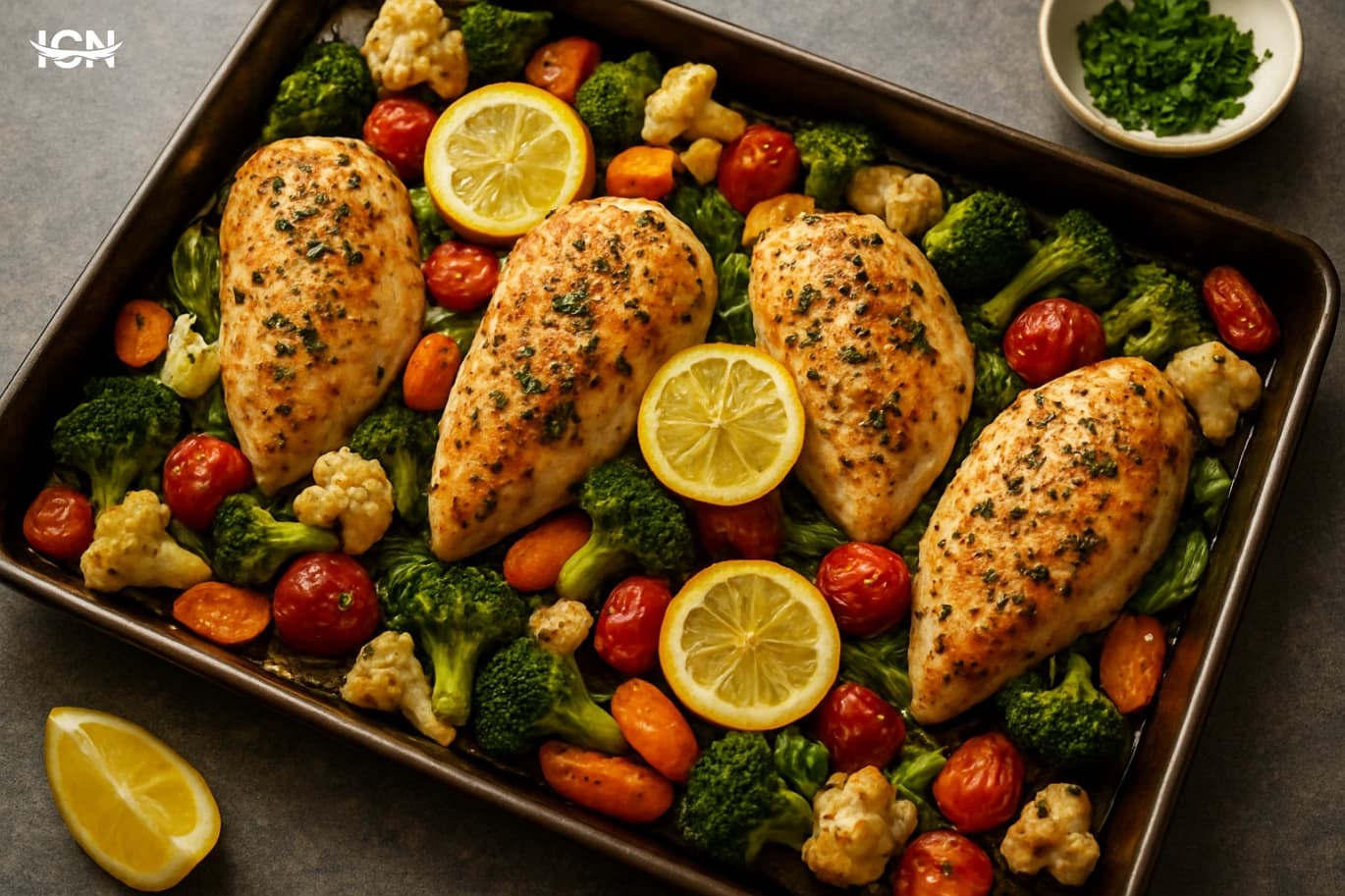
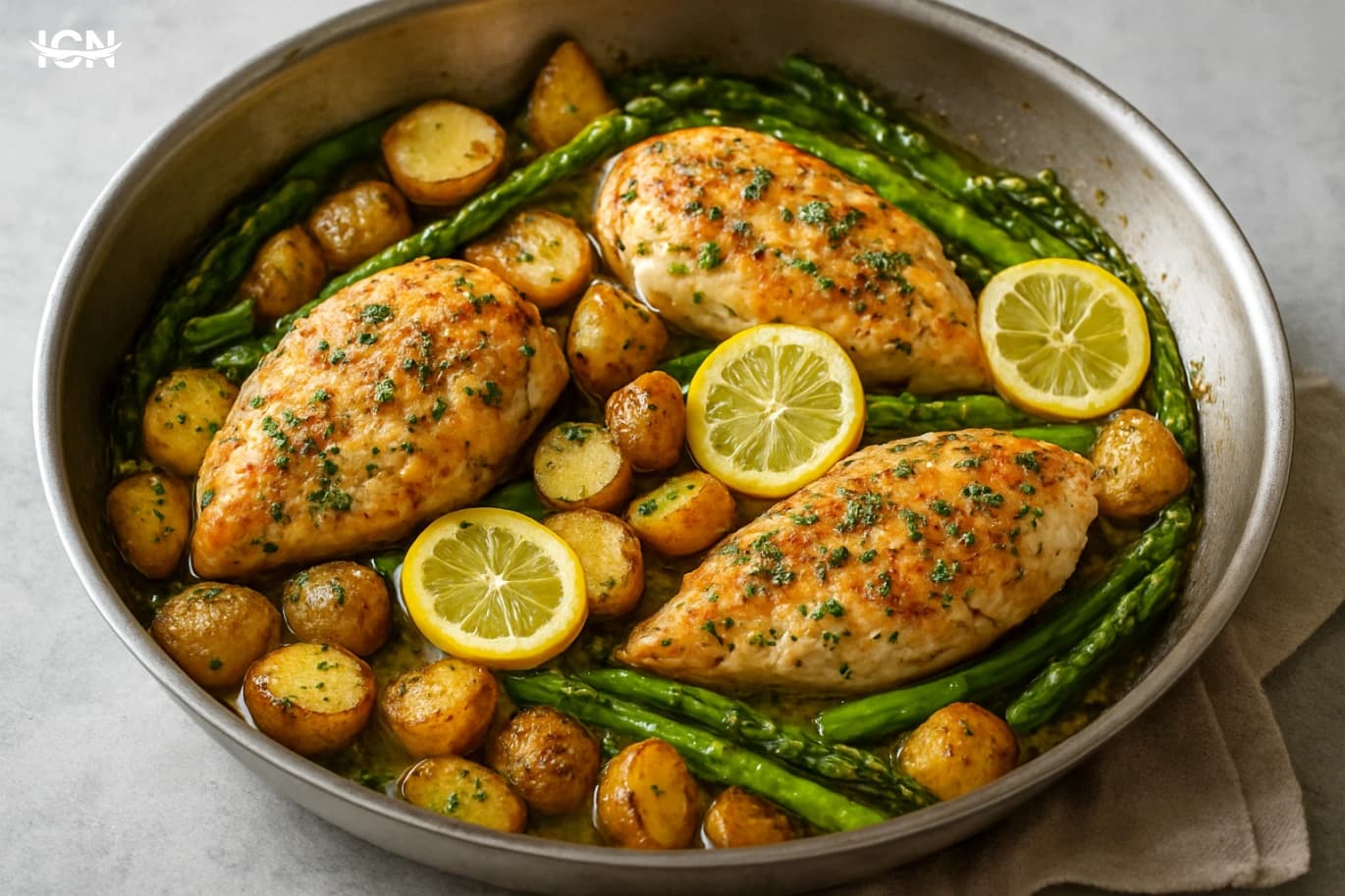
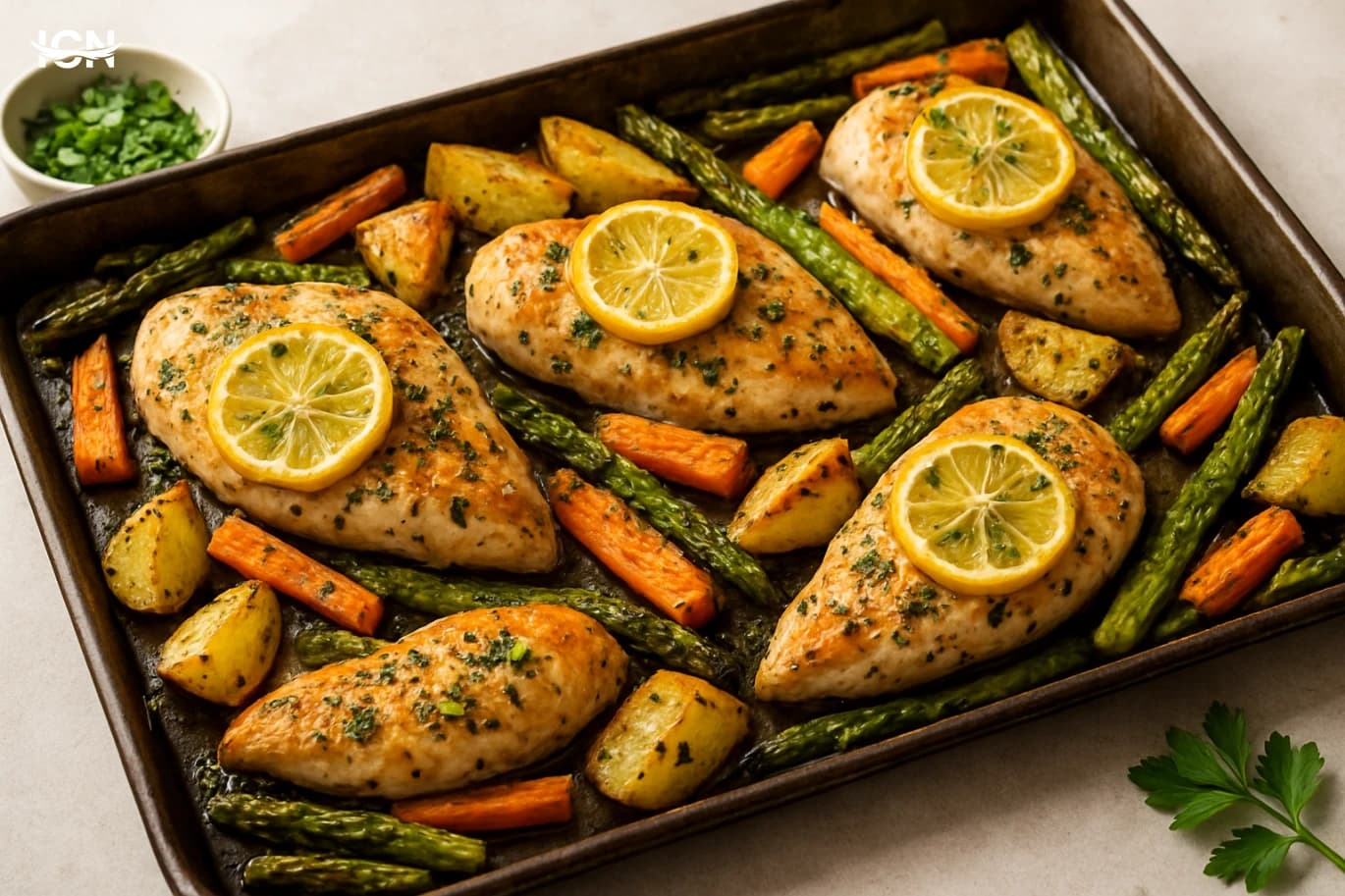
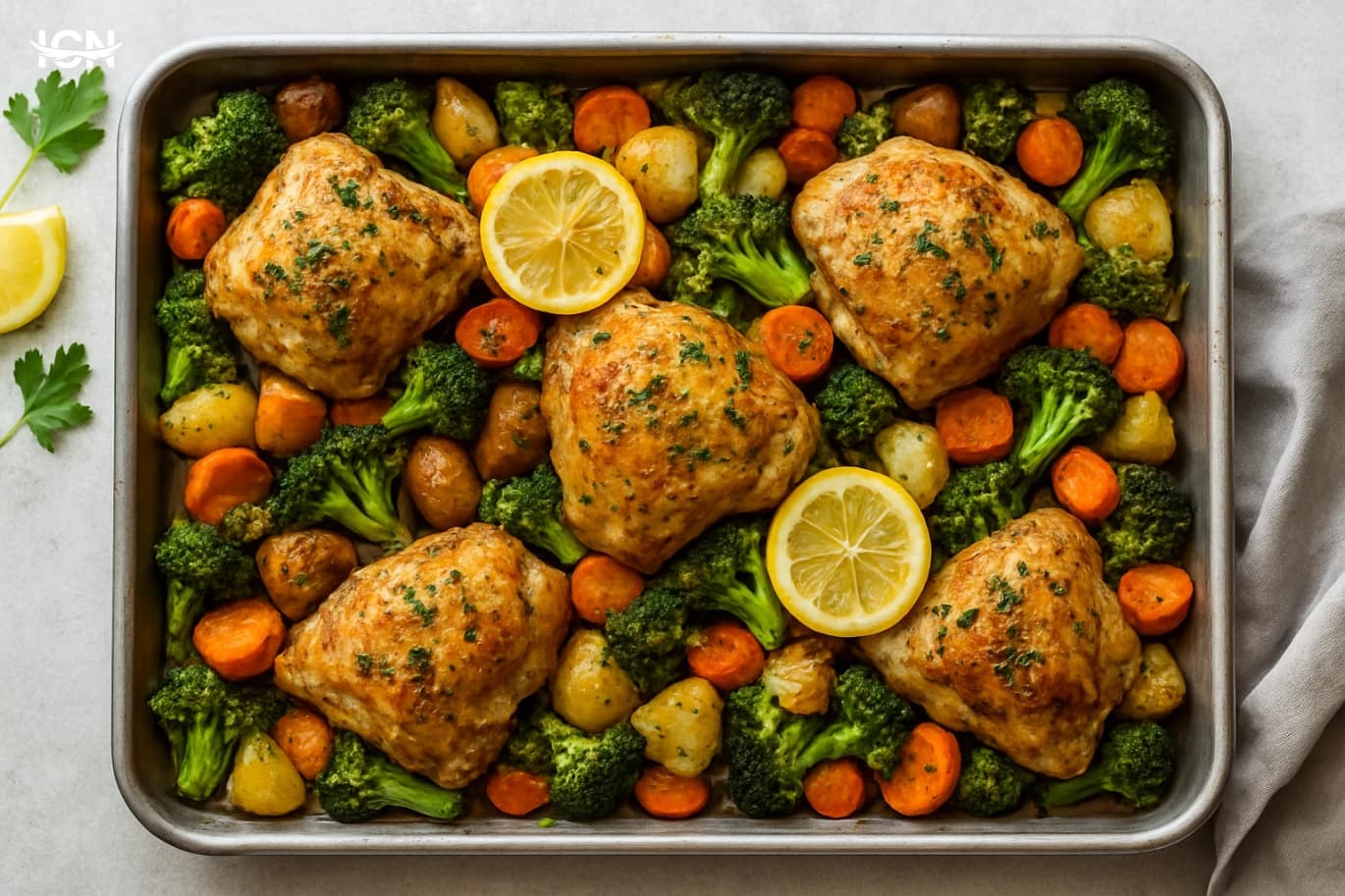
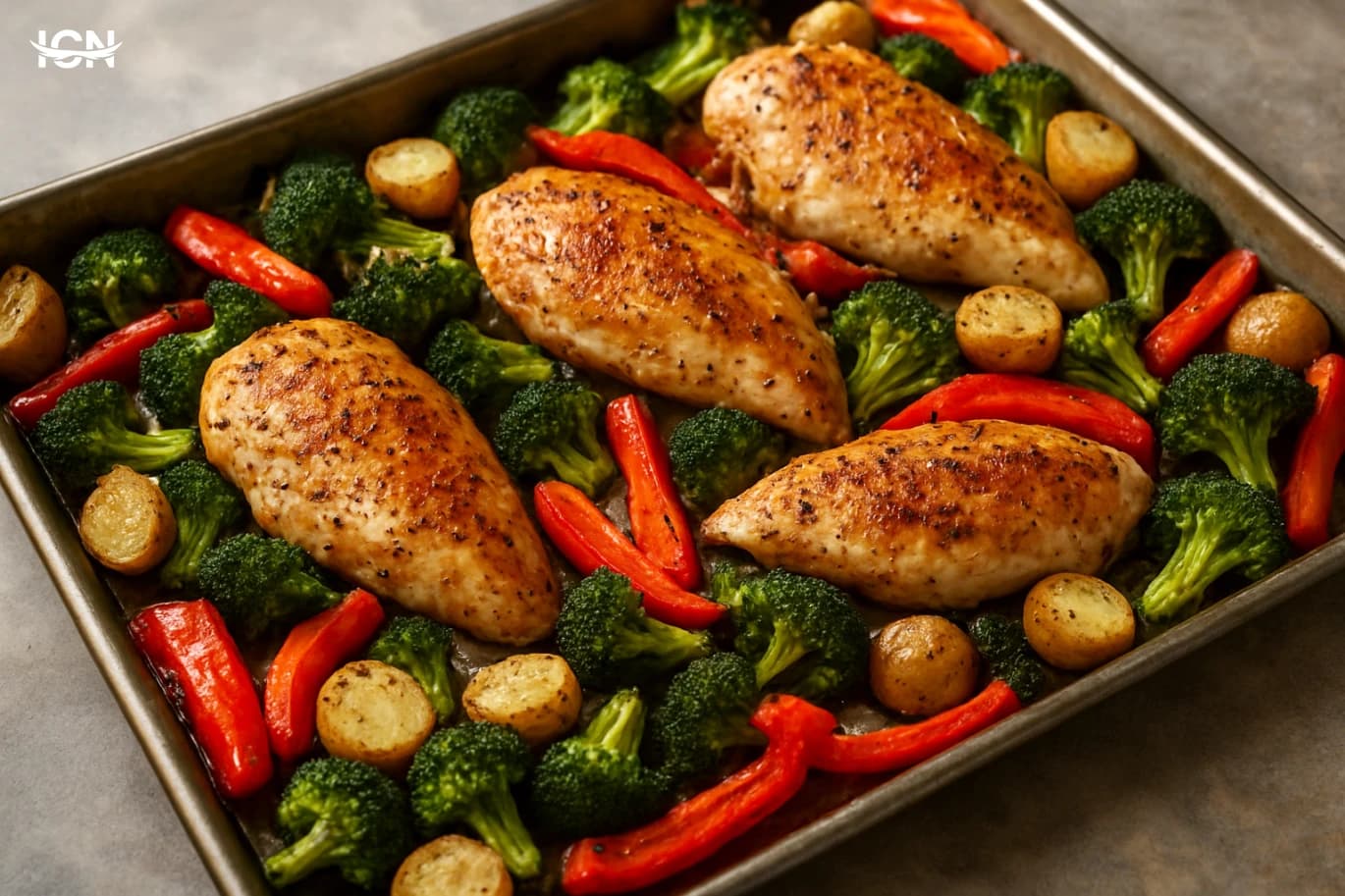
This topic focuses on a fast, reliable dinner built around one sheet pan: lemon-herb chicken with vegetables that roast together. The appeal is practical: minimal prep, minimal dishes, and a complete meal that looks intentional. The method uses a high oven temperature to brown the chicken while keeping the vegetables tender, and it relies on pantry staples like olive oil, dried oregano, garlic, and a fresh lemon. It is also flexible for weeknights because it can be scaled for two people or a family without changing the technique. The key promise is a 35–45 minute total timeline, including prep, with clear checkpoints so the cook is not guessing. This blog topic will show how to choose the right chicken cut, how to cut vegetables for even cooking, and how to build flavor quickly without a long marinade.
Ingredients that cook at the same pace
The core ingredient list is designed for speed and consistent results. For chicken, thighs are the most forgiving because they stay juicy at high heat, but boneless thighs or chicken breast can work with timing adjustments. Vegetables should be chosen for similar roasting times: baby potatoes or diced regular potatoes, carrots cut into sticks, and a quick-cooking vegetable added later such as zucchini, bell pepper, or green beans. The flavor base is a simple mix of olive oil, lemon zest, lemon juice, minced garlic, oregano or thyme, salt, and black pepper. Optional additions that still keep it fast include Dijon mustard for tang, paprika for color, or a handful of olives for a briny note. The section will explain how to avoid common mismatches, like pairing large potato chunks with thin asparagus, which leads to uneven doneness. It will also include a short shopping guide for busy cooks: what can be bought pre-cut, what is worth cutting fresh, and which herbs work well dried versus fresh.
Prep in 10 minutes with a clear order
This section lays out a strict, time-saving prep sequence. Start by heating the oven to 220°C (425°F) and placing the empty sheet pan inside so it preheats; this jump-starts browning. While the oven heats, pat the chicken dry with paper towels for better color, then season it with salt and pepper. In a bowl, toss potatoes and carrots with olive oil, half the garlic, and a pinch of oregano; spread them on the hot pan first because they need the longest time. Next, quickly mix the lemon zest, lemon juice, remaining garlic, and herbs with a little more oil, then coat the chicken. Place the chicken on top of the vegetables, leaving space between pieces so steam does not build up. If using quick vegetables like zucchini or green beans, keep them aside to add later. The section will include practical cutting sizes, like 2–3 cm potato chunks and carrot sticks about the thickness of a finger, to keep roasting times predictable.
Roasting timeline and doneness checks
The cooking plan is built around two checkpoints. Roast potatoes and carrots for about 10 minutes first to give them a head start, then add the chicken (if it was not already placed) and roast for another 18–25 minutes depending on thickness. At the halfway point, stir the vegetables and rotate the pan for even heat. Add quick vegetables during the last 10–12 minutes so they stay bright and do not collapse. Doneness should be checked with clear cues: chicken juices should run clear, the thickest part should be fully cooked, and the skin (if using skin-on) should be browned. If using a thermometer, aim for 74°C (165°F) in the thickest part. Vegetables should be tender when pierced and lightly caramelized at the edges. The section will also cover quick fixes: if the chicken is done but vegetables need more time, move chicken to a plate and return the pan to the oven for 5–8 minutes; if vegetables are browning too fast, lower the oven slightly or add a small splash of water to the pan to slow scorching.
Flavor upgrades without extra work
This section offers optional add-ons that keep the dish fast while making it feel restaurant-level. Add thin lemon slices on top of the chicken for aroma, but keep them off direct contact with the hottest pan spots to prevent bitterness. Finish with a quick pan sauce by scraping the roasted juices into a small bowl and whisking with a teaspoon of honey or a small knob of butter for balance. For a sharper profile, add a spoon of capers or a sprinkle of sumac at the end. Fresh herbs like parsley can be chopped in under a minute and brighten the entire tray. If you want a more filling meal without extra pans, add chickpeas (drained and dried) to the vegetables for the last 15 minutes so they crisp slightly. The section will also explain seasoning discipline: salt the chicken properly early, but taste the finishing sauce before adding more salt because roasted juices concentrate.
bookmark
Bookmark this topic if you want a repeatable weeknight template rather than a one-off recipe. The one-pan lemon-herb format can be reused with different vegetables (sweet potatoes, cauliflower, Brussels sprouts) and different proteins (salmon fillets added in the last 12–15 minutes, or turkey cutlets with shorter roasting). Keep a simple rule: match thickness and cooking time, and add fast ingredients later. For meal prep, store leftovers in airtight containers for up to 3 days; reheat in a hot oven or air fryer to bring back crisp edges, or warm gently in a skillet with a splash of water. For a quick next-day lunch, slice the chicken and toss it with the roasted vegetables and a spoon of yogurt mixed with lemon and garlic. The section will also include a short checklist to make the dish even faster next time: pre-mix a jar of dried herb seasoning, keep lemons on hand, and line the pan with parchment for easier cleanup.