Ten Minute Pantry Noodle Bowls
- Why noodle bowls work on busy days
- The 10-minute method and timing
- Three sauces from common pantry items
- Proteins and vegetables that cook instantly
- Five bowl combinations you can rotate
- bookmark
Why noodle bowls work on busy days
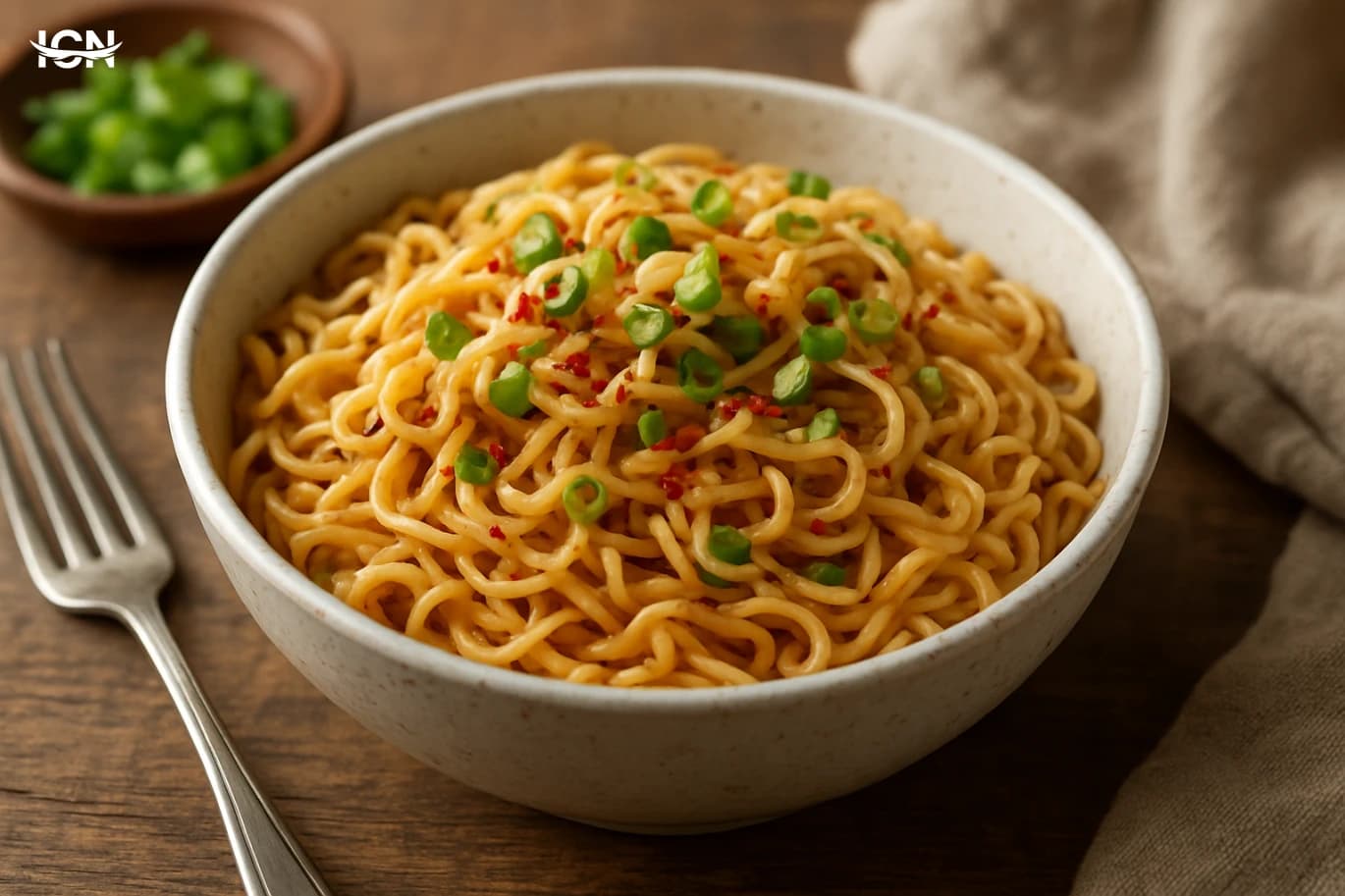
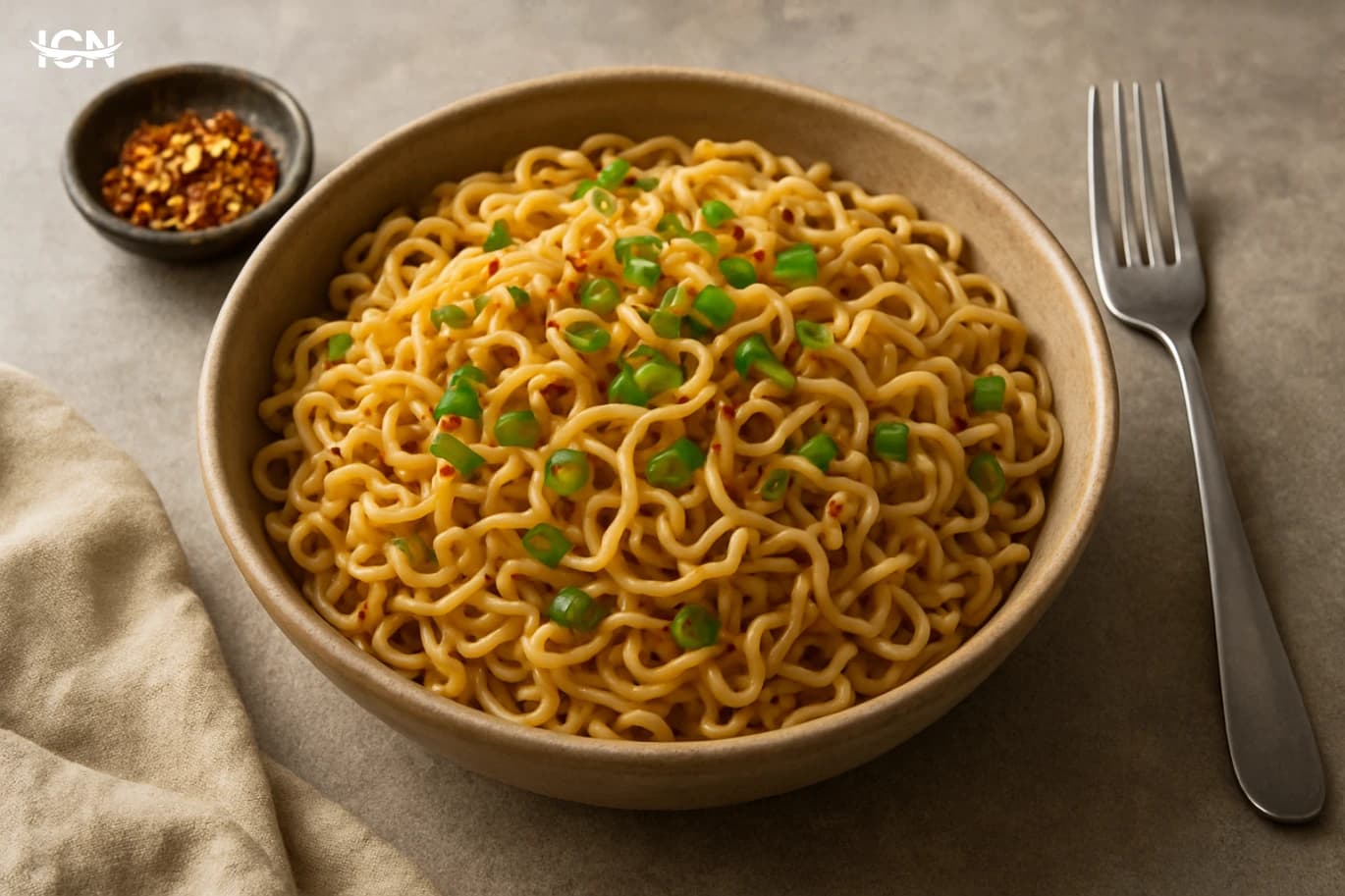
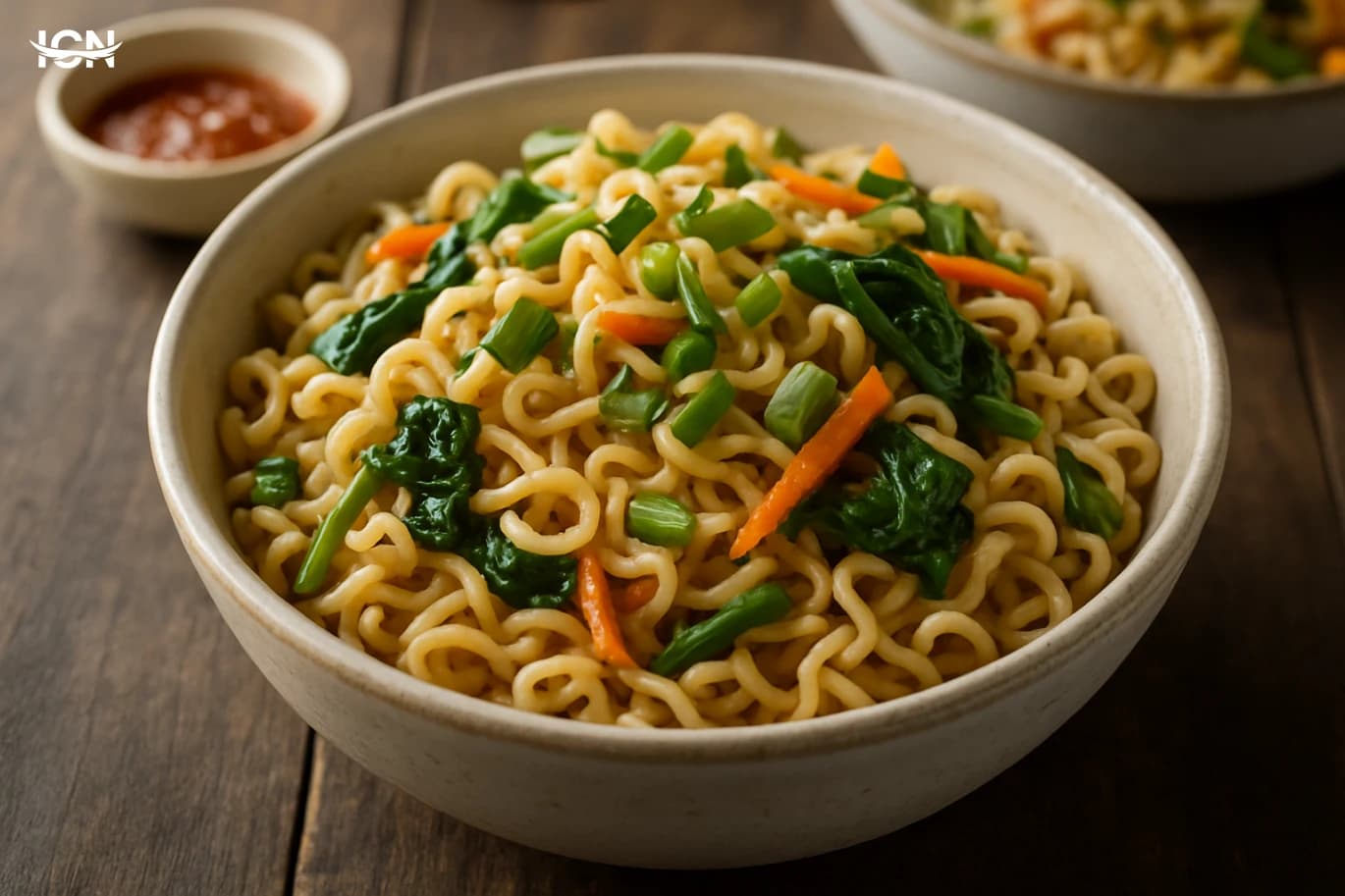
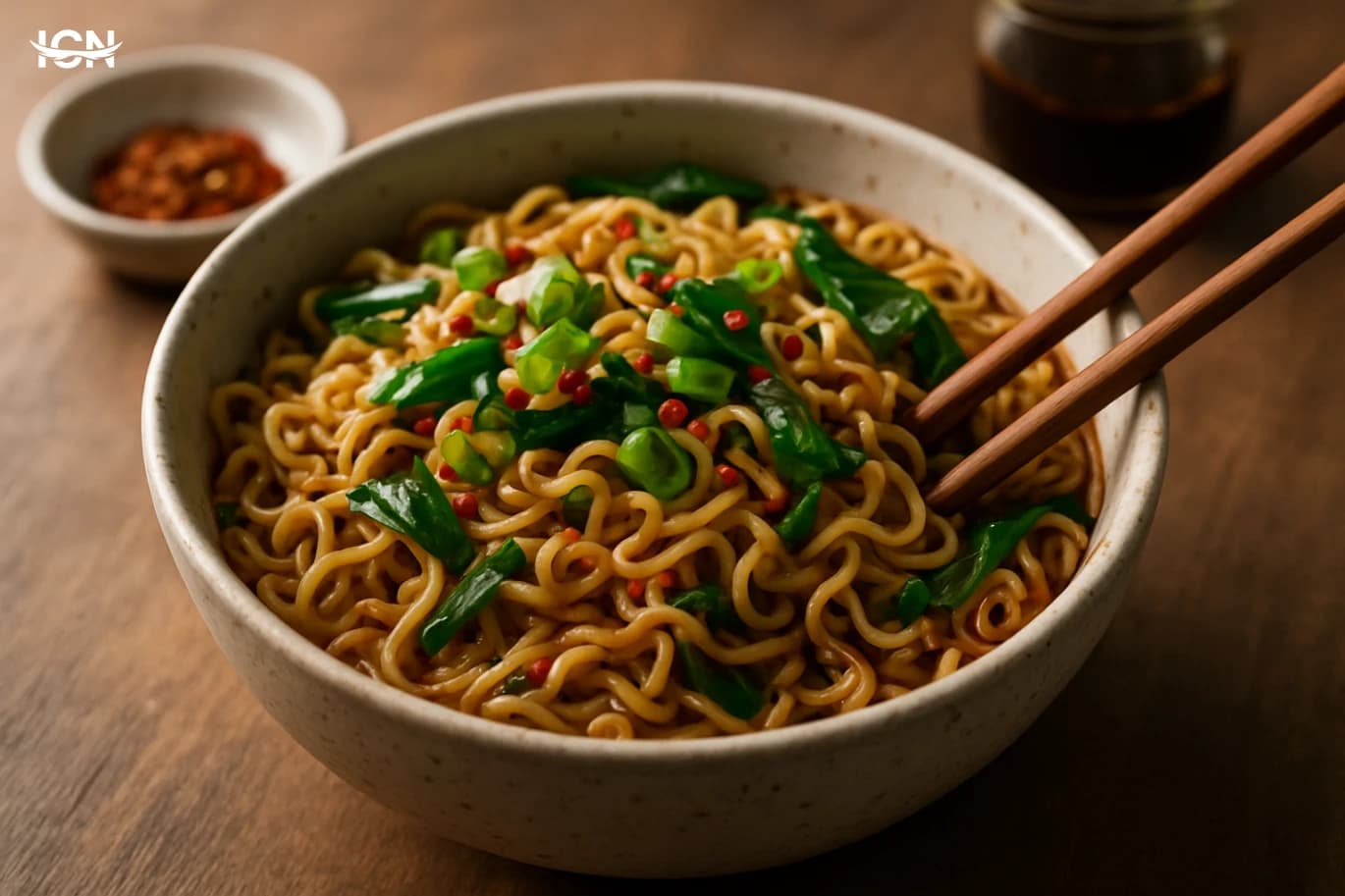
A pantry-based noodle bowl is one of the most reliable fast meals because it combines three things that cook quickly: thin noodles, a simple sauce, and small add-ins that heat through in minutes. You can start with instant ramen, rice noodles, or thin wheat noodles; each reaches a good texture fast if you watch the timing. The “bowl” format also reduces extra steps: you can build flavor in the same pot you cook the noodles, then toss everything together without needing a separate side dish. For weeknights, this matters because it limits dishes, keeps the process predictable, and still delivers a meal that feels complete. Another advantage is flexibility. A noodle bowl can be mild or spicy, savory or slightly sweet, and it can accommodate what you already have: canned fish, frozen vegetables, leftover chicken, or a single egg. The goal is not a restaurant replica; it is a structured method that produces consistent results in about ten minutes. When you treat it like a template—noodles + sauce + protein + vegetables + crunch—you can rotate flavors without learning a new recipe every time.
The 10-minute method and timing
To keep the meal truly fast, use a simple sequence. Minute 0–1: boil water in a kettle or pot; if you have an electric kettle, it shortens the wait. Minute 1–3: while water heats, mix the sauce in the serving bowl so it is ready to coat the noodles immediately. Minute 3–6: cook the noodles; add quick vegetables in the last 60–90 seconds so they blanch without turning soft. Minute 6–8: drain, keeping a few tablespoons of cooking water; it helps emulsify the sauce and prevents dryness. Minute 8–10: toss noodles with sauce, add protein, and finish with toppings. Two small habits improve results. First, undercook noodles slightly, because they continue to soften after draining, especially in hot sauce. Second, use the reserved cooking water gradually; start with one tablespoon, then add more only if needed. This keeps the bowl glossy rather than watery. If you are using instant ramen, consider discarding most of the seasoning packet and building your own sauce; it reduces salt and gives you more control over flavor.
Three sauces from common pantry items
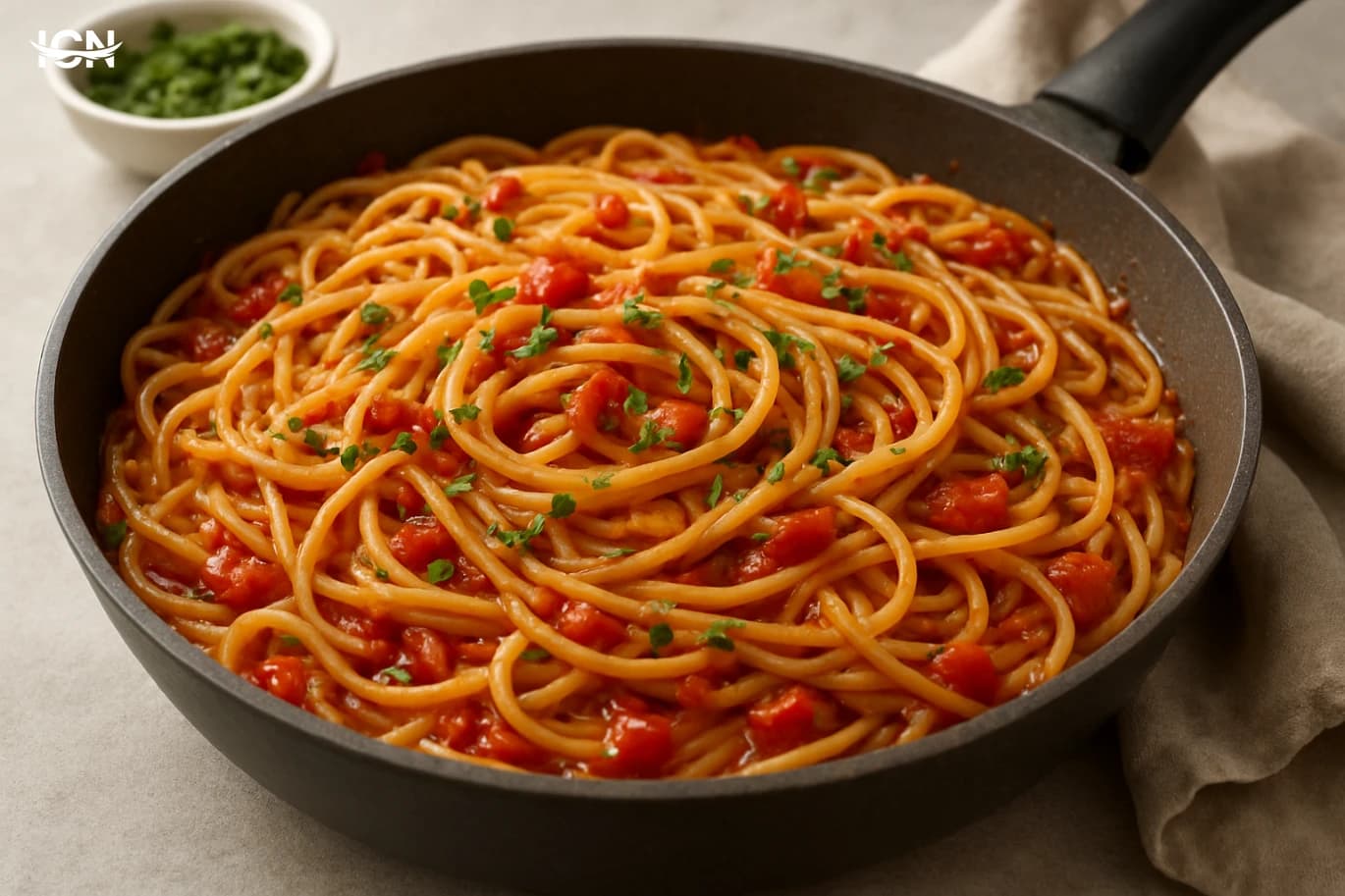
A fast noodle bowl depends on a sauce you can mix without cooking. Option one is a soy-sesame style: soy sauce, a small spoon of peanut butter or tahini, a splash of rice vinegar or lemon, a little honey or sugar, and sesame oil if you have it. This creates a balanced savory base that clings well to noodles. Option two is a tomato-chili pantry sauce: tomato paste thinned with hot water, a pinch of chili flakes, garlic powder, and a touch of olive oil. It tastes bold and works well with canned fish or chickpeas. Option three is a light ginger-citrus sauce: soy sauce or salt, grated ginger or ginger powder, lime or lemon juice, and a small amount of neutral oil; it is clean and pairs well with frozen vegetables. Keep the sauce concentrated in the bowl, then loosen it with a spoonful of noodle water. This technique makes even thick ingredients like tahini or peanut butter turn smooth quickly. If you want extra depth without extra time, add one of these: a teaspoon of miso, a dash of Worcestershire, or a pinch of smoked paprika. The key is to choose one “main direction” and avoid adding too many competing flavors in a ten-minute meal.
Proteins and vegetables that cook instantly
For protein, focus on items that are already cooked or need minimal heat. Canned tuna, salmon, sardines, or shredded rotisserie chicken can be added at the end so they warm without drying out. Eggs are another fast option: you can soft-boil one in the same water as the noodles if timing allows, or simply crack an egg into the hot drained noodles and stir quickly for a silky coating. For plant-based choices, use canned chickpeas, edamame, or tofu cubes; they only need warming and seasoning. Vegetables should be thin or pre-cut. Frozen peas, corn, spinach, mixed vegetables, or sliced bell peppers can go into the noodle water for the last minute. Fresh options like shredded cabbage, grated carrot, cucumber, and scallions work well as raw toppings, adding crunch and freshness without cooking. If you keep one bag of frozen vegetables and one fresh crunchy item in your weekly routine, you can build a balanced bowl with minimal shopping and almost no prep time.
Five bowl combinations you can rotate
Rotation keeps fast meals from feeling repetitive. Combination 1: soy-sesame sauce, ramen noodles, shredded cabbage, canned tuna, and toasted sesame seeds. Combination 2: tomato-chili sauce, rice noodles, chickpeas, frozen spinach, and a squeeze of lemon. Combination 3: ginger-citrus sauce, thin wheat noodles, edamame, cucumber, and crushed peanuts. Combination 4: peanut-tahini sauce, soba or ramen, frozen mixed vegetables, and a soft-boiled egg. Combination 5: simple garlic-soy sauce, noodles of choice, leftover chicken, scallions, and a spoon of chili crisp if you like heat. Each combination follows the same structure, so you are not learning five different recipes; you are swapping parts. If you are cooking for more than one person, keep the noodles plain and let everyone customize the bowl with their own toppings. This reduces complaints about spice levels and makes the meal feel more “made to order” without adding time.
bookmark
Bookmark this template for a reliable ten-minute dinner: choose noodles (ramen, rice noodles, thin wheat), mix a no-cook sauce in the bowl, cook noodles and quick vegetables, reserve a little cooking water, then toss with a ready protein and finish with crunch. Keep a short shopping list that supports the system: one noodle type you like, soy sauce, vinegar or lemons, one nut butter or tahini, a frozen vegetable bag, and one canned protein. With those basics, you can assemble a fast meal even when the fridge looks empty. For meal prep without turning it into a project, pre-mix two sauce bases in small jars and store them for up to a few days in the refrigerator. When dinner time comes, you only boil water and build the bowl. If you track what worked, write down your best combination in one line—noodles + sauce + protein + vegetables + topping—so the next busy day requires almost no decision-making.